
All 30 NBA home arenas ranked by capacity, pulled straight from ThrillZing’s venue database. The spread is tighter than in any other major league — arenas are built to a formula — but the top and bottom still stand almost 7,000 seats apart.
The United Center in Chicago leads at 23,500, nearly 3,000 clear of second-place Madison Square Garden (20,789). Built for the Jordan-era Bulls in 1994, it remains the biggest basketball building in the league by a comfortable margin.
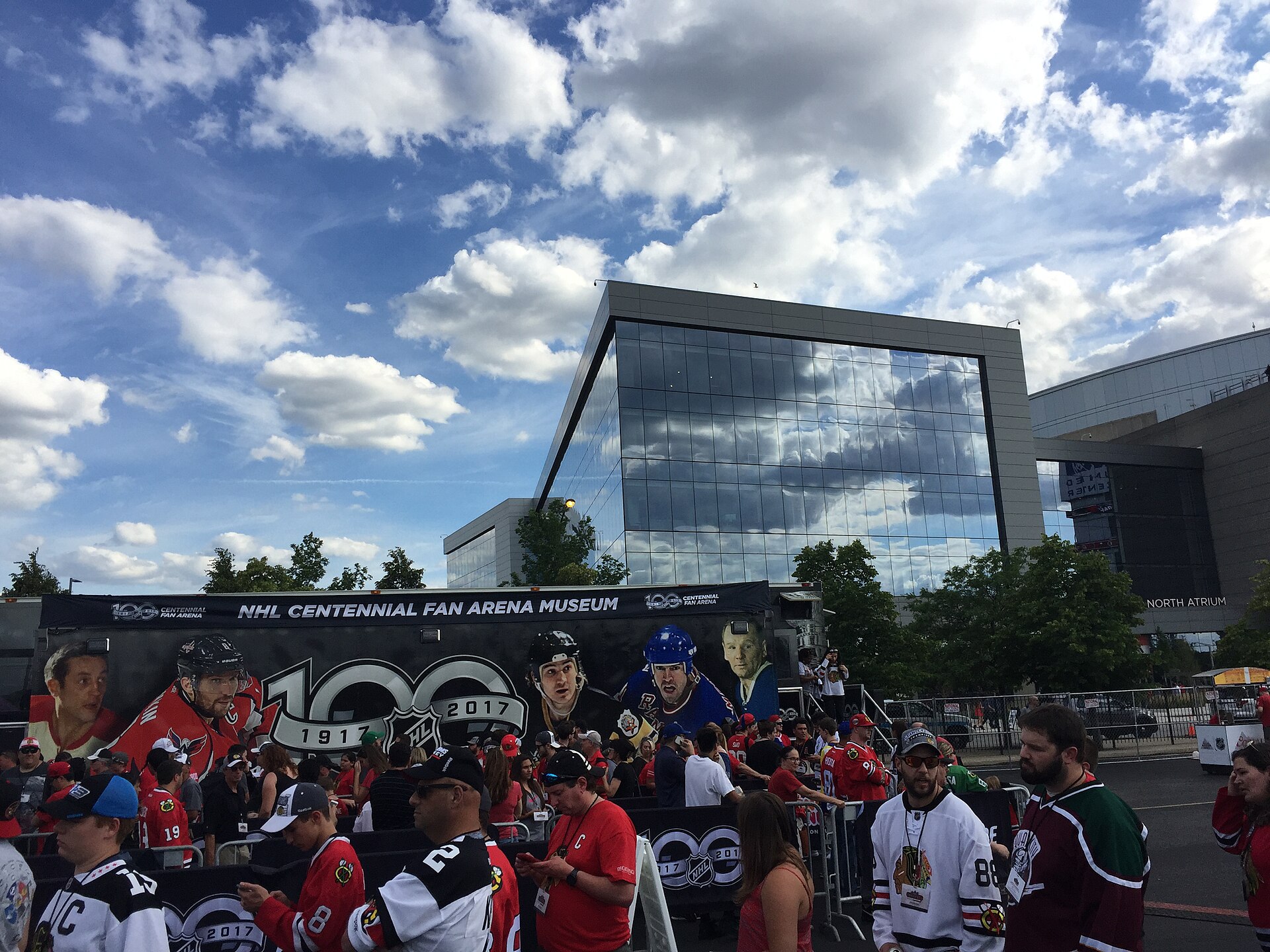
All 30 NBA Arenas by Capacity
Here is the complete 2026 ranking. Each arena links to its full ThrillZing venue profile.
| # | Arena | Team | Opened | Capacity |
|---|---|---|---|---|
| 1 | United Center | Chicago Bulls | 1994 | 23,500 |
| 2 | Madison Square Garden | New York Knicks | 1968 | 20,789 |
| 3 | Capital One Arena | Washington Wizards | 1997 | 20,674 |
| 4 | Rocket Arena | Cleveland Cavaliers | 1994 | 20,562 |
| 5 | Little Caesars Arena | Detroit Pistons | 2017 | 20,332 |
| 6 | Xfinity Mobile Arena | Philadelphia 76ers | 1996 | 20,328 |
| 7 | Moda Center | Portland Trail Blazers | 1995 | 19,980 |
| 8 | Delta Center | Utah Jazz | 1991 | 19,911 |
| 9 | Scotiabank Arena | Toronto Raptors | 1999 | 19,800 |
| 10 | State Farm Arena | Atlanta Hawks | 1999 | 19,445 |
| 11 | Target Center | Minnesota Timberwolves | 1990 | 19,356 |
| 12 | American Airlines Center | Dallas Mavericks | 2001 | 19,200 |
| 13 | Spectrum Center | Charlotte Hornets | 2005 | 19,077 |
| 14 | Crypto.com Arena | Los Angeles Lakers | 1999 | 19,060 |
| 15 | Mortgage Matchup Center | Phoenix Suns | 1992 | 19,023 |
| 16 | Kia Center | Orlando Magic | 2010 | 18,846 |
| 17 | TD Garden | Boston Celtics | 1995 | 18,624 |
| 18 | Frost Bank Center | San Antonio Spurs | 2002 | 18,581 |
| 19 | Golden 1 Center | Sacramento Kings | 2016 | 18,500 |
| 20 | Paycom Center | Oklahoma City Thunder | 2002 | 18,203 |
| 21 | Gainbridge Fieldhouse | Indiana Pacers | 1999 | 18,165 |
| 22 | FedExForum | Memphis Grizzlies | 2004 | 18,119 |
| 23 | Toyota Center | Houston Rockets | 2003 | 18,023 |
| 24 | Chase Center | Golden State Warriors | 2019 | 18,000 |
| 25 | Intuit Dome | LA Clippers | 2024 | 18,000 |
| 26 | Smoothie King Center | New Orleans Pelicans | 1999 | 17,805 |
| 27 | Barclays Center | Brooklyn Nets | 2012 | 17,732 |
| 28 | Ball Arena | Denver Nuggets | 1999 | 17,417 |
| 29 | Fiserv Forum | Milwaukee Bucks | 2018 | 17,341 |
| 30 | Kaseya Center | Miami Heat | 1999 | 16,500 |
Why the United Center Is Still King
When the United Center replaced Chicago Stadium in 1994, the Bulls were the hottest ticket in sports, and the building was sized accordingly. No arena built since has tried to match it — modern NBA buildings aim for roughly 17,000 to 19,500 seats, where sightlines and premium-seating economics work best.
That’s why the newest arenas in the league sit mid-table or lower: Chase Center (2019) and Intuit Dome (2024) both hold 18,000, and Fiserv Forum (2018) holds 17,341. Newer no longer means bigger — it means more suites, better acoustics, and a tighter bowl.
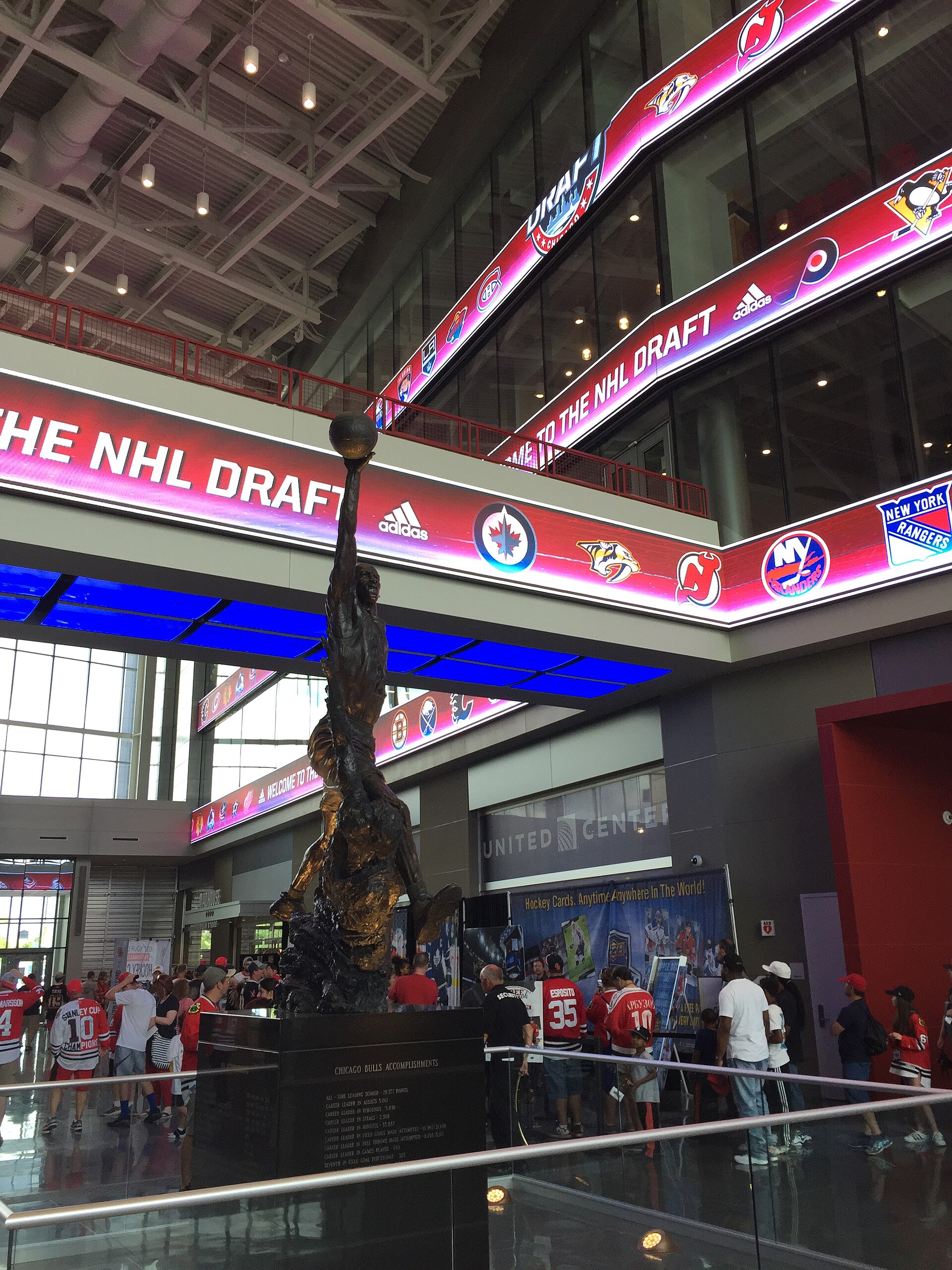
Shared Buildings and Outliers
Several arenas on this list pull double duty with NHL teams — the United Center, Madison Square Garden, Capital One Arena, Little Caesars Arena, TD Garden, Crypto.com Arena, and Ball Arena among them — and basketball configurations typically seat more than hockey ones in the same building.
At the bottom, the Kaseya Center in Miami (16,500) is the league’s smallest home floor, proof that a championship atmosphere has nothing to do with raw seat count.
Explore more: the oldest NBA arenas, the largest stadiums in the world, all stadium guides.
Keeps chili hot from the tailgate to the fourth quarter.
Team-color face paint in a twist-up stick — no brushes, no mess in the car.
Sized to the NFL's 12x6x12 clear-bag rule. Fits snacks, a jacket and a rally towel.
Biggest NBA Arenas FAQs
What is the biggest NBA arena?
The United Center in Chicago, home of the Bulls, is the biggest NBA arena with a capacity of 23,500 — nearly 3,000 more than second-place Madison Square Garden.
What is the smallest NBA arena?
The Kaseya Center in Miami is the smallest NBA arena at 16,500 for basketball. Despite that, it has hosted multiple NBA Finals runs by the Heat.
How many seats does a typical NBA arena have?
Most NBA arenas hold between 17,000 and 20,000 for basketball. Arenas built in the last decade cluster near 18,000, trading raw capacity for premium seating and steeper, closer bowls.
Get More from Biggest NBA Arenas
Log the coasters, stadiums, and venues you’ve experienced, rate Biggest NBA Arenas, and see what your friends thought. Get the ThrillZing app.
Want the day’s theme park news in your inbox? Subscribe to ThrillZing Daily — free.
Photo: Alacoolwiki / CC BY-SA 4.0, via Wikimedia Commons.