
Every big-league ballpark ranked by seating capacity, straight from ThrillZing’s venue database — all 30 current MLB home parks, from the biggest bowl in baseball down to the temporary home the Athletics are filling in Sacramento.
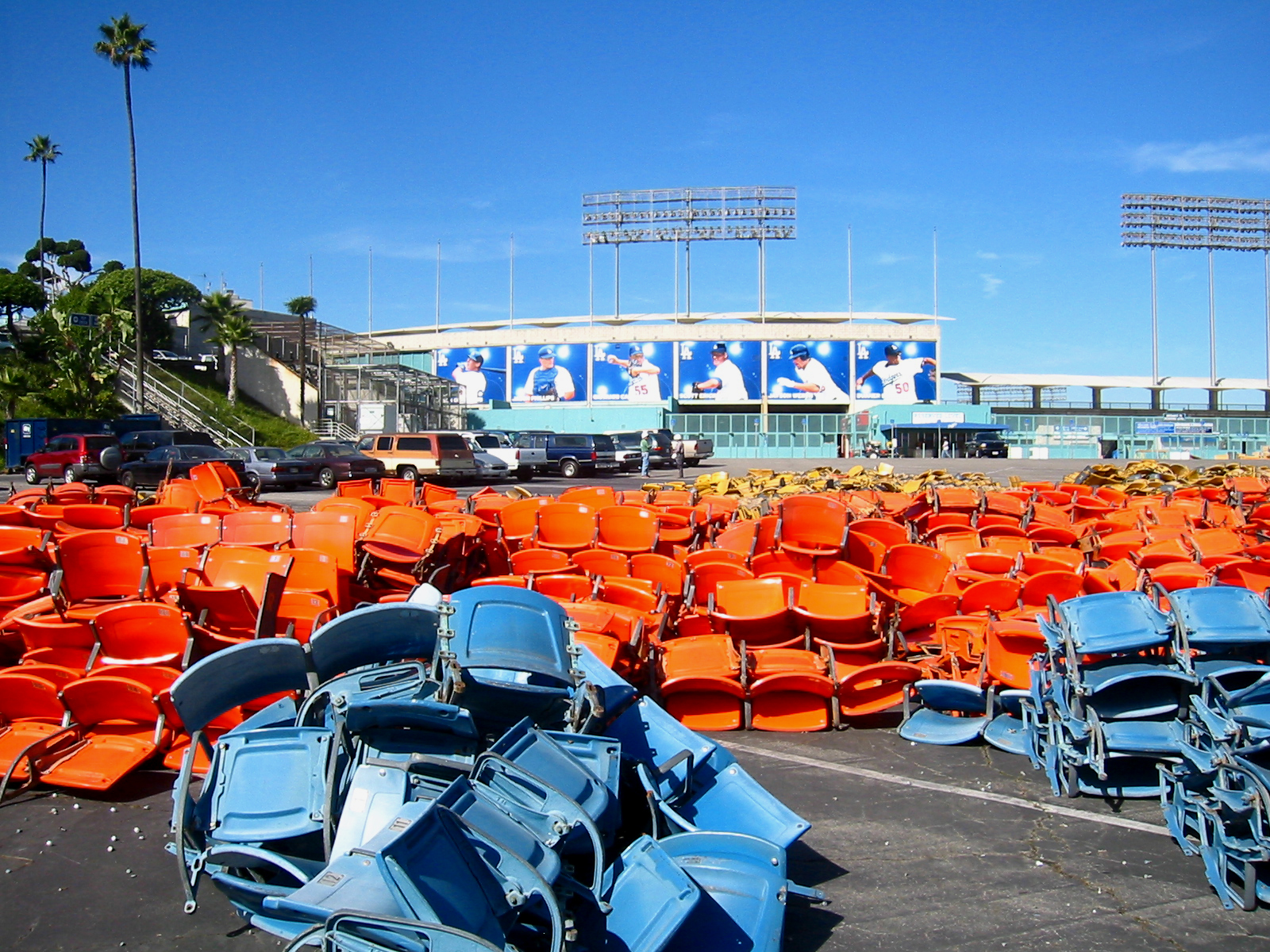
The headline hasn’t changed in decades: Dodger Stadium holds 56,000, the largest capacity in Major League Baseball and a figure that has topped this list since the ballpark-building boom shrank everyone else. The gap to second place is huge — Coors Field checks in at 50,480, and no other park cracks 50,000.
All 30 MLB Ballparks by Capacity
The table below is the complete 2026 ranking. Each ballpark links to its full ThrillZing profile with history, seating notes, and visitor tips.
| # | Ballpark | Team | Opened | Capacity |
|---|---|---|---|---|
| 1 | Dodger Stadium | Los Angeles Dodgers | 1962 | 56,000 |
| 2 | Coors Field | Colorado Rockies | 1995 | 50,480 |
| 3 | Yankee Stadium | New York Yankees | 2009 | 49,642 |
| 4 | Oriole Park at Camden Yards | Baltimore Orioles | 1992 | 48,876 |
| 5 | Chase Field | Arizona Diamondbacks | 1998 | 48,519 |
| 6 | T-Mobile Park | Seattle Mariners | 1999 | 47,476 |
| 7 | Busch Stadium | St. Louis Cardinals | 2006 | 43,975 |
| 8 | Citizens Bank Park | Philadelphia Phillies | 2004 | 43,651 |
| 9 | Angel Stadium | Los Angeles Angels | 1966 | 43,250 |
| 10 | Great American Ball Park | Cincinnati Reds | 2003 | 42,319 |
| 11 | Petco Park | San Diego Padres | 2004 | 42,302 |
| 12 | Citi Field | New York Mets | 2009 | 41,922 |
| 13 | Oracle Park | San Francisco Giants | 2000 | 41,915 |
| 14 | American Family Field | Milwaukee Brewers | 2001 | 41,900 |
| 15 | Nationals Park | Washington Nationals | 2008 | 41,888 |
| 16 | Daikin Park | Houston Astros | 2000 | 41,168 |
| 17 | Truist Park | Atlanta Braves | 2017 | 41,084 |
| 18 | Wrigley Field | Chicago Cubs | 1914 | 41,072 |
| 19 | Rate Field | Chicago White Sox | 1991 | 40,615 |
| 20 | Globe Life Field | Texas Rangers | 2020 | 40,300 |
| 21 | Comerica Park | Detroit Tigers | 2000 | 40,120 |
| 22 | Rogers Centre | Toronto Blue Jays | 1989 | 39,150 |
| 23 | Target Field | Minnesota Twins | 2010 | 38,544 |
| 24 | Kauffman Stadium | Kansas City Royals | 1973 | 37,903 |
| 25 | PNC Park | Pittsburgh Pirates | 2001 | 37,898 |
| 26 | Fenway Park | Boston Red Sox | 1912 | 37,499 |
| 27 | loanDepot Park | Miami Marlins | 2012 | 36,742 |
| 28 | Progressive Field | Cleveland Guardians | 1994 | 34,830 |
| 29 | Tropicana Field | Tampa Bay Rays | 1990 | 25,025 |
| 30 | Sutter Health Park | Athletics | 2000 | 14,014 |
Why Dodger Stadium Still Leads
Dodger Stadium opened in 1962, back when baseball parks were built big. The retro-ballpark era that started with Camden Yards in 1992 deliberately went smaller — intimacy sells better than raw scale — which is why so many parks built since 2000 cluster tightly between 37,000 and 43,000 seats.
That clustering is the real story of the table. Positions 7 through 21 are separated by barely 3,000 seats, so a single renovation can shuffle several spots at once. The old giants — Dodger Stadium, Coors Field, Yankee Stadium — sit comfortably above the pack.
The Small End of the Scale
The bottom of the list tells its own story. Fenway Park (37,499) and Wrigley Field (41,072) stay small because they are boxed in by city streets and over a century of history — Fenway opened in 1912, Wrigley in 1914, and both trade capacity for character.
Then there’s Sutter Health Park at 14,014, the smallest park in the majors by a mile. It’s a Triple-A stadium in West Sacramento serving as the Athletics’ temporary home while their Las Vegas ballpark is built — a big-league anomaly worth seeing while it lasts.
Explore more: the oldest MLB ballparks, the largest stadiums in the world, all stadium guides.
For upper-deck seats. Watch line play at the stadium, or the far side of the park from the top of a lift hill.
Sherpa-lined and windproof, with a waterproof back for wet bleachers. Folds into its own pouch.
For late-season football, outdoor hockey and October park nights. Shake, pocket, and stay warm for hours.
Biggest MLB Ballparks FAQs
What is the biggest MLB stadium?
Dodger Stadium in Los Angeles is the biggest MLB ballpark, with a capacity of 56,000. It has been baseball’s largest park for decades and also ranks among the biggest baseball venues in the world.
What is the smallest MLB ballpark?
In 2026 it’s Sutter Health Park in West Sacramento at 14,014 — the Athletics’ temporary home until their Las Vegas stadium opens. Among permanent big-league parks, Tropicana Field (25,025) and Progressive Field (34,830) are the smallest.
How many people does the average MLB stadium hold?
Most modern MLB ballparks hold between 37,000 and 43,000 fans. Parks built since the retro-ballpark era began in the 1990s deliberately went smaller than older stadiums like Dodger Stadium.
Get More from Biggest MLB Ballparks
Log the coasters, stadiums, and venues you’ve experienced, rate Biggest MLB Ballparks, and see what your friends thought. Get the ThrillZing app.
Want the day’s theme park news in your inbox? Subscribe to ThrillZing Daily — free.
Photo: Spatms / CC BY-SA 4.0, via Wikimedia Commons.