
Wisconsin State Fair Park is a fairgrounds and exhibition complex in West Allis, Wisconsin, just west of Milwaukee, that has hosted the Wisconsin State Fair since 1892. Long before it became known chiefly for the Milwaukee Mile speedway and the Pettit National Ice Center, its infield grandstand served as a full-fledged NFL stadium for nearly two decades.
From 1934 through 1951, the Green Bay Packers played regular-season home games on a gridiron laid out in front of the park’s racetrack grandstand, a setup locally nicknamed the Dairy Bowl. The arrangement put a trotting track between the stands and the field, a quirk that drew complaints from players and fans alike, but it still delivered one of the signature moments in franchise history: the 1939 NFL Championship Game.
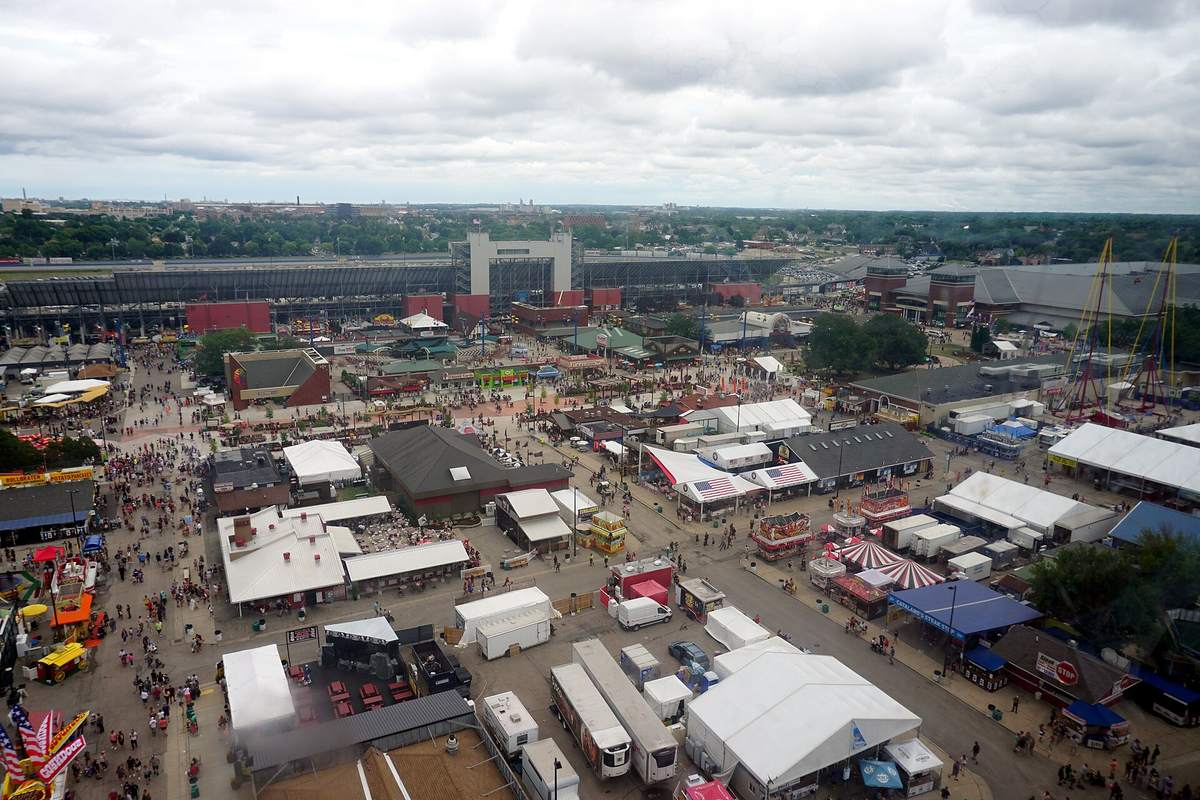
Stats at a Glance
- Team(s): Green Bay Packers (1934-1951); Milwaukee Chiefs, AFL (1940-1941)
- Location: West Allis, Wisconsin
- Opened: Fairgrounds established 1892; football use began 1934
- Closed: Packers’ last game played October 21, 1951
- Peak Capacity: About 34,000 for football by 1946
- Notable Fact: Hosted the 1939 NFL Championship Game
The Dairy Bowl Era
The football field ran north-south directly in front of the racetrack’s concrete grandstand, with a trotting track separating the crowd from the action. Packers guard Tony Canadeo later joked that the field was so far from the stands that you couldn’t even hear fans booing. Seating grew from roughly 12,000 concrete seats plus temporary bleachers in 1934 to nearly 34,000 permanent seats by 1946, after the facility acquired stands from the University of Chicago.
The grounds reached their peak moment on December 10, 1939, when the Packers hosted the New York Giants for the NFL Championship. Overflow seating placed on the racetrack blocked views from the lower grandstand, and frustrated fans reportedly threw bottles onto the field, a chaotic footnote to a Green Bay title-clinching win.
Life After Football
The Packers’ Milwaukee tenure ended in 1951 when the aging facility could no longer compete with newer venues; the team moved briefly to Marquette Stadium before settling into Milwaukee County Stadium in 1953. Wisconsin State Fair Park itself carried on, and today its grounds are better known for the Milwaukee Mile, one of the world’s oldest continuously operating motor speedways, and for hosting the state fair each summer alongside year-round concerts and events.
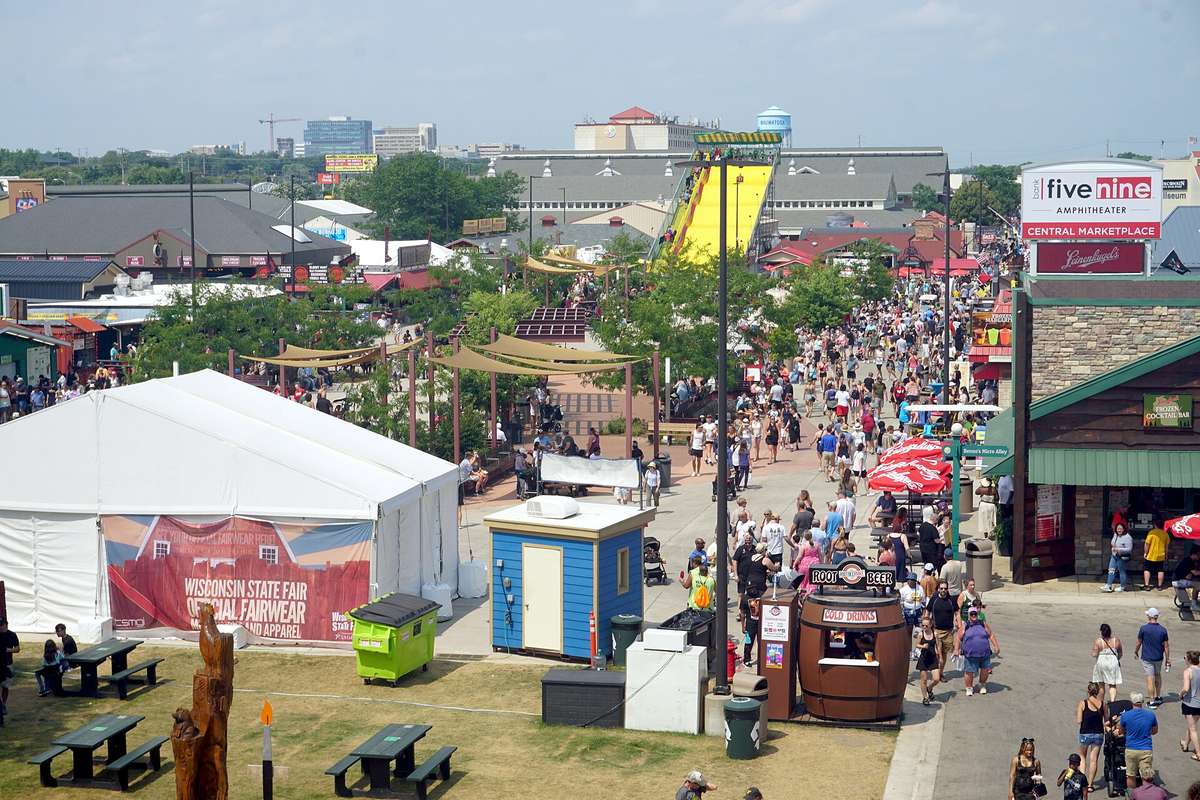
Explore more: Explore more historic and active stadiums.
For late-season football, outdoor hockey and October park nights. Shake, pocket, and stay warm for hours.
12 x 10.5 x 6 in. — built to the common stadium clear-bag size. Check your venue's rules.
USB-charged warmers for cold night games — no disposable packets.
Wisconsin State Fair Park FAQs
Did the Green Bay Packers really play home games in Milwaukee?
Yes. From 1934 to 1951, the Packers split home games between Green Bay and Wisconsin State Fair Park in West Allis, a Milwaukee suburb, to reach a larger fan base and ticket revenue pool.
What was the Dairy Bowl?
The Dairy Bowl was the informal name for the football grandstand setup built within Wisconsin State Fair Park’s racetrack grounds, used by the Packers and briefly by the Milwaukee Chiefs of the American Football League in 1940-1941.
Is Wisconsin State Fair Park still used for sports today?
It no longer hosts NFL football, but the park remains active as the home of the Milwaukee Mile speedway and the Pettit National Ice Center, alongside the annual Wisconsin State Fair.
Get More from Wisconsin State Fair Park
Log the coasters, stadiums, and venues you’ve experienced, rate Wisconsin State Fair Park, and see what your friends thought. Get the ThrillZing app.
Photo: Michael Barera / CC BY-SA 4.0, via Wikimedia Commons.