
Canada Life Centre is the downtown Winnipeg arena that has served as the beating heart of the city’s hockey scene since it opened as the MTS Centre on November 16, 2004. Built for roughly C$133.5 million on the former site of the Eaton’s department store, the arena incorporated salvaged red bricks from that building into its facade as a nod to the site’s history.
The building has carried three different naming-rights titles over its life, moving from MTS Centre to Bell MTS Place in 2017 before becoming Canada Life Centre in July 2021. Through every rebrand, its role has stayed the same: it is the home rink of the Winnipeg Jets and the anchor venue for downtown Winnipeg’s entertainment district, and it’s famous around the league for being noticeably smaller than almost every other building the Jets visit on the road.
- Winnipeg Jets played here 2011–present. See every Jets arena →
Quick Answer
Canada Life Centre, home of the Winnipeg Jets, seats 15,225 for NHL hockey games. That makes it the smallest permanent arena in the NHL — smaller than every other current full-time league building. For concerts, where the ice is covered and floor seating is added, capacity expands to about 16,345.
🎤 Coming Up at Canada Life Centre
Show 5 more dates
Winnipeg Jets Arena Capacity, Explained
Capacity at Canada Life Centre changes depending on what’s happening inside the bowl. For a Winnipeg Jets game, the number most fans want is 15,225 — that’s the official NHL hockey configuration, counting the lower bowl, club level, and upper bowl around the full sheet of ice.
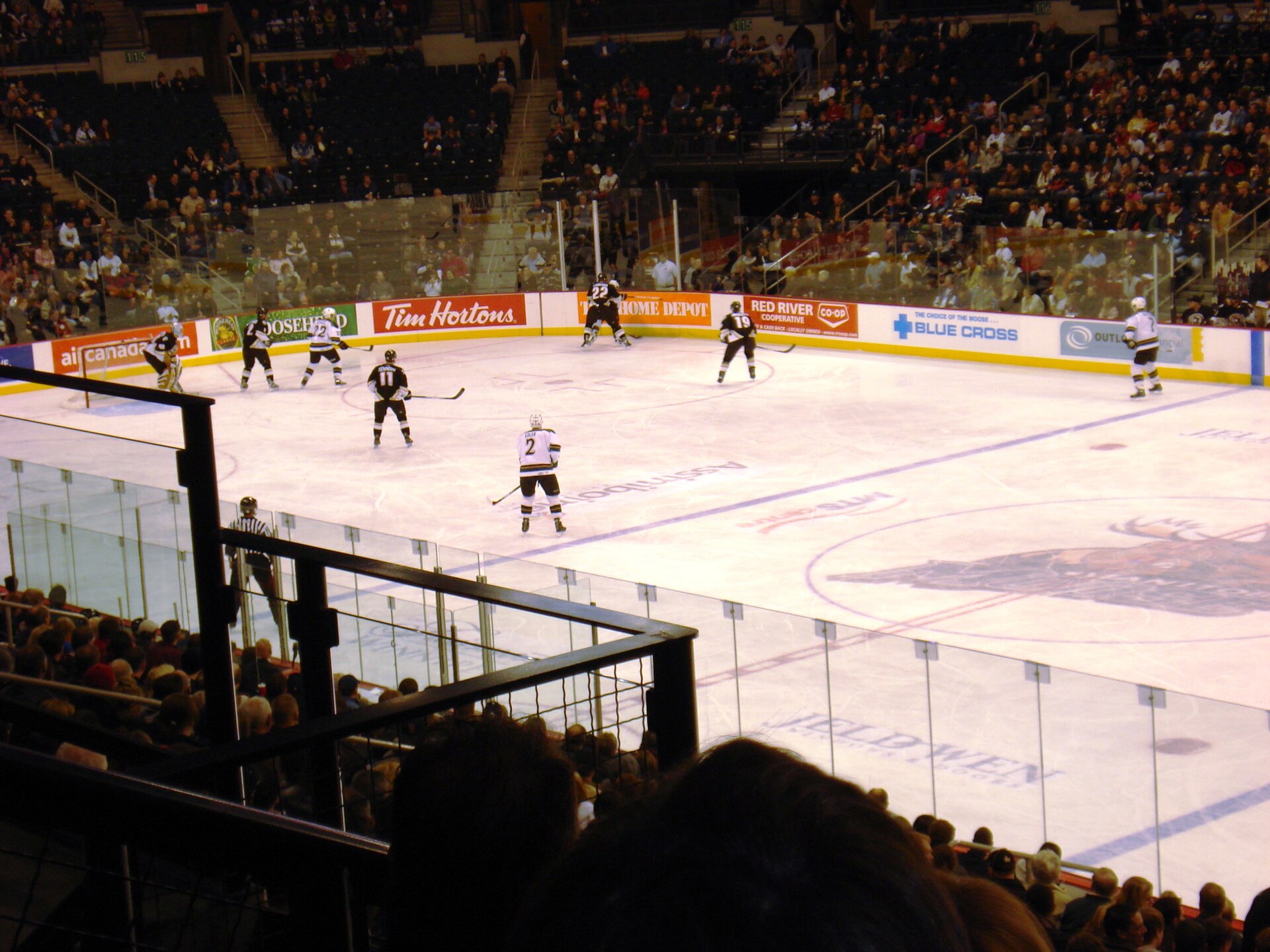
For concerts and other events that use floor seating instead of ice, capacity rises to roughly 16,345, since a flat floor fits more seats than a rink does. The AHL’s Manitoba Moose, the building’s second tenant, typically play in a smaller lower-bowl-only configuration that seats around 8,812, since Moose games don’t draw crowds large enough to justify opening the upper deck.
When the arena opened in 2004, its capacity was already notably tight by NHL standards — at the time the Jets returned to the league in 2011, it sat well below the league’s next-smallest building, the old Nassau Veterans Memorial Coliseum (16,170 seats) in Long Island. Over a decade later, Canada Life Centre is still routinely cited as the NHL’s smallest permanent arena, a reputation tied directly to Winnipeg’s smaller media market rather than to any shortfall in demand — Jets games are consistently among the toughest tickets in the league to find on short notice.
The Seating Bowl & Atmosphere
Canada Life Centre packs its seating bowl tightly around the ice, a design choice that has made it one of the loudest and most intense atmospheres in the NHL, especially during Jets playoff runs when the surrounding plaza fills with the famous ‘whiteout’ crowds. The arena’s roughly 440,000 square feet keep the footprint compact by modern NHL standards, putting fans close to the action rather than spreading them across a sprawling concourse.
Seating is split into three main tiers: lower-bowl seating closest to the ice, a club level with padded seats and private lounge access, and a steep upper bowl that still keeps sightlines tight thanks to the building’s compact design. The building has hosted more than hockey over the years, including WWE events and concerts that have pushed attendance past the hockey capacity, cementing its role as downtown Winnipeg’s primary entertainment venue.
History & Legacy
The arena was built to bring NHL hockey back to Winnipeg after the original Jets left for Phoenix in 1996. It first housed the AHL’s Manitoba Moose, then became an NHL rink again in 2011 when the Atlanta Thrashers relocated to Winnipeg and revived the Jets name. Ownership group True North Sports & Entertainment has kept the venue at the center of the city’s downtown redevelopment efforts ever since.
Naming rights have shifted with sponsor deals over the years, from MTS to Bell MTS to Canada Life, but locals have long referred to the building informally as ‘the barn,’ a nod to its role as the singular home of major professional sports in Winnipeg.
Planning Your Visit: Tickets, Parking & Entrances
Jets and Moose tickets, along with concert and WWE event tickets, are sold through Ticketmaster via the venue’s own site, with box office will-call pickup available at street level at the corner of Portage Avenue and Donald Street (Gate 1), typically opening a couple of hours before each event. Season-ticket and group sales also run through the team and venue directly rather than third-party resellers.
There is no dedicated arena parking garage, but more than 13,000 surface and structure parking spaces sit within about a 10-minute walk, including stalls managed by Impark and Platinum Parking that can be booked in advance through services like ParkMobile or ParkWhiz. Because Canada Life Centre sits inside Winnipeg’s downtown skywalk network, many visitors park in a connected building and walk indoors the whole way, which is especially handy in winter.
The main public entrance is at Portage Avenue and Donald Street (Gate 1), with additional gates at Graham Avenue and Hargrave Street (Gate 3) and a skywalk-level entrance connecting to CityPlace Mall (Gate 6). All entry points use mandatory bag screening, so arriving a little early during busy Jets games helps avoid line-ups. For current event schedules, seat maps, accessibility details, and exact hours, check the official Canada Life Centre website, which stays up to date as policies and showtimes change.
Bag Policy & Gameday Rules
Canada Life Centre enforces a small-bag policy: permitted bags are limited to roughly 4″ x 6″ x 1.5″ and must pass through contactless security screening at the gates. Exceptions are generally made for medically necessary items and childcare/diaper bags, but there is no on-site bag check for oversized items, so it’s best to leave larger bags at home or in the car.
Because the policy and screening process can be updated between seasons, fans planning to bring a bag, medical equipment, or childcare supplies should confirm current rules on the venue’s official fan guide before heading downtown.
Photos
USB-charged warmers for cold night games — no disposable packets.
Keeps chili hot from the tailgate to the fourth quarter.
Team-color face paint in a twist-up stick — no brushes, no mess in the car.
Canada Life Centre capacity FAQs
What is the capacity of the Winnipeg Jets’ arena?
Canada Life Centre holds 15,225 fans for Winnipeg Jets hockey games, making it the smallest permanent arena in the NHL. Capacity rises to about 16,345 for concerts and other events that use floor seating instead of the ice surface.
Is Canada Life Centre really the smallest arena in the NHL?
Yes — among the league’s full-time home arenas, Canada Life Centre’s 15,225-seat hockey configuration is smaller than every other current NHL building. It was already notably compact when the Jets returned to Winnipeg in 2011, sitting below even the league’s next-smallest arena at the time.
How many seats does Canada Life Centre have for Manitoba Moose games?
The AHL’s Manitoba Moose typically play in a lower-bowl-only configuration that seats roughly 8,812, since the upper deck generally isn’t opened for AHL crowds.
Who plays home games at Canada Life Centre?
The NHL’s Winnipeg Jets are the primary tenant, along with the AHL’s Manitoba Moose.
When did Canada Life Centre open?
The arena opened on November 16, 2004, originally under the name MTS Centre.
Where do you park for Canada Life Centre?
There’s no dedicated arena garage, but over 13,000 surface and structure parking spaces are within about a 10-minute walk, with advance booking available through Impark, Platinum Parking, ParkMobile, and ParkWhiz.
Get More from Canada Life Centre capacity
Log the coasters, stadiums, and venues you’ve experienced, rate Canada Life Centre capacity, and see what your friends thought. Get the ThrillZing app.
Want the day’s theme park news in your inbox? Subscribe to ThrillZing Daily — free.
See also: the biggest college football stadiums · the largest stadiums in the world · the biggest NHL arenas