
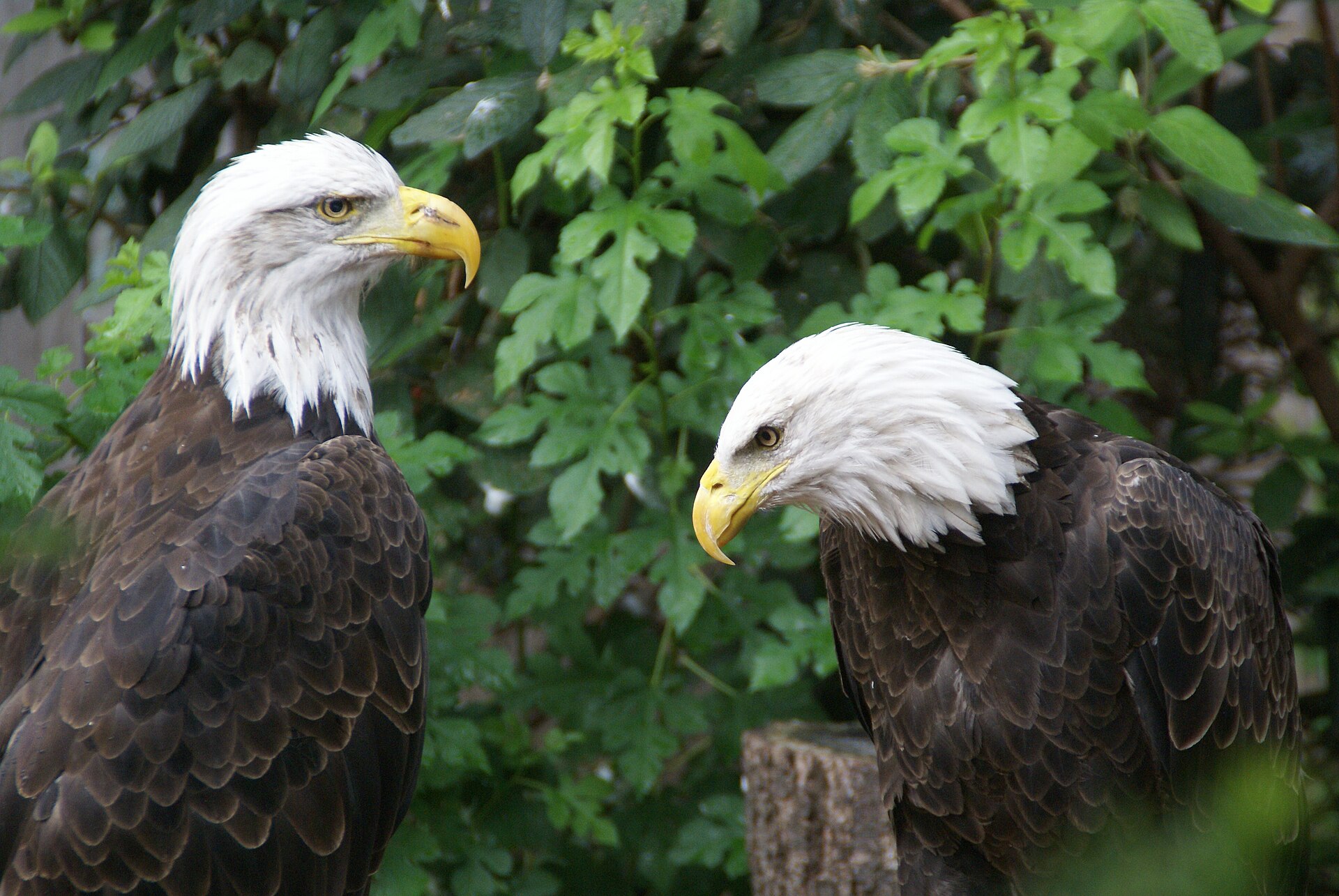
The National Aviary sits inside Allegheny Commons Park on Pittsburgh’s North Side, and it holds a distinction no other American zoo or aquarium can claim: in 1993, the U.S. Congress granted it honorary “National” status, making it the only zoological facility in the country with that designation. The building traces back to 1952, when the City of Pittsburgh opened it as a public conservatory-turned-aviary, long before anyone imagined it would become a nationally recognized conservation institution.
Today the Aviary operates as an independent nonprofit, having gone private in 1991 when city budget cuts threatened to close it. It is the largest indoor aviary in the United States, home to more than 500 birds and animals representing over 150 species, many of them rare or endangered. The Aviary welcomes visitors daily except Tuesdays, from 10 a.m. to 5 p.m., through free-flight habitats where macaws, hornbills, and condors move overhead rather than behind glass, a layout that has made it a fixture of Pittsburgh’s cultural landscape for over seven decades.
Stats at a Glance
- Location: Pittsburgh, Pennsylvania (North Side)
- Opened: 1952
- Hours: Daily 10 a.m.-5 p.m., closed Tuesdays
- National Designation: 1993, by act of U.S. Congress
- Size: About 40,000 square feet
- Species: More than 150
- Animals: 500+ birds and other animals
- Famous For: Only AZA facility with honorary ‘National’ status
A Bird Sanctuary Like No Other
Unlike most zoos, the National Aviary is built almost entirely around free-flight habitats, letting guests walk through tropical rainforest and wetland environments while birds fly, perch, and feed just feet away. The Tropical Rainforest exhibit is home to a pair of hyacinth macaws, among the most photographed residents, while the Penguin Point habitat offers underwater viewing of African penguins. The Aviary runs one of the more active African penguin breeding programs among North American zoos.
The facility also runs the Helen M. Schmidt FliteZone Theater, the first indoor flight theater of its kind in the United States, where birds of prey and other species fly low overhead during live demonstrations. A rooftop SkyDeck hosts outdoor flight shows seasonally, extending the up-close format beyond the main building.
From City Conservatory to National Landmark
The Aviary’s site began as a city-run conservatory before converting to a dedicated bird house in 1952. By 1967 the building had expanded from roughly 3,600 square feet to 25,000, and further growth over the following decades brought it to around 40,000 square feet today. When Pittsburgh’s shrinking tax base forced the city to stop funding it in 1991, a nonprofit board took over operations, and the Aviary has been run independently ever since.
The National designation arrived in 1993, formalized by a joint resolution of Congress and signed by President Bill Clinton, cementing the institution’s role in conservation and research well beyond its exhibit halls. It has held accreditation from the Association of Zoos and Aquariums continuously since 1984.
Explore more: More Zoos & Aquariums.
Let them photograph their own favorite animals — and keep your phone in your pocket.
Hauls kids, coolers and souvenirs across a big zoo or park, folds flat for the trunk.
Little hands reach in, snacks stay in — a lifesaver on long zoo days.


National Aviary FAQs
Why is it called the ‘National’ Aviary?
In 1993, the U.S. Congress passed a resolution granting the Pittsburgh facility honorary national status, the only zoo or aquarium in the country to hold that designation.
What are the National Aviary’s hours?
The Aviary is open daily from 10 a.m. to 5 p.m. and is closed on Tuesdays.
How many birds and species live at the National Aviary?
The Aviary is home to more than 500 birds and other animals representing over 150 species, including rare and endangered birds like Andean condors.
Get More from National Aviary
Log the coasters, stadiums, and venues you’ve experienced, rate National Aviary, and see what your friends thought. Get the ThrillZing app.
Photo: Popscreenshot / CC BY-SA 4.0, via Wikimedia Commons.