
Raptor is a Bolliger & Mabillard inverted roller coaster at Cedar Point in Sandusky, Ohio, that opened on May 7, 1994. Designed by Werner Stengel, it cost between $11.5 and $12 million to build and replaced the park’s old Mill Race water ride. At its debut, Raptor simultaneously held the world records for tallest, fastest, and longest inverted coaster, a distinction it kept until Busch Gardens Tampa’s Montu overtook it in 1996.
What set Raptor apart from earlier inverted coasters wasn’t just its size, it was an entirely new inversion. The ride introduced the cobra roll, a double-inversion element that had never before appeared on an inverted coaster, and it remains one of the layout’s signature moments. More than three decades later, Raptor is still one of Cedar Point’s most respected coasters, prized by enthusiasts for its relentless pacing and tight, snappy transitions.
Stats at a Glance
- Park: Cedar Point, Sandusky, Ohio
- Manufacturer: Bolliger & Mabillard
- Opened: May 7, 1994
- Height: 137 feet
- Top speed: 57 mph
- Length: 3,790 feet
- Inversions: 6
The Ride Experience
Riders board Raptor’s trains in a ski-lift-style seating position, with legs dangling freely and no floor beneath them, before a chain lift hauls the train up a 137-foot hill. The first drop plunges 119 feet into a sequence that hits 57 mph and packs in six inversions across just 3,790 feet of track, including a vertical loop, the pioneering cobra roll, a zero-gravity roll, and two corkscrews. The entire circuit lasts roughly two minutes and fifteen seconds and is known for its abrupt, punchy transitions rather than long floaty airtime moments.
Most of Raptor’s track was fabricated by Clermont Steel Fabricators in Ohio, and the ride runs three trains of eight cars each, carrying up to 32 riders per train. Because the trains hang beneath the track rather than ride atop it, Raptor delivers an open, exposed sensation through every inversion that made it feel radically different from anything else at Cedar Point when it opened.
Records and Legacy
When Raptor opened in 1994, it was simultaneously the tallest, fastest, and longest inverted roller coaster in the world, a triple crown it held for two years until Montu debuted at Busch Gardens Tampa in 1996. Its cobra roll element was the first of its kind on an inverted coaster and helped establish the inversion as a staple of B&M’s design catalog on later rides worldwide.
Decades after its debut, Raptor remains a fixture of Cedar Point’s lineup and a favorite among coaster enthusiasts for its relentless, no-frills intensity. It stands as one of the earliest large-scale examples of B&M’s inverted coaster model, a design that went on to define an entire generation of thrill rides at parks around the globe.
Explore more: Explore more roller coasters.
Planning a trip with kids? See Raptor’s height requirement and how it compares to the rest of Cedar Point.
Raptor Photo Archive: 2003–2026
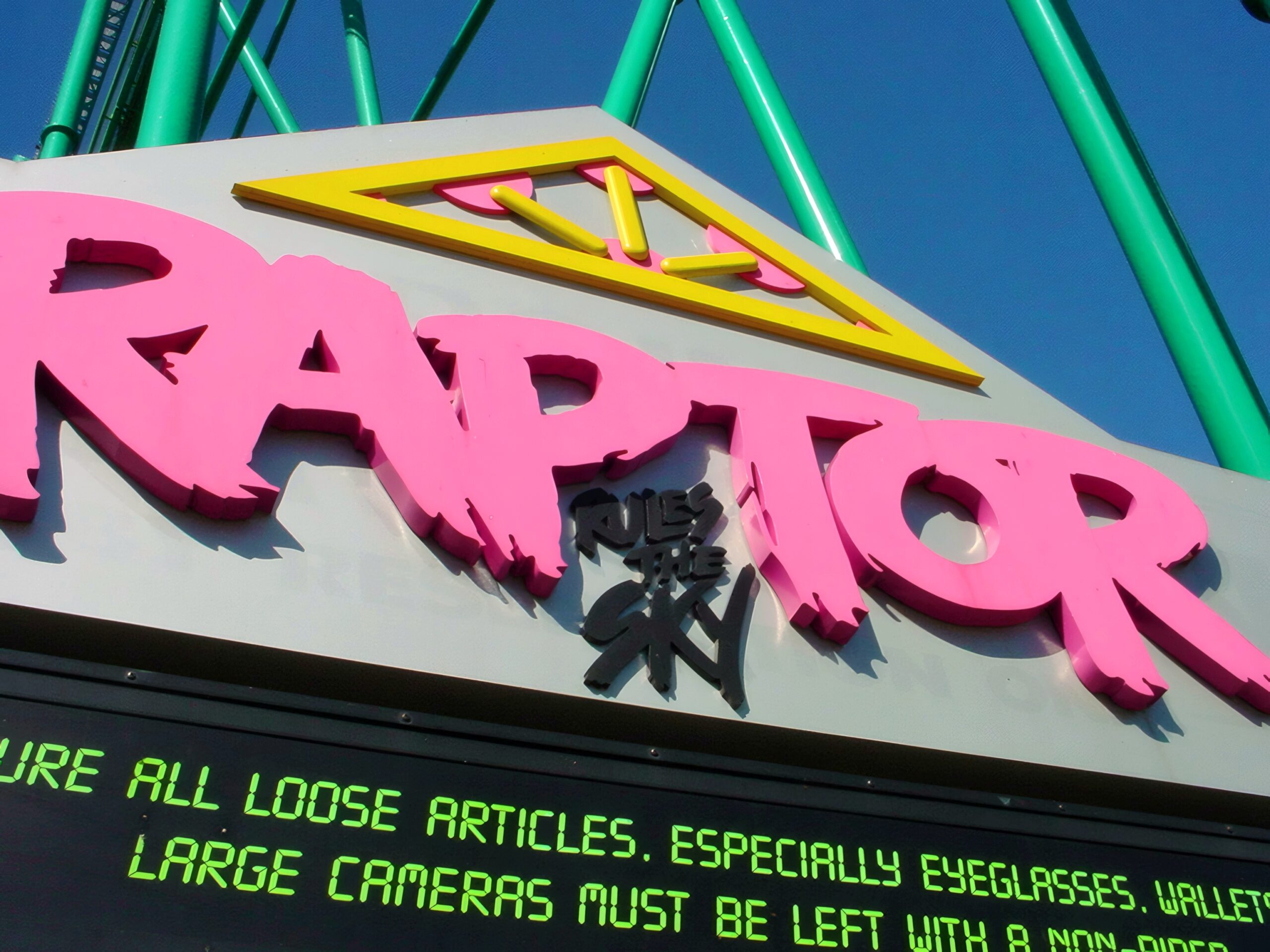
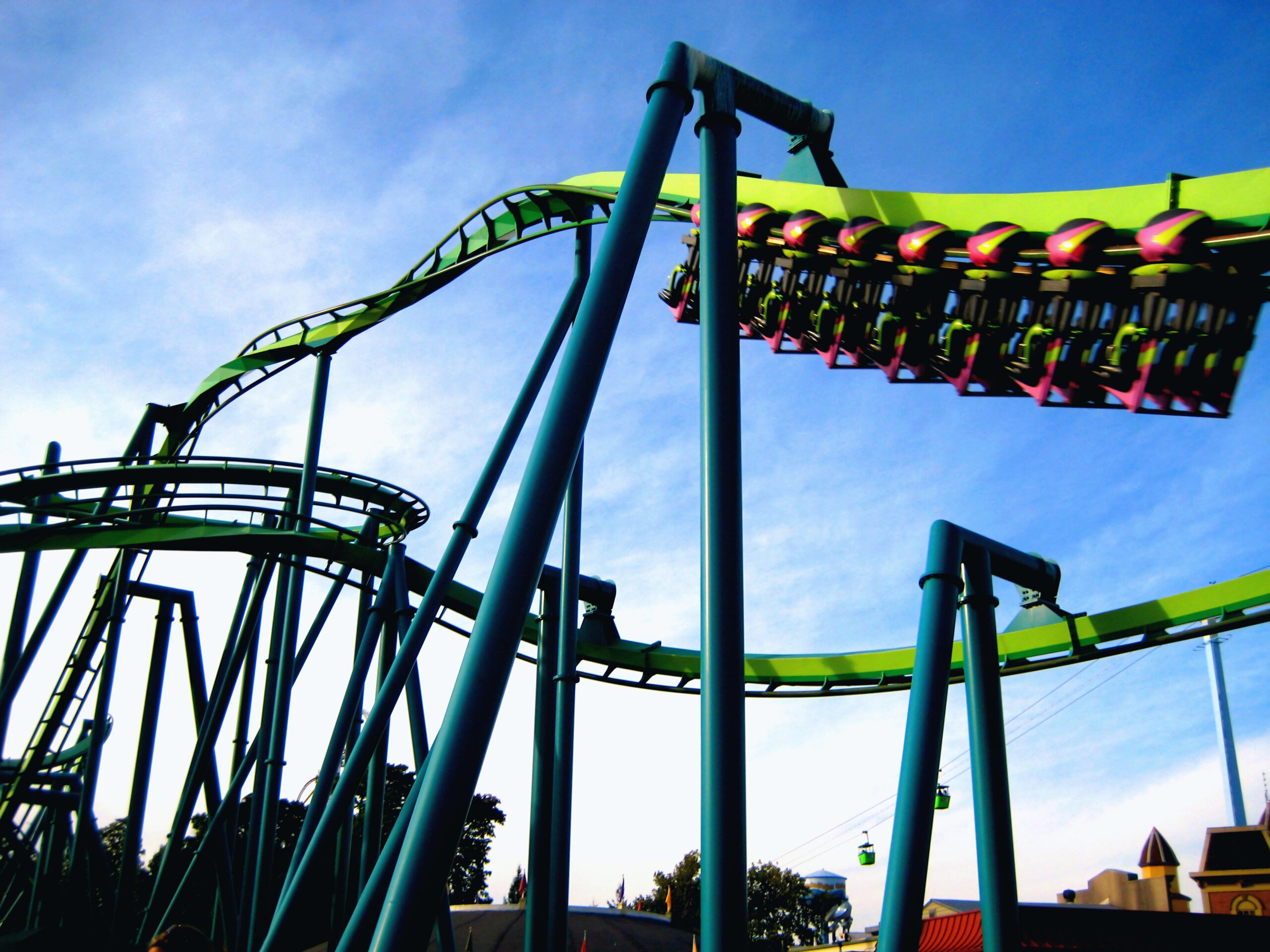
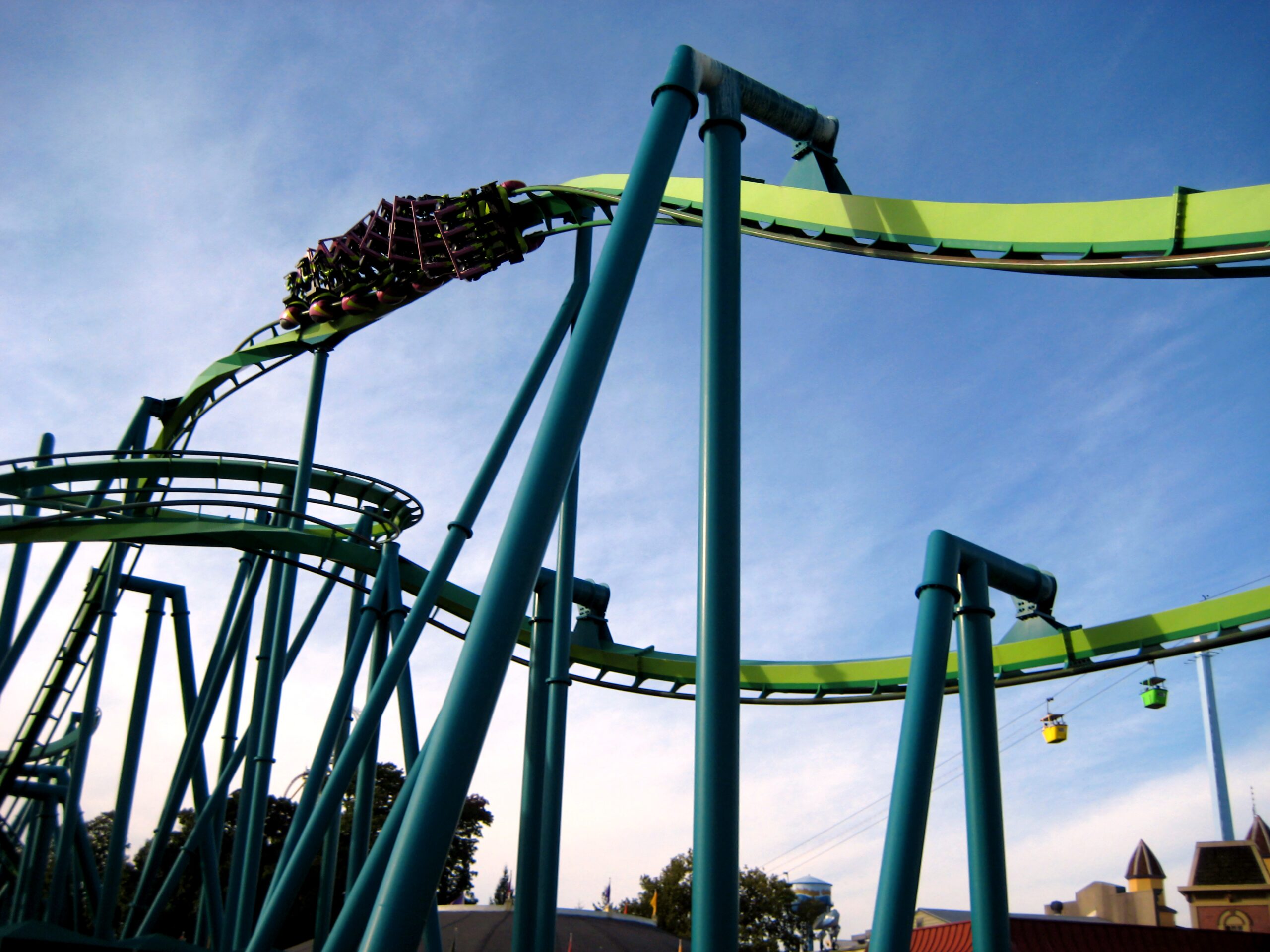
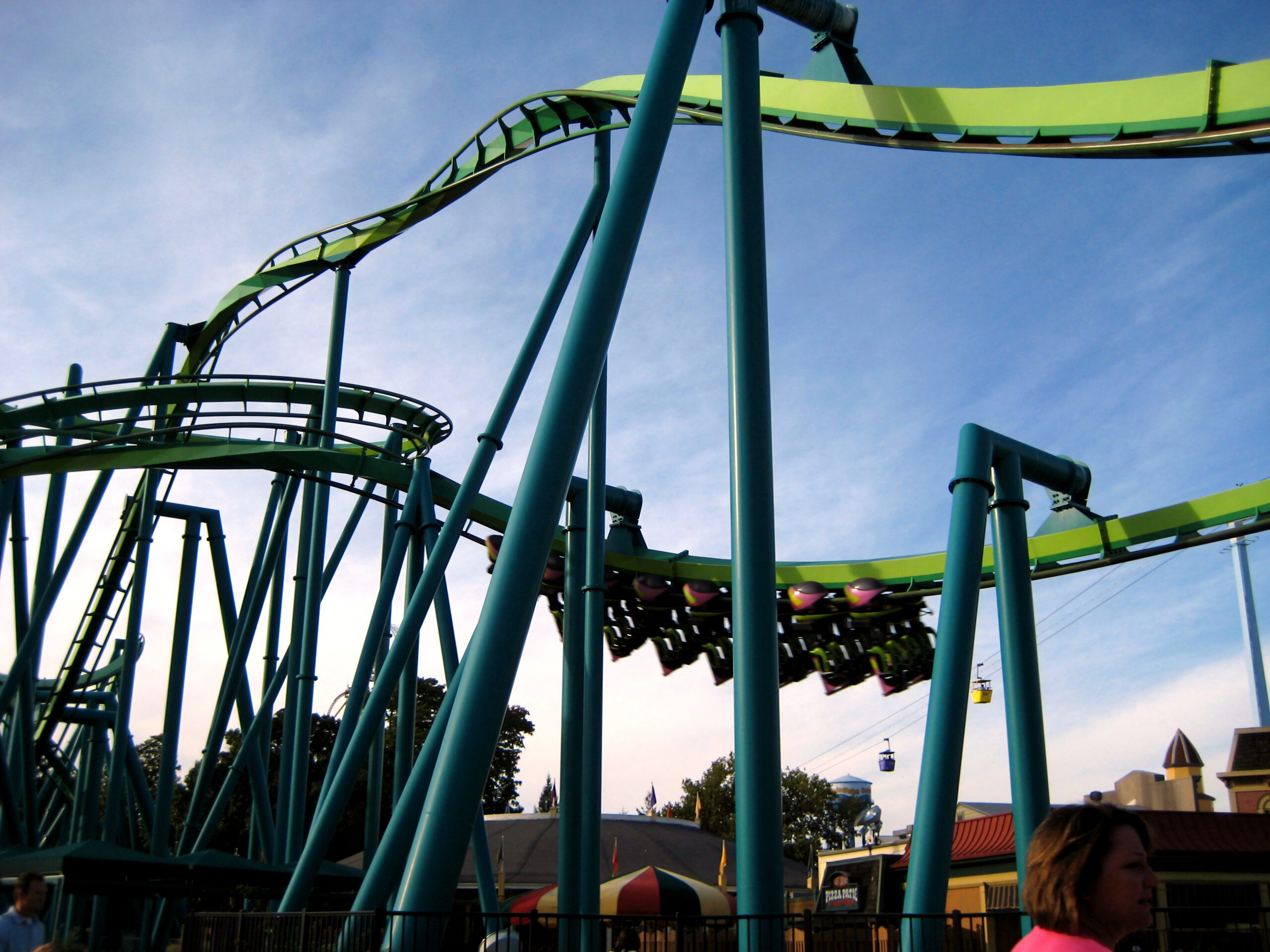
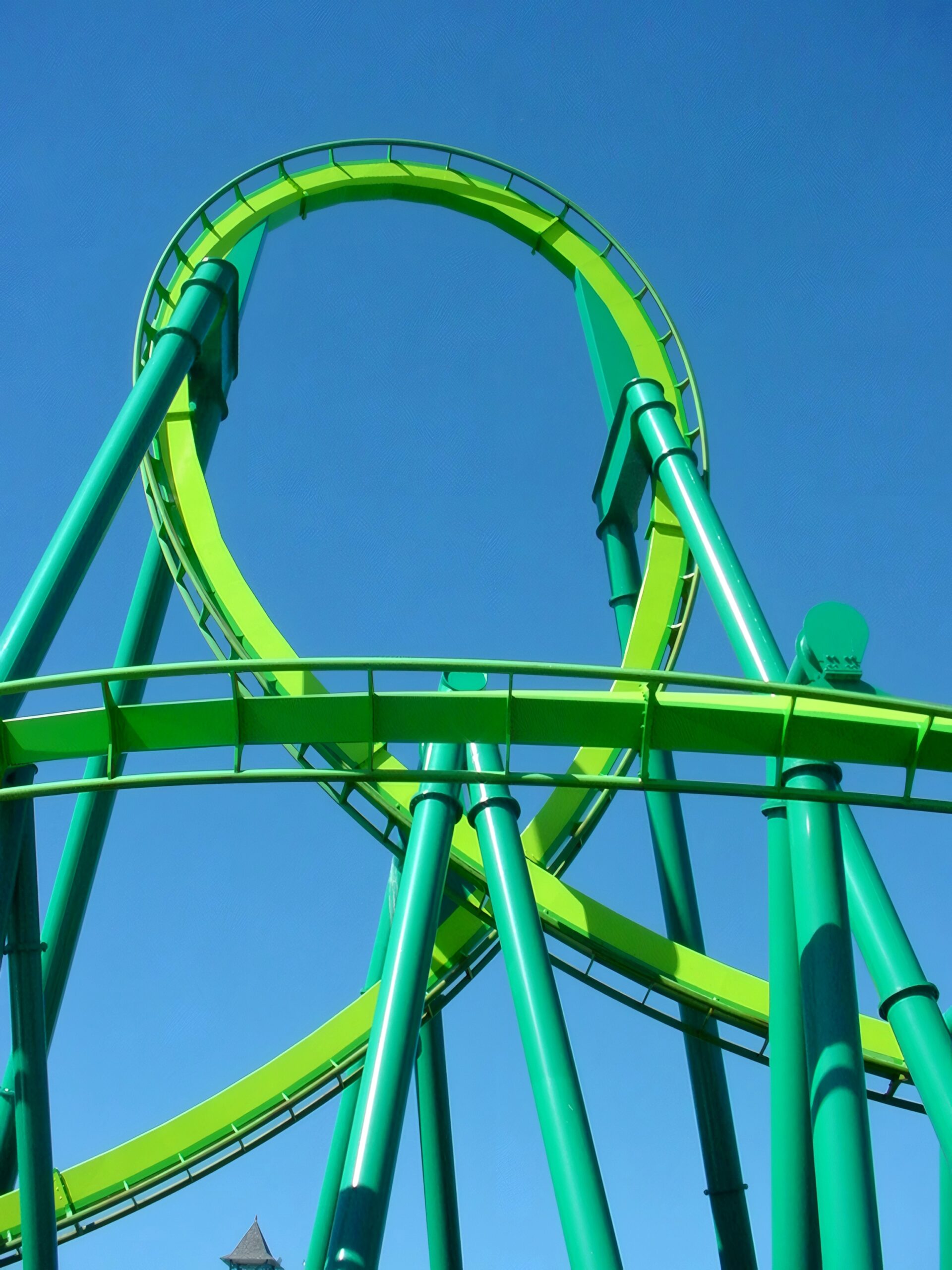
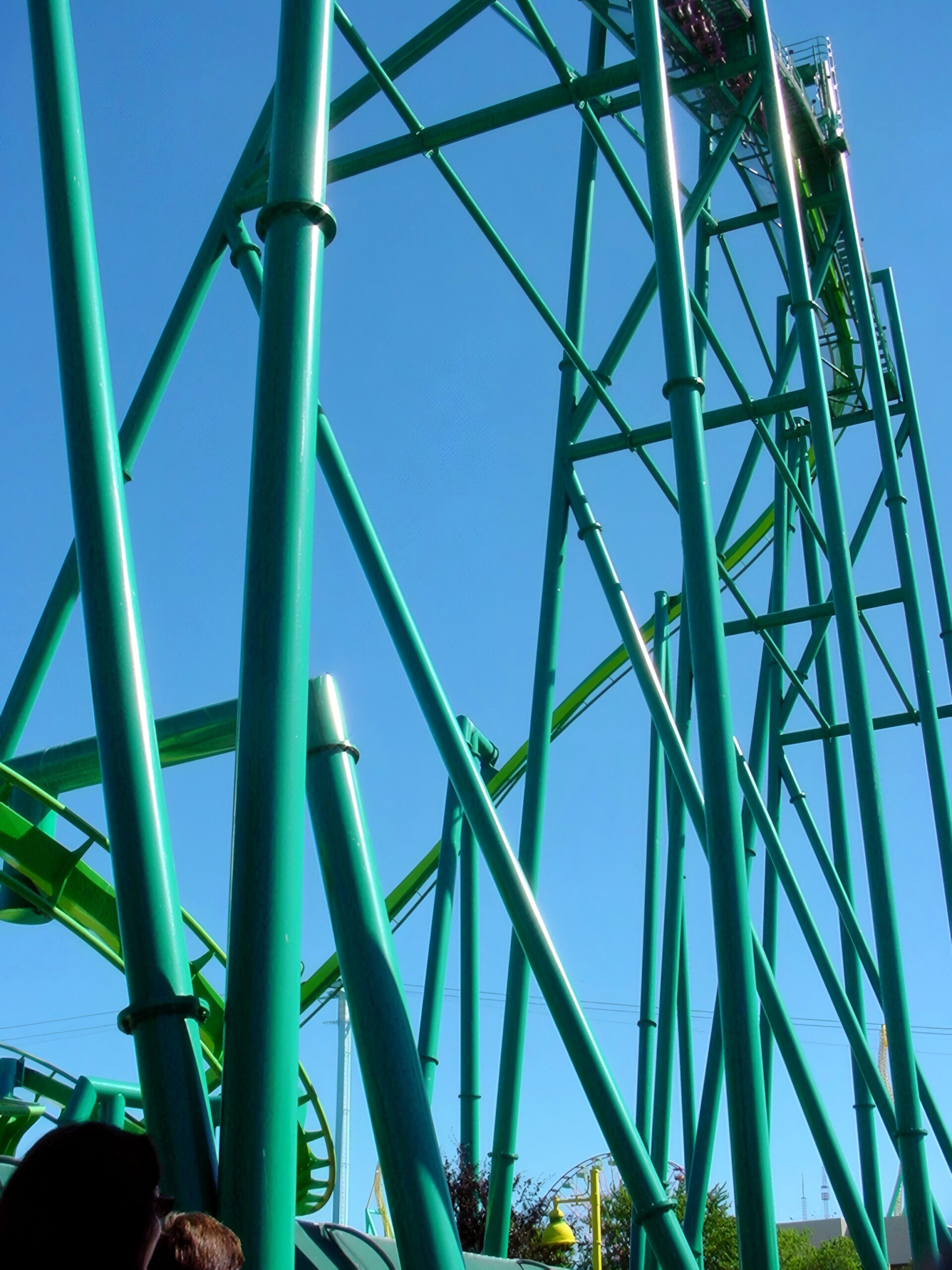
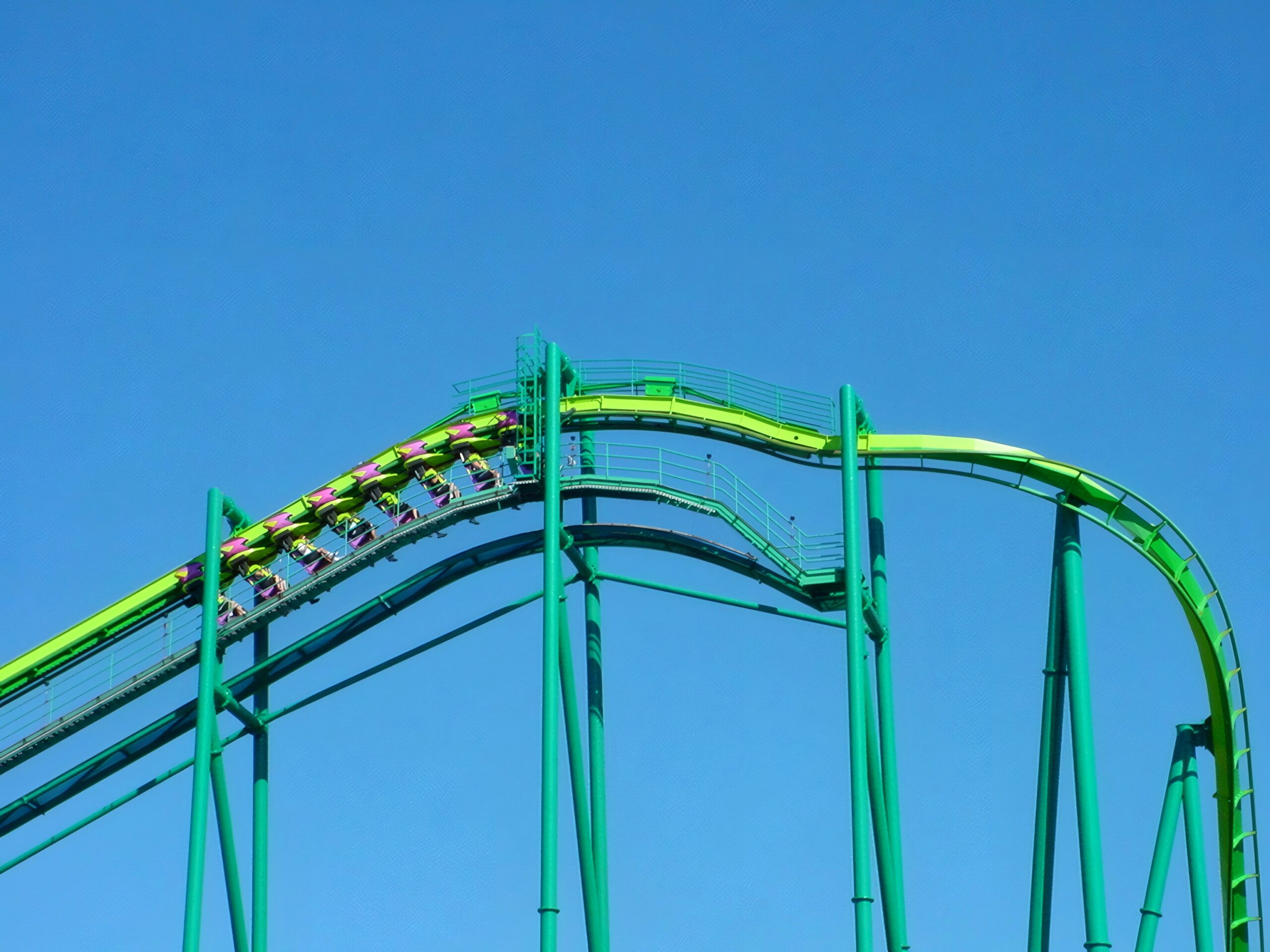
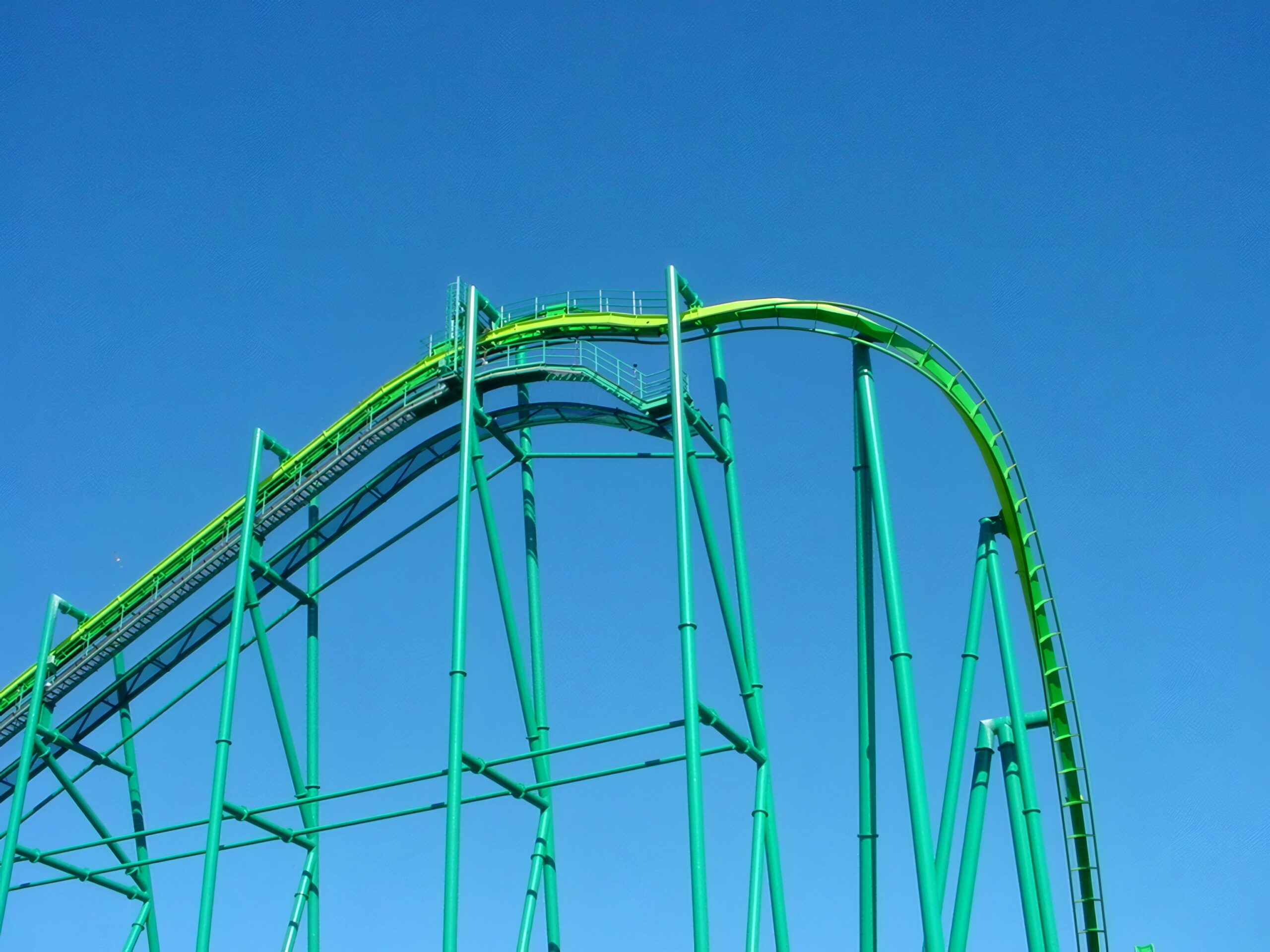
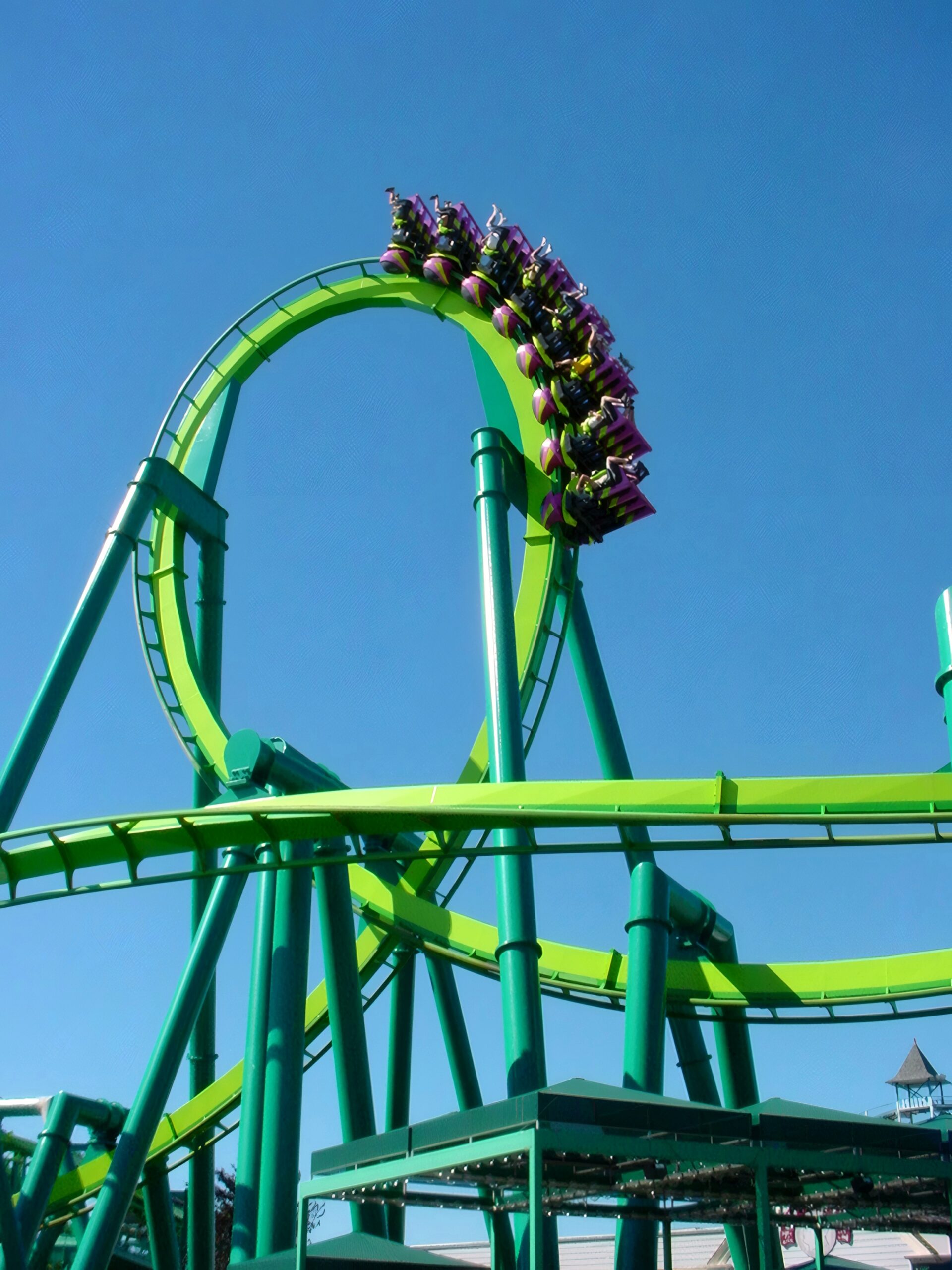
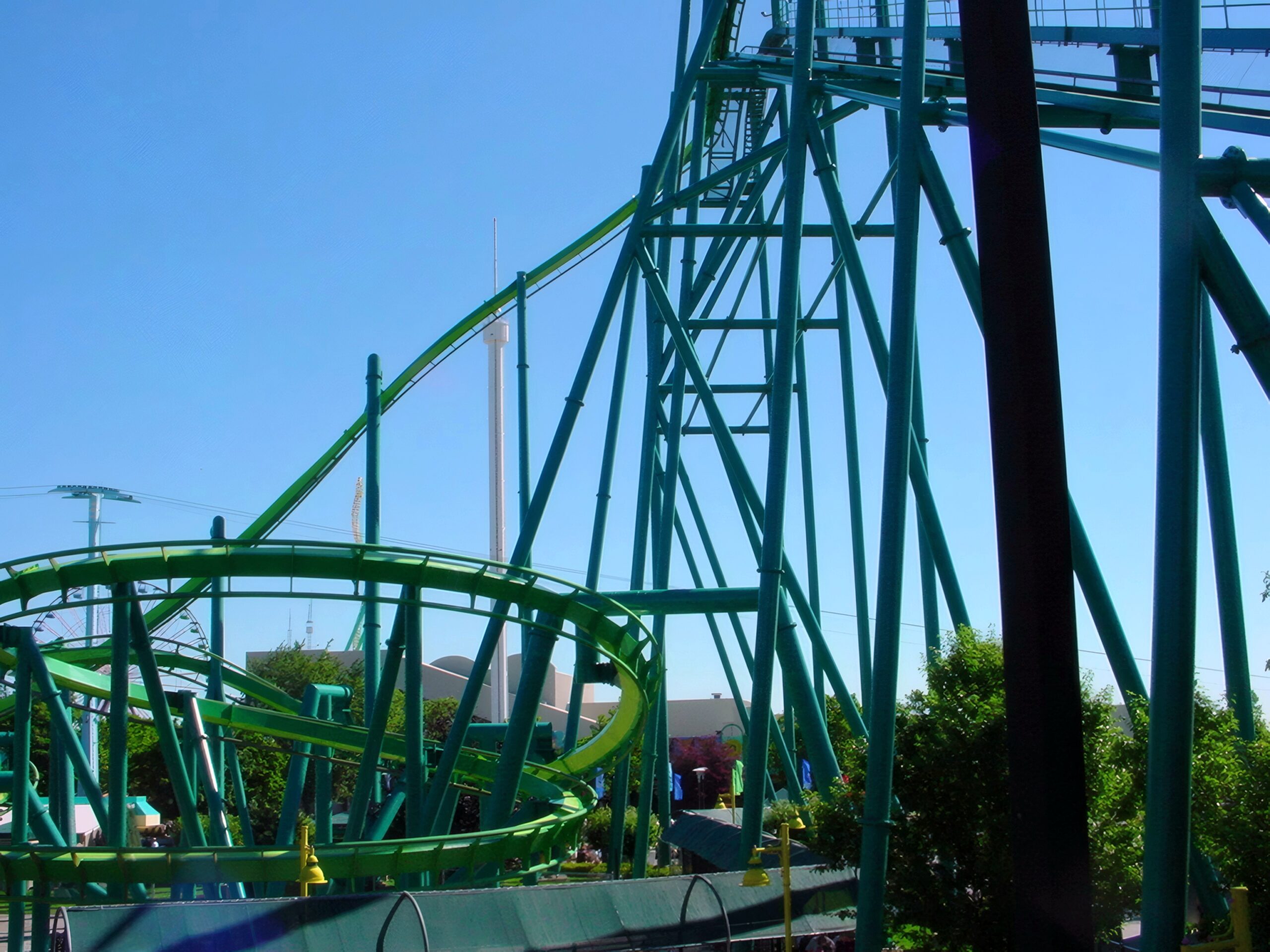
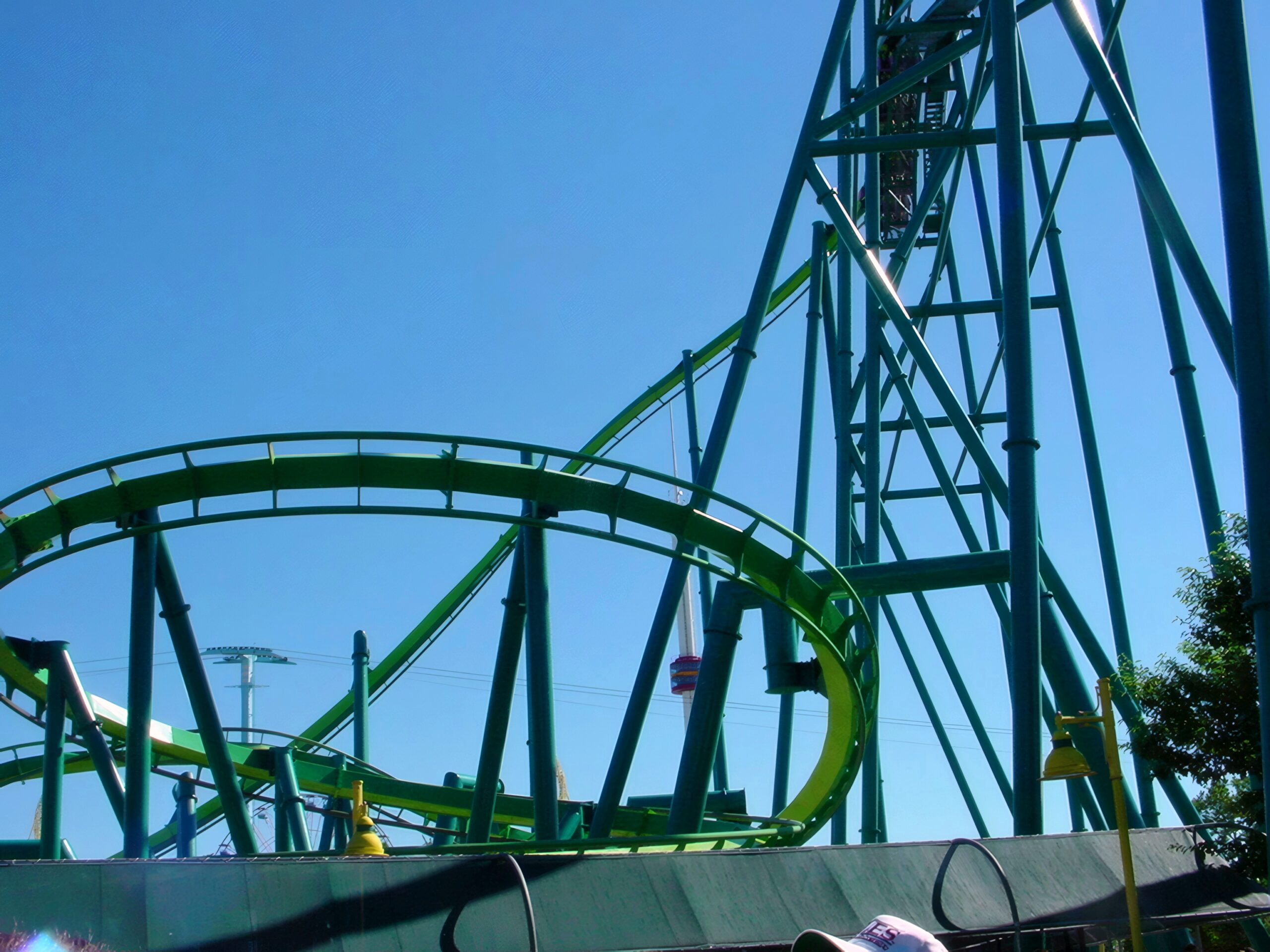
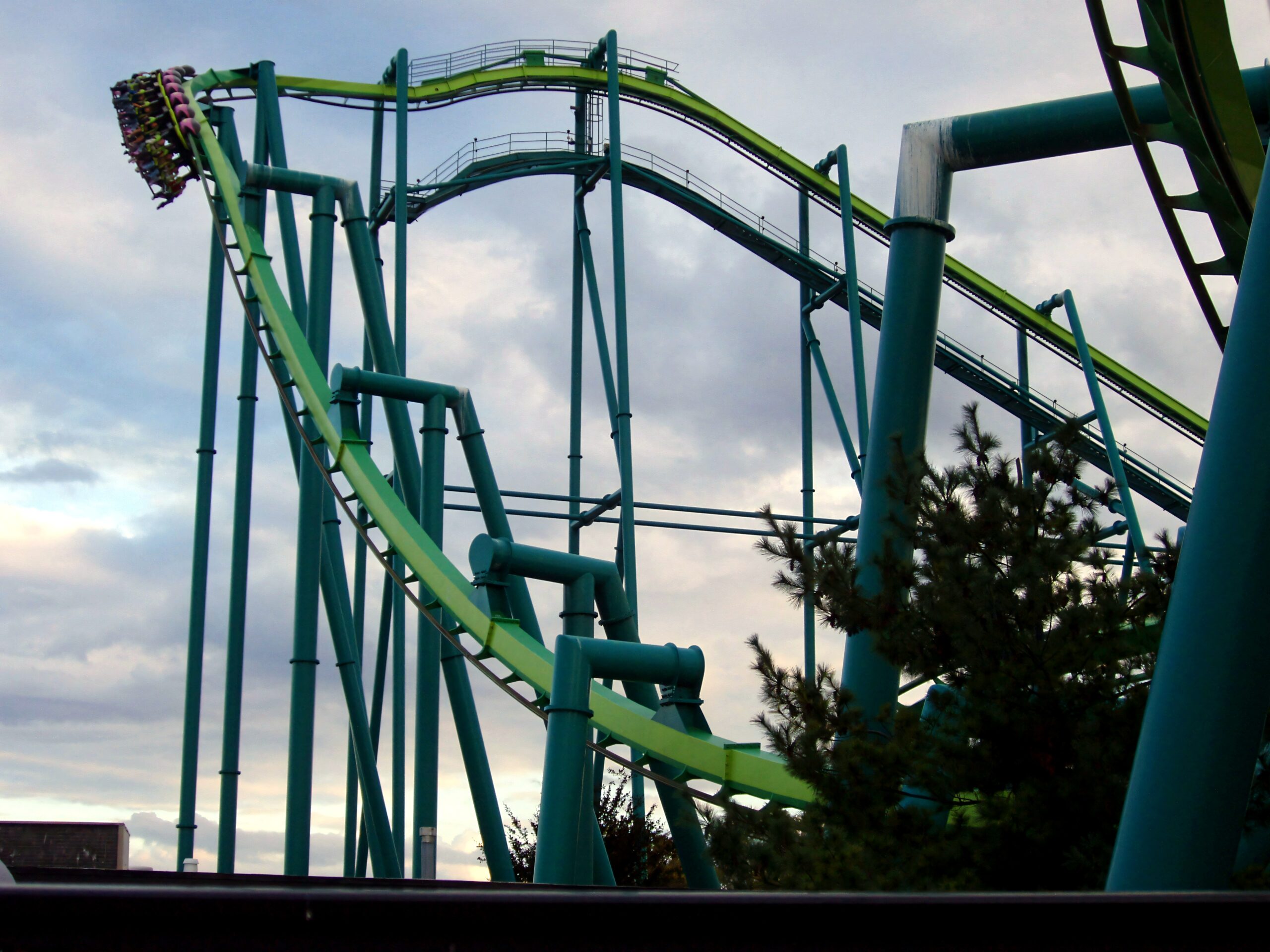
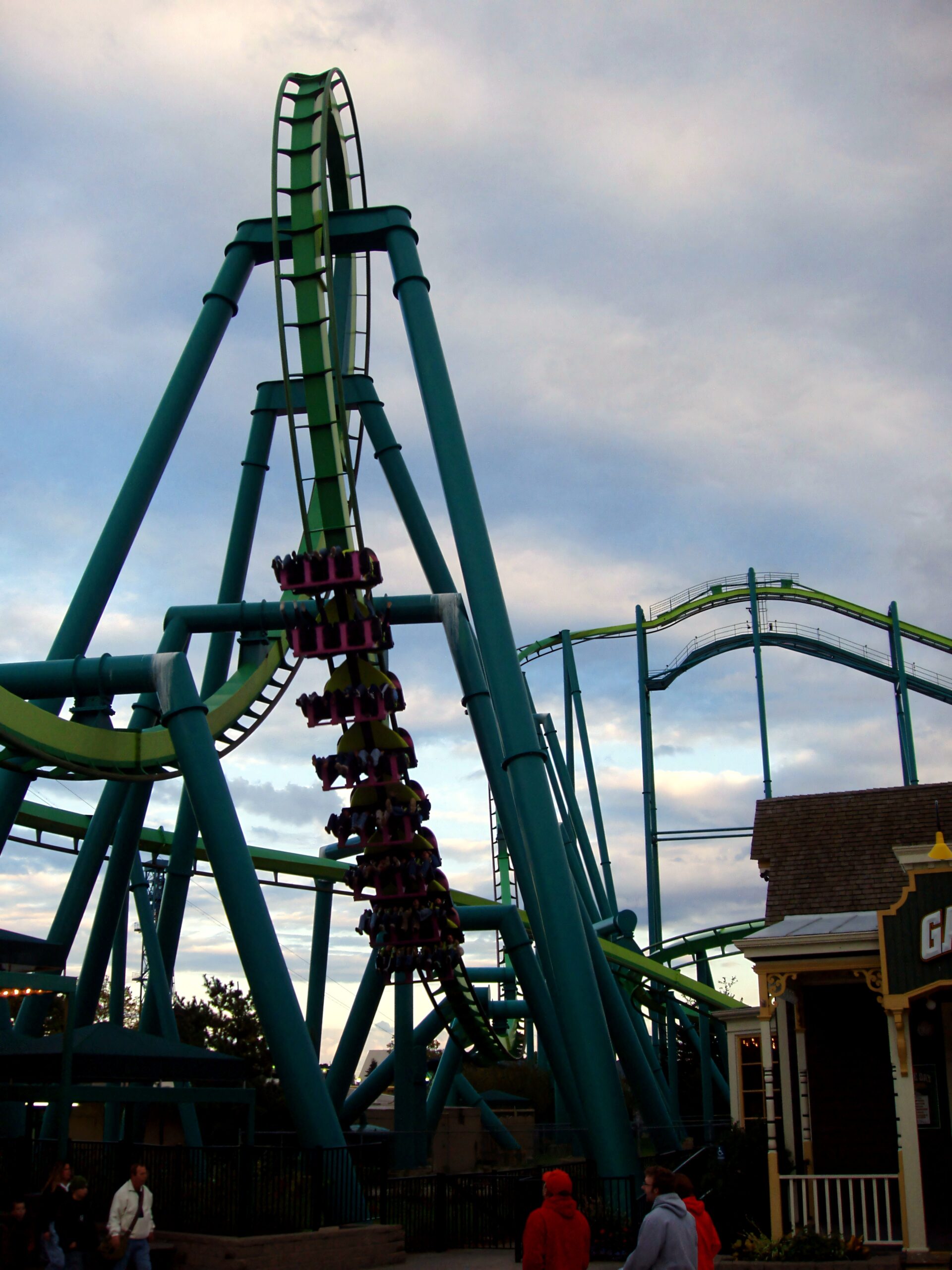
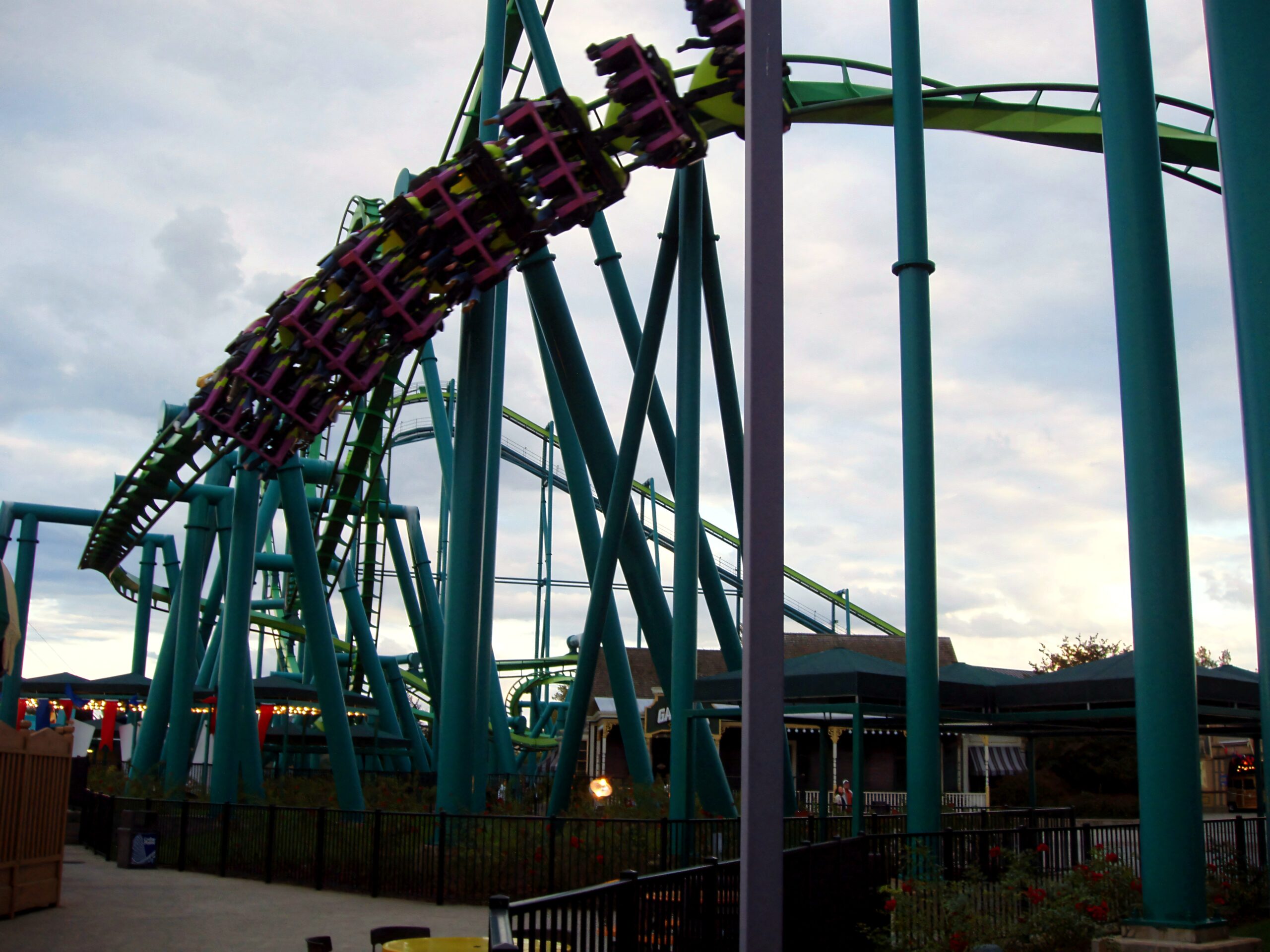
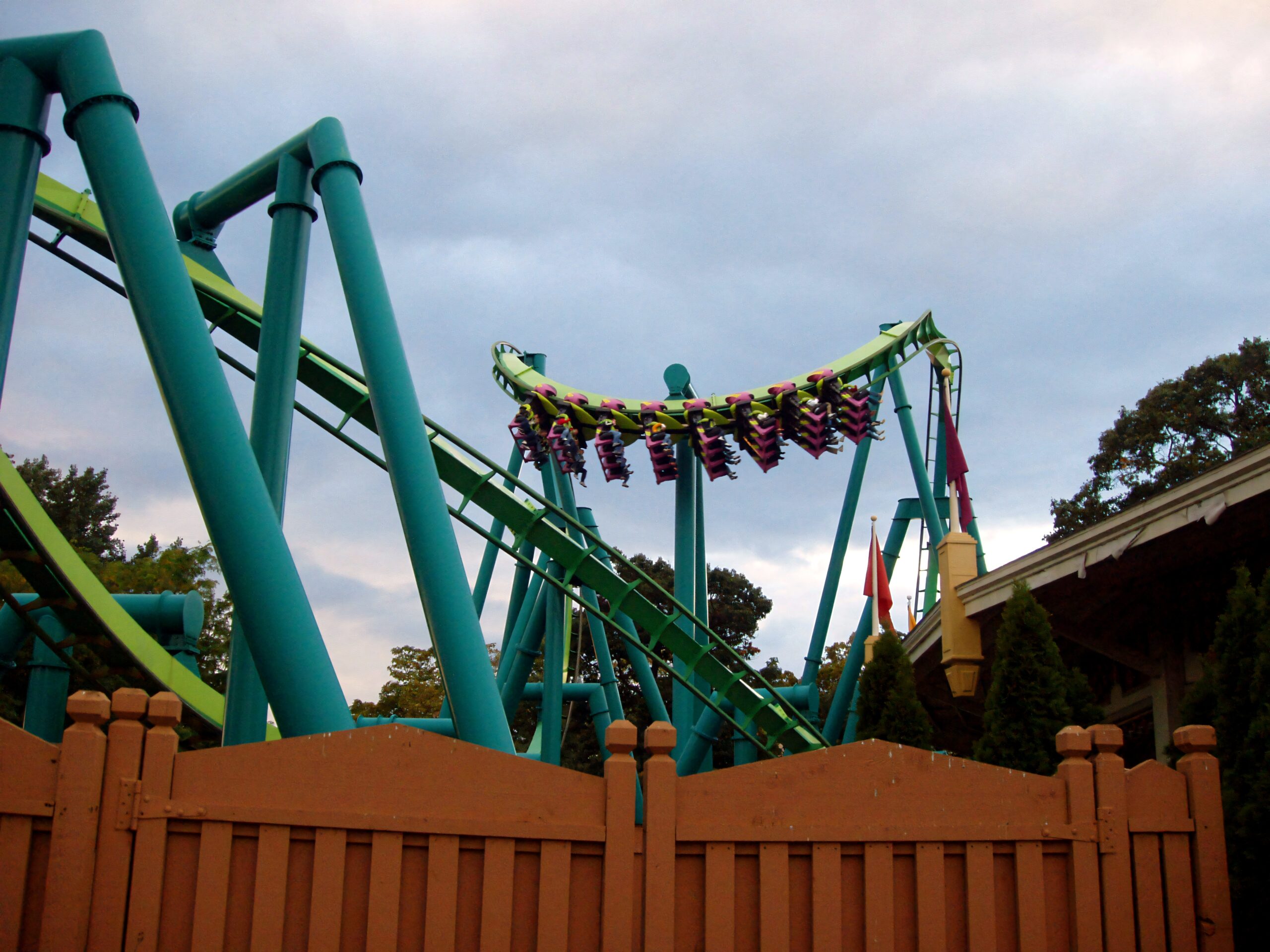
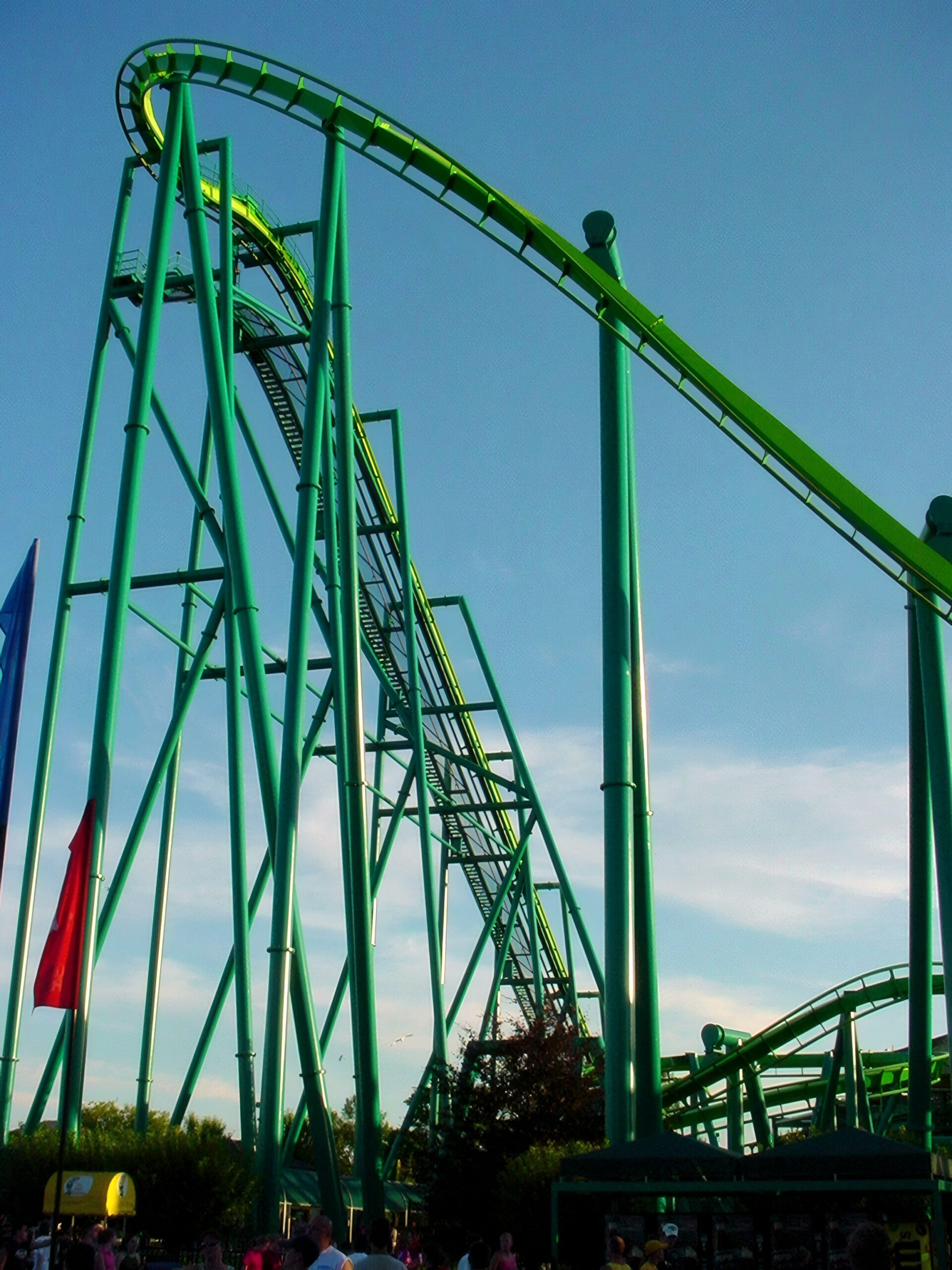
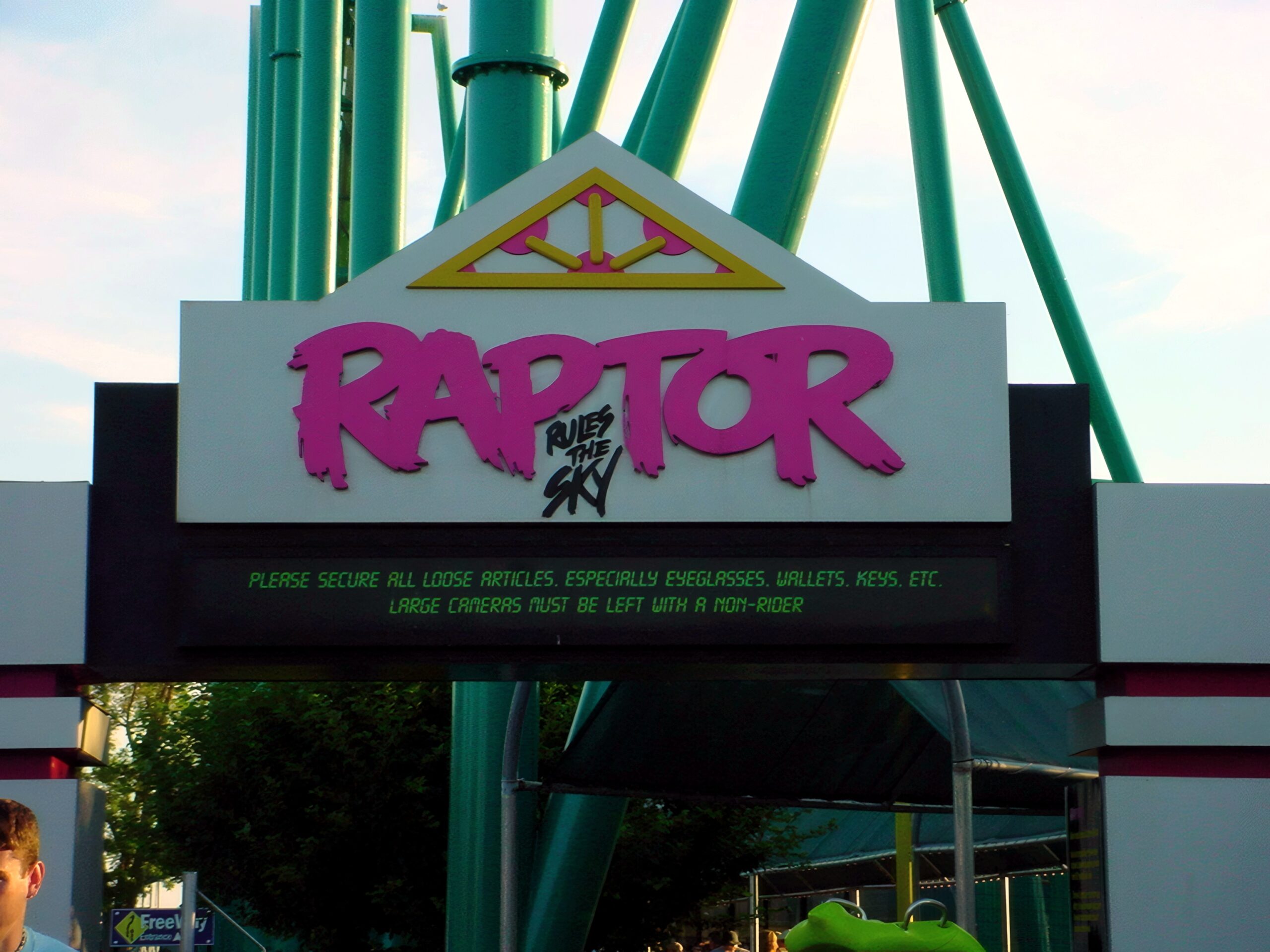
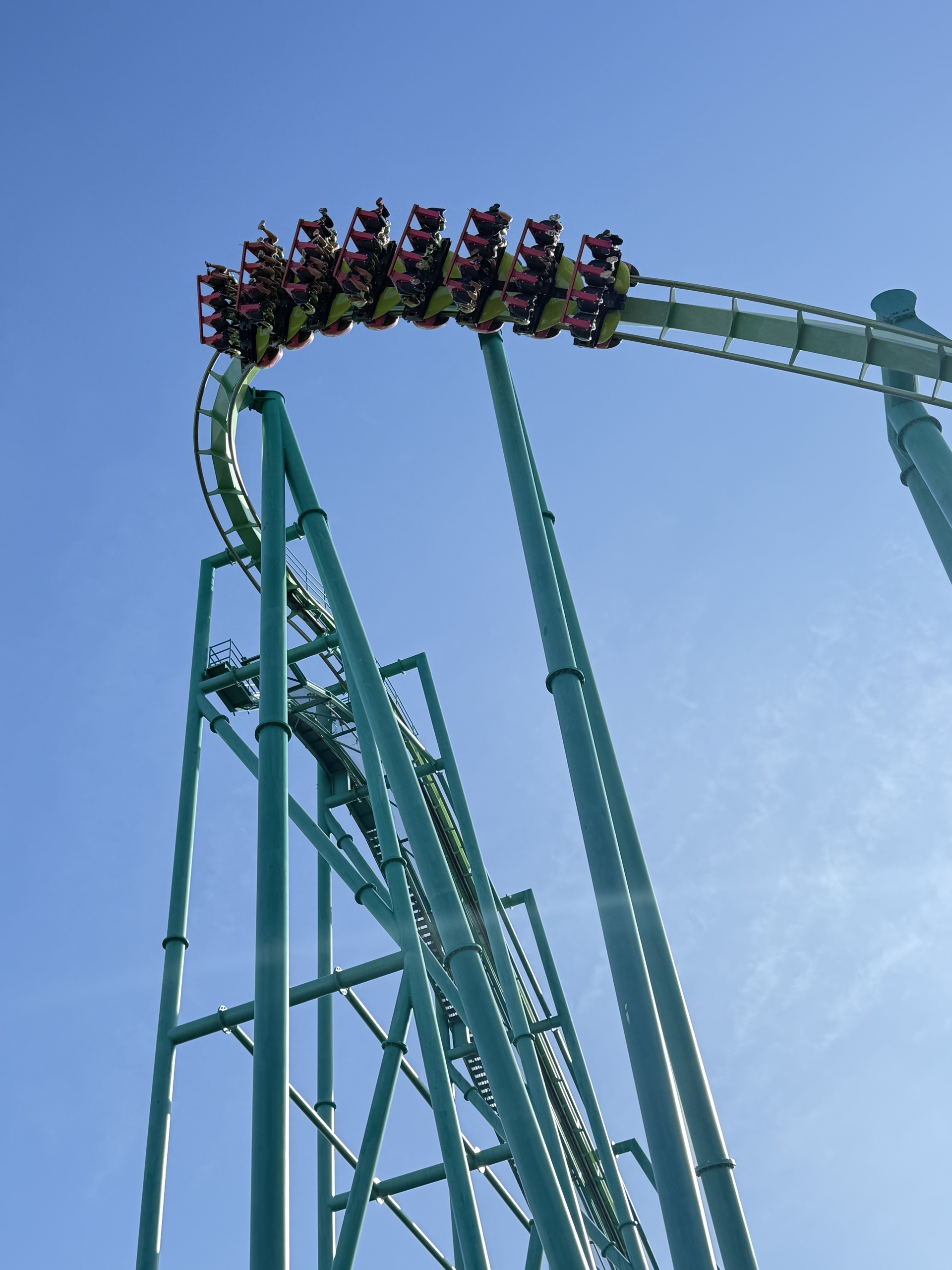
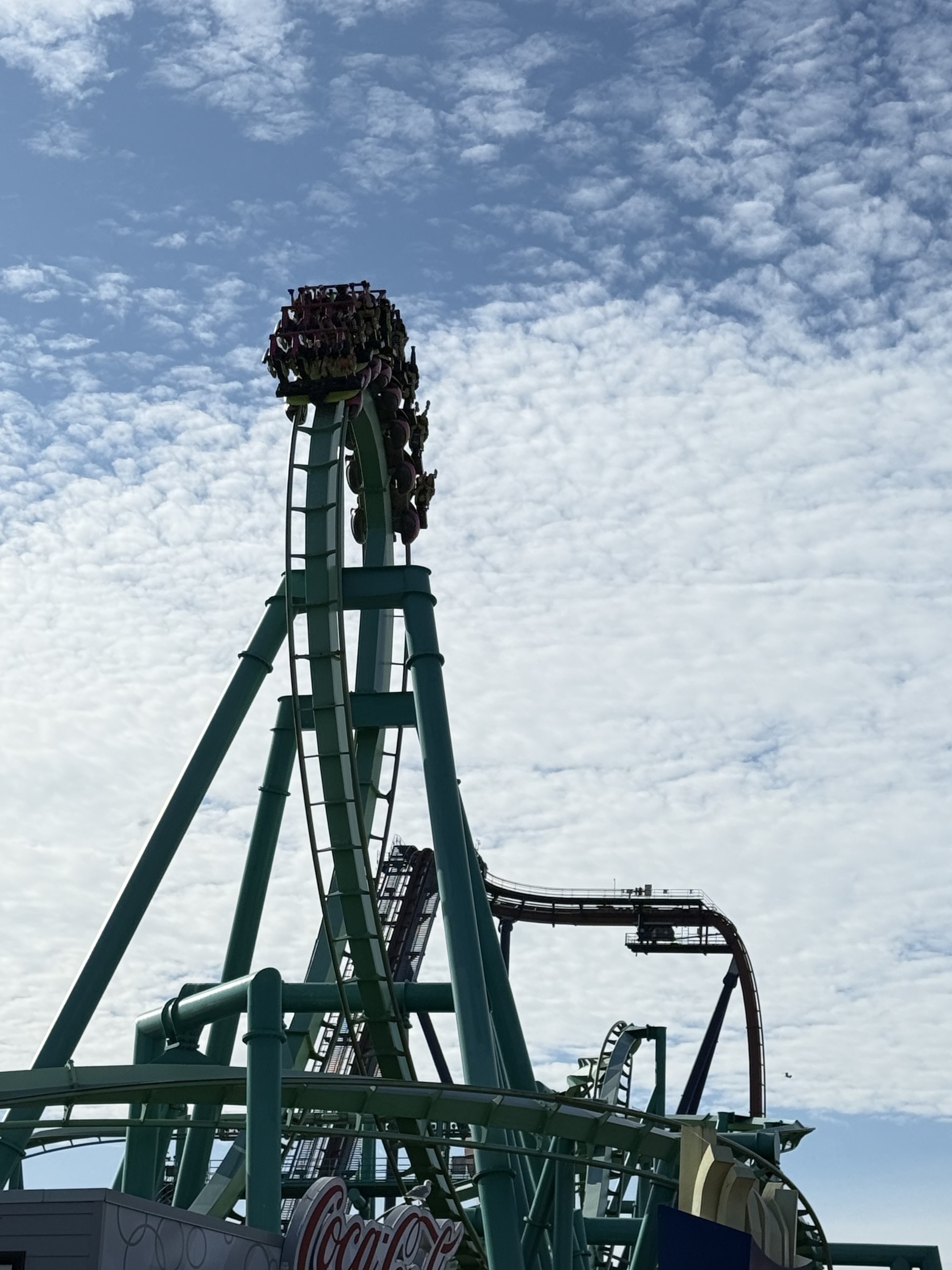
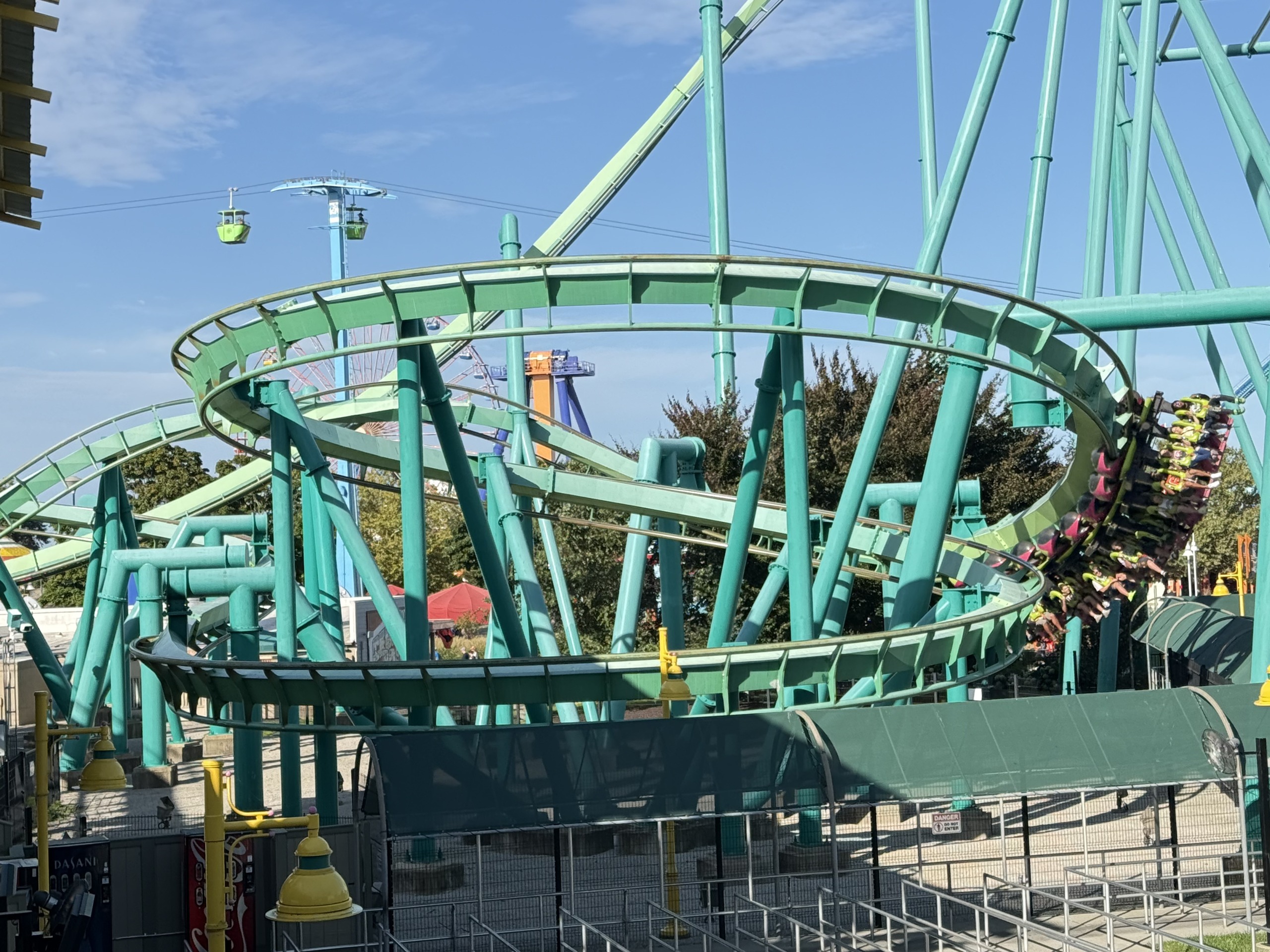
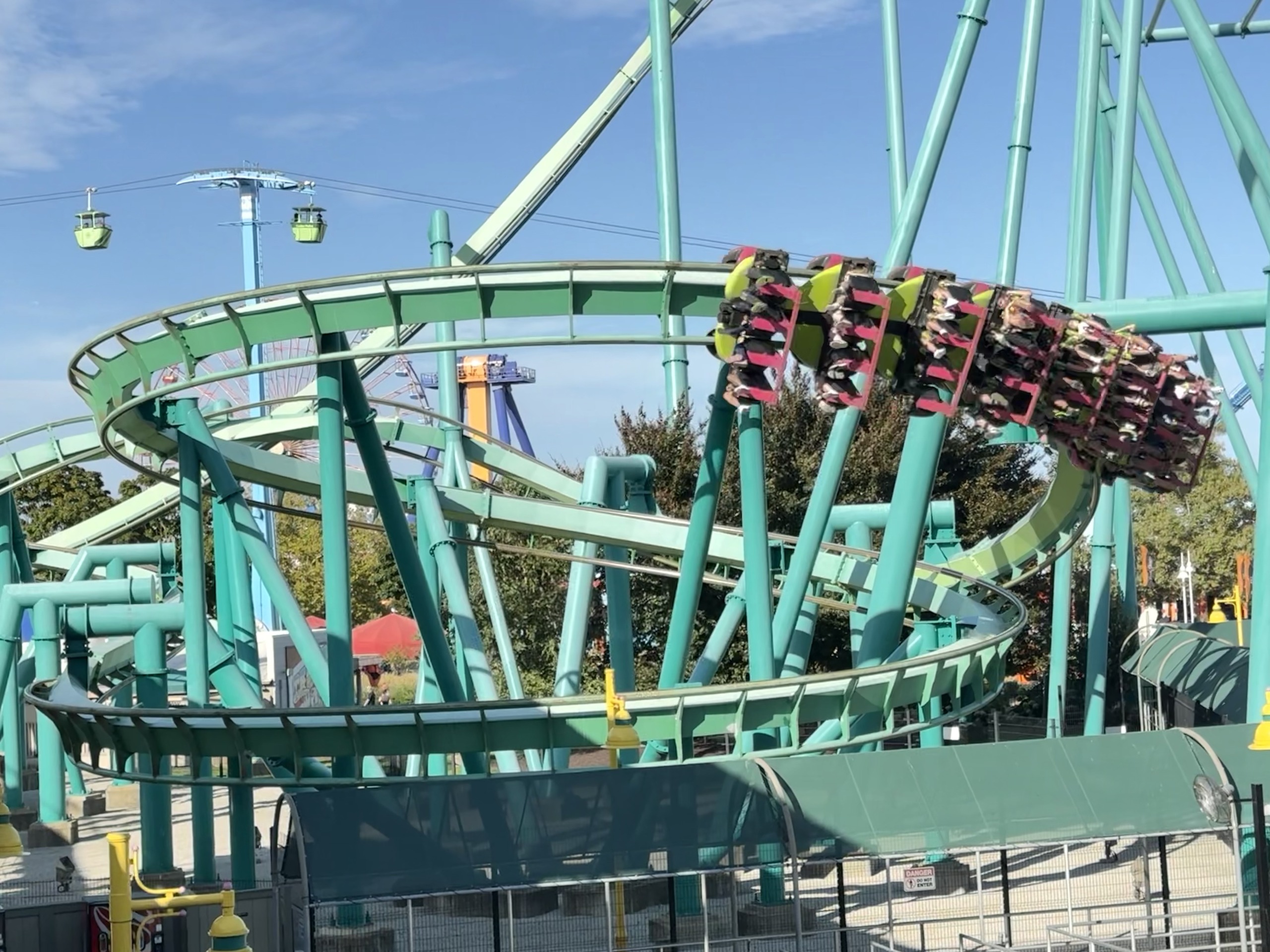
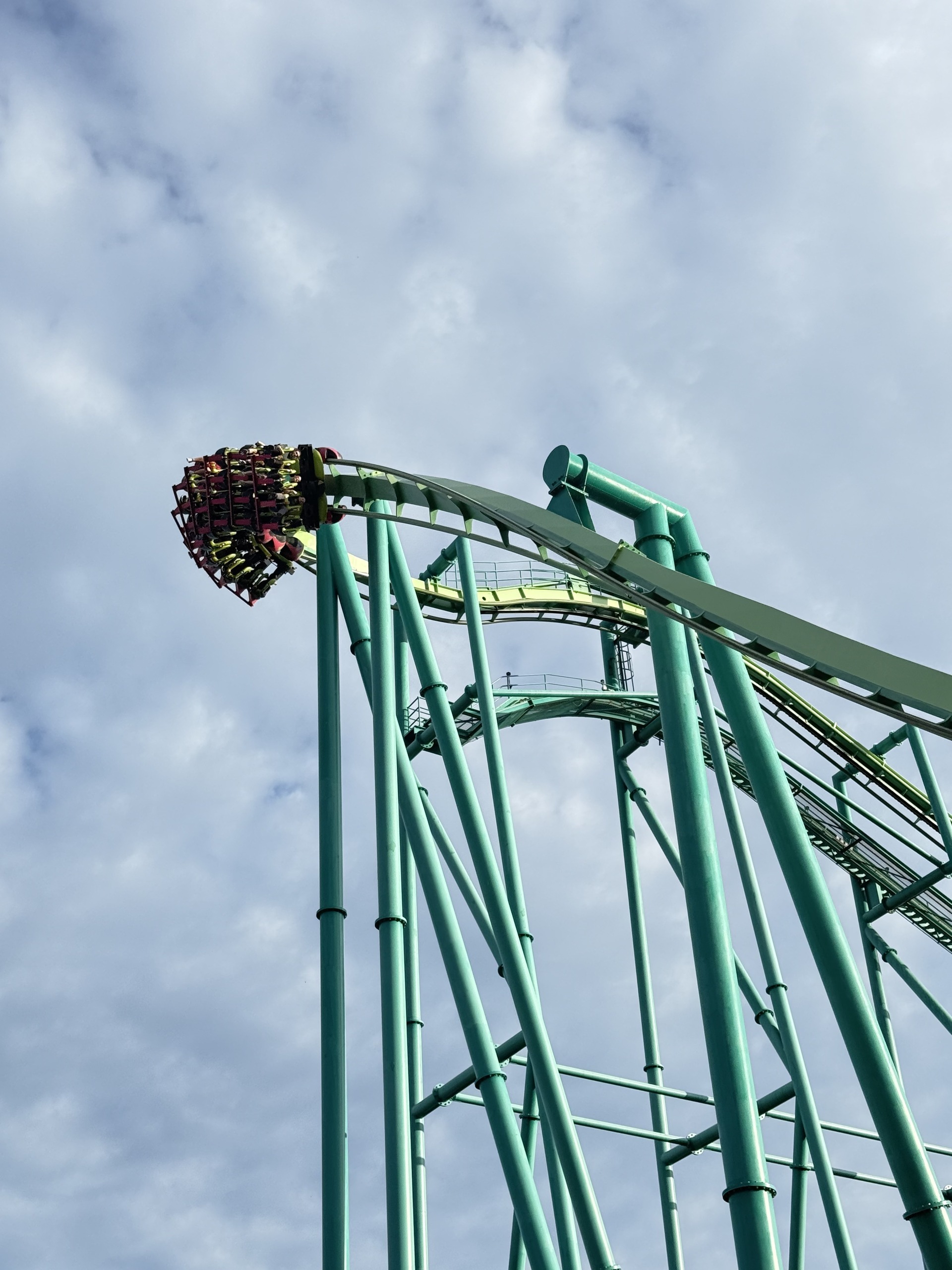
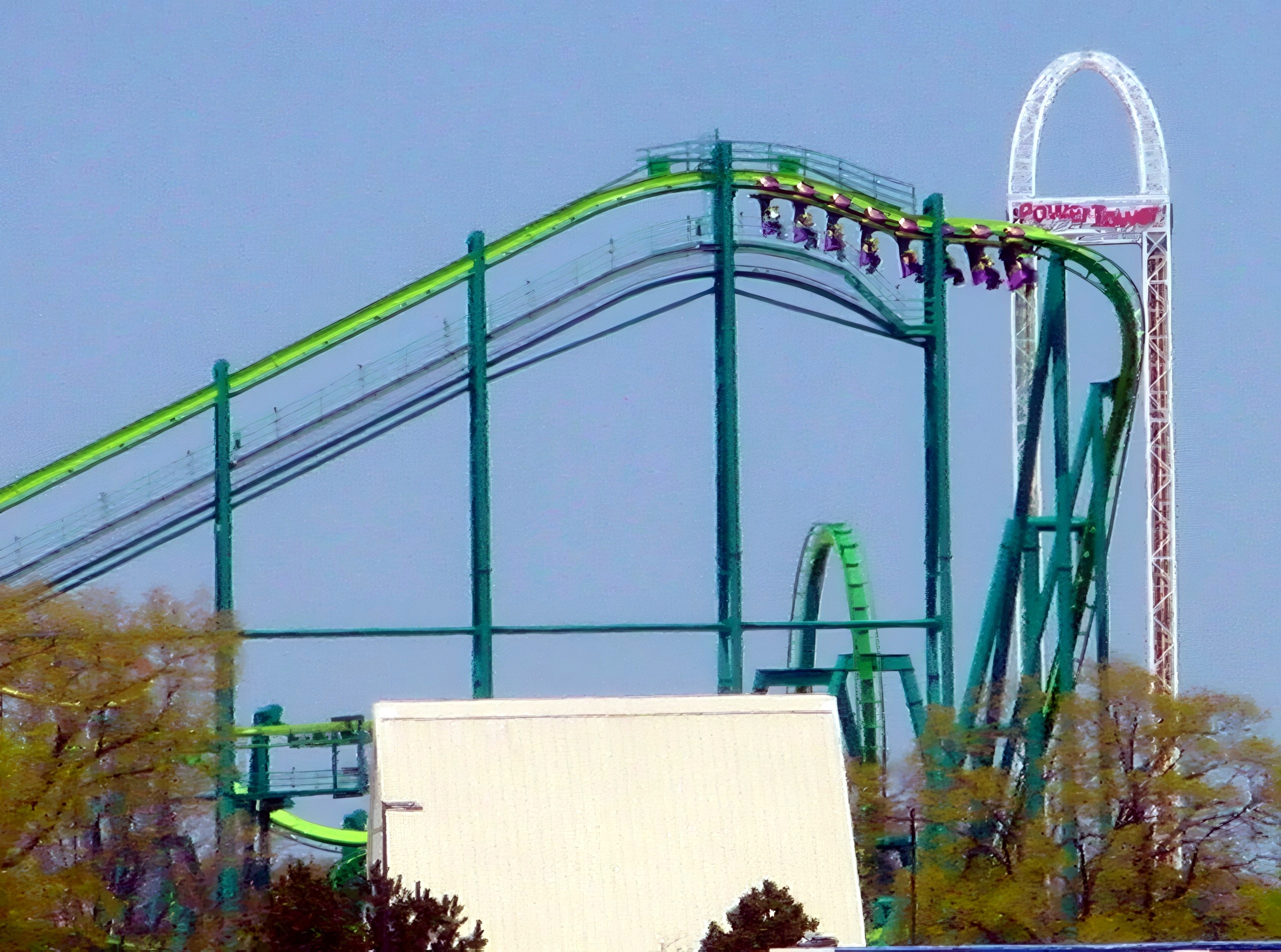
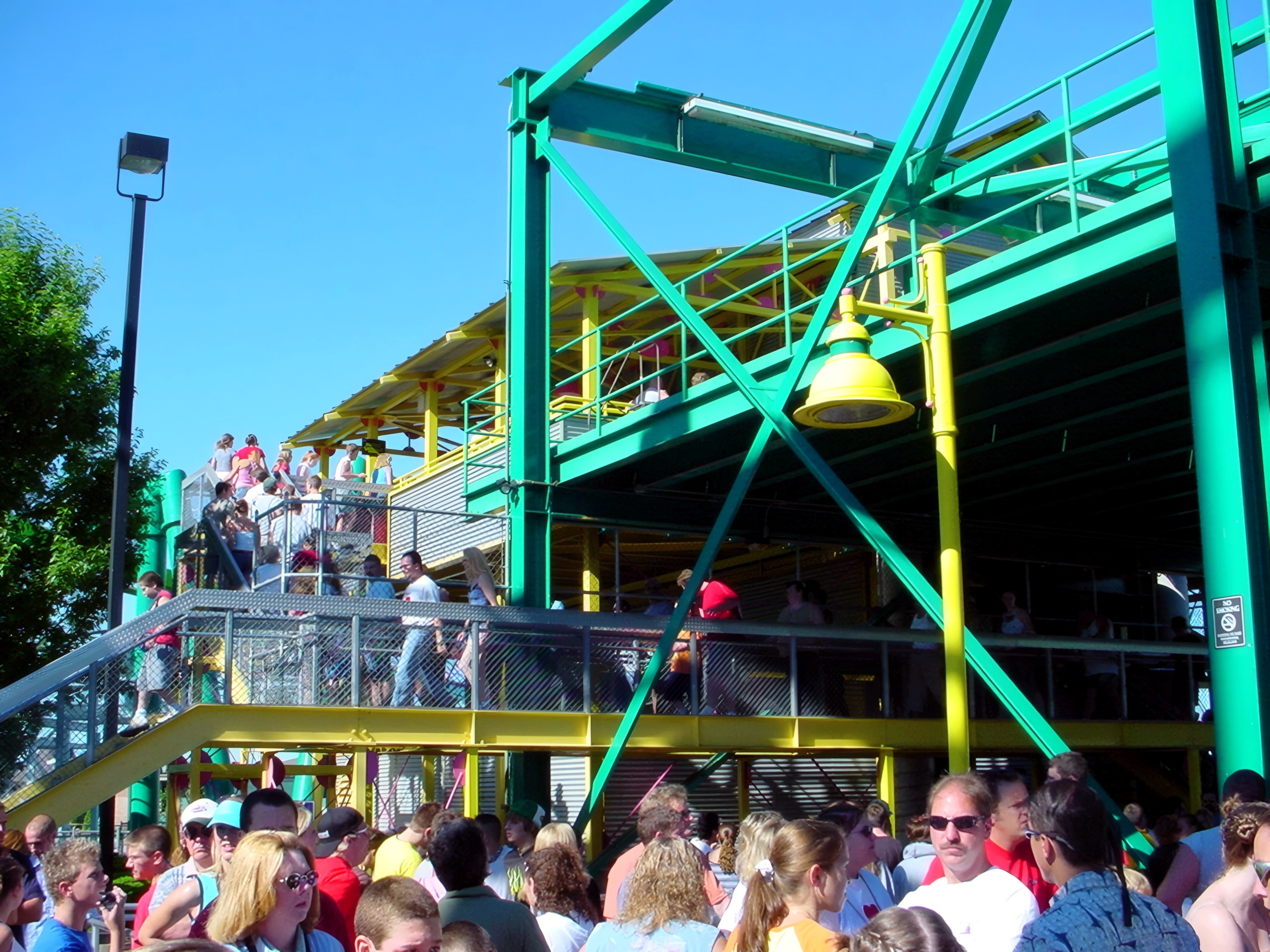
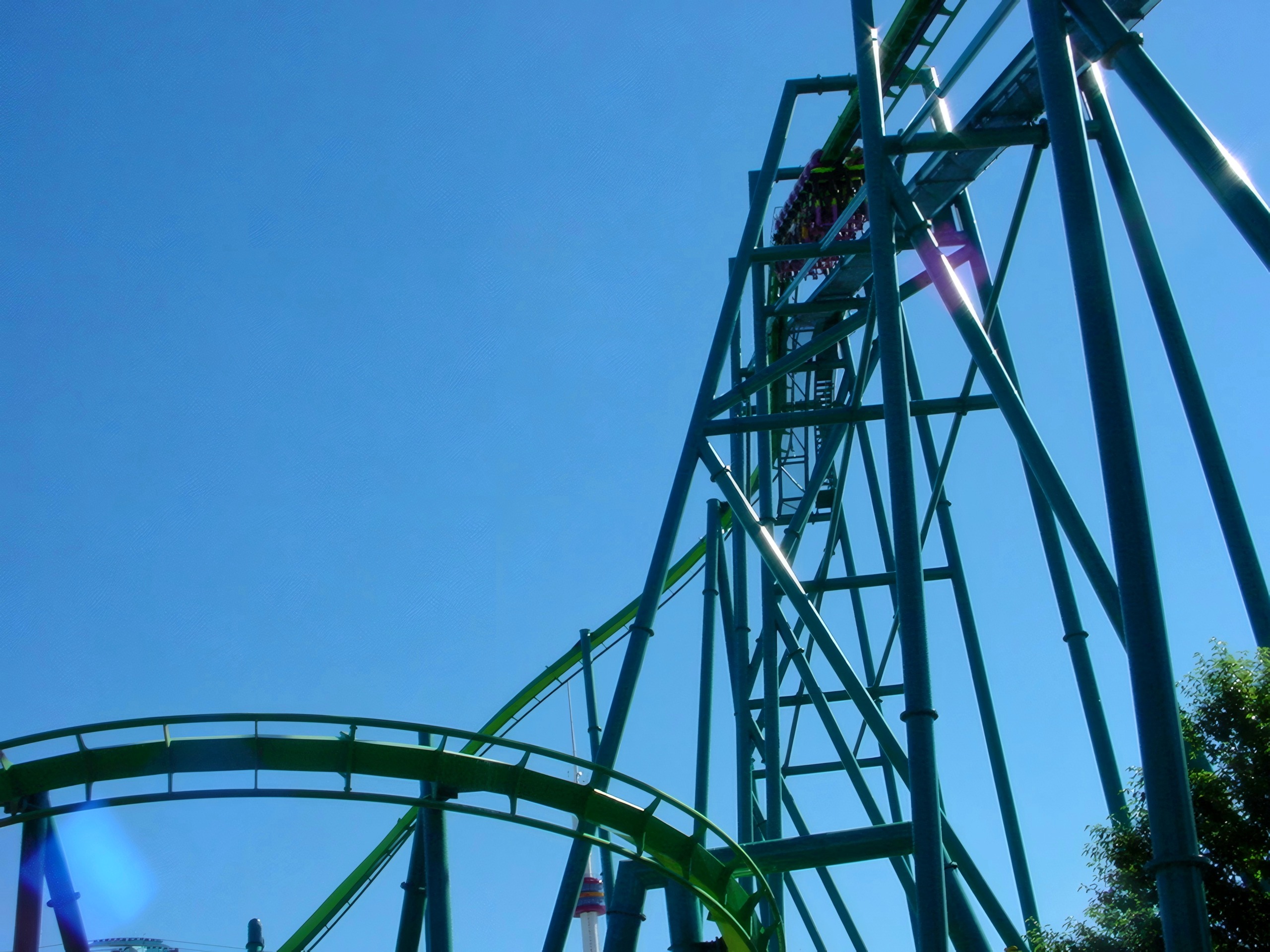
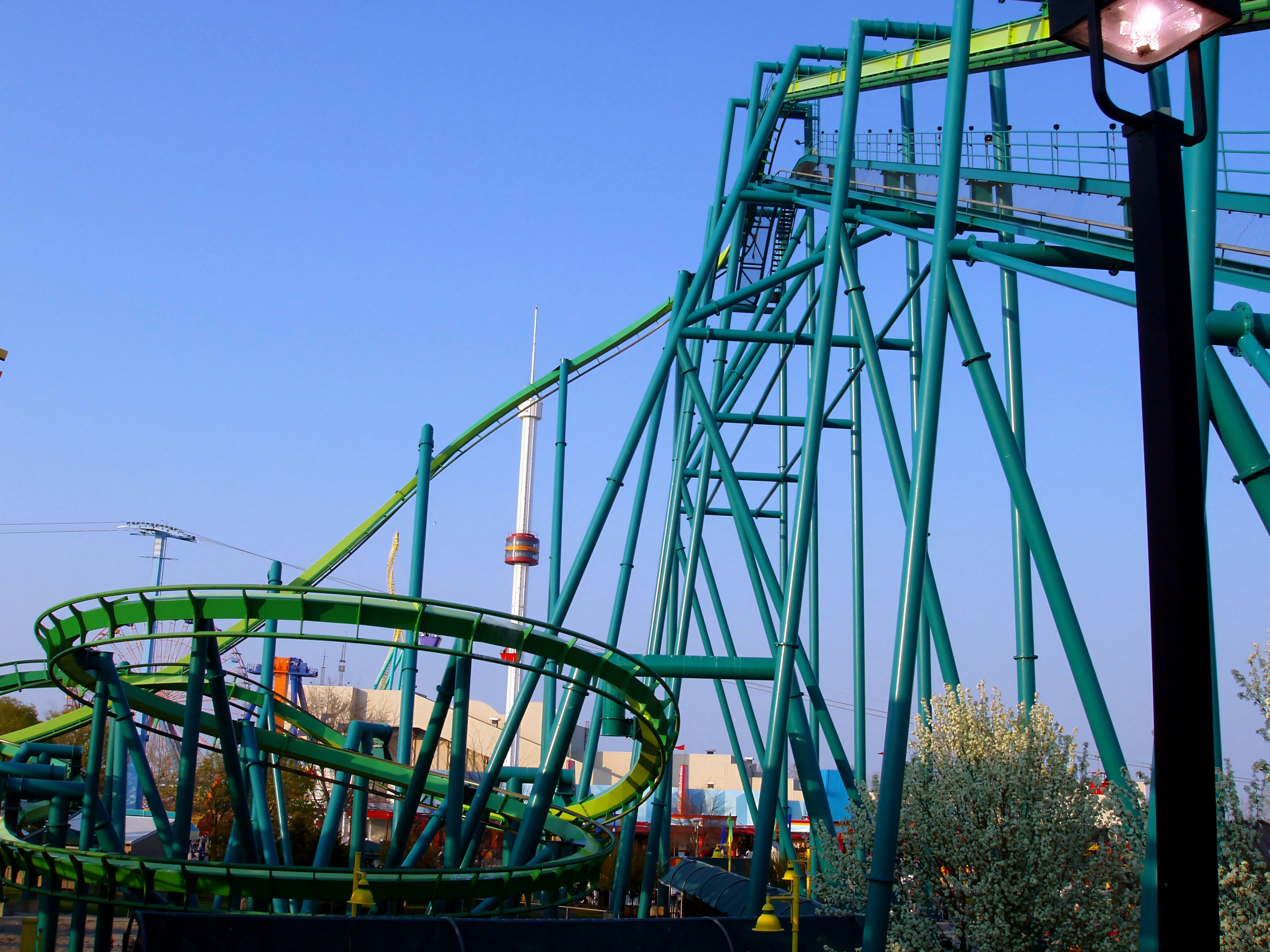
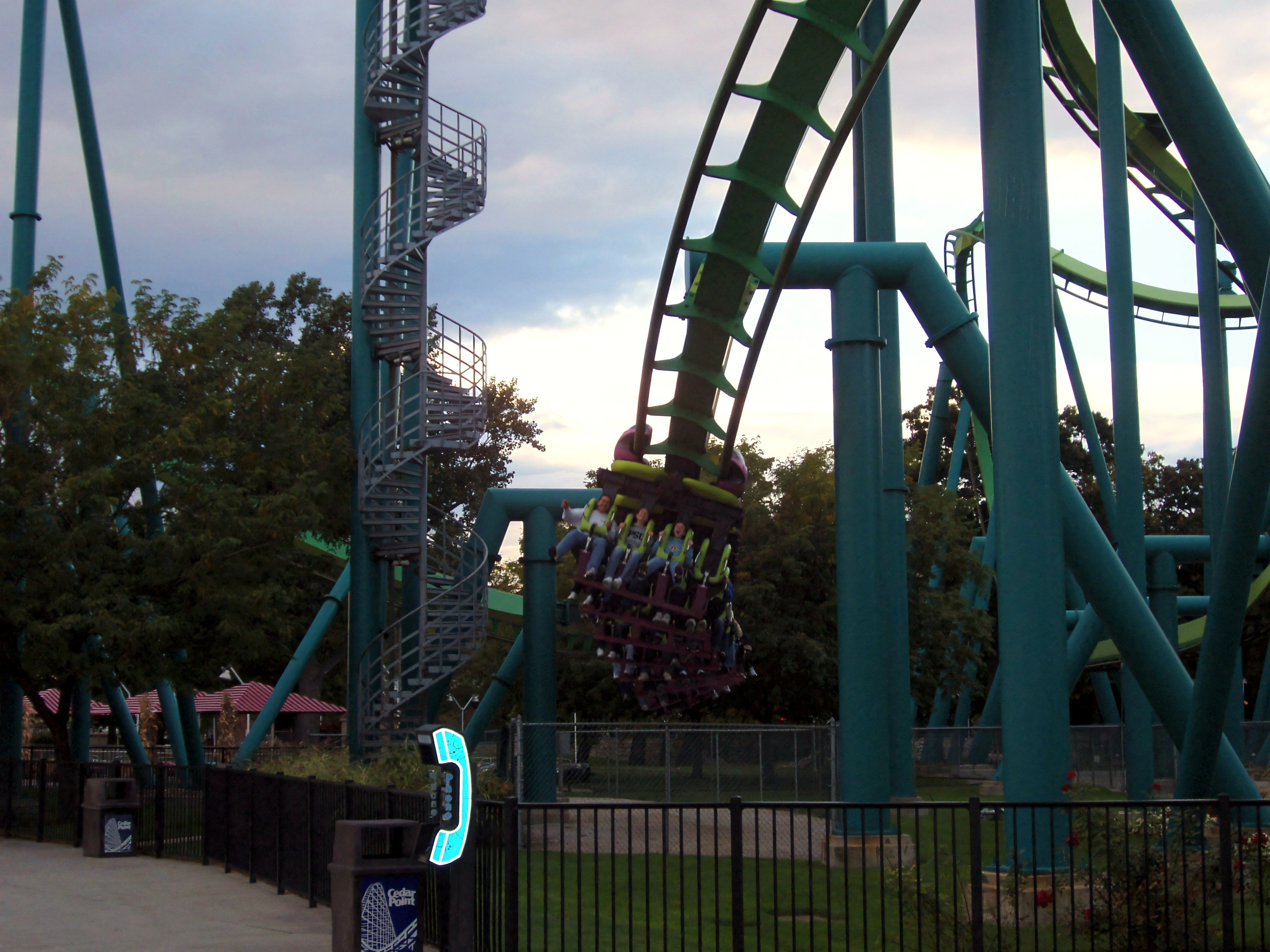
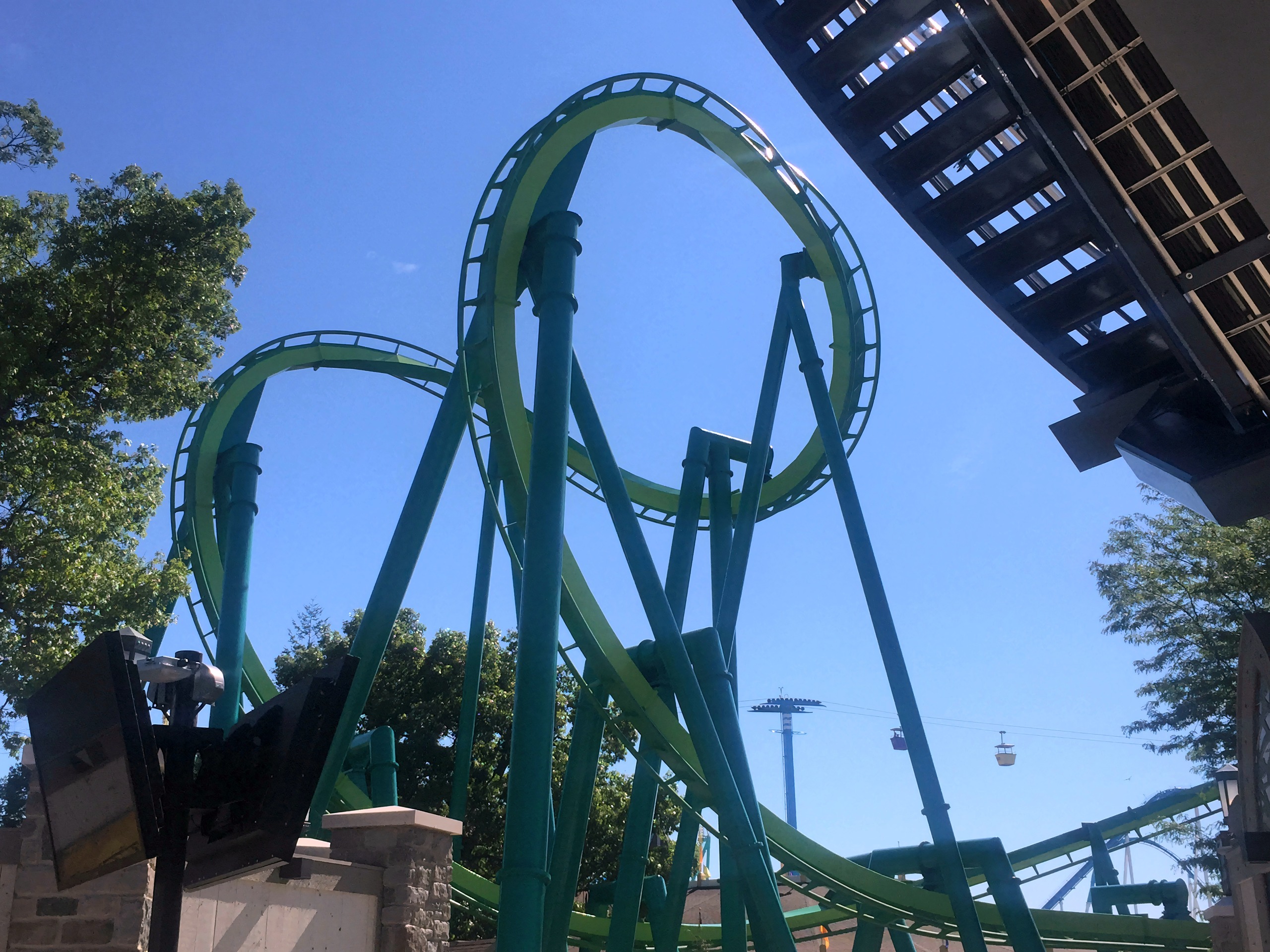
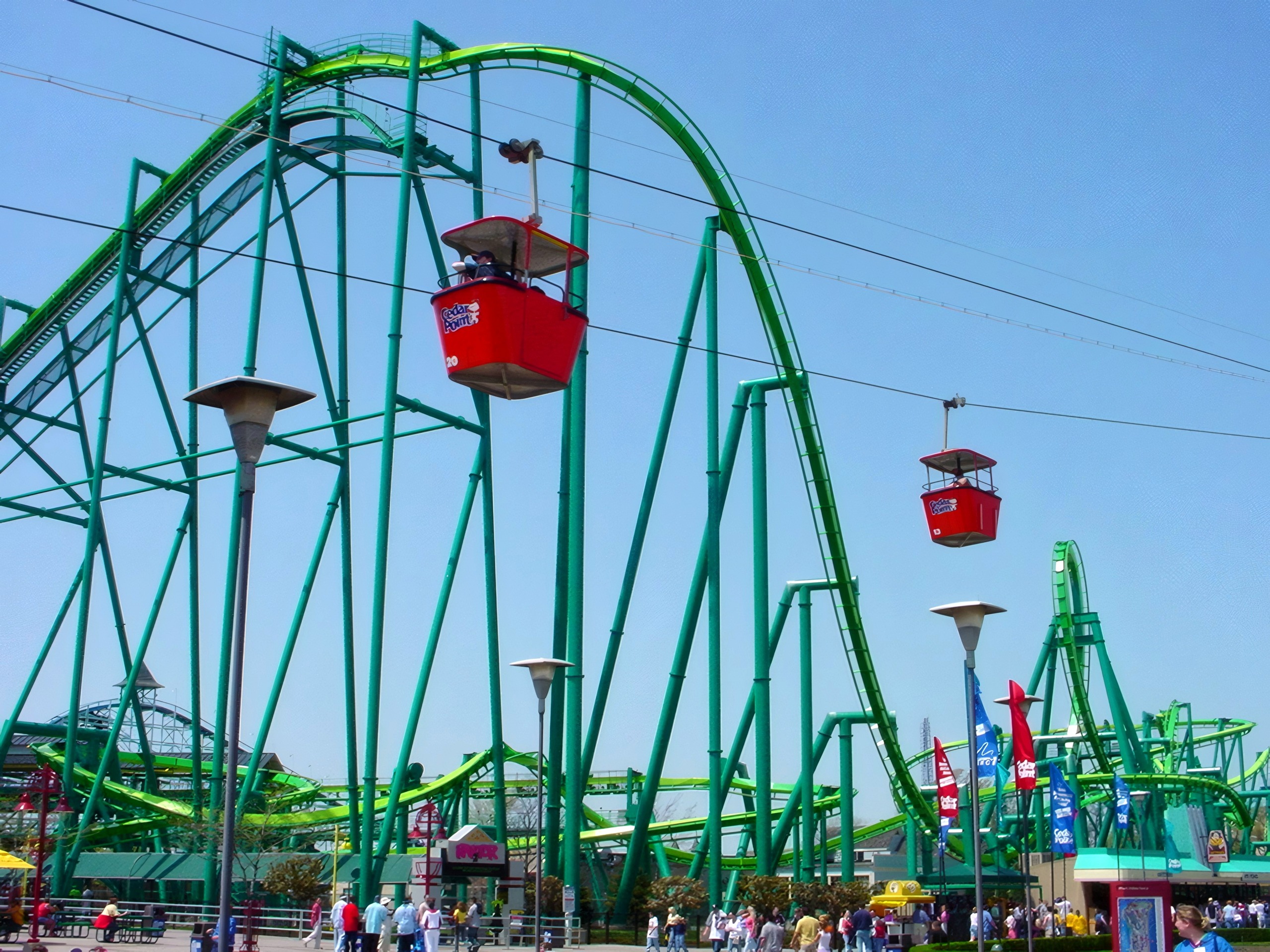
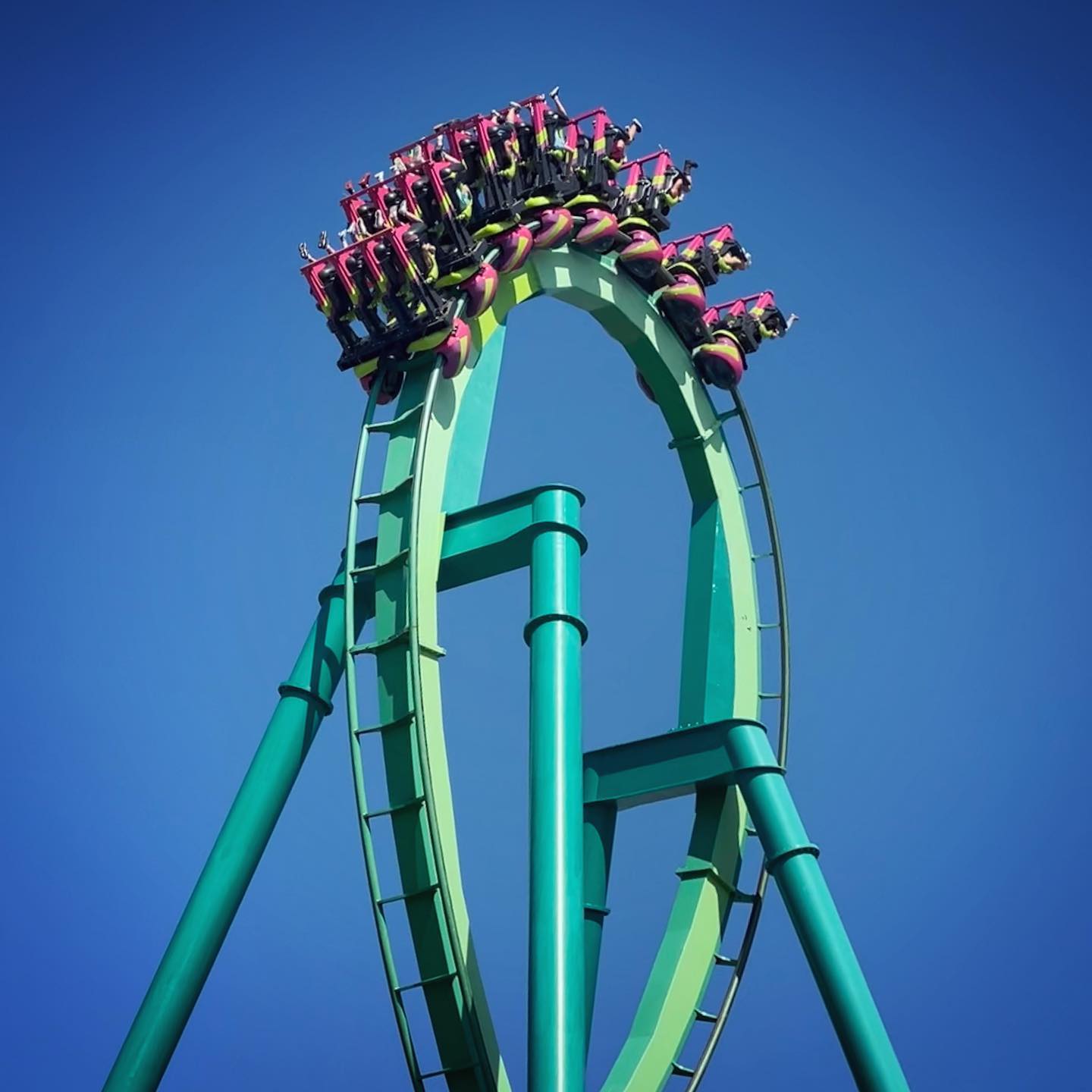
These are original ThrillZing photos of Raptor taken between 2003 and 2023, restored and upscaled from the original camera files. They show the Bolliger & Mabillard inverted coaster in its second decade: the entrance sign, trains cresting the 137-foot lift hill, the vertical loop, the track winding above the midway, several frames in the low light of late-September evenings, and a 2023 shot of a train inverted at the top of the vertical loop with riders’ feet kicking at the sky. The September 2026 group below was shot on a phone on September 13, 2026, the first HalloWeekends weekend, and is published as taken. All photos are free to reuse under a CC BY 4.0 license with credit to ThrillZing and a link to this page.
September 2026
Folds into its own pocket. Pop it on when the storm rolls in and the rides reopen to short lines.
Keeps your phone strapped to you, not in a loose-article bin. Zip it before the lift hill and walk straight off the exit ramp.
Rapids, log flumes and splash zones without the rice-bag aftermath. The touchscreen still works through the window, so you can still take photos.


Raptor FAQs
How many inversions does Raptor have?
Raptor has six inversions, including a vertical loop, a cobra roll, a zero-gravity roll, and two corkscrews.
What records did Raptor set when it opened?
When it debuted in 1994, Raptor was simultaneously the tallest, fastest, and longest inverted roller coaster in the world, records it held until 1996.
Who manufactured Raptor?
Raptor was built by Bolliger & Mabillard (B&M), with the ride designed by engineer Werner Stengel.
Get More from Raptor
Log the coasters, stadiums, and venues you’ve experienced, rate Raptor, and see what your friends thought. Get the ThrillZing app.