
This list ranks the 25 oldest roller coasters in ThrillZing’s database by the year they opened, from the earliest survivors of the wood-and-side-friction era up through the late 1920s, right before steel-braced ‘racer’ and ‘twister’ designs took over the industry. Every entry here has kept its original layout and structure largely intact for close to a century or more, which is a rarer feat than it sounds — most coasters built in this window were dismantled decades ago for scrap, fire damage, or simply going out of fashion.
Four different coasters are tied for the top spot at 1902, which tells you something important right away: the ‘oldest coaster’ title isn’t a single record so much as a cluster of near-identical machines built in the same few years, using the same figure-eight, side-friction technology. The real gap opens up after that — you don’t hit the next entry until 1907, and it takes until 1911 before a genuinely different style of ride (the Virginia Reel) shows up on the list.
The 1902 Four-Way Tie for Oldest
Figure Eight/Coney Island Scenic Coaster/Dip the Dips, Jack Rabbit, Leap-The-Dips, and the Mammoth Roller Coaster all date to 1902, the year side-friction coasters — cars that ride a shallow trough and rely on friction wheels along the sides of the track, rather than underneath it, to stay on course — were essentially the standard design being built across American amusement parks. Leap-The-Dips is the best-documented of the four: it’s a National Historic Landmark at Lakemont Park in Altoona, Pennsylvania, and its figure-eight layout is considered the archetype the whole category is named after.
One caveat worth knowing if you’re planning a trip specifically to ride the oldest coaster on record: Leap-The-Dips has been standing but not running since 2024, with the park citing insurance and restoration costs, and preservation groups actively pushing for a reopening. If you want the oldest coaster you can actually board today rather than just look at, it’s worth checking current status before you go — and worth looking further down this list at entries with a steadier operating history.
| # | Name | year |
|---|---|---|
| 1 | Figure Eight/Coney Island Scenic Coaster/Dip the Dips | 1902 |
| 2 | Jack Rabbit | 1902 |
| 3 | Leap-The-Dips | 1902 |
| 4 | Mammoth Roller Coaster | 1902 |
| 5 | Figure Eight | 1903 |
| 6 | Scenic Railway | 1907 |
| 7 | Scenic Railway | 1909 |
| 8 | Virginia Reel | 1911 |
| 9 | The Great Scenic Railway | 1912 |
| 10 | Rutschebanen (The Roller Coaster) | 1914 |
| 11 | Greyhound | 1916 |
| 12 | Jack Rabbit | 1919 |
| 13 | Jack Rabbit | 1919 |
| 14 | Jack Rabbit | 1920 |
| 15 | Jack Rabbit | 1920 |
| 16 | Scenic Railway | 1920 |
| 17 | Jack ‘n’ Jill Scenic | 1921 |
| 18 | Roller Coaster | 1921 |
| 19 | Ravine Flyer | 1922 |
| 20 | Big Dipper | 1923 |
| 21 | Giant Dipper | 1924 |
| 22 | Thunderhawk | 1924 |
| 23 | Giant Dipper | 1925 |
| 24 | Wild Cat | 1926 |
| 25 | Coney Island Cyclone | 1927 |
How ‘Oldest’ Is Measured — and What It Feels Like to Ride
Age here means opening year, not ‘unchanged since day one’ — every coaster on this list has had track boards, wheels, and safety systems replaced many times over; wood coasters simply don’t survive a century otherwise. What stays constant is the original layout and structural design, which is why riding one of these feels genuinely different from a modern coaster: side-friction cars run slower and rattle more, because the technology predates the underfriction and upstop wheels that let later wood coasters run faster without cars jumping the track.
Some entries take that old-school feel further than others. Rutschebanen at Tivoli Gardens in Copenhagen, dating to 1914, still requires an onboard brakeman to control the car’s speed by hand on every ride — there’s no automated braking system at all, which is part of why it’s treated as a living piece of coaster history rather than just an old ride.
The Surprises: Same Names, Different Decades
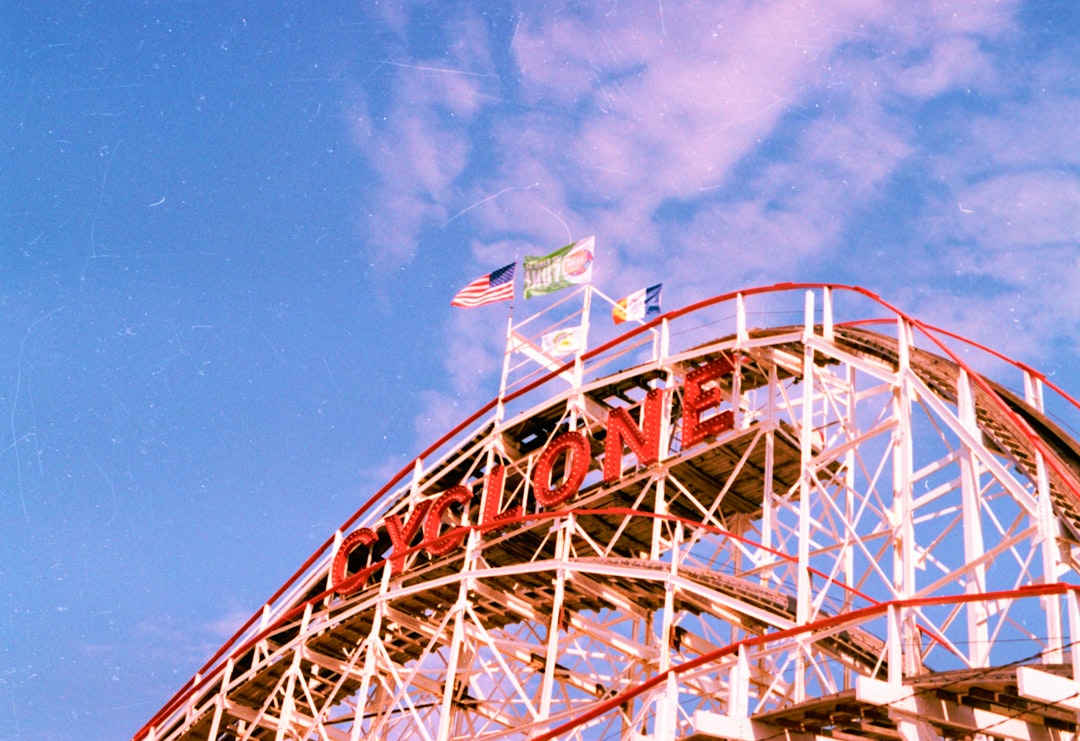
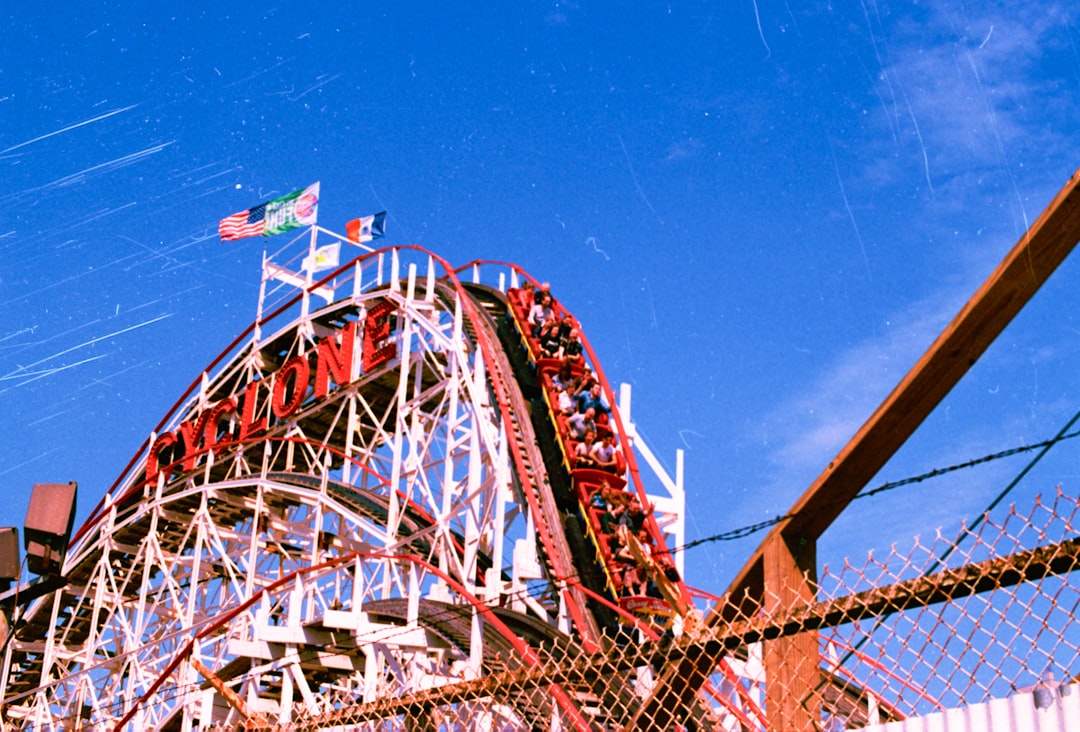
The name ‘Jack Rabbit’ shows up five separate times on this list, spanning 1902 through 1920 — a reminder that ride names got recycled constantly in the early amusement industry, and a shared name doesn’t mean a shared coaster. The 1920 pair is the one most enthusiasts point to as the oldest continuously operating coasters in the U.S., built weeks apart at Kennywood in Pennsylvania and Seabreeze in New York. At the other end of the list, the Coney Island Cyclone (1927) is the youngest entry here but arguably the most famous, having been rescued from demolition decades ago and kept running today through ongoing private investment. And the twin Giant Dippers — Santa Cruz Beach Boardwalk (1924) and Belmont Park in San Diego (1925) — were built by an overlapping team of designers and operators, which is why they still look and ride like siblings today.
Explore more: Browse more roller coaster rankings.
Folds into its own pocket. Pop it on when the storm rolls in and the rides reopen to short lines.
Keeps your phone strapped to you, not in a loose-article bin. Zip it before the lift hill and walk straight off the exit ramp.
Rapids, log flumes and splash zones without the rice-bag aftermath. The touchscreen still works through the window, so you can still take photos.
Oldest Roller Coasters FAQs
What is the oldest roller coaster in the world?
Four coasters are tied for oldest at 1902: Figure Eight/Coney Island Scenic Coaster/Dip the Dips, Jack Rabbit, Leap-The-Dips, and the Mammoth Roller Coaster. Leap-The-Dips, a National Historic Landmark at Lakemont Park, is the most famous of the four, though it’s currently closed pending restoration funding rather than running day to day.
What is the oldest roller coaster you can still ride today?
Among coasters with a steady operating history, the 1920 Jack Rabbit pair at Kennywood (Pennsylvania) and Seabreeze (New York) is widely cited as the oldest continuously operating in the U.S. In Europe, Rutschebanen at Tivoli Gardens in Copenhagen (1914) holds that title, and still runs with an onboard brakeman controlling the speed by hand.
Are 100-year-old wooden roller coasters actually safe to ride?
Yes — the layouts are original, but the track boards, wheels, restraints, and braking systems are inspected and rebuilt on an ongoing basis, the same way any operating ride is maintained. What survives from opening day is the design and structure, not every physical board.
Get More from Oldest Roller Coasters
Log the coasters, stadiums, and venues you’ve experienced, rate Oldest Roller Coasters, and see what your friends thought. Get the ThrillZing app.
Photo by Annie Spratt on Unsplash.