
Toyota Amphitheatre is an 18,500-seat outdoor amphitheater in unincorporated Yuba County, California, sitting between Wheatland and Plumas Lake about 35 miles north of Sacramento. It’s one of Northern California’s largest outdoor concert venues, pairing a covered fixed-seat bowl with a wide open lawn for touring rock, country, and pop acts passing through the Central Valley.
If you’re trying to figure out exactly what an amphitheater is, how big this one is, or what to expect on a visit, here’s a complete breakdown — capacity, seating, history, and practical tips for planning a show.
Quick Answer
An amphitheater is an open-air venue with tiered or sloped seating built around a central stage or performance area, used for concerts, theater, and other large public events. Toyota Amphitheatre is a modern example: an 18,500-capacity outdoor amphitheater in Yuba County, California, with about 8,000 fixed stadium-style seats under a covered roof and roughly 10,500 additional spots on an open lawn.
What Is an Amphitheater?
The word “amphitheater” comes from the Greek amphitheatron — “amphi” (around) plus “theatron” (place for viewing) — describing a venue with seating that wraps around or faces a central performance space from multiple angles. The form dates back to ancient Rome, where amphitheaters like the Colosseum hosted gladiatorial contests and public spectacles for tens of thousands of spectators.
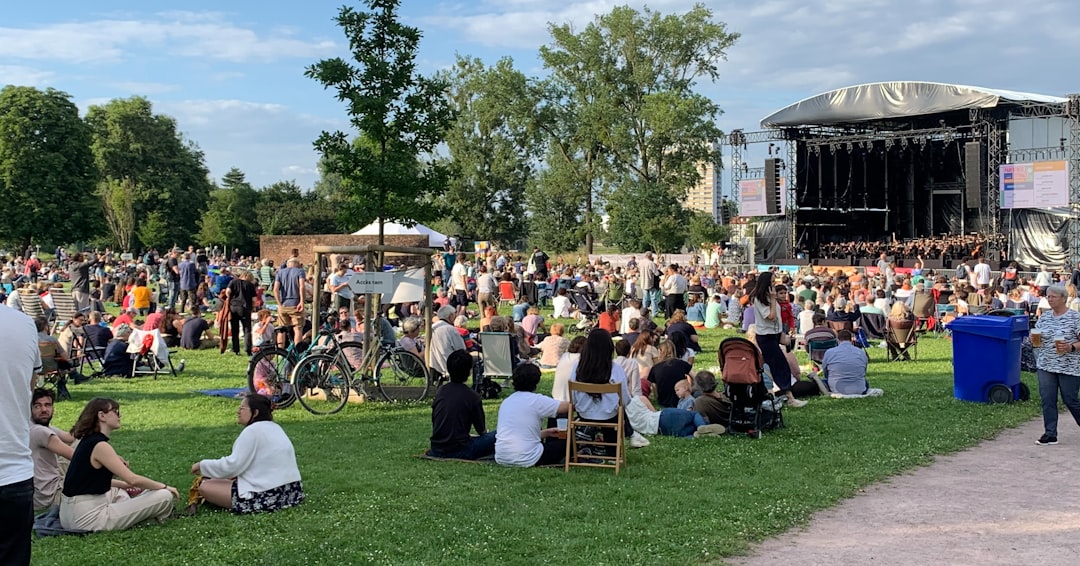
Today the term covers a much broader range of venues. Modern amphitheaters are almost always outdoor or partially covered spaces with sloped or stadium-style seating facing a stage, and they range from small community parks with a grass hill and a bandshell to massive commercial venues built specifically for touring concerts. What separates an amphitheater from an indoor arena or theater is the open-air design — most amphitheaters, including Toyota Amphitheatre, combine fixed seating closer to the stage with an open lawn section further back, letting fans choose between a reserved seat or a more casual blanket-and-chairs setup.
Toyota Amphitheatre follows that same modern template: a roofed, fixed-seat bowl close to the stage transitions into a sloped lawn, giving it the flexibility to host both ticketed-seat-only shows and lawn-heavy festival-style events.
Toyota Amphitheatre at a Glance
Location: unincorporated Yuba County, California, between Wheatland and Plumas Lake, about 35 miles north of Sacramento. Address: 2677 Forty Mile Road, Wheatland, CA 95692.
Type: outdoor amphitheater. Capacity: about 18,500, split between roughly 8,000 fixed stadium seats and about 10,500 lawn spots. Opened: June 10, 2000, with a sold-out show headlined by Stone Temple Pilots and Papa Roach. Built at a cost of about $25 million on 90 acres. Operator: Live Nation Entertainment. It has hosted more than 100 concerts and over 2 million attendees since opening.
The Concert Experience: Seating & Layout
Designed by Heller Manus Architects and built by DPR Construction, Toyota Amphitheatre pairs a covered, fixed-seating bowl with a sloped open lawn, so concertgoers can choose between reserved stadium seats or a blanket-and-chairs setup on the grass. The layout was built to keep sightlines and sound quality consistent across both sections — a design the venue leans on to host national rock and country tours in a region with few other large outdoor stages.
Because it sits outside any single city, Toyota Amphitheatre draws crowds from across the greater Sacramento Valley and Northern California rather than one metro area alone. Its size and open-lawn capacity also make it a natural stop for touring acts routing between the Bay Area and the Pacific Northwest.
Planning Your Visit: Tickets & Parking
Tickets for Toyota Amphitheatre shows are typically sold in tiers that mirror the venue’s own layout — fixed seats closer to the stage priced above general lawn admission, plus premium options like box seats and VIP club access for select shows. Exact pricing varies by artist and show, so it’s worth checking listings close to your target date rather than relying on older figures.
The venue offers reserved parking upgrades that let you park closer to the gate and avoid the post-show rush, in addition to standard lot parking. Bag policies, gate times, and other day-of-show details can change by event, so confirm them before you go rather than assuming last year’s rules still apply.
For current tickets, parking options, and the latest box office and bag policy details, check the official Toyota Amphitheatre website.
A Venue With Several Names
The amphitheatre has carried four different names since it opened, reflecting shifting naming-rights sponsors rather than any change in ownership or location. It debuted as Sacramento Valley Amphitheatre in June 2000, was briefly AutoWest Amphitheatre in 2002, and then spent over a decade as Sleep Train Amphitheatre from January 2003 to May 2015. Toyota took over the naming rights in May 2015, and the venue has operated as Toyota Amphitheatre ever since.
Longtime local concertgoers still sometimes refer to it by its older names, particularly Sleep Train, given how long that branding lasted.
Photos
Three modes in one plug: quiet, full-volume concert, and a setting in between. Protects your hearing without muffling the mix.
Take the dangerous peak off a loud show and keep the music sounding clear. They fit in a tiny case on your keychain.
Meets most arena and amphitheater clear-bag policies. Hands-free in the pit and quick through the gate.


Toyota Amphitheatre FAQs
What exactly is an amphitheater?
An amphitheater is an open-air venue with tiered or sloped seating arranged around or facing a central stage or performance area, used for concerts, theater, and other large public events. The design traces back to ancient Rome, but today it describes almost any outdoor concert venue with stadium-style or lawn seating, like Toyota Amphitheatre.
What is the capacity of Toyota Amphitheatre?
It holds about 18,500 people, combining roughly 8,000 fixed stadium seats with about 10,500 open lawn spots.
Where is Toyota Amphitheatre located?
It’s in unincorporated Yuba County, California, between Wheatland and Plumas Lake, at 2677 Forty Mile Road, about 35 miles north of Sacramento.
Has Toyota Amphitheatre always had that name?
No. It opened in 2000 as Sacramento Valley Amphitheatre, was briefly AutoWest Amphitheatre in 2002, became Sleep Train Amphitheatre from 2003 to 2015, and has been Toyota Amphitheatre since May 2015.
What’s the difference between an amphitheater and an arena or stadium?
Amphitheaters are generally open-air venues built specifically for concerts and performances, often with a lawn section in addition to fixed seating. Arenas and stadiums are typically fully enclosed or built primarily for sports, with seating oriented around a field or court rather than a stage.
Does Toyota Amphitheatre have reserved parking?
Yes, the venue offers reserved parking upgrades that let you park closer to the gate, in addition to standard lot parking. Check the official Toyota Amphitheatre site for current options before your show.
Get More from Toyota Amphitheatre
Log the coasters, stadiums, and venues you’ve experienced, rate Toyota Amphitheatre, and see what your friends thought. Get the ThrillZing app.
Want the day’s theme park news in your inbox? Subscribe to ThrillZing Daily — free.