
The Orange Peel sits at 101 Biltmore Avenue in downtown Asheville, North Carolina, a mid-sized concert hall that built a national reputation out of a building that had already lived several lives. The address had previously housed a roller rink, a bowling alley, a cabaret club, and even a short-lived nightclub also called the Orange Peel back in the 1970s, before former New Orleans club owners Jack and Lesley Groetsch reopened it in its current form on October 25, 2002.
Anyone planning a show there usually has one practical question first: how many people actually fit inside, and will you be standing the whole night? Here’s the full breakdown of capacity, seating options, and what the room actually feels like once it fills up.
Quick Answer
The Orange Peel’s official sellable capacity is 1,050. It’s a general-admission standing-room hall with a hardwood dance floor, a wraparound bar, and a limited number of first-come stools and paid reserved seats along the walls for those who don’t want to stand.
🎤 Coming Up at The Orange Peel Capacity
Show 34 more dates
Orange Peel Capacity at a Glance
Location: 101 Biltmore Avenue, Asheville, North Carolina. Type: Indoor general-admission concert hall. Opened: October 25, 2002. Sellable capacity: 1,050, per the venue’s own technical specifications. Layout: single-level hardwood floor, no tiered balcony. Famous for: Rolling Stone’s 2008 top-5 U.S. music venue ranking.
You’ll occasionally see older listings or secondhand sources cite a slightly different number, such as 1,100, often traced back to a 2009 renovation. The Orange Peel’s current published figure, listed directly on its own tech-info and FAQ pages, is 1,050 — that’s the number to use for planning purposes.
Standing Room, Stools & Reserved Seating
Most nights at The Orange Peel are standing room only across the full 1,050-person floor. That’s the trade-off that gives the room its reputation: because almost nobody is seated, a band that could sell out a 3,000-seat theater elsewhere feels like it’s playing a packed house party here.
That said, the venue does offer a few ways to avoid standing for an entire show. Typically 30 to 50 stools are set up around the perimeter of the room on a first-come, first-served basis. For many shows there’s also a reserved seating section along the side walls, where seats can be purchased at the box office for an upcharge on top of the ticket price. A handful of shows each year are billed as fully or partially seated, in which case all seats are first-come, first-served for ticket holders rather than reserved in advance.
Because seating availability changes show to show, it’s worth checking the specific event listing or calling ahead if sitting down matters to you.
Inside the Hall: Layout & Sightlines
The Orange Peel is essentially one open room rather than a multi-level theater. The hardwood dance floor runs from the stage back toward the bar, giving almost everyone on the floor a straight, unobstructed sightline to the performers. There’s no traditional tiered balcony; the perimeter stools and reserved-seating strips along the walls are the closest thing to elevated or set-apart viewing.
That flat, open layout is part of why the room has such an intimate feel despite holding over a thousand people — there’s no far-away upper deck separating fans from the stage. The building is ADA compliant, and performers have full-size elevator access to the stage, though patrons should check with the venue directly for current accessible-viewing arrangements on a given show night.
A Stage for Legends
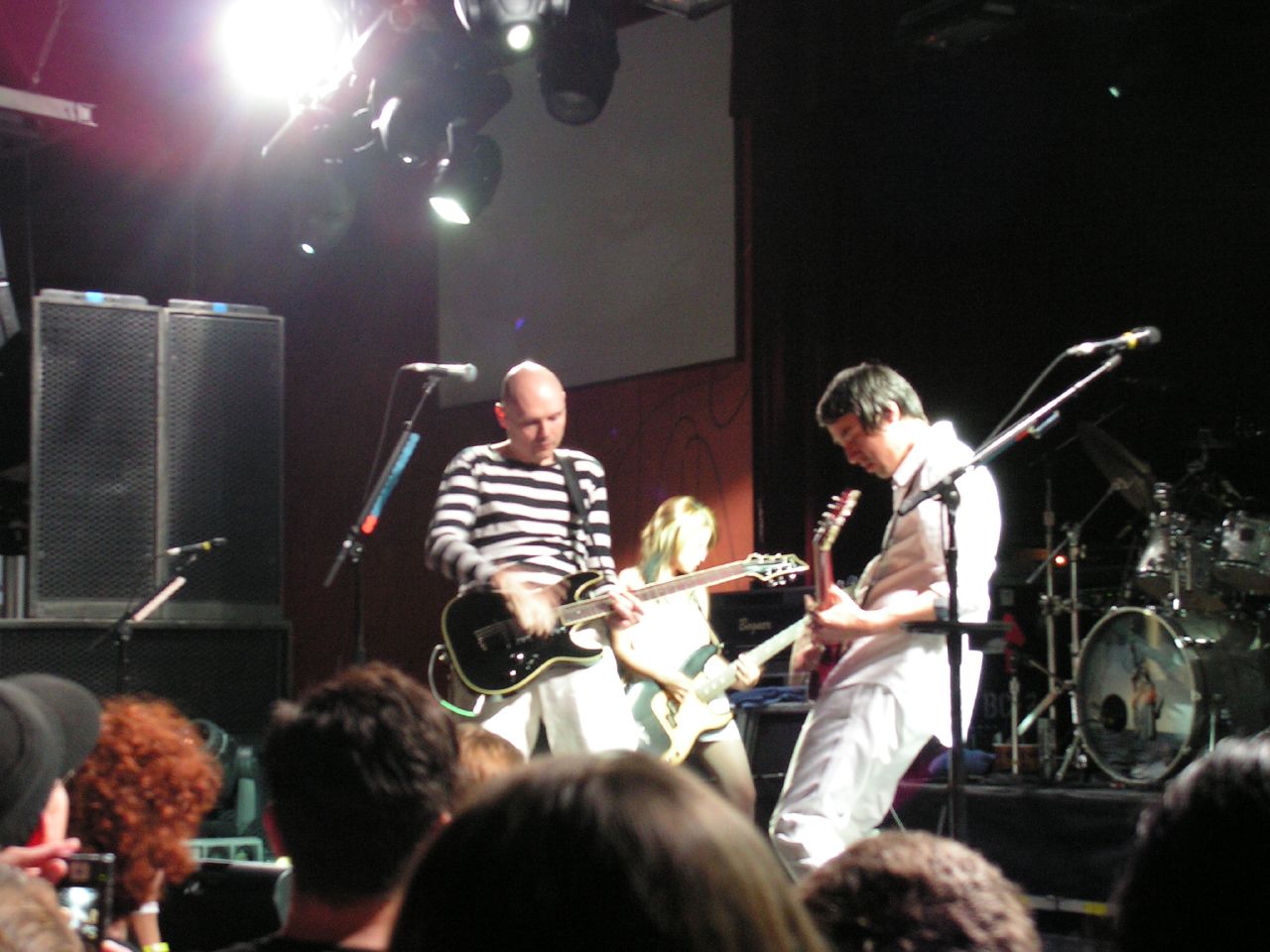
The Orange Peel’s hardwood-floored, general-admission layout gave it an intimate feel that attracted artists who could easily fill rooms many times its size. Bob Dylan, Lou Reed, and Lauryn Hill all played the venue, and the Beastie Boys performed what turned out to be their final club show there. The Smashing Pumpkins went even further, choosing the Peel for a nine-show East Coast residency rather than a typical arena run.
The venue also became home base for Moogfest, the electronic and experimental music festival that drew on Asheville’s connection to synthesizer pioneer Bob Moog, further tying the hall to the city’s broader musical identity. By 2008, Rolling Stone had named it one of the top five music venues in the United States, cementing its place alongside much larger rooms in much bigger cities — despite, or maybe because of, its comparatively modest 1,050-person capacity.
Built on Old Foundations
Long before touring bands took the stage, the building at 101 Biltmore Avenue cycled through Skateland Rollerdome, Biltmore Lanes bowling alley, and the Jade Smith Cabaret Club. A nightclub also named the Orange Peel operated there from 1974 to 1978, drawing young Black Asheville residents to see acts like the Commodores and the Bar-Kays.
That layered history gave the modern venue a sense of place that a newly built room of the same capacity couldn’t replicate.
Getting Tickets & Planning Your Visit
Because the floor holds 1,050 people and most shows are general admission, popular acts can sell out well in advance — arriving early improves your spot on the floor but doesn’t guarantee a stool or reserved seat, since those are limited and sometimes first-come-first-served even when purchased.
For current show listings, ticket prices, box office hours, and up-to-date seating availability for a specific event, check the official Orange Peel website directly, since both pricing and seating options can vary by show.
Photos
See the stage from the lawn seats — small enough for most venue bag rules.
Phone, cards and keys in front of you all night, hands free for the encore.
Packs smaller than a water bottle — a real seat for lawn shows and festival sets.
The Orange Peel FAQs
What is The Orange Peel’s capacity?
The Orange Peel’s official sellable capacity is 1,050. It’s a general-admission concert hall, so nearly the entire floor is standing room rather than fixed seats.
Is The Orange Peel all standing, or is there seating?
Most shows are standing room only on the floor. The venue typically sets out 30 to 50 first-come, first-served stools around the room’s perimeter, and for many shows offers a paid reserved-seating section along the side walls. A few shows each year are designated partially or fully seated.
Does The Orange Peel have a balcony?
No. The hall is essentially a single open room with a flat hardwood floor facing the stage — there’s no tiered balcony, which is part of why the venue feels so intimate for its size.
Why do some sources list a different capacity, like 1,100?
Older listings sometimes cite figures from before or just after a 2009 renovation. The capacity currently published by the venue itself is 1,050.
When did The Orange Peel open?
The current venue opened on October 25, 2002, though an earlier nightclub of the same name operated in the same building from 1974 to 1978.
Where is The Orange Peel located?
The Orange Peel is located at 101 Biltmore Avenue in downtown Asheville, North Carolina.
Get More from ThrillZing
Log the coasters, stadiums, and venues you’ve experienced, rate the orange peel capacity, and see what your friends thought. Get the ThrillZing app.
Want the day’s theme park news in your inbox? Subscribe to ThrillZing Daily — free.
See also: the biggest live music venues · the biggest indoor arenas in the world