
This list ranks operating U.S. aquariums by their own published total water volume in gallons, the figure each facility cites for the combined capacity of its exhibit tanks and habitats. It is not a measure of building size, animal count, or annual attendance — some aquariums with modest footprints report large totals because of one very deep or very large signature tank.
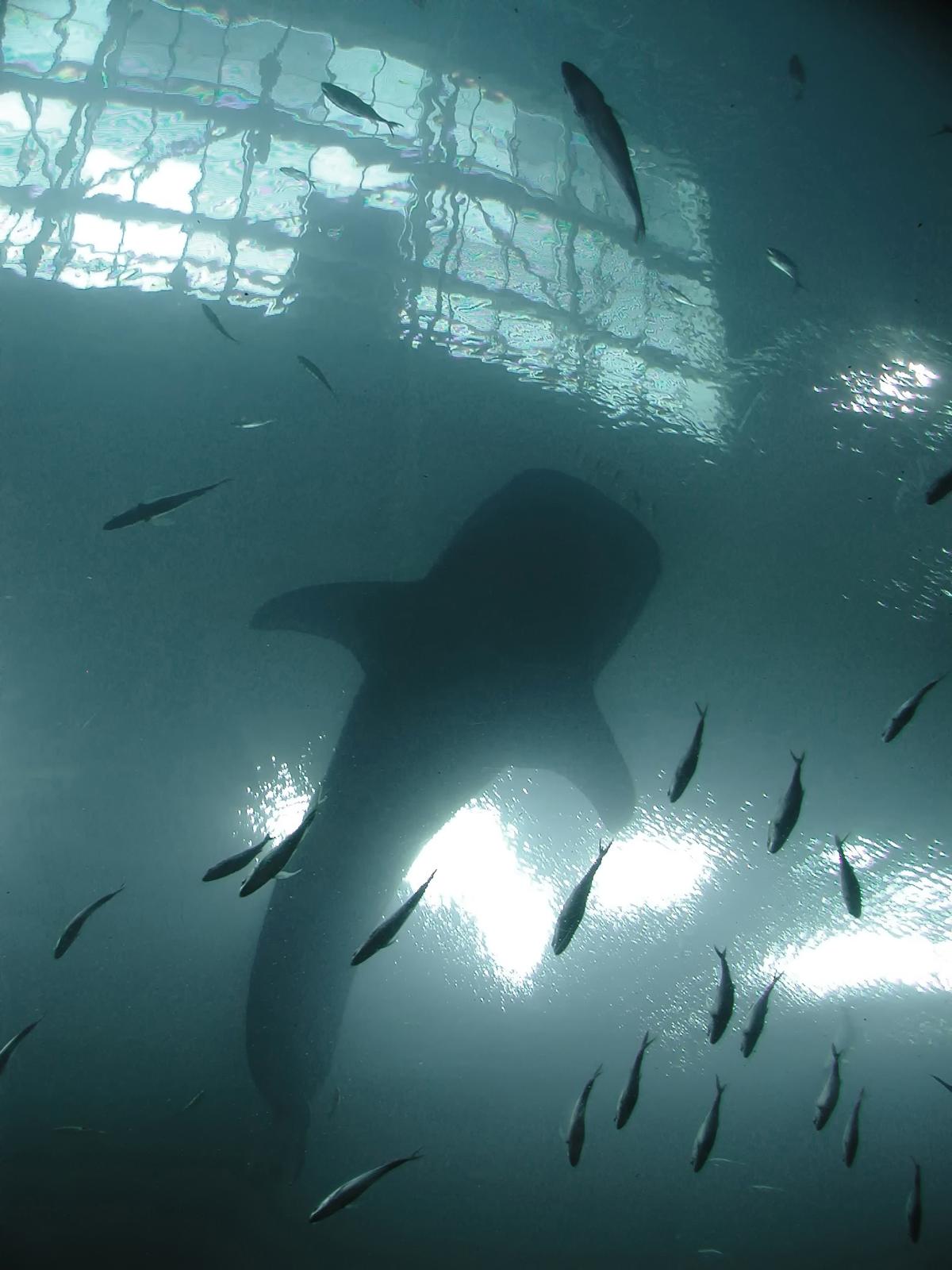
Georgia Aquarium in Atlanta leads by a wide margin, with a published total of more than 11 million gallons. That is more water than the next two entries on this list combined — SeaBase Aquarium at EPCOT (5.7 million gallons) and Shedd Aquarium in Chicago (about 5 million gallons) — and comes largely from Ocean Voyager, Georgia Aquarium’s own single tank of roughly 6.3 million gallons.
The Full Ranking
Figures below are each aquarium’s own published total tank or exhibit water volume, as reported by the facility, its parent company, or Wikipedia as of 2026; none of these totals are independently audited, and several aquariums have expanded since older figures were first published.
| # | Aquarium | Location | Published Water Volume (gal) |
|---|---|---|---|
| 1 | Georgia Aquarium | Atlanta, Georgia | 11,000,000+ |
| 2 | SeaBase Aquarium (The Seas with Nemo & Friends, EPCOT) | Bay Lake, Florida | 5,700,000 |
| 3 | Shedd Aquarium | Chicago, Illinois | 5,000,000 |
| 4 | Monterey Bay Aquarium | Monterey, California | 2,300,000 |
| 5 | National Aquarium | Baltimore, Maryland | 2,200,000 |
| 6 | Adventure Aquarium | Camden, New Jersey | 2,000,000 |
| 7 | OdySea Aquarium | Scottsdale, Arizona | 2,000,000 |
| 8 | Mystic Aquarium | Mystic, Connecticut | 1,900,000 |
| 9 | Shark Reef Aquarium at Mandalay Bay | Las Vegas, Nevada | 1,600,000 |
| 10 | Moody Gardens Aquarium Pyramid | Galveston, Texas | 1,500,000 |
| 11 | Wonders of Wildlife National Museum & Aquarium | Springfield, Missouri | 1,500,000 |
| 12 | Ripley’s Aquarium of the Smokies | Gatlinburg, Tennessee | 1,400,000 |
| 13 | SEA LIFE Minnesota Aquarium | Bloomington, Minnesota | 1,300,000 |
| 14 | Tennessee Aquarium | Chattanooga, Tennessee | 1,100,000 |
| 15 | Newport Aquarium | Newport, Kentucky | 1,000,000 |
| 16 | Downtown Aquarium | Denver, Colorado | 1,000,000 |
| 17 | Downtown Aquarium | Houston, Texas | 500,000 |
Georgia Aquarium, SeaBase, and Shedd Aquarium at the Top
Georgia Aquarium opened in 2005 with Ocean Voyager, described at the time as the largest indoor aquatic habitat in the world, and has since added a dolphin pavilion, a sea lion exhibit, and other galleries that pushed its published total from roughly 10 million gallons past 11 million. Because the aquarium is landlocked and reuses about 99 percent of its water rather than exchanging it with open ocean, it treats that volume as a fixed engineering figure rather than a flow rate.
SeaBase Aquarium, the real saltwater habitat behind the Seas with Nemo & Friends pavilion at EPCOT, holds 5.7 million gallons in a single tank and held the title of the world’s largest saltwater aquarium tank when it opened in 1986 as The Living Seas, before Georgia Aquarium opened in 2005. Shedd Aquarium in Chicago ranks third with a published total of about 5 million gallons, built up across many habitats rather than one dominant tank — its Abbott Oceanarium alone accounts for roughly 3 million gallons, including a 2-million-gallon tank called Whale Harbor. After that the totals drop sharply: Monterey Bay, National Aquarium, Adventure Aquarium, and OdySea Aquarium all sit in the 2-to-2.3-million-gallon range, each built around one or two headline tanks rather than Georgia’s, SeaBase’s, or Shedd’s larger single volumes.
How the Figures Are Measured, and Where They Disagree
Total water volume is a figure aquariums calculate themselves, typically by adding up the design capacity of every tank, pool, and habitat in the building. There is no third-party registry that verifies these numbers, so published totals can shift between a press kit, a fact sheet, and a news article covering the same aquarium, and they often change again after an expansion.
A few entries on this list show the inconsistency directly: Georgia Aquarium’s own materials have cited both 10 million and 11 million gallons in recent years, and Ripley’s Aquarium of the Smokies has been described as holding 1.3 million, 1.4 million, and ‘over 1 million’ gallons in different press coverage, with 1.4 million the most frequently repeated figure. SEA LIFE Minnesota Aquarium at Mall of America publishes 1.3 million gallons on its own site and in the mall’s own directory, though a few third-party travel listings round it down to 1.2 million; the operator’s own 1.3-million figure is used here. Newport Aquarium and the Denver location of Downtown Aquarium both publish a round 1 million gallons, which may reflect similar design scale more than a precise, measured tie. Moody Gardens Aquarium Pyramid and Wonders of Wildlife National Museum & Aquarium both publish the same round figure of 1.5 million gallons, another likely coincidence of similar design scale rather than an exact match.
Visiting Notes
Several entries on this list sit inside larger attractions rather than standing as standalone facilities: SeaBase Aquarium is the aquarium component of a ride-through pavilion at EPCOT, Shark Reef Aquarium is built into the Mandalay Bay resort in Las Vegas, SEA LIFE Minnesota Aquarium occupies lower-level space inside the Mall of America, and the Houston and Denver locations of Downtown Aquarium are Landry’s-owned restaurant-and-aquarium combinations. Moody Gardens Aquarium Pyramid is one component of a larger Galveston complex that also includes a rainforest pyramid and other attractions, and Wonders of Wildlife National Museum & Aquarium pairs its 1.5-million-gallon aquarium with an adjoining wildlife museum next to the Bass Pro Shops headquarters in Springfield. OdySea Aquarium, despite sitting in the Arizona desert at Scottsdale, reports a total on par with coastal aquariums in New Jersey and Maryland.
A high published gallon count does not necessarily mean a bigger building or more species to see — it often comes down to one very large signature tank, like Ocean Voyager at Georgia Aquarium or the single saltwater tank at SeaBase, or to many mid-sized habitats added up, as at Shedd Aquarium. Anyone comparing aquariums for a trip should weigh this volume figure alongside exhibit count, species list, and whether a facility centers on one marquee habitat or many smaller ones.
Explore more: more zoo and aquarium rankings.
A field guide that keeps the animal spotting going on the drive home and at home.
Zoo days are long and the shade isn't always where the animals are.
Clips to a stroller, wagon or backpack strap. Quiet enough that it won't wake a napping toddler.
Largest Aquariums in the United States FAQs
What is the largest aquarium in the United States by water volume?
Georgia Aquarium in Atlanta, Georgia, is the largest among U.S. aquariums with published water volume figures, reporting more than 11 million gallons across its exhibits as of 2026.
What is the second-largest aquarium in the United States?
SeaBase Aquarium, the real saltwater habitat inside the Seas with Nemo & Friends pavilion at EPCOT in Bay Lake, Florida, ranks second with a published 5.7 million gallons, ahead of Shedd Aquarium in Chicago at about 5 million gallons.
How much water does Georgia Aquarium hold compared to other U.S. aquariums?
Georgia Aquarium’s published total of more than 11 million gallons is more than the next two aquariums on this list combined: SeaBase Aquarium at EPCOT, at 5.7 million gallons, and Shedd Aquarium, at about 5 million gallons.
Is ‘world’s largest aquarium’ a verified title?
No independent body audits aquarium water volume, so ‘largest aquarium’ claims come from each facility’s own published figures. Georgia Aquarium markets itself as the largest in the Western Hemisphere based on its own reported total, not a certified outside record.
Get More from Largest Aquariums in the United States
Log the coasters, stadiums, and venues you’ve experienced, rate Largest Aquariums in the United States, and see what your friends thought. Get the ThrillZing app.
Want the day’s theme park news in your inbox? Subscribe to ThrillZing Daily — free.
Photo: Diliff / CC BY 2.5, via Wikimedia Commons.
See also: the largest zoos in the world · the largest aquariums in the world · zoo lights by state