
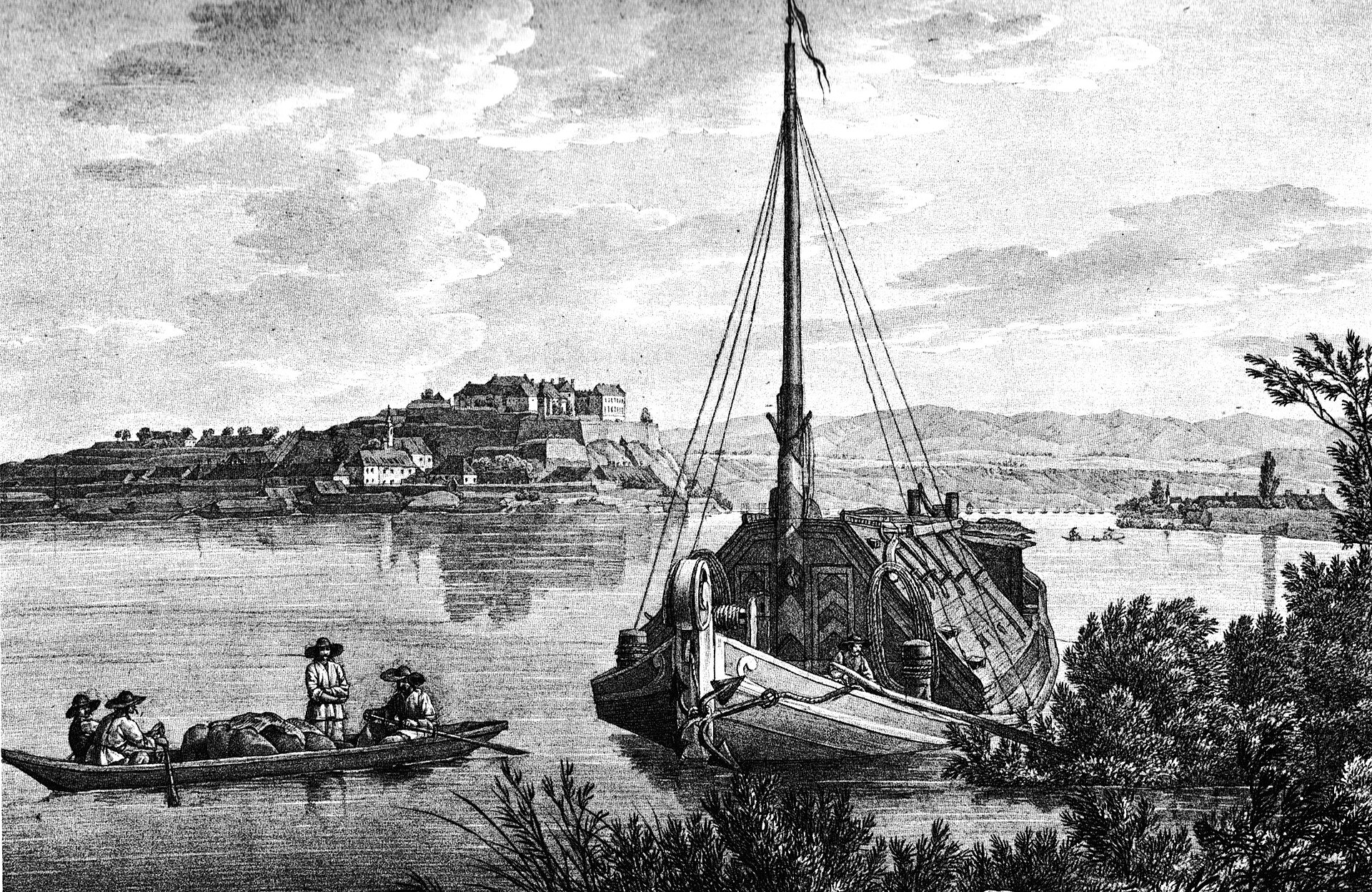
Petrovaradin Fortress sits on a rocky bluff above the Danube in Novi Sad, Serbia, a Baroque bastion fort built between 1692 and 1780 that earned the nickname “Gibraltar on the Danube” for its imposing scale and strategic command of the river below. Beneath its ramparts run more than 16 kilometers of underground galleries and countermine tunnels, a defensive network built to outlast any siege the Habsburg engineers could imagine.
Since 2001, those same stone courtyards and casemates have doubled as one of Europe’s most distinctive concert grounds, serving as the home of EXIT Festival. What began as a student protest movement in 2000 grew into a four-day event spread across more than 40 stages carved into the fortress’s bastions, moats, and tunnels, drawing acts from Guns N’ Roses to The Prodigy and turning a centuries-old military relic into a bucket-list festival destination.
Stats at a Glance
- Location: Novi Sad, Serbia
- Type: 18th-century fortress converted into an open-air festival venue
- Fortress built: 1692–1780
- Festival use since: 2001 (EXIT Festival)
- Daily capacity: about 56,000
- Four-day attendance: about 200,000
- Famous for: EXIT Festival’s underground Dance Arena stage
The Ride Experience
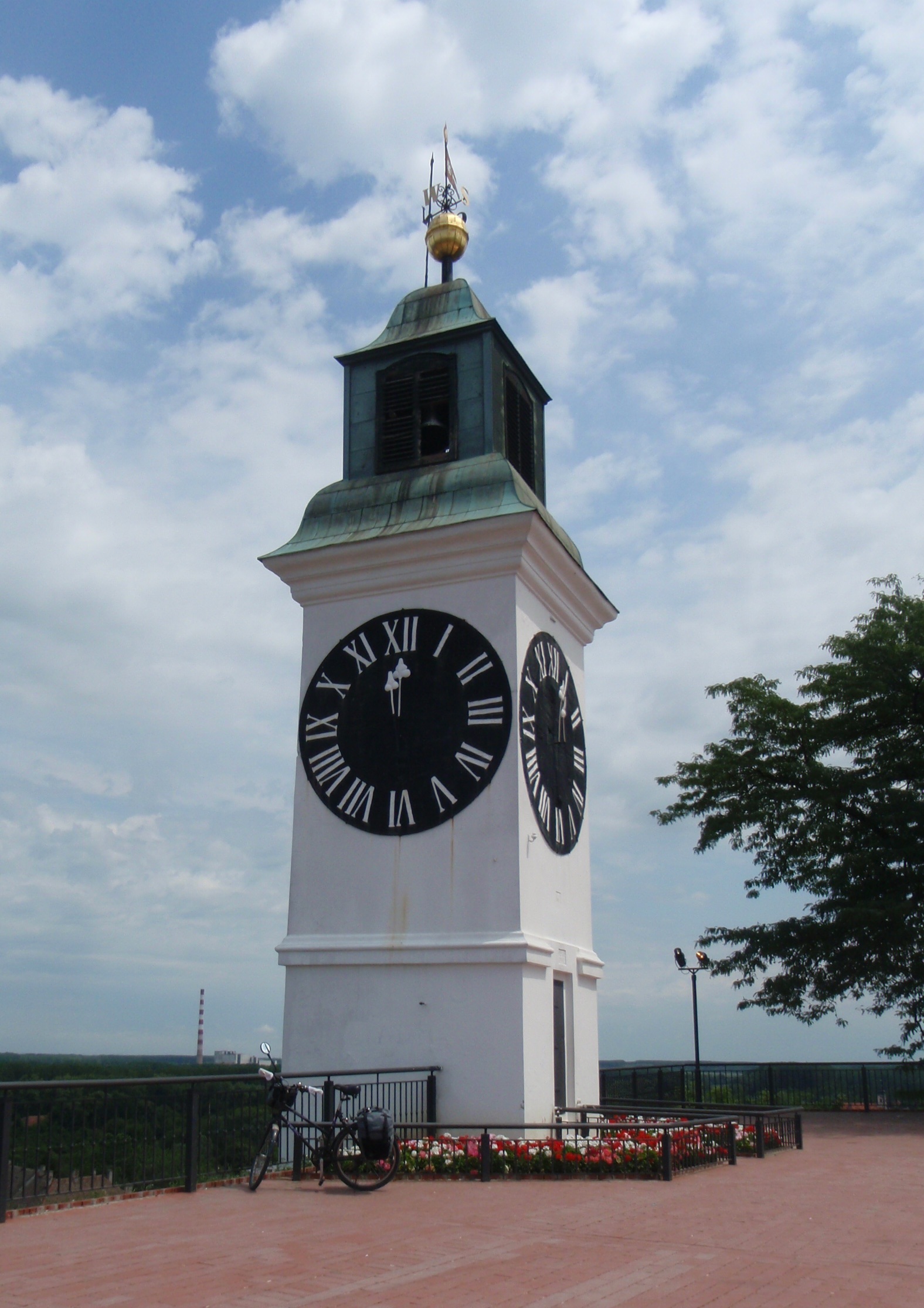
There is no other venue quite like it: festivalgoers move between more than 40 stages tucked into stone bastions, artillery casemates, and the fortress moat, with the Main Stage rock and pop headliners a short walk from the Dance Arena, a subterranean tunnel stage widely rated among the best electronic music spaces in the world. The fortress’s Baroque walls and clock tower, whose hands are famously reversed so Danube fishermen could read the time from a distance, provide a backdrop unlike any purpose-built arena.
Genres range from rock, metal, and reggae to techno and hip-hop, and past lineups have included Snoop Dogg, Fatboy Slim, and Nick Cave & The Bad Seeds alongside regional and Balkan acts, reflecting EXIT’s roots as a democracy-movement festival as much as a music one.
A Landmark Beyond the Music
Long before amplifiers arrived, Petrovaradin Fortress was a working Habsburg stronghold covering more than 100 hectares, with 16 kilometers of underground galleries designed to detect and counter enemy tunneling. It was listed among Serbia’s Spatial Cultural-Historical Units of Great Importance in 1991, and today its Upper Town houses a city museum, historical archive, hotel, and cafes alongside the festival infrastructure.
EXIT organizers announced that the 2025 edition would be the festival’s final run in Serbia, with future editions planned abroad, meaning the fortress’s decades-long run as EXIT’s stage has come to a close even as the site itself remains open to visitors year-round.
Explore more: Explore more legendary music venues.
Water on your back and hidden zip pockets against your body. Built for long festival days in crowds.
Charges fast enough to top up your phone between the opener and the headliner.
Many venues let empty soft flasks through security. Refill inside and roll it up when it's empty.
Petrovaradin Fortress FAQs
Is Petrovaradin Fortress still a music venue?
The fortress itself remains open to visitors, but EXIT Festival organizers confirmed 2025 was the festival’s last edition held there, with future EXIT events planned outside Serbia.
How many people can Petrovaradin Fortress hold during EXIT Festival?
The festival’s daily capacity has been reported at around 56,000, with total attendance across the four-day event reaching roughly 200,000 in recent years.
When was Petrovaradin Fortress built?
Construction on the current fortress began in 1692 under Habsburg military engineers and continued until 1780, making it an 18th-century Baroque bastion fort.
Get More from Petrovaradin Fortress
Log the coasters, stadiums, and venues you’ve experienced, rate Petrovaradin Fortress, and see what your friends thought. Get the ThrillZing app.
Photo: Pudelek (Marcin Szala) / CC BY-SA 3.0 rs, via Wikimedia Commons.