
The Gorge Amphitheatre may be the most spectacular place on Earth to see a concert: a 27,500-capacity hillside in George, Washington, where the stage sits against a sheer canyon of the Columbia River and the sun sets directly behind the headliner. Since opening in 1986 it has grown from a small winery stage into the Pacific Northwest’s cathedral of live music, famous for multi-day camping festivals and a Dave Matthews Band Labor Day tradition running since the 1990s.
Capacity is the number most fans actually search for before buying tickets or planning a camping trip, because it determines everything from how far back the lawn stretches to how long the parking line will be. Here’s the full breakdown — reserved seats, lawn, and how the Gorge got so big.
Quick Answer
The Gorge Amphitheatre holds about 27,500 people total: roughly 7,500 in numbered reserved seating close to the stage and another 20,000 on its huge terraced lawn, which makes it one of the largest outdoor amphitheater capacities in North America.
🎤 Coming Up at The Gorge Amphitheatre
Show 3 more dates
Reserved Seating vs. Lawn: How the Capacity Breaks Down
The reserved section sits in numbered rows directly in front of the stage, divided into tiers (100-level closest, 200-level behind and slightly elevated) that give fixed chairs and the best unobstructed sightlines. It accounts for roughly 7,500 of the venue’s total capacity.
The remaining 20,000-plus capacity is general admission lawn — a steep, grassy hillside that climbs away from the stage and is first-come, first-served once gates open. Lawn tickets sometimes show a row or seat number, but the venue confirms that’s only for tracking; you can sit anywhere on the grass. For select shows, a smaller PIT section is also sold right against the stage barricade, carved out of the front of the GA lawn footprint rather than added on top of the 27,500 total.
How the Gorge Got So Big: A Short Capacity History
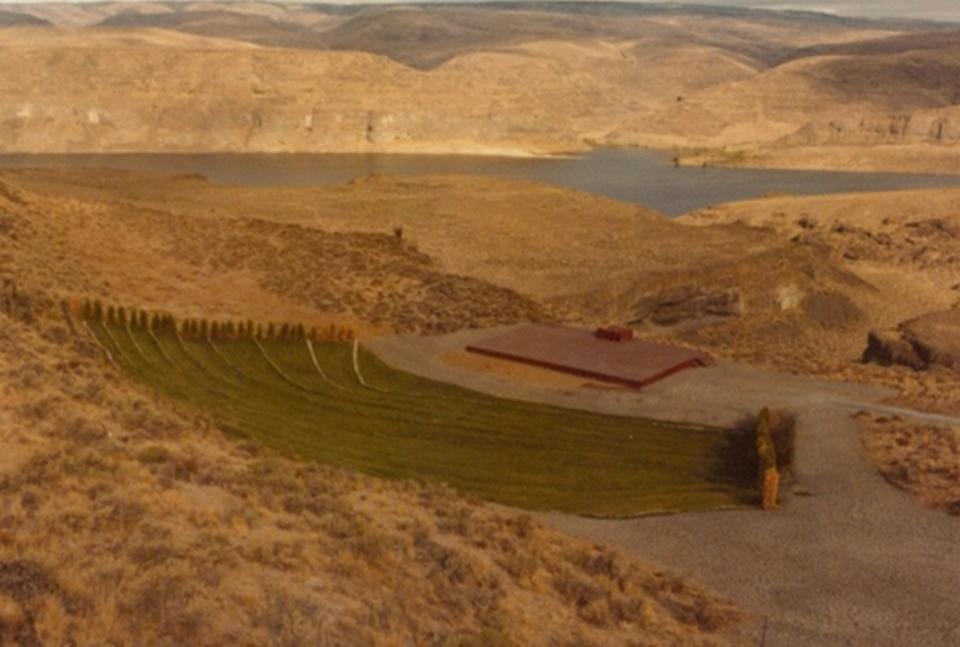
The venue didn’t start anywhere near 27,500. It opened in 1986 as the Champs de Brionne Music Theatre with a capacity of roughly 3,000, built on land originally planted for grapes. By 1993, expansion work had pushed capacity to around 19,000, and that same year MCA bought the site and renamed it the Gorge Amphitheatre.
Live Nation acquired the venue in 2006 and has kept expanding and refining the grounds since, landing at today’s 27,500 figure — split between the reserved seats and that famous sprawling lawn. The growth mirrors the Gorge’s rise from a regional curiosity to a nine-time Pollstar Award winner for Best Outdoor Music Venue.
Why the Lawn Capacity Matters So Much Here
At most amphitheaters, lawn seats are an afterthought tacked onto a reserved-seat bowl. At the Gorge, the lawn is the main event — it’s one of the steepest and largest grass seating areas in America, which is exactly what makes the Columbia River canyon visible behind the stage even from the very top row. The capacity math (far more GA than reserved) is part of why the venue feels less like a stadium and more like a music festival built into a hillside.
Planning Your Visit
Gates typically open about 90 minutes before showtime, though exact timing varies by event. Day parking is free in the main lots, with a paid STAR parking upgrade for spots closer to the gates; overnight parking in the day lots isn’t allowed, so anyone staying over needs a camping pass instead. Expect a wait of a couple hours getting in and out on big festival days, since tens of thousands of vehicles are funneling into a rural site with limited road access.
Camping is sold separately in tiers — Standard, Terrace, Premier, Gold, and Oasis — plus glamping, with the nearby Sagecliffe Resort & Spa as a hotel alternative. Bag policy is strict: small clutches and clear bags are fine, but backpacks, coolers, and luggage are not. For exact gate times, current ticket and camping prices, and the bag-size chart for your specific show, check the official Gorge Amphitheatre site before you go.
Visiting Tips
Book camping the moment it goes on sale for festival weekends, and bring layers — desert nights get cold fast after those famous sunsets. Sightlines are excellent nearly everywhere on both the lawn and in reserved seating, but house-left tends to give the best river views.
Photos
Protects little ears at concerts, fireworks and loud race days.
Instant crowd energy for night shows, festivals and tailgates.
Soak it, wear it, stay cool through a sun-baked afternoon set.


Gorge Amphitheatre FAQs
How many people does the Gorge Amphitheatre hold?
About 27,500 total — roughly 7,500 in reserved seating and 20,000 on the general admission lawn.
Is the Gorge Amphitheatre the biggest amphitheater capacity in Washington?
Yes — at 27,500, it’s the largest amphitheater capacity in the state and one of the largest outdoor concert venues in the country.
What’s the difference between reserved seats and lawn tickets at the Gorge?
Reserved seats are fixed, numbered chairs close to the stage. Lawn tickets are general admission on the grass hillside — first-come, first-served regardless of any row or seat number printed on the ticket.
Are PIT tickets part of the 27,500 capacity?
Yes. When offered, PIT tickets are sold out of the front portion of the general admission lawn rather than added on top of the venue’s total capacity.
Where is the Gorge Amphitheatre?
In George, Washington, above the Columbia River canyon — about 150 miles east of Seattle.
Why is the Gorge Amphitheatre famous?
For its staggering canyon-and-sunset backdrop, its massive lawn capacity, festival camping culture, and long-running traditions like Dave Matthews Band’s Labor Day weekend runs.
Get More from ThrillZing
Log the coasters, stadiums, and venues you’ve experienced, rate gorge amphitheatre capacity, and see what your friends thought. Get the ThrillZing app.
Want the day’s theme park news in your inbox? Subscribe to ThrillZing Daily — free.