
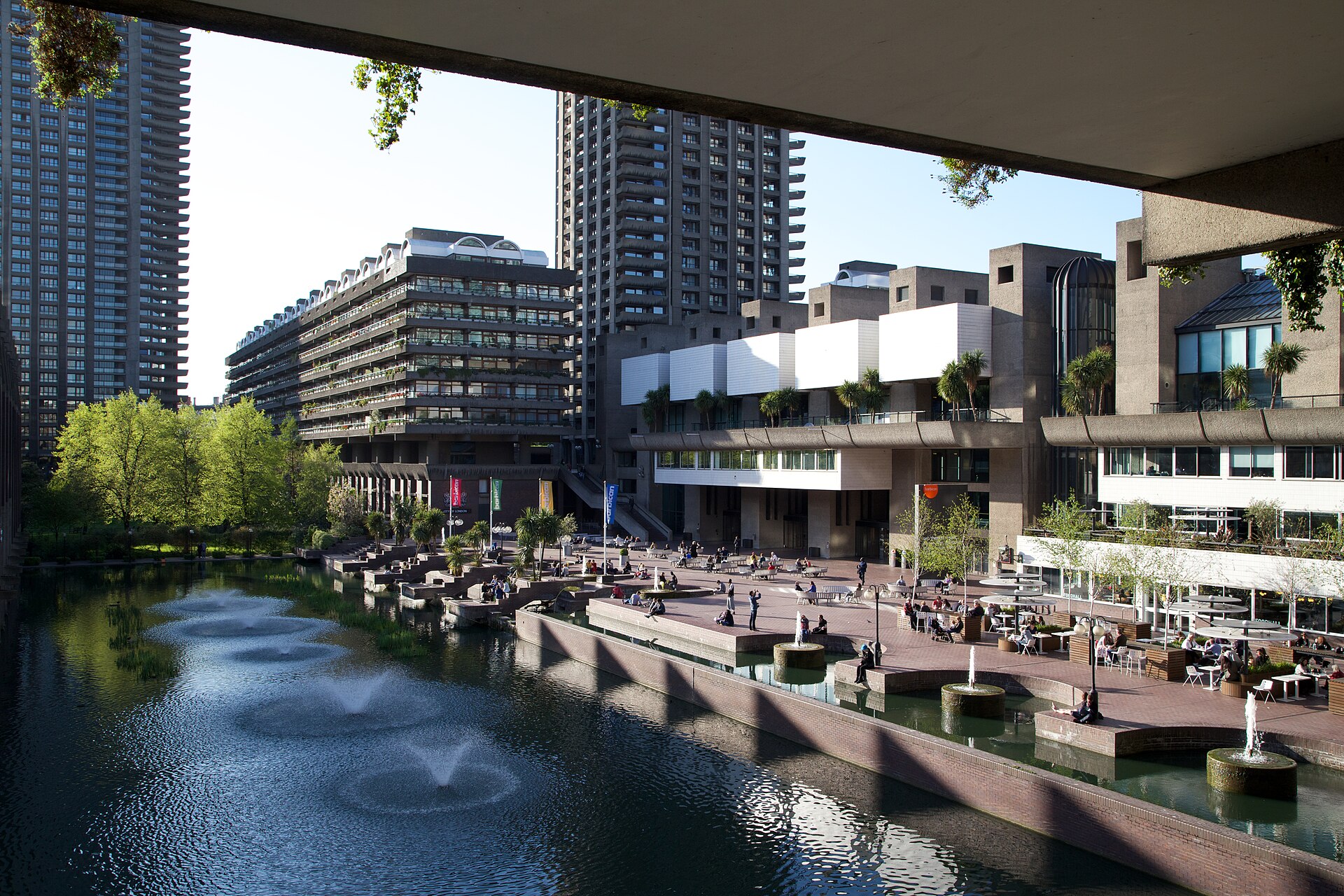
The Barbican Centre sits in the City of London on Silk Street, a sprawling Brutalist arts complex that opened on March 3, 1982, when Queen Elizabeth II formally unveiled it as “one of the wonders of the modern world.” Designed by the architecture firm Chamberlin, Powell and Bon, the centre was built on a site heavily bombed during World War II and was conceived as the City of London Corporation’s gift to the nation, ultimately costing around £161 million to construct.
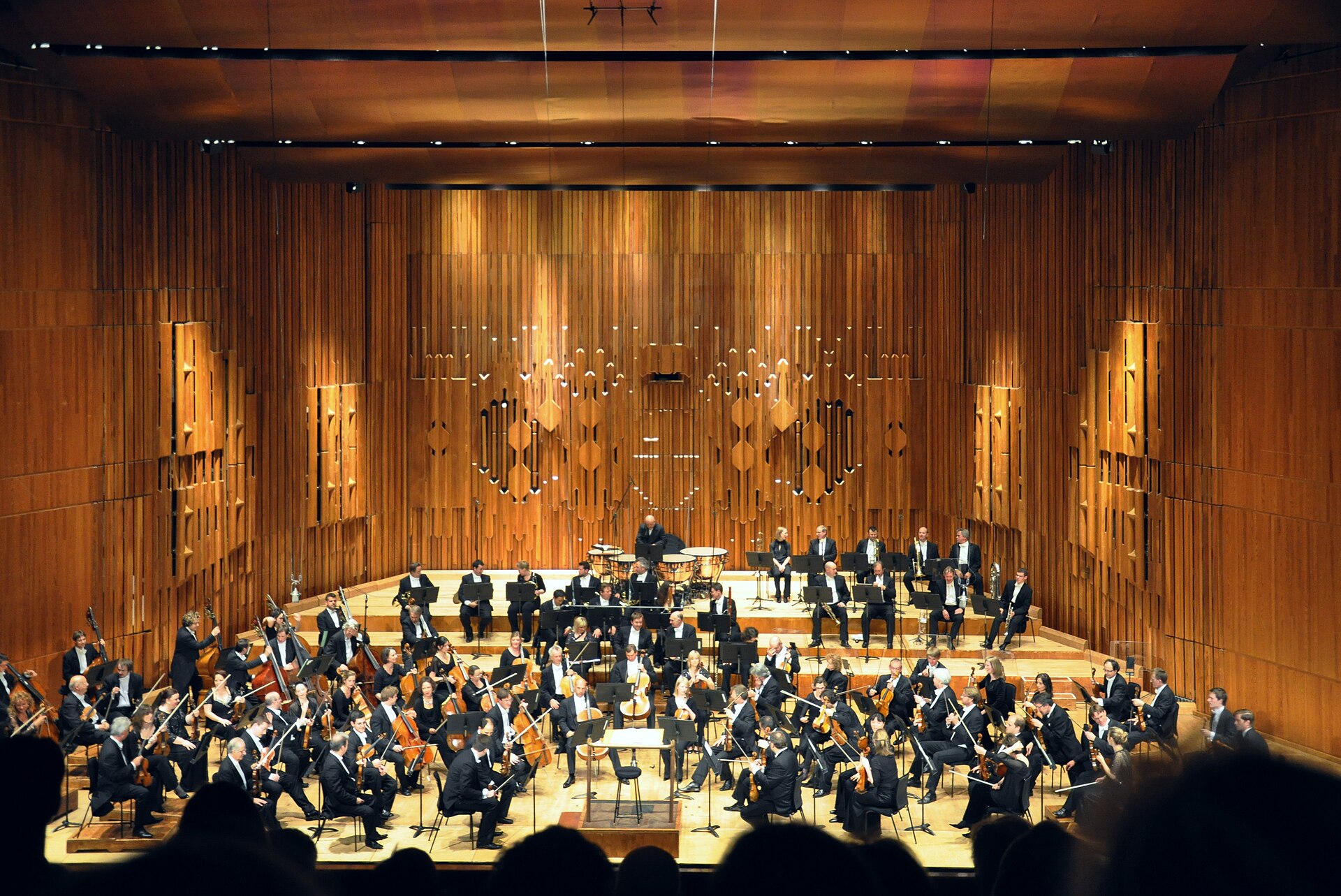
At its heart is the Barbican Hall, a concert space seating roughly 1,943 people that serves as the permanent home of the London Symphony Orchestra and hosts the BBC Symphony Orchestra. Beyond music, the wider centre houses a theatre, three cinema screens, an art gallery, a conservatory, a library, and multiple restaurants, making it one of the largest multi-arts venues in Europe.
Stats at a Glance
- Location: Silk Street, City of London, England
- Type: Concert hall / multi-arts centre
- Opened: March 3, 1982
- Capacity: About 1,943 seats (Barbican Hall)
- Architect: Chamberlin, Powell and Bon
- Famous for: Home of the London Symphony Orchestra
A Brutalist Landmark With a Wartime Backstory
The Barbican Centre rose from a stretch of the City of London that was devastated by Blitz bombing raids in the early 1940s. Rather than rebuild conventionally, planners commissioned a bold concrete complex combining housing, arts venues, and public space, designed by Chamberlin, Powell and Bon. Construction stretched across more than a decade before the centre finally opened in 1982, and its raw concrete style later earned it a Grade II listing in 2001, even as it was famously voted London’s ugliest building in a 2003 poll.
Music at the Barbican Hall
The Barbican Hall has served as the London Symphony Orchestra’s principal home since the centre opened, and it also hosts the BBC Symphony Orchestra alongside touring artists across classical, jazz, and contemporary genres. The hall underwent acoustic and interior refurbishments in 1994 and again in 2005-2006 to improve the concert experience. In 2024 the City of London Corporation approved a major renewal plan aimed at preserving the venue’s status as Europe’s largest multi-arts and conference centre for future decades.
Explore more: Explore more legendary music venues.
Barbican Centre FAQs
When did the Barbican Centre open?
It officially opened on March 3, 1982, when Queen Elizabeth II unveiled the venue.
What orchestra is based at the Barbican Centre?
The London Symphony Orchestra has been resident at the Barbican Hall since it opened, and the BBC Symphony Orchestra also performs there regularly.
How many people can the Barbican Hall seat?
The Barbican Hall seats approximately 1,943 people.
Get More from Barbican Centre
Log the coasters, stadiums, and venues you’ve experienced, rate Barbican Centre, and see what your friends thought. Get the ThrillZing app.
Photo: Daniel Case / CC BY-SA 3.0, via Wikimedia Commons.