
Custom Coasters International (CCI) was an American roller coaster manufacturer based in West Chester, Ohio, that became one of the most prolific builders of wooden coasters in the world during the 1990s. Founded on September 1, 1991, as Custom Coasters Incorporated by Denise Dinn-Larrick, her brother Jeff Dinn, and her husband Randy Larrick, the company was renamed Custom Coasters International in November 1994 as it began landing contracts with parks overseas.
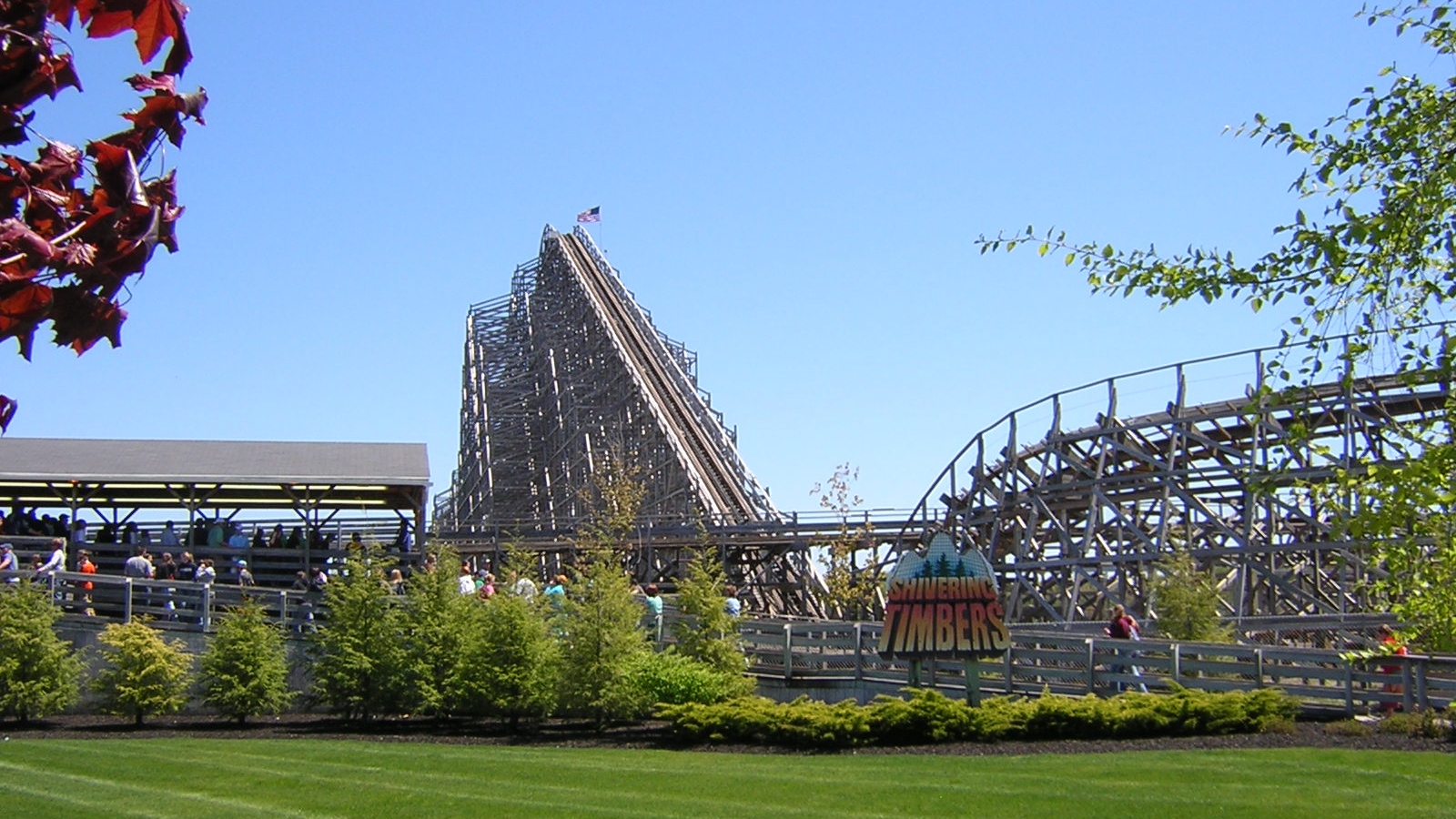
Denise Dinn-Larrick was the daughter of Charles Dinn, founder of the Dinn Corporation and a respected name in coaster design, and CCI built on that pedigree. The company’s debut ride, Sky Princess at Dutch Wonderland, opened in 1992, and CCI went on to construct 34 wooden coasters in just eleven years, more than any other manufacturer produced during that stretch. Landmark rides like GhostRider, Shivering Timbers, The Raven, and Boulder Dash cemented CCI’s reputation for fast, twisting, out-and-back and terrain-following layouts before the company’s 2002 bankruptcy brought its run to an end.
Stats at a Glance
- Founded: September 1, 1991 (as Custom Coasters Incorporated)
- Headquarters: West Chester, Ohio
- Renamed: Custom Coasters International, November 1994
- Coasters built: 34 wooden coasters in 11 years
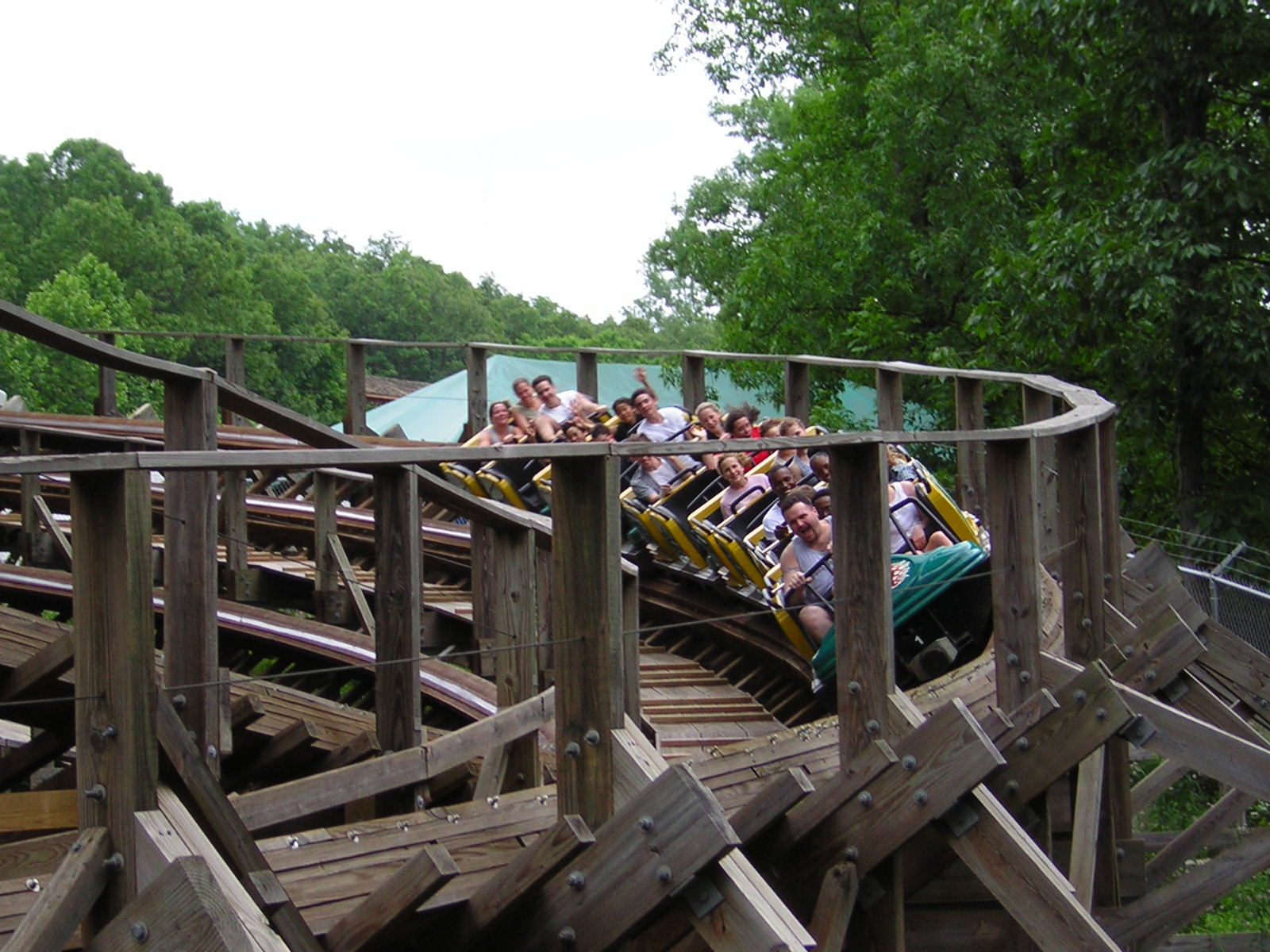
- Notable coasters: GhostRider, Shivering Timbers, The Raven, Boulder Dash, The Legend, Medusa, The Boss
- Peak year: 2000 (seven coasters opened)
- Closed: Filed for bankruptcy in 2002
- Successor: The Gravity Group, founded by former CCI engineers in 2002
From Family Coasters to Industry Leader
CCI initially marketed itself around small, affordable family wooden coasters, but its design team, which included engineers Mike Boodley and Bill Kelley and, from 1992, Larry Bill, quickly pushed toward larger, faster, more intense layouts. That shift produced some of the most celebrated wooden coasters of the era, including GhostRider at Knott’s Berry Farm and Shivering Timbers at Michigan’s Adventure, both still considered benchmarks of 1990s wood coaster design.
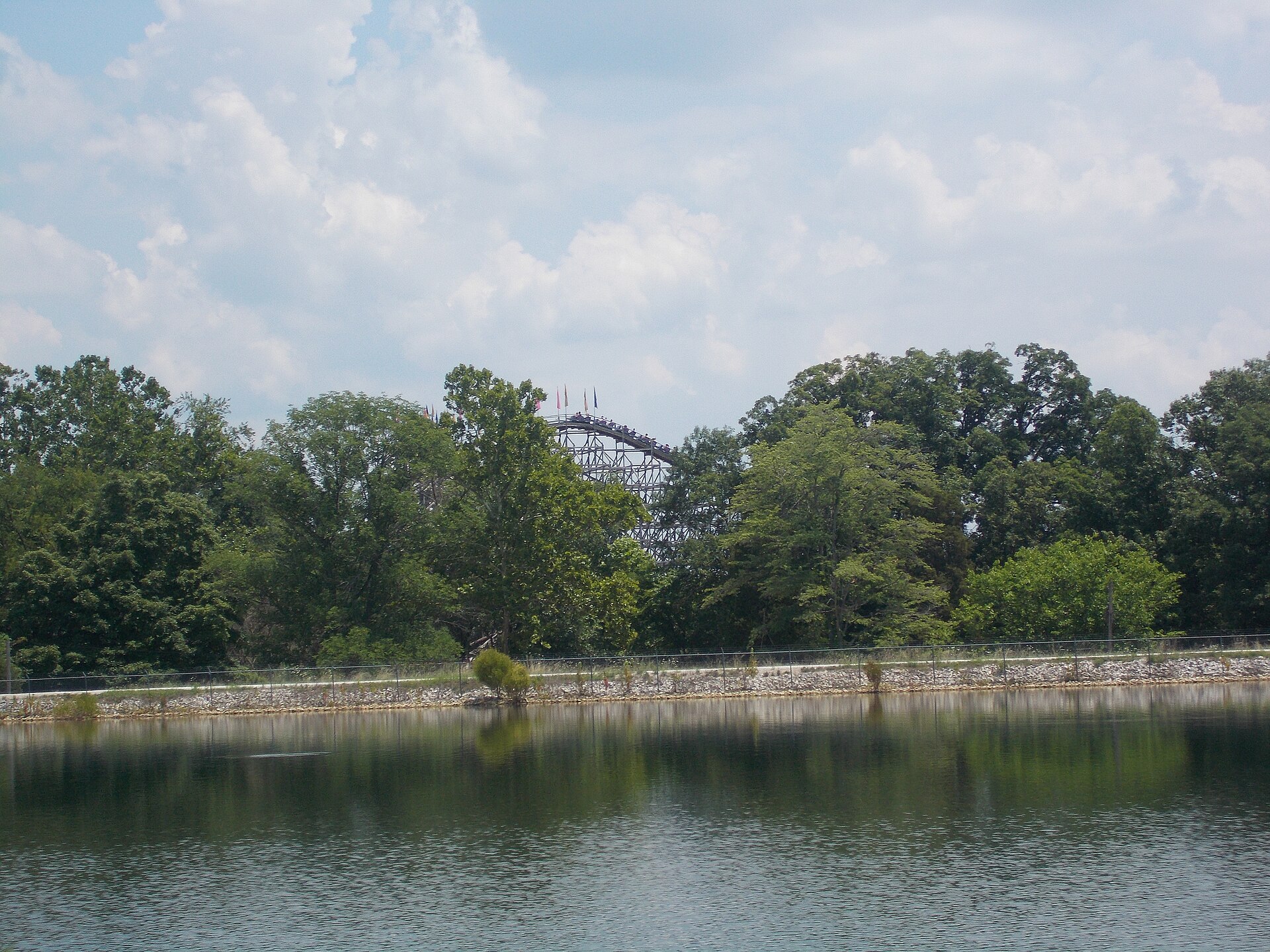
By the late 1990s CCI had more wooden coasters under its name than any competing manufacturer, and 2000 was its busiest year, with seven new coasters opening around the world, among them Medusa at Six Flags Mexico, The Boss at what was then Six Flags St. Louis (now Mid America Adventure), and The Legend at Holiday World.
Bankruptcy and Lasting Legacy
CCI’s run ended abruptly in 2002, when the company filed for bankruptcy while still constructing the New Mexico Rattler at Cliff’s Amusement Park. No reorganization was attempted, and the business was liquidated through Chapter 7 proceedings. Several of CCI’s own designers regrouped that same year to found The Gravity Group, which carried its terrain-hugging, high-airtime design philosophy forward into the next generation of wooden coasters.
Of the 34 coasters CCI built, roughly 28 were still operating in parks around the world in recent years, a testament to the durability of its designs decades after the company itself closed its doors.
Explore more: more roller coaster manufacturers.
Notable Custom Coasters International Coasters on ThrillZing
- The Legend — Holiday World & Splashin’ Safari
Browse every ride profile in our roller coaster guides.
Custom Coasters International FAQs
Is Custom Coasters International still in business?
No. CCI filed for bankruptcy in 2002 and was liquidated. Several of its designers went on to found The Gravity Group later that year.
How many roller coasters did Custom Coasters International build?
CCI built 34 wooden roller coasters over 11 years, with about 28 of them still operating at parks worldwide.
What is Custom Coasters International’s most famous coaster?
GhostRider at Knott’s Berry Farm and Shivering Timbers at Michigan’s Adventure are among CCI’s most celebrated and highly ranked wooden coasters.
Get More from Custom Coasters International
Log the coasters, stadiums, and venues you’ve experienced, rate Custom Coasters International, and see what your friends thought. Get the ThrillZing app.
Photo: Coasterman1234 at en.wikipedia / CC BY-SA 3.0, via Wikimedia Commons.