
Yorkshire Wildlife Park opened in 2009 on the site of Brockholes Farm, a former riding school and petting zoo near Branton, southeast of Doncaster in South Yorkshire. What began as a modest attraction with just 66,000 visitors in its first year has grown into one of Britain’s most-visited wildlife parks, drawing hundreds of thousands of guests annually to its walk-through, safari-style enclosures.
The park is best known for Project Polar, home to a group of polar bears living in one of the largest polar bear habitats in the world, complete with a deep pool holding millions of gallons of water. Beyond the polar bears, the park houses lions rescued from squalid conditions in Romania, Amur tigers, a critically endangered Amur leopard, and California sea lions, all set across themed lands designed to mimic natural habitats.
Stats at a Glance
- Location: Branton, near Doncaster, South Yorkshire, England
- Opened: 2009
- Size: About 100 acres, part of a larger 260-acre former farm site
- Species: Over 60 species
- Annual visitors: Roughly 650,000-680,000 (based on reported 2015 figures)
- Famous for: Project Polar, one of the world’s largest polar bear enclosures
The Wildlife Experience
Unlike traditional zoos with caged exhibits, Yorkshire Wildlife Park uses expansive, naturalistic enclosures that let visitors view animals across open landscapes. Project Polar stands out as the signature attraction, giving its polar bears room to roam and swim in a pool roughly eight metres deep. Lion Country lets guests walk alongside a pride of African lions that were rescued from a derelict zoo in Romania, while Land of the Tigers and Leopard Heights showcase Amur tigers and an Amur leopard, both endangered subspecies bred as part of coordinated conservation programs.
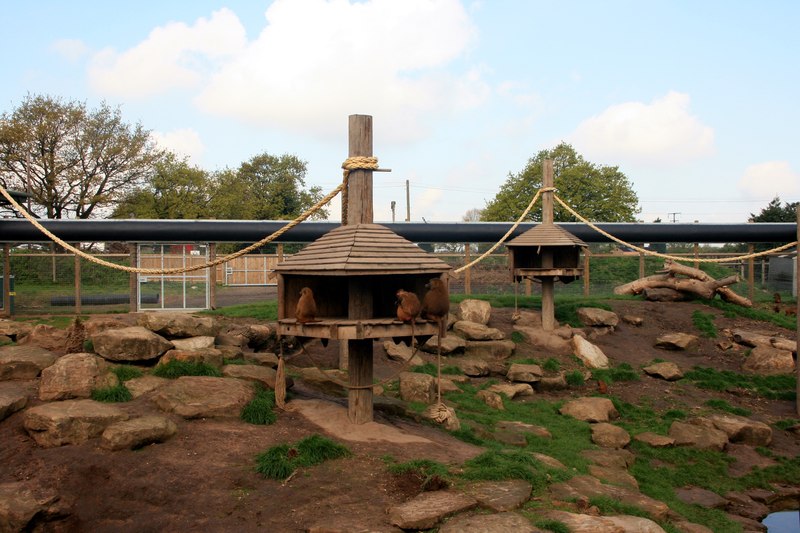
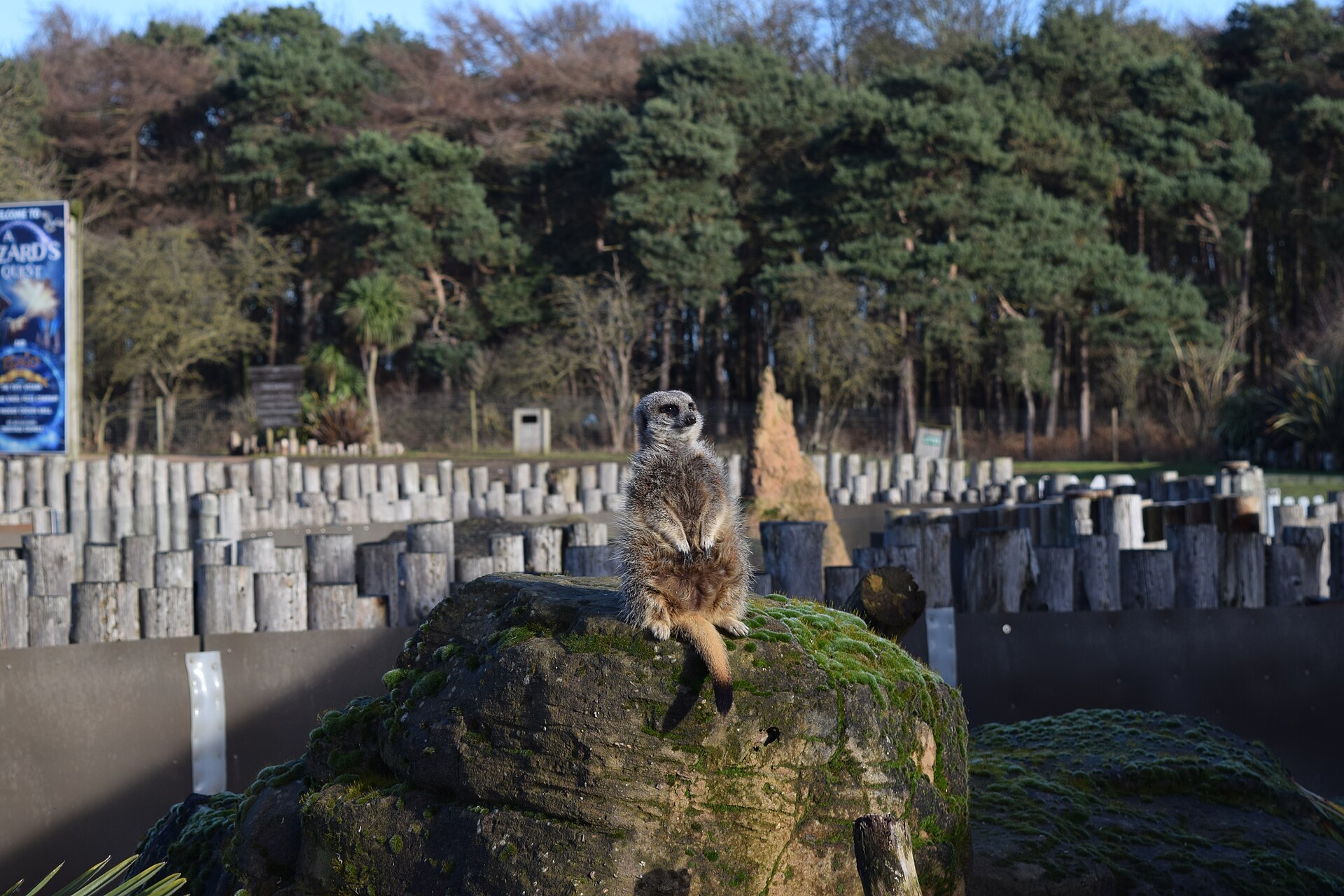
The park also features Point Lobos, billed as one of the largest filtered sea lion exhibits anywhere, along with giraffes, rhinos, cheetahs, meerkats, and red pandas spread across themed areas like Into Africa. The layout encourages a slow, safari-style walk rather than a quick loop, with most visits lasting a full day.
Conservation and Growth
Yorkshire Wildlife Park is an accredited member of both BIAZA (British and Irish Association of Zoos and Aquariums) and EAZA (European Association of Zoos and Aquaria), reflecting its role in breeding programs for threatened species like the Amur leopard and Amur tiger. Many of its animals, including its lions and some of its polar bears, arrived through rescue or rehoming efforts rather than captive breeding alone.
Since opening in 2009 with a fraction of its current animal population, the park has expanded steadily, adding new lands and enclosures roughly every few years. That growth has helped it become one of the standout wildlife attractions in the north of England, drawing comparisons to larger safari parks despite starting from a converted farm and petting zoo.
Explore more: Explore more zoos and aquariums.
A field guide that keeps the animal spotting going on the drive home and at home.
Zoo days are long and the shade isn't always where the animals are.
Clips to a stroller, wagon or backpack strap. Quiet enough that it won't wake a napping toddler.
Yorkshire Wildlife Park FAQs
Where is Yorkshire Wildlife Park located?
It’s in Branton, just southeast of Doncaster in South Yorkshire, England, on the site of a former farm and petting zoo.
What is Yorkshire Wildlife Park most famous for?
It’s best known for Project Polar, home to a group of polar bears in one of the largest polar bear habitats in the world, featuring a deep pool holding millions of gallons of water.
When did Yorkshire Wildlife Park open?
The park opened in 2009 on the grounds of Brockholes Farm, a former riding school and petting zoo.
Get More from Yorkshire Wildlife Park
Log the coasters, stadiums, and venues you’ve experienced, rate Yorkshire Wildlife Park, and see what your friends thought. Get the ThrillZing app.
Photo: Adam King 4damk / CC0, via Wikimedia Commons.