
Whipsnade Zoo opened on 23 May 1931 as a bold experiment by the Zoological Society of London: an open-air park where animals could roam expansive paddocks instead of cramped city enclosures. Set in the Chiltern Hills near Dunstable, Bedfordshire, it became the first zoo in Europe designed for easy public access to naturalistic, spacious habitats, drawing tens of thousands of visitors within its opening weeks.
Nearly a century later, Whipsnade remains the largest zoo in the United Kingdom, covering roughly 600 acres of countryside. It is home to over 10,000 animals across more than 200 species, from Asian elephants and rhinos to cheetahs and lemurs, and it operates as a working conservation charity under ZSL, supporting breeding programs for endangered wildlife worldwide.
Stats at a Glance
- Location: Whipsnade, near Dunstable, Bedfordshire, England
- Opened: 23 May 1931
- Size: About 600 acres (240 hectares)
- Species: Over 240 species
- Animal count: Around 10,000 animals
- Annual visitors: Roughly 920,000
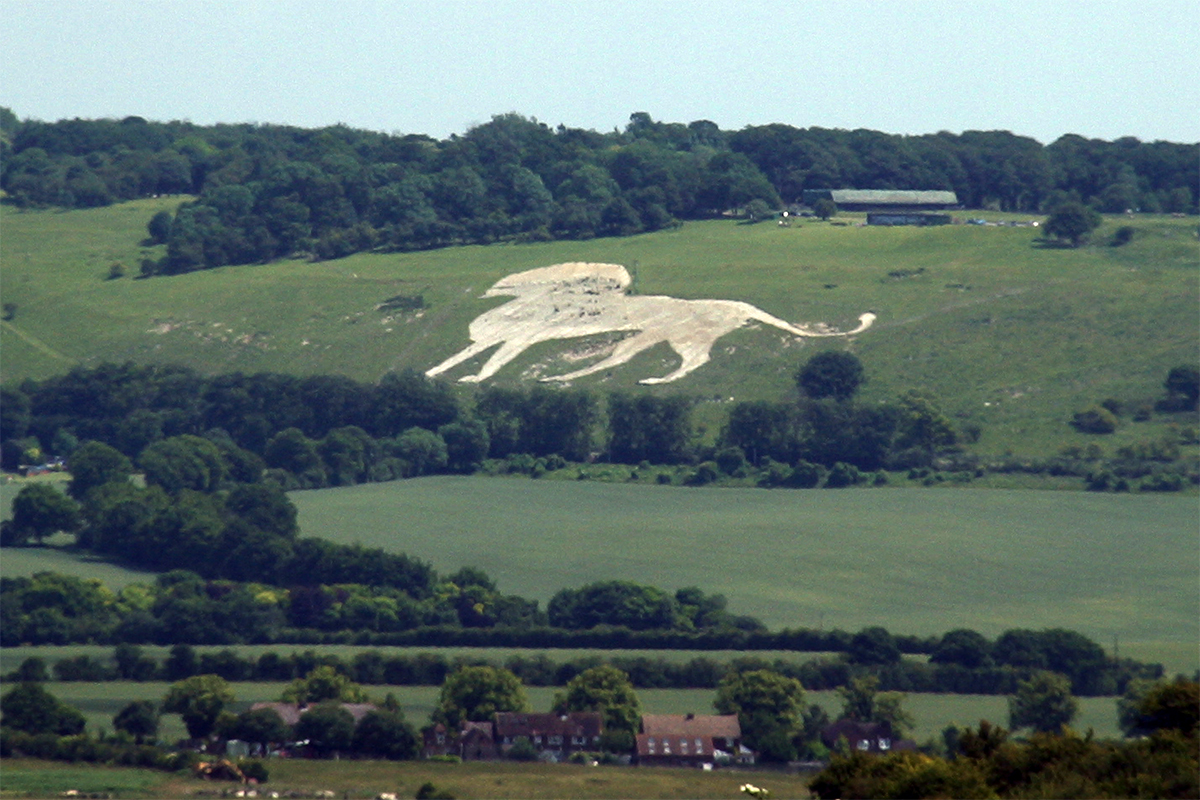
- Famous for: The Whipsnade White Lion, a giant chalk hill figure carved into the Downs
The Zoo Experience
Whipsnade’s scale sets it apart from typical city zoos: visitors can walk, drive, or ride the narrow-gauge Great Whipsnade Railway through sprawling paddocks. The Passage Through Asia area lets cars and the railway’s ‘Jumbo Express’ train pass directly among free-roaming camels, deer, and yaks with no fences in between.
Elsewhere, guests can walk through a lemur habitat, watch the resident Asian elephant herd in their paddock with pools and mud wallows, and catch the ‘Birds of the World’ show in the bird world amphitheatre, where parrots and birds of prey swoop low over the crowd. The park’s size means a full visit typically takes most of a day.
Conservation and the White Lion
As part of the Zoological Society of London, Whipsnade contributes to international breeding and conservation programs for threatened species, backed by an annual animal stocktake required by UK zoo licensing law. The zoo has long balanced public access with genuine conservation work.
Its most recognizable landmark is the Whipsnade White Lion, a chalk figure carved into the hillside and completed in 1933 to advertise the zoo from the air and nearby roads. Roughly 150 metres long, it was camouflaged during the Second World War to avoid aiding enemy navigation, and has since been periodically re-chalked, most recently in 2018, to keep it visible.
Explore more: Explore more Zoos & Aquariums.
A field guide that keeps the animal spotting going on the drive home and at home.
Zoo days are long and the shade isn't always where the animals are.
Clips to a stroller, wagon or backpack strap. Quiet enough that it won't wake a napping toddler.
Whipsnade Zoo FAQs
When did Whipsnade Zoo open?
Whipsnade Zoo opened on 23 May 1931, developed by the Zoological Society of London as Europe’s first easily accessible open-air zoo.
How big is Whipsnade Zoo?
The zoo covers about 600 acres (240 hectares) of Bedfordshire countryside, making it the largest zoo in the United Kingdom.
Does Whipsnade Zoo still have sea lions?
No. Whipsnade’s sea lion colony was transferred to Yorkshire Wildlife Park in February 2021. Visitors can instead catch the zoo’s ‘Birds of the World’ show in the bird world amphitheatre.
Get More from Whipsnade Zoo
Log the coasters, stadiums, and venues you’ve experienced, rate Whipsnade Zoo, and see what your friends thought. Get the ThrillZing app.
Photo: Mike Pennington / CC BY-SA 2.0, via Wikimedia Commons.