
Tracy Aviary has occupied a shady 8-acre corner of Liberty Park in Salt Lake City since 1938, when local banker Russell Lord Tracy donated his private collection of roughly 200 birds to the city. That gift grew into one of only two free-standing, AZA-accredited aviaries in the United States, a nonprofit dedicated to bird conservation and education rather than a general zoo.
Today the aviary is home to around 400 individual birds representing about 135 species, from condors and vultures to cranes, hornbills, and tropical rainforest species. Set among curated botanical gardens on the grounds of a 19th-century public park, it draws over 155,000 visitors a year who come for walk-through exhibits, pond-side duck feeding, and live bird programming.
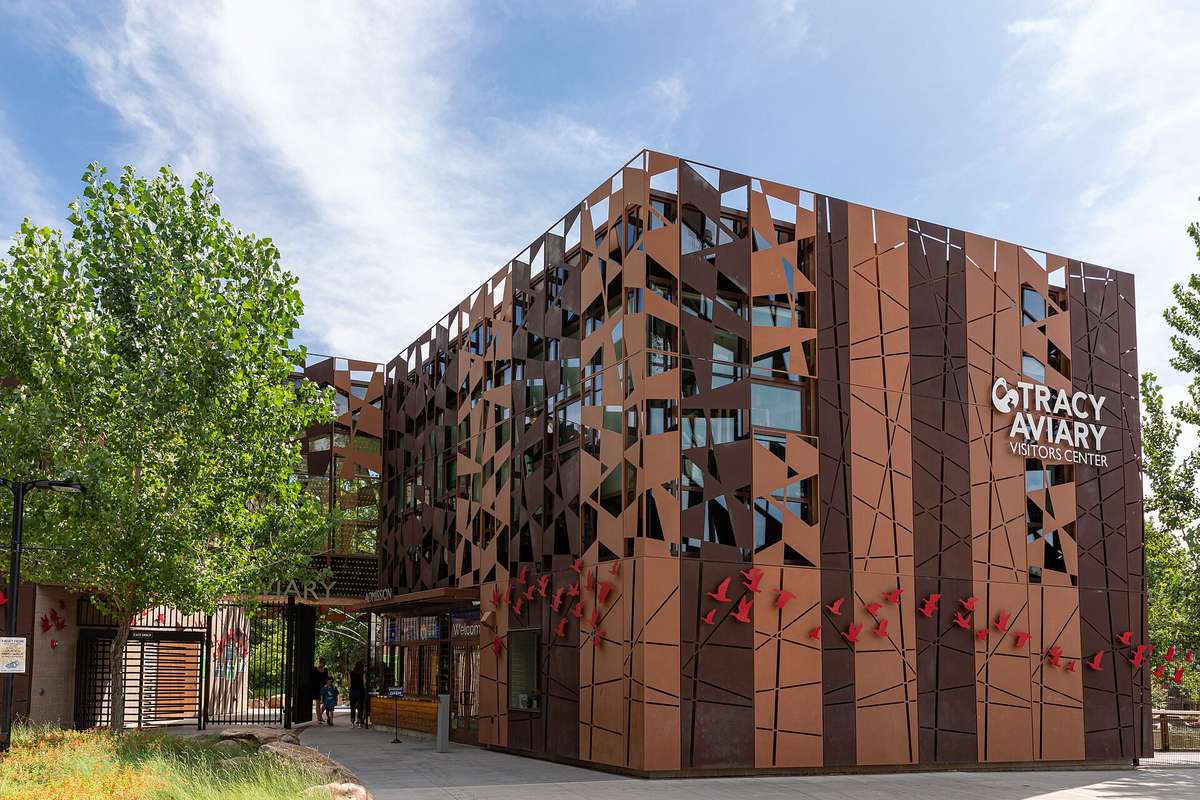
Stats at a Glance
- Location: Liberty Park, Salt Lake City, Utah
- Opened: July 2, 1938
- Hours: Daily, 9 a.m.–5 p.m. (last admission 4 p.m.)
- Size: About 8 acres
- Species: About 135 bird species
- Bird Count: About 400 individual birds
- Annual Visitors: More than 155,000 (2023)
- Famous For: One of only two free-standing aviaries in the U.S.
From a Banker’s Collection to an AZA Aviary
Tracy Aviary began with a single act of generosity: in 1938, Salt Lake City banker Russell Lord Tracy gave his personal bird collection to the city, and it opened to the public on the grounds of Liberty Park, which itself dates to 1882. The site had previously been home to the city’s original zoo in the early 20th century.
The aviary has since grown into an independent nonprofit accredited by the Association of Zoos and Aquariums, with a second campus, the Nature Center at Pia Okwai along the Jordan River, extending its conservation and education work beyond Liberty Park.
Visiting: Hours and What You’ll See
Tracy Aviary is open daily from 9 a.m. to 5 p.m., with the last admission sold at 4 p.m.; visitors should check the official site before a trip since hours can shift for holidays or special evening events. Inside the 8-acre grounds, winding paths lead through botanical gardens and walk-through exhibits housing species such as eagles, vultures, cranes, owls, and tropical birds like hornbills and curassows.
Visitors can buy feed to toss to the ducks and swans on the park ponds, and the aviary runs a free-flying bird show and educational programs throughout the season. A portion of every admission ticket goes directly to Tracy Aviary’s Conservation Fund, tying the visitor experience to the organization’s broader mission of bird and habitat conservation.
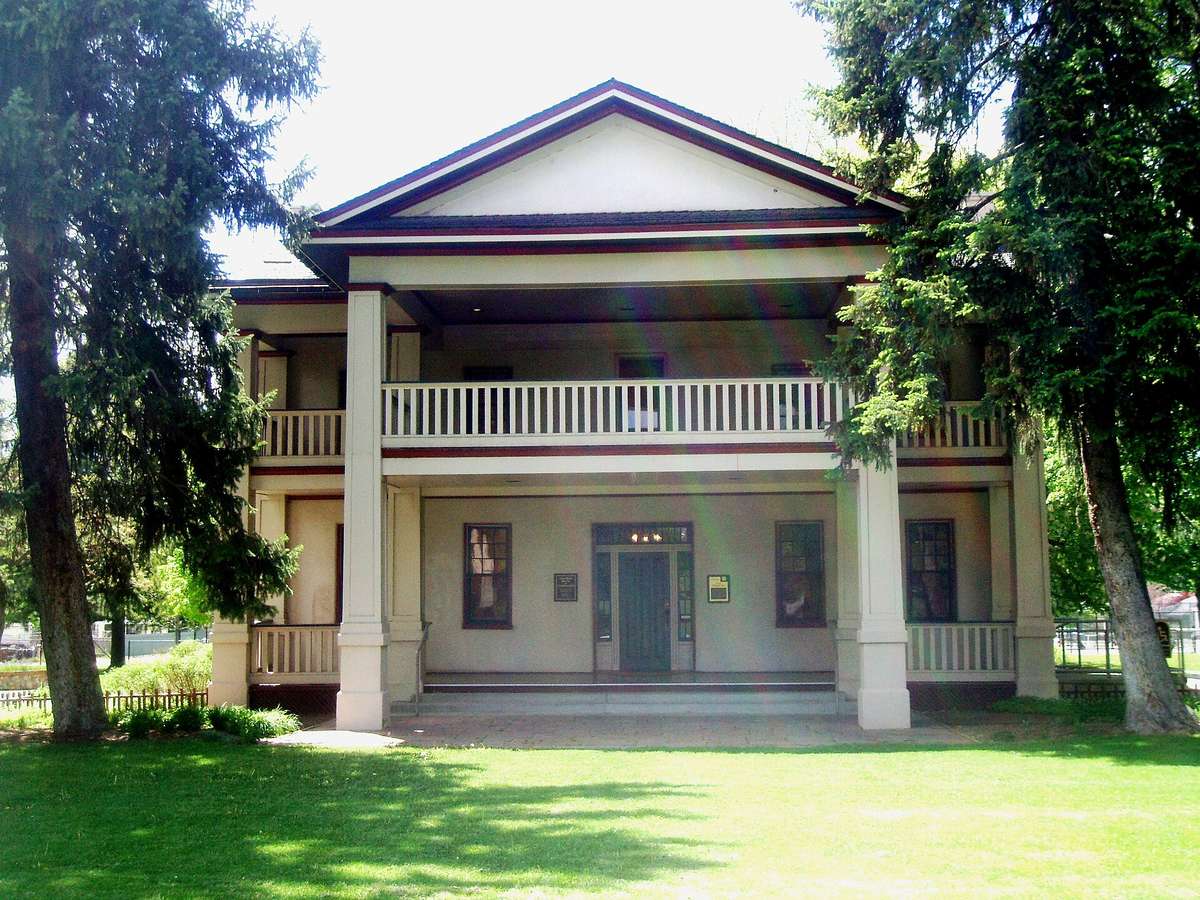
Explore more: Explore more zoos and aquariums.
Rubber-armored for small hands, so kids can find the snow leopard before the adults do.
A field guide that keeps the animal spotting going on the drive home and at home.
Zoo days are long and the shade isn't always where the animals are.
Tracy Aviary FAQs
What are Tracy Aviary’s hours?
Tracy Aviary is open daily from 9 a.m. to 5 p.m., with last admission sold at 4 p.m.; it’s worth confirming hours on the official site before visiting, since holidays and special events can change them.
When did Tracy Aviary open?
It opened to the public on July 2, 1938, after banker Russell Lord Tracy donated his personal collection of about 200 birds to Salt Lake City.
How many species live at Tracy Aviary?
It houses roughly 400 individual birds representing about 135 species, from cranes and vultures to tropical hornbills.
Get More from Tracy Aviary
Log the coasters, stadiums, and venues you’ve experienced, rate Tracy Aviary, and see what your friends thought. Get the ThrillZing app.
Photo: Tricia Simpson / CC BY-SA 3.0, via Wikimedia Commons.