
Thiruvananthapuram Zoo (also known as Trivandrum Zoo) in the capital of Kerala is one of the oldest zoos in India — and one of the oldest anywhere in Asia. A zoo and public park were opened here in 1859 to draw more visitors to the adjoining museum, and the institution has been welcoming the public ever since, ranking it among the oldest zoos in the world still operating.
The zoo owes its existence to the royal family of Travancore. Maharaja Swathi Thirunal Rama Varma, who ruled from 1830 to 1846, kept a menagerie of tigers, panthers, cheetahs, deer, bears and even a lioness at his stables. His brother Uthram Thirunal Marthanda Varma and the British Resident General William Cullen carried the idea forward: a committee formed in 1855 established the Napier Museum, opened to the public in September 1857, and the zoo and park followed two years later.
Key Stats
| Opened | 1859 (museum committee formed 1855; museum opened 1857) |
| Location | Thiruvananthapuram, Kerala, India |
| Animals / species | 82 species from around the world |
| Area | 55 acres (about 22 hectares) |
From Royal Menagerie to Conservation Zoo
Like most 19th-century zoos, Thiruvananthapuram Zoo was originally built with the iron-barred cages typical of the era, and its purpose was straightforwardly recreational. That philosophy has changed completely. As Kerala’s forests and wildlife came under pressure from development, the zoo’s mission shifted from recreation to conservation, and a modernization project launched in 1995 has been gradually replacing the old cages with spacious, naturalistic enclosures, funded and guided by the state government with help from the Central Zoo Authority of India.
The Animals: India’s Big Names in One Park
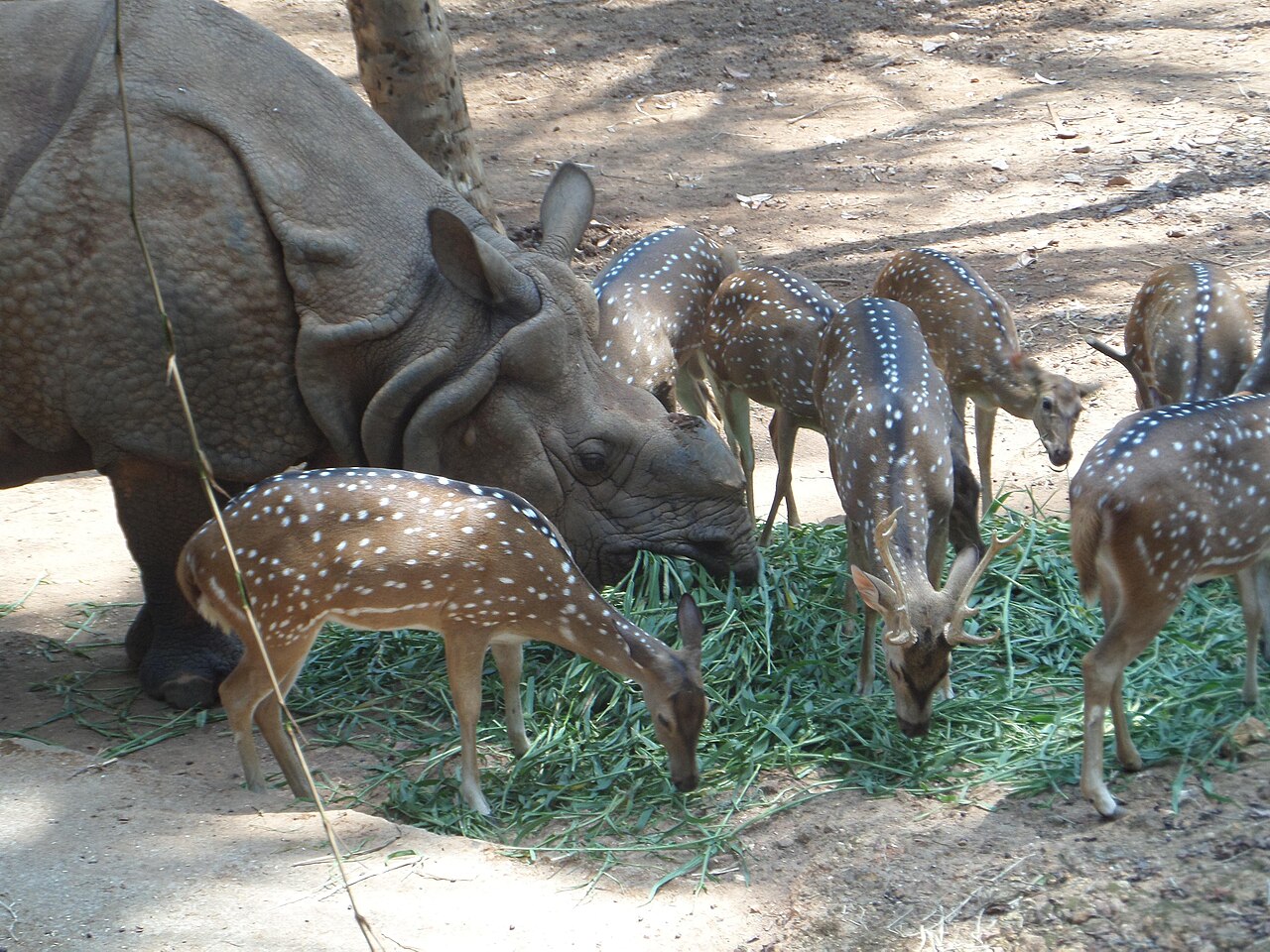
The zoo is home to 82 species, with a strong emphasis on the Indian subcontinent’s own wildlife. Native residents include the Indian rhinoceros, Asiatic lion, royal Bengal tiger, white tiger, leopard, sloth bear, striped hyena, gaur, nilgai, blackbuck and several species of deer — spotted, sambar, hog and swamp deer among them. Two of Kerala’s most iconic endemic primates, the lion-tailed macaque and the Nilgiri langur, are also kept here. African animals such as hippos and Cape buffalo round out the collection.
Visiting the Zoo Today
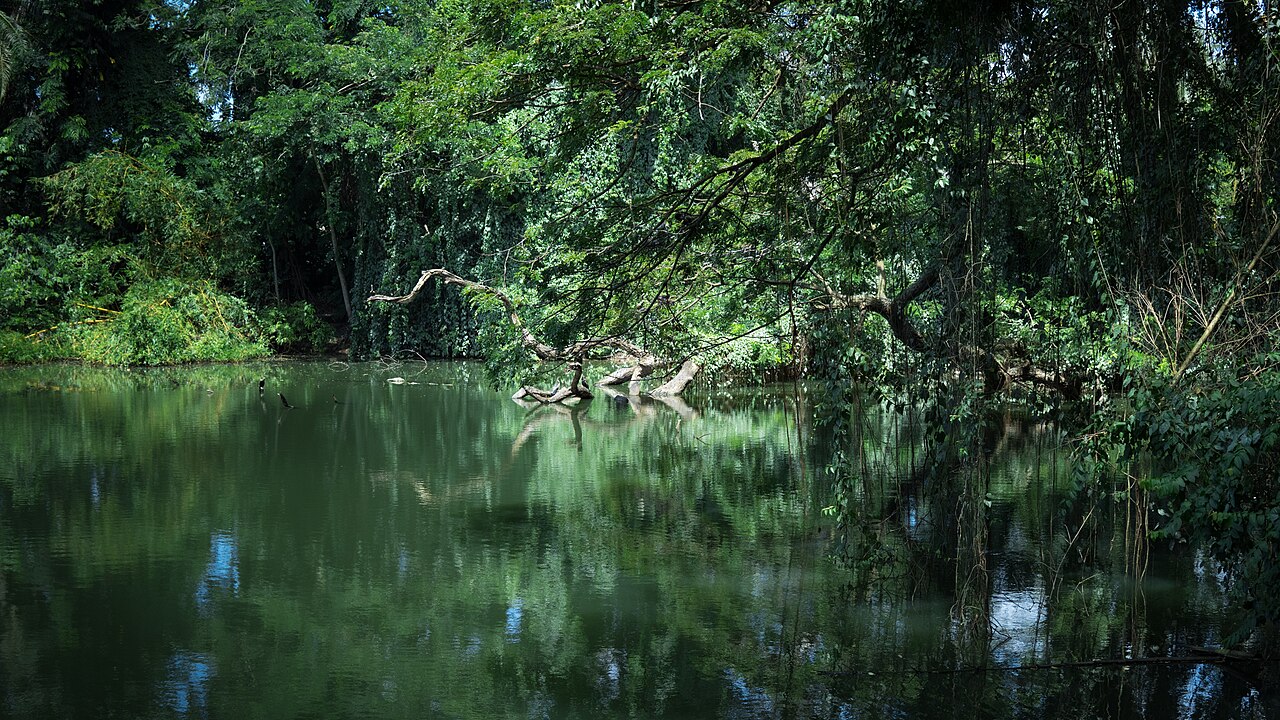
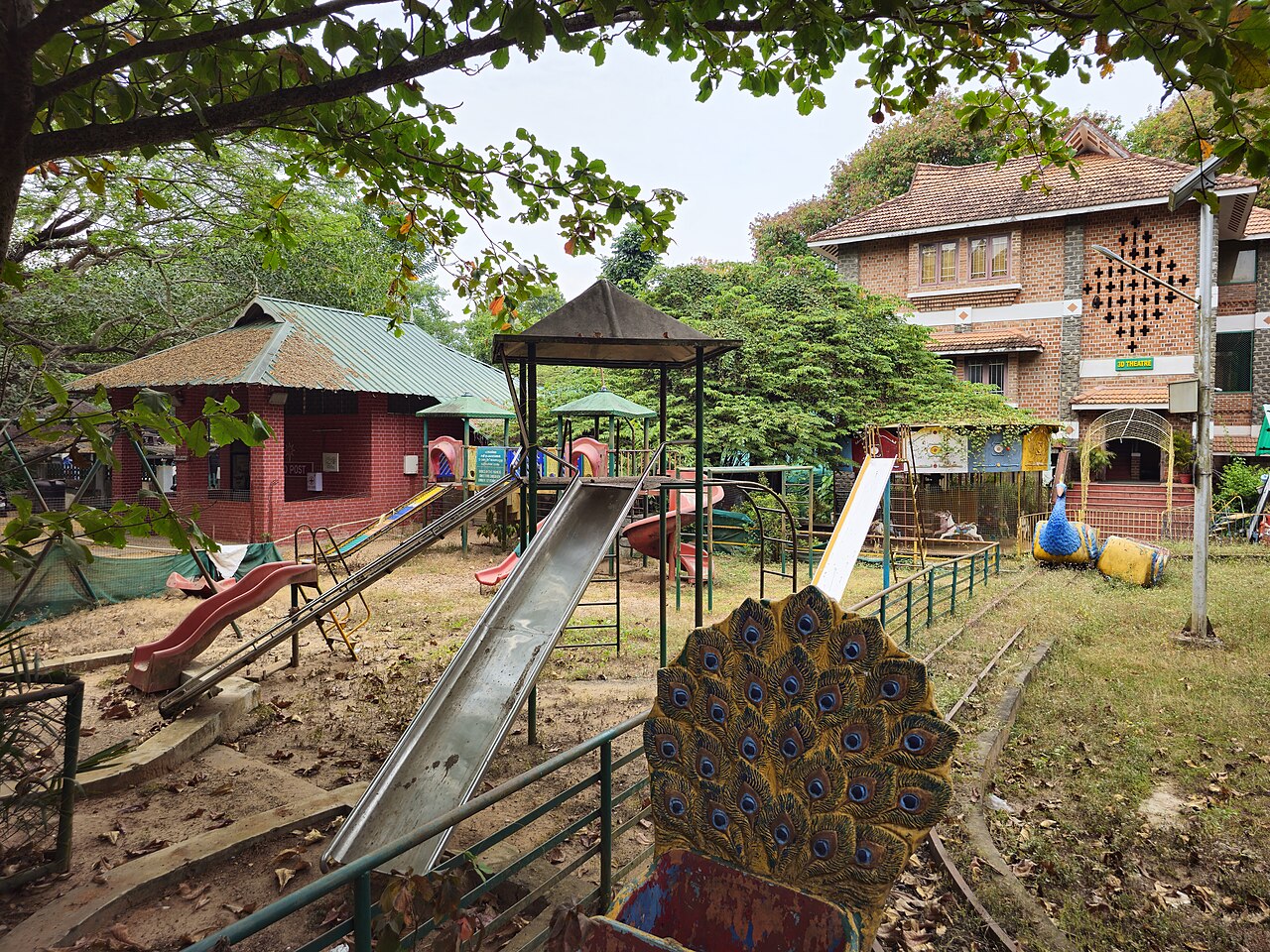
The zoo sits in the heart of Thiruvananthapuram on a wooded 55-acre campus that it shares with the Napier Museum and its botanical gardens, making it easy to combine the two in a single outing. The grounds themselves — lakes, lawns and mature trees — are as much of a draw as the animal collection, and the ongoing renovation means many animals are now seen in open, moated enclosures rather than cages.
Easier on your back than carrying in arms all day at the zoo.
Cheap insurance for splash zones, water rides and surprise showers.
Rubber-armored for small hands, so kids can find the snow leopard before the adults do.
FAQ
Is Thiruvananthapuram Zoo the oldest zoo in India?
It is one of the very oldest. The zoo opened in 1859, only a few years after the earliest zoos on the subcontinent, and it has operated continuously ever since — enough to place it 11th on our list of the world’s oldest operating zoos.
How big is Thiruvananthapuram Zoo?
The zoo covers 55 acres (about 22 hectares) of woodland, lakes and lawns in the centre of the city, on the same campus as the Napier Museum.
What animals can you see there?
Highlights include the Indian rhinoceros, Asiatic lion, Bengal and white tigers, sloth bears, lion-tailed macaques, Nilgiri langurs, hippos and Cape buffalo — 82 species in total.
Photo: Shijan Kaakkara via Wikimedia Commons (CC BY-SA 4.0)