
Taronga Zoo overlooks Sydney Harbour from the suburb of Mosman, offering one of the most scenic zoo settings in the world. Opened at its current harbourside site on October 7, 1916, after relocating from an earlier home at Moore Park, the zoo takes its name from an Aboriginal word meaning “beautiful view” — a fitting description given the panoramas of the Harbour Bridge and Opera House visible from many of its exhibits.
Managed by the Taronga Conservation Society Australia, the zoo pairs its role as a major tourist attraction with active conservation work, running breeding programs for endangered species such as Sumatran tigers and regent honeyeaters. It is the sister facility to Taronga Western Plains Zoo in Dubbo, which hosts its own thriving, multi-generational Asian elephant breeding herd, and visitors commonly arrive by a short ferry ride from Circular Quay, making the journey itself part of the experience.
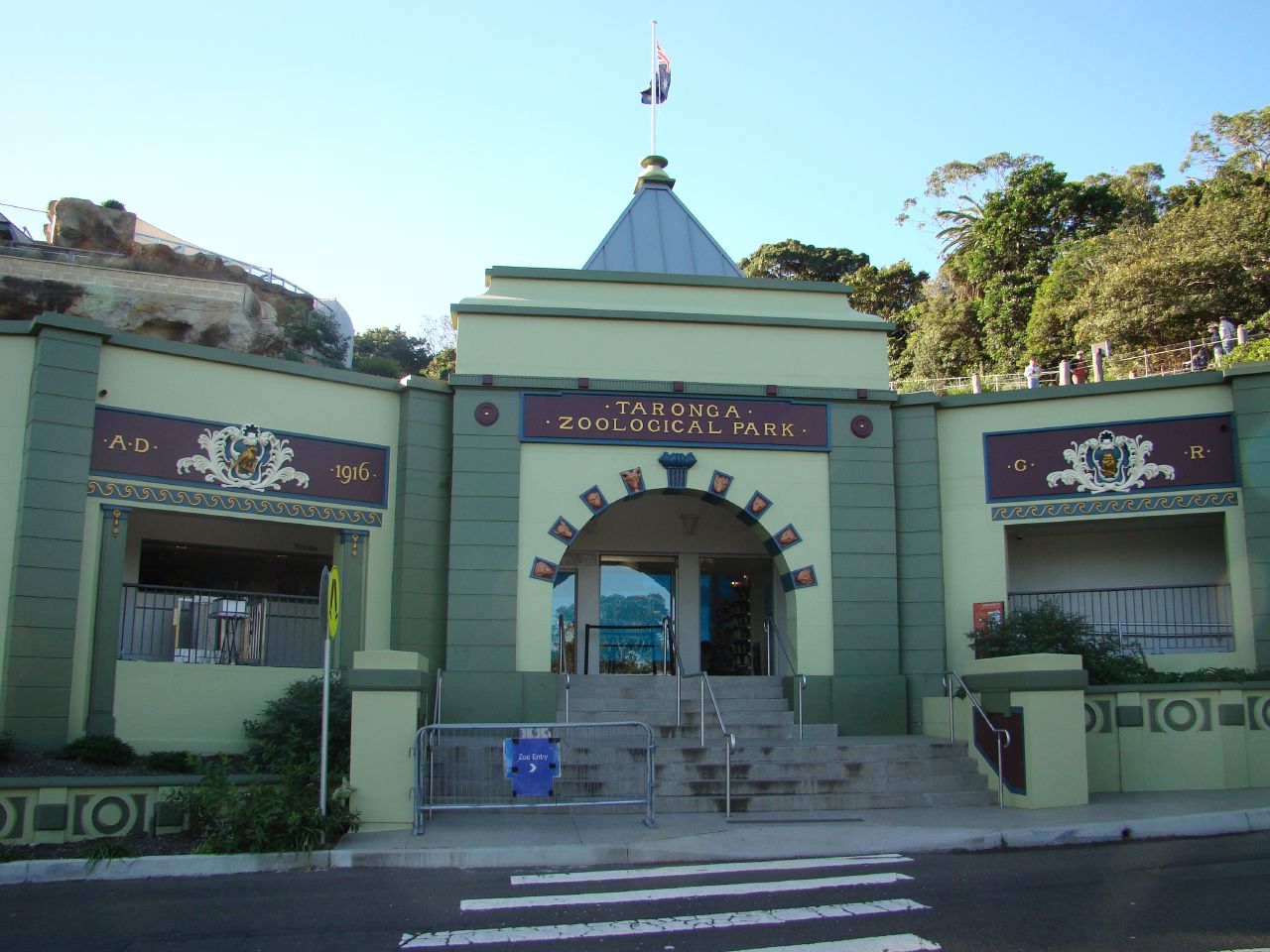
Stats at a Glance
- Location: Mosman, Sydney, New South Wales, Australia
- Opened: October 7, 1916 (current site)
- Size: 28 hectares (69 acres)
- Species/Animal Count: about 5,000 animals across roughly 350 species
- Annual Visitors: around 1.5 million
- Famous For: Sydney Harbour views and its long-running platypus breeding program
The Zoo Experience
Taronga Zoo is organized into zoogeographic precincts, including Wild Australia, the African Savannah, and the Rainforest Trail, allowing visitors to move through habitats grouped by region rather than species type. The Sky Safari cable car carries guests over exhibits with harbour views as a backdrop, and the historic Rustic Bridge, which opened in 1915, remains one of the zoo’s older structures.
Beyond its Australian natives like koalas, platypuses, and Tasmanian devils, the zoo houses Sumatran tigers, giraffes, and a range of primates, reptiles, and birds. Taronga Zoo Sydney’s Asian elephants — the species it has always kept, not African elephants — were relocated in 2025 as part of a welfare-driven plan, moving to Monarto Safari Park in South Australia to join a new social herd alongside elephants from Auckland Zoo and Perth Zoo. Taronga’s own Asian elephant breeding program continues at its sister site, Taronga Western Plains Zoo in Dubbo, home to a separate multi-generational herd. An on-site Wildlife Retreat allows overnight stays adjacent to some animal habitats, extending the visit beyond standard zoo hours.
Conservation and History
Taronga’s roots trace back to 1884, when Sydney’s original zoo opened at Moore Park before outgrowing its site and relocating to the current Mosman location in 1916. Since then, the zoo has become a centre for conservation breeding, notably becoming just the second zoo in Australia to successfully breed platypuses, and later recording Australia’s first Asian elephant birth in 2009, part of a breeding program that began when the zoo received Asian elephants from Thailand in 2006.
Today the zoo operates under the Taronga Conservation Society Australia, which also runs the Taronga Institute of Science and Learning, reflecting a dual mission of public education and species preservation alongside its role as one of Sydney’s most visited attractions.
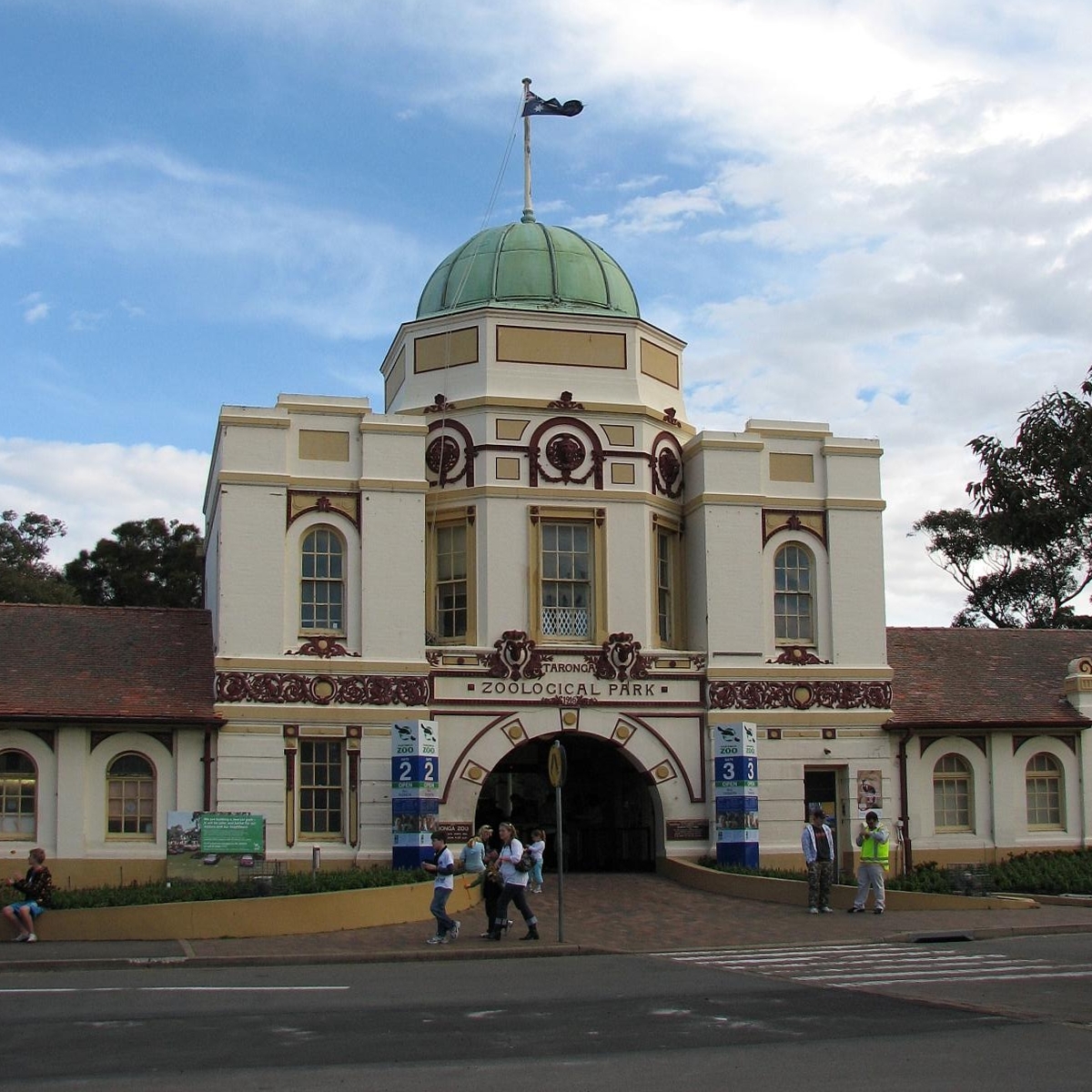
Explore more: Explore more top zoos and aquariums.
Little hands reach in, snacks stay in — a lifesaver on long zoo days.
Easier on your back than carrying in arms all day at the zoo.
Cheap insurance for splash zones, water rides and surprise showers.
Taronga Zoo FAQs
Where is Taronga Zoo located?
Taronga Zoo is located in Mosman on Sydney Harbour’s Lower North Shore, New South Wales, Australia, and is commonly reached by ferry from Circular Quay.
How many animals live at Taronga Zoo?
The zoo is home to more than 5,000 animals representing approximately 350 species, spanning Australian natives and animals from Africa, Asia, and beyond.
Does Taronga Zoo Sydney still have elephants?
No. Taronga’s elephants have always been Asian elephants, not African elephants. Sydney’s last two were relocated in 2025 to Monarto Safari Park in South Australia to join a new social herd, while Taronga’s own Asian elephant breeding herd continues at its sister site, Taronga Western Plains Zoo in Dubbo.
Get More from Taronga Zoo
Log the coasters, stadiums, and venues you’ve experienced, rate Taronga Zoo, and see what your friends thought. Get the ThrillZing app.
Photo: Coekon / CC BY-SA 4.0, via Wikimedia Commons.