
Singapore Zoo opened its gates on June 27, 1973, in the Mandai forest area of Singapore, introducing what became known as the “open concept” zoo design. Rather than caging animals, the zoo used moats, hidden barriers, and glass panels to create naturalistic habitats, letting visitors view creatures like lions, giraffes, and hippos as though they were roaming free in the wild.
More than five decades later, Singapore Zoo remains one of the most acclaimed wildlife parks in the world, drawing millions of visitors a year. It is best known for housing one of the largest captive colonies of orangutans on the planet and for pioneering the world’s first free-ranging orangutan exhibit, where the primates swing through the treetops above walking paths. Today it operates as part of the Mandai Wildlife Reserve alongside Night Safari, River Wonders, and Bird Paradise.
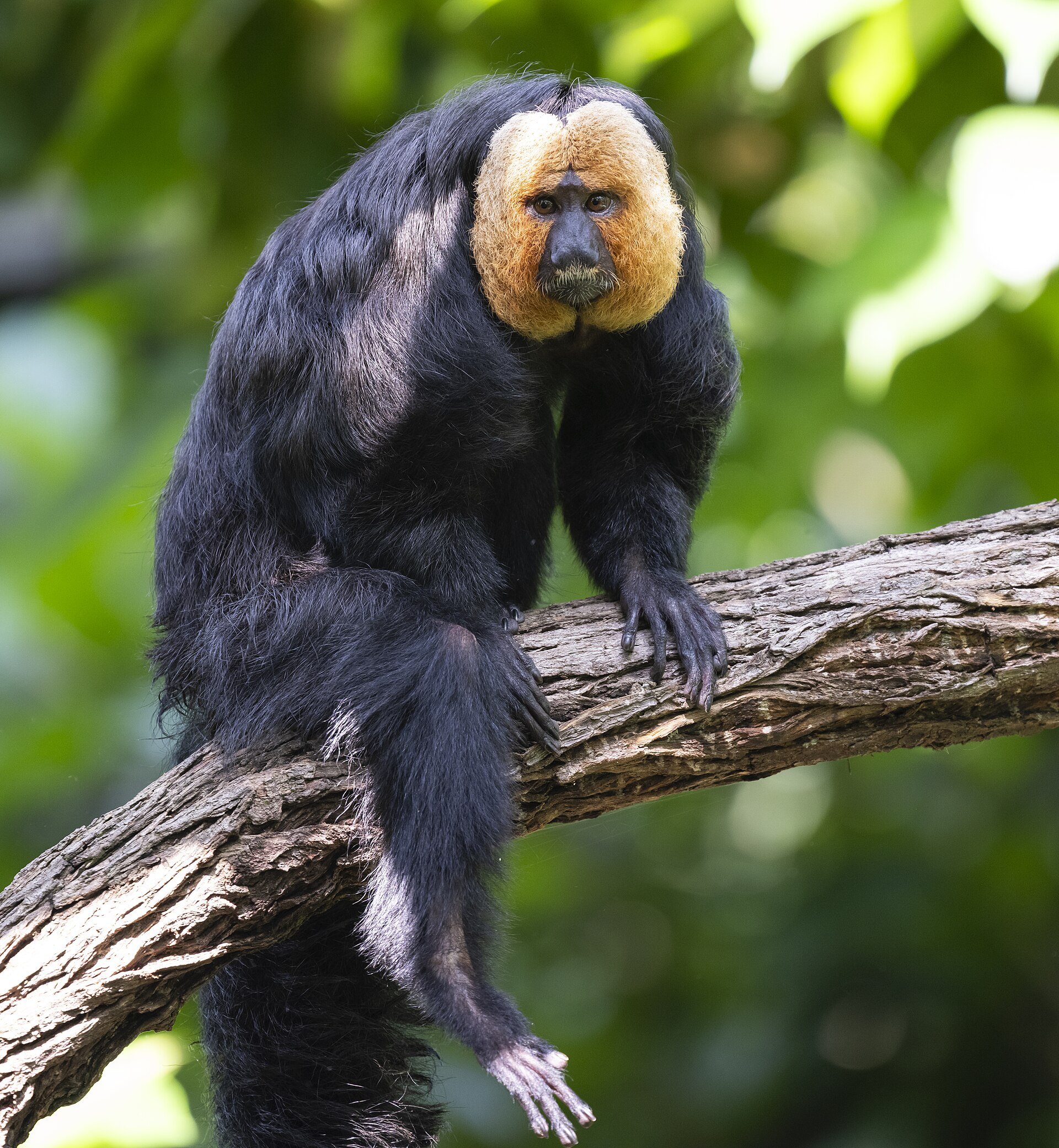
Stats at a Glance
- Location: Mandai, Singapore
- Opened: June 27, 1973
- Size: 28 hectares (69 acres)
- Species: Several hundred species and thousands of individual animals
- Annual visitors: In the millions
- Famous for: Pioneering open-concept, cage-free habitat design and the world’s first free-ranging orangutan exhibit
The Ride Experience
Singapore Zoo isn’t built around thrill rides but around close, unobstructed encounters with animals in landscaped, rainforest-like settings. Its signature draw is the free-ranging orangutan habitat, where the apes move through overhead rope bridges and tree canopies with no cages separating them from visitors below. Other highlights include the Fragile Forest biodome, Great Rift Valley of Ethiopia exhibit, and daily animal presentations that bring guests within feet of elephants, primates, and big cats.
The zoo’s open-concept layout, considered groundbreaking when it debuted in the early 1970s, replaced traditional bars and cages with dry and wet moats, glass viewing panels, and natural vegetation. This approach influenced zoo design worldwide and remains central to how Singapore Zoo presents its many species today.
Visitor Guide: Hours, Tickets & Getting There
Singapore Zoo is open daily from 8:30am to 6:00pm, with last entry at 5:00pm. Admission is tiered by age, with young children entering free, and unlimited rides on the zoo’s tram are included with every ticket. Singapore residents can access discounted local pricing, and visitors combining Singapore Zoo with Night Safari, River Wonders, Bird Paradise, or Rainforest Wild Adventure can typically save by booking a multi-park pass. Because ticket pricing and promotions change periodically, it’s worth checking the official Mandai Wildlife Reserve website before your visit for the current rates.
The zoo sits at 80 Mandai Lake Road within the Mandai Wildlife Reserve, roughly a 30-minute drive from downtown Singapore via the CTE/SLE or PIE/BKE expressways, with on-site parking at the reserve’s East Carpark. Visitors without a car can take a shuttle bus from Khatib MRT station (fees and schedules subject to change) or public buses such as 927 and 138 directly to the zoo entrance.
Explore more: Explore more top zoos and aquariums.
A stick means no greasy hands. Reapply quickly between the penguins and the giraffes.
Let them photograph their own favorite animals — and keep your phone in your pocket.
Hauls kids, coolers and souvenirs across a big zoo or park, folds flat for the trunk.
Singapore Zoo FAQs
When did Singapore Zoo open?
Singapore Zoo opened on June 27, 1973, in the Mandai area of Singapore.
What is Singapore Zoo famous for?
It’s known for pioneering the open-concept zoo design, which uses moats and natural barriers instead of cages, and for housing the world’s first free-ranging orangutan exhibit.
What are Singapore Zoo’s hours, and how much are tickets?
The zoo is open daily from 8:30am to 6:00pm (last entry 5:00pm). Ticket prices vary by age and residency status and are updated periodically, so check the official Mandai Wildlife Reserve website for current rates before visiting.
Get More from Singapore Zoo
Log the coasters, stadiums, and venues you’ve experienced, rate Singapore Zoo, and see what your friends thought. Get the ThrillZing app.
Photo: Drew / CC BY 3.0, via Wikimedia Commons.