
Prospect Park Zoo is a compact, family-oriented zoo tucked into the eastern side of Prospect Park in Brooklyn, New York. Operated by the Wildlife Conservation Society (WCS), the same nonprofit behind the Bronx Zoo, New York Aquarium, and Central Park Zoo, it traces its roots to a small menagerie that existed in the park as early as 1890, long before the modern facility took shape.
The zoo as visitors know it today opened as a city zoo on July 3, 1935, part of a citywide parks revitalization effort under Parks Commissioner Robert Moses. After closing for a major renovation in 1988, it reopened on October 5, 1993, as the Prospect Park Wildlife Conservation Center, with redesigned interiors built inside the original 1930s brick buildings designed by architect Aymar Embury II.
Stats at a Glance
- Location: Prospect Park, Brooklyn, New York
- Opened: July 3, 1935 (rededicated October 5, 1993)
- Size: About 12 acres
- Species: About 150 species, nearly 400 animals
- Annual visitors: About 300,000
- Operator: Wildlife Conservation Society
- Famous for: Sea lion pool and the Discovery Trail
The Zoo Experience
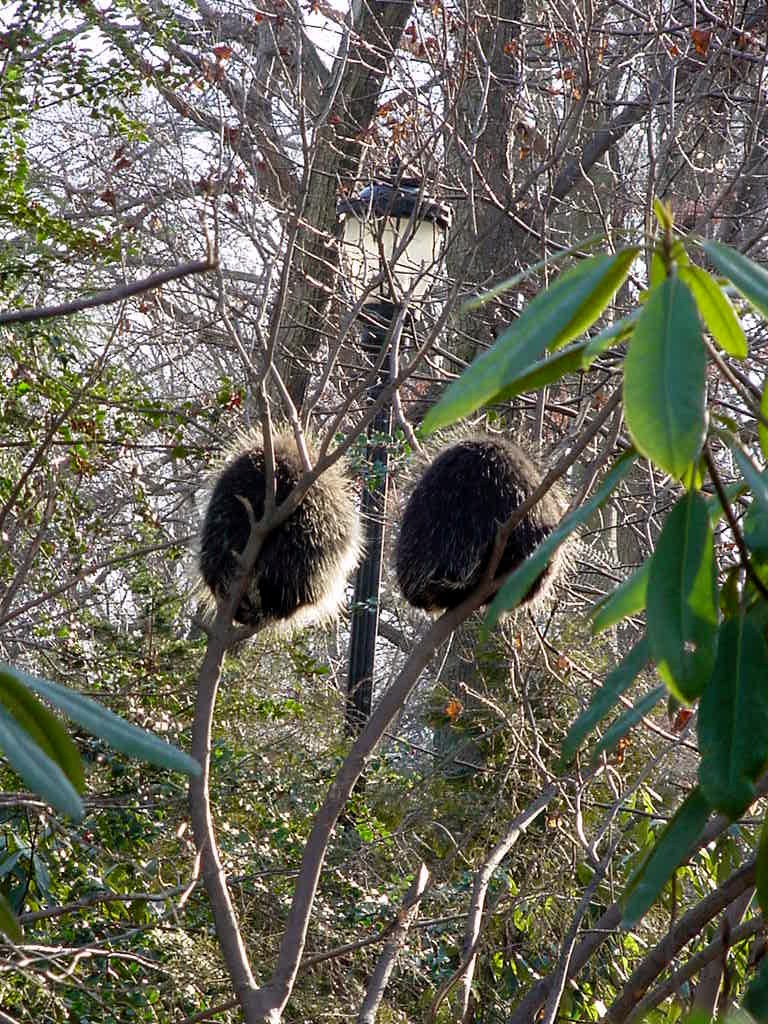
Prospect Park Zoo is built around a handful of themed areas rather than sprawling acreage, which makes it especially manageable for families with young children. The Discovery Trail lets visitors get close to prairie dogs, porcupines, red pandas, and otters, while the indoor Animal Lifestyles building houses hamadryas baboons, small wild cats such as Pallas’s cats and black-footed cats, tamarins, and meerkats. A working farm exhibit, Animals in Our Lives, introduces kids to domestic animals like goats and sheep.
One of the zoo’s most recognizable features is its sea lion pool, a holdover from the original 1930s design, where California sea lions perform for crowds during scheduled feedings. The zoo has also been recognized for its work propagating threatened species, reflecting its role in conservation alongside public exhibition.
History and Renovation
The original Prospect Park menagerie dates back to 1890, but the zoo most visitors recognize today was built in 1935 as part of Robert Moses’s broader overhaul of New York City’s park system. Architect Aymar Embury II designed a half-circle of six brick buildings centered on a seal pool, a layout still visible in the zoo’s footprint.
By the late 1980s the aging facility needed an overhaul, and it closed in June 1988 for a five-year, $37 million renovation. When it reopened in 1993 under new management by the Wildlife Conservation Society, it emphasized naturalistic, immersive habitats over the barred cages of its earlier era, joining the WCS’s network of accredited New York City zoos and aquariums.
Explore more: Explore more zoos and aquariums.
Hauls kids, coolers and souvenirs across a big zoo or park, folds flat for the trunk.
Little hands reach in, snacks stay in — a lifesaver on long zoo days.
Easier on your back than carrying in arms all day at the zoo.
Prospect Park Zoo FAQs
Who operates Prospect Park Zoo?
The Wildlife Conservation Society (WCS) operates Prospect Park Zoo, along with the Bronx Zoo, Central Park Zoo, Queens Zoo, and the New York Aquarium.
How big is Prospect Park Zoo?
The zoo covers about 12 acres within Prospect Park in Brooklyn, making it one of the more compact zoos in New York City.
What animals can you see at Prospect Park Zoo?
Visitors can see red pandas, California sea lions, Pallas’s cats, black-footed cats, hamadryas baboons, meerkats, tamarins, prairie dogs, and farm animals, among roughly 150 species.
Get More from Prospect Park Zoo
Log the coasters, stadiums, and venues you’ve experienced, rate Prospect Park Zoo, and see what your friends thought. Get the ThrillZing app.
Photo: Garry R. Osgood, with Sony Mavica FD-90 with f 2.8 lens / CC BY-SA 3.0, via Wikimedia Commons.