
The North Carolina Zoo in Asheboro is widely recognized as the world’s largest natural habitat zoo, overseeing roughly 2,805 acres in the Uwharrie foothills of the Piedmont region, including wildlife conservation lands like Ridges Mountain Nature Preserve. Since opening to the public in 1974, it has grown into one of only two state-supported zoos in the United States, alongside the Minnesota Zoo, and remains a flagship attraction for North Carolina tourism.
Rather than cramming animals into small enclosures, the zoo’s design philosophy emphasizes expansive, naturalistic habitats grouped by continent. Visitors walk through Africa and North America regions where elephants, giraffes, gorillas, polar bears, and bison roam across acreage that dwarfs most traditional zoos. An Asia region expansion, which broke ground in 2022, is expected to further grow the park’s developed footprint in the coming years.

Stats at a Glance
- Location: Asheboro, North Carolina
- Opened: August 13, 1974
- Size: About 2,805 acres total (512 developed)
- Species/Animal Count: Over 250 species, 1,700+ animals
- Annual Visitors: Over 1 million (first reached in 2023)
- Operator: North Carolina Department of Natural and Cultural Resources
- Famous For: World’s largest natural habitat zoo
A Zoo Built on Space
What sets the North Carolina Zoo apart is sheer scale. The zoo oversees roughly 2,805 acres of land, though only about 512 acres are currently developed for exhibits and visitor facilities, with the remainder preserved as wildlife conservation land. That extra room lets animals like African elephants, giraffes, and rhinos roam across grasslands that mimic their native ranges far more closely than conventional enclosures.
The zoo’s North America region showcases native species like polar bears, bison, and elk within re-created cypress swamps, prairies, and rocky mountain terrain, while the Africa region recreates savanna and forest habitats. The zoo is also home to one of the largest chimpanzee troops in the country and the largest collection of Alaskan seabirds in the United States.
History and Growth
The zoo began as a state park initiative in the late 1960s, with an interim zoo opening in 1974 before the full park’s phased development continued over subsequent decades. It has been accredited by the Association of Zoos and Aquariums since 1984, reflecting its ongoing investment in animal welfare and conservation programs.
Perhaps its most famous historical resident was Ham the Chimp, the first hominid launched into space in 1961, who lived out his later years at the North Carolina Zoo from 1980 until his death in 1983. Today the park continues to expand, with an Asia region groundbreaking held in 2022 and additional conservation land acquisitions, including a 2024 addition, growing its total footprint.
Explore more: Explore more Zoos & Aquariums.
Little hands reach in, snacks stay in — a lifesaver on long zoo days.
Easier on your back than carrying in arms all day at the zoo.
Cheap insurance for splash zones, water rides and surprise showers.


North Carolina Zoo FAQs
Where is the North Carolina Zoo located?
The North Carolina Zoo is located in Asheboro, North Carolina, roughly 75 miles west of Raleigh and 25 miles south of Greensboro.
How big is the North Carolina Zoo?
The zoo oversees about 2,805 acres total, with roughly 512 acres currently developed for exhibits, making it the world’s largest natural habitat zoo.
How many animals live at the North Carolina Zoo?
The zoo is home to more than 1,700 animals representing over 250 species, housed in expansive naturalistic habitats organized by continent.
Get More from North Carolina Zoo
Log the coasters, stadiums, and venues you’ve experienced, rate North Carolina Zoo, and see what your friends thought. Get the ThrillZing app.
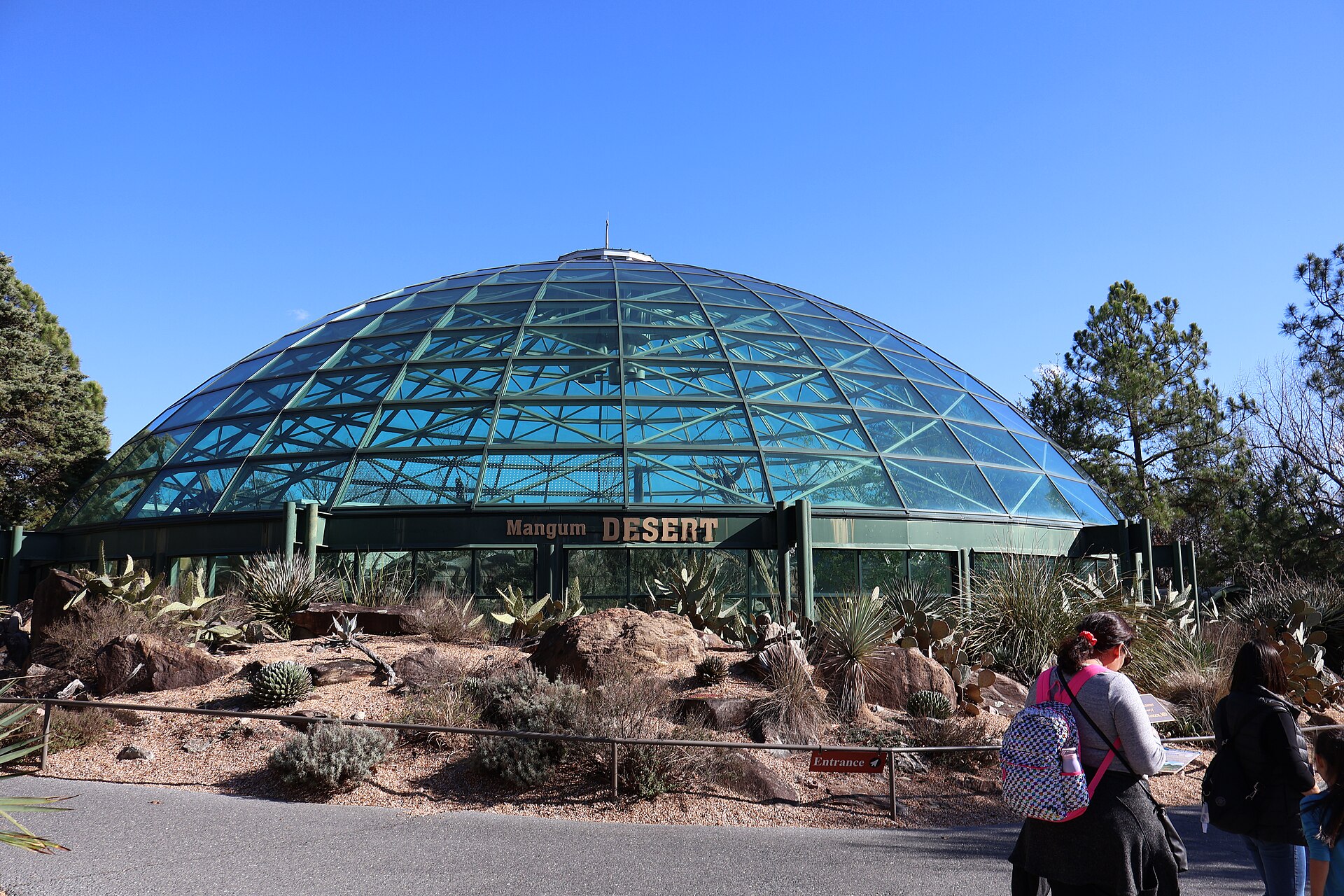
Photo: Diane Villa / CC BY-SA 4.0, via Wikimedia Commons.