
The Mulhouse Zoological & Botanical Park (Parc Zoologique et Botanique de Mulhouse) was created in 1868 by a group of philanthropist industrialists led by Charles Thierry-Mieg, on the wooded Rebberg heights at the edge of the Tannenwald forest in Alsace, France. More than 150 years later it is a rare double institution: a serious zoo and a nationally honored botanical garden sharing 25 hectares.
The park keeps more than 900 animals of about 170 species — including the Arctic residents of its Grand Nord zone — alongside roughly 3,500 plant varieties that have earned it the French Ministry of Culture’s “Remarkable Garden” label. Its 1868 founding places it firmly among the oldest zoos in the world still operating.
Stats at a Glance
- Location: Rebberg district, Mulhouse, Alsace, France
- Opened: 1868
- Area: 25 hectares (about 62 acres)
- Animals: More than 900 animals of about 170 species, plus 3,500 plant varieties
- Annual visitors: About 400,000 (2014, eleventh among French zoos)
- Famous for: Combining a zoo with a “Remarkable Garden” and leading European breeding programs for primates and lemurs
Built by Industrialists, Rebuilt Twice
The park began in 1868 as a four-hectare romantic landscape garden funded by Mulhouse’s textile industrialists, with a modest animal collection of kangaroos, deer, and birds. Its start was rocky: the Franco-Prussian War of 1870 forced the park to close and sell off its animals. After changing owners twice, the city of Mulhouse bought the park in 1893, and it has remained in public hands ever since — passing in modern times to the Mulhouse Alsace Agglomération. Heavily damaged in World War II, it was restored by 1950 and has grown steadily since.
A Conservation Heavyweight
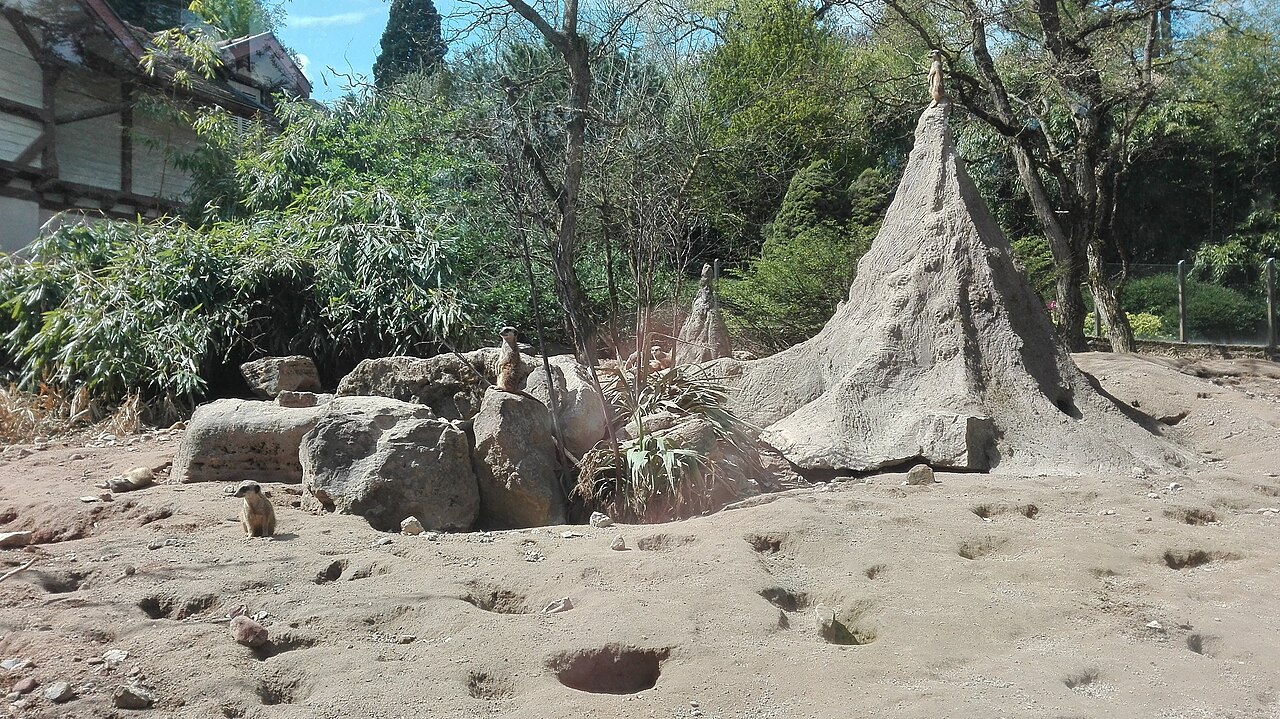
For a mid-sized park, Mulhouse punches far above its weight in conservation. A permanent member of the European Association of Zoos and Aquaria (EAZA) and of WAZA, it participates in European Endangered Species Programmes (EEP) and coordinates nine of them itself — covering five monkey species, three lemur species, and a wallaby. The park has also reintroduced animals to the wild in France and Africa, and around 94 of its species are classed as rare or endangered.
Animals, Gardens, and the Grand Nord
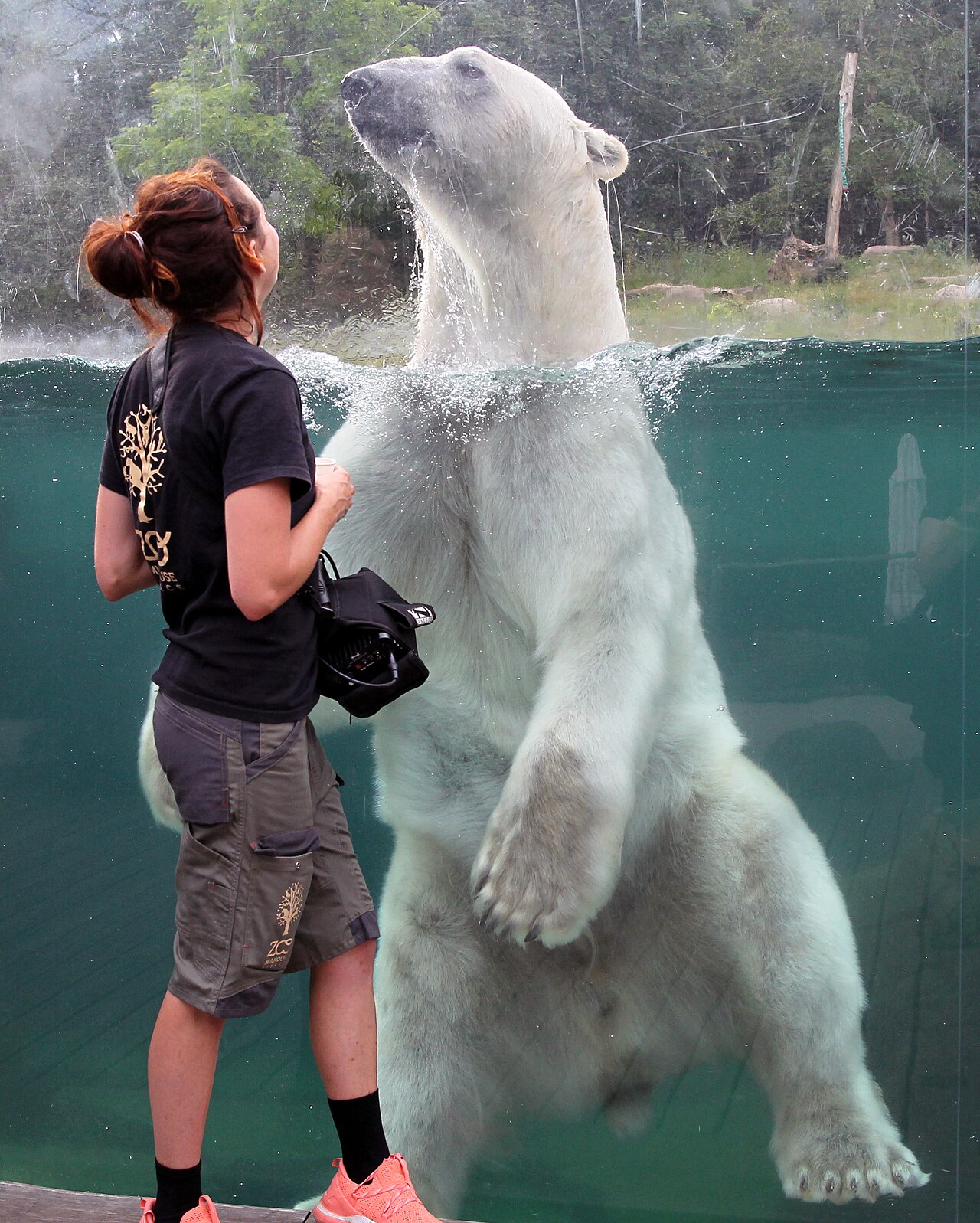
The signature exhibit is the Grand Nord zone devoted to Arctic wildlife — polar bears, muskoxen, and arctic foxes — complemented by a multispecies Asian enclosure, tropical birds, and an exceptional primate collection. A children’s zoo lets visitors walk among Moroccan dwarf goats, Indian Runner ducks, and red river hogs.
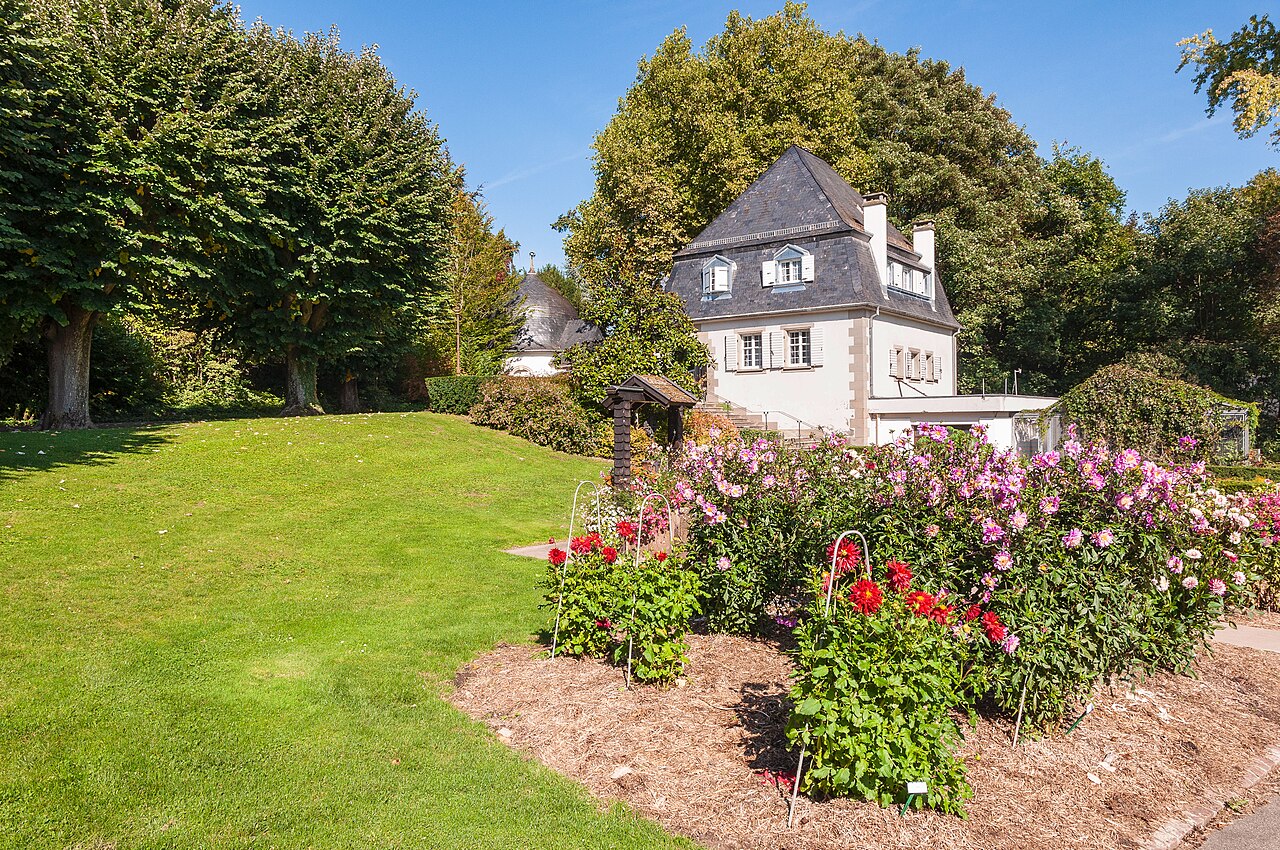
The botanical half is just as much of a draw: 400 kinds of iris in spring, 100 dahlia cultivars in summer, collections of peonies and rhododendrons, remarkable trees, and a garden of the senses designed for blind visitors with braille signage and plants chosen for scent and touch.
Explore more: Explore more Zoos & Aquariums.
Cheap insurance for splash zones, water rides and surprise showers.
Rubber-armored for small hands, so kids can find the snow leopard before the adults do.
A field guide that keeps the animal spotting going on the drive home and at home.
Mulhouse Zoo FAQs
How old is the Mulhouse zoo?
It was created in 1868, making it more than 150 years old and one of the oldest zoos in France.
What animals is Mulhouse known for?
The Grand Nord Arctic zone with polar bears, muskoxen, and arctic foxes is the headline attraction, alongside a major collection of monkeys and lemurs whose European breeding programs the park helps coordinate.
Is it a zoo or a botanical garden?
Both. The 25-hectare park holds over 900 animals and about 3,500 plant varieties, and carries the official French “Remarkable Garden” label.
Get More from Mulhouse Zoological & Botanical Park
Log the coasters, stadiums, and venues you’ve experienced, rate Mulhouse Zoological & Botanical Park, and see what your friends thought. Get the ThrillZing app.
Photo: Arnaud 25 / CC BY-SA 3.0, via Wikimedia Commons.