
Miami Seaquarium opened on September 24, 1955, on Virginia Key in Biscayne Bay, Florida, and was, at the time, billed as the largest marine-life attraction in the world. Founded by Fred D. Coppock and Captain W.B. Gray, the 38-acre oceanarium became one of the oldest continuously operating marine parks in the United States, drawing roughly 500,000 visitors annually with dolphin and sea lion shows, a 750,000-gallon main aquarium tank, and an animal collection that at its peak numbered in the thousands of specimens.
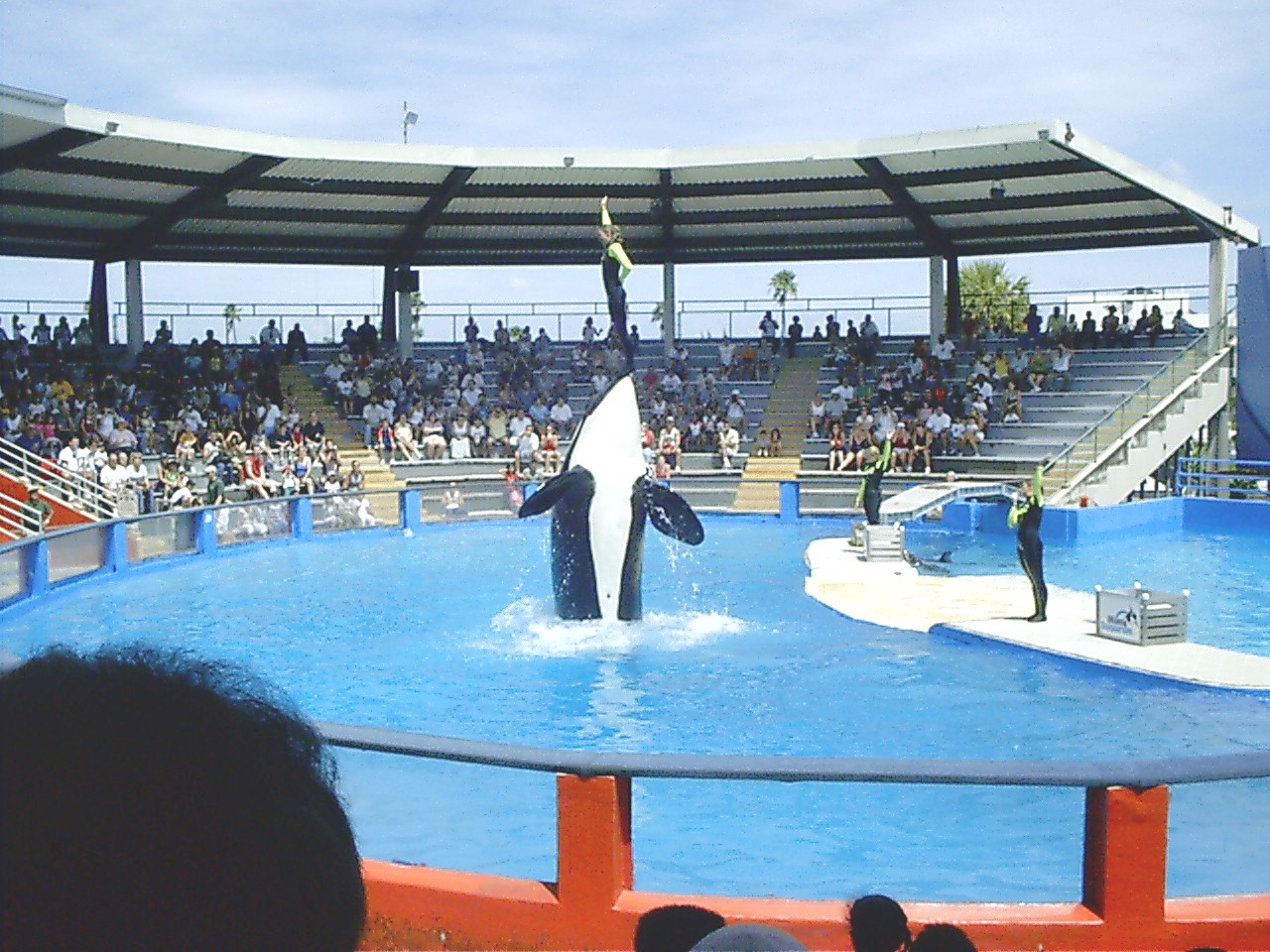
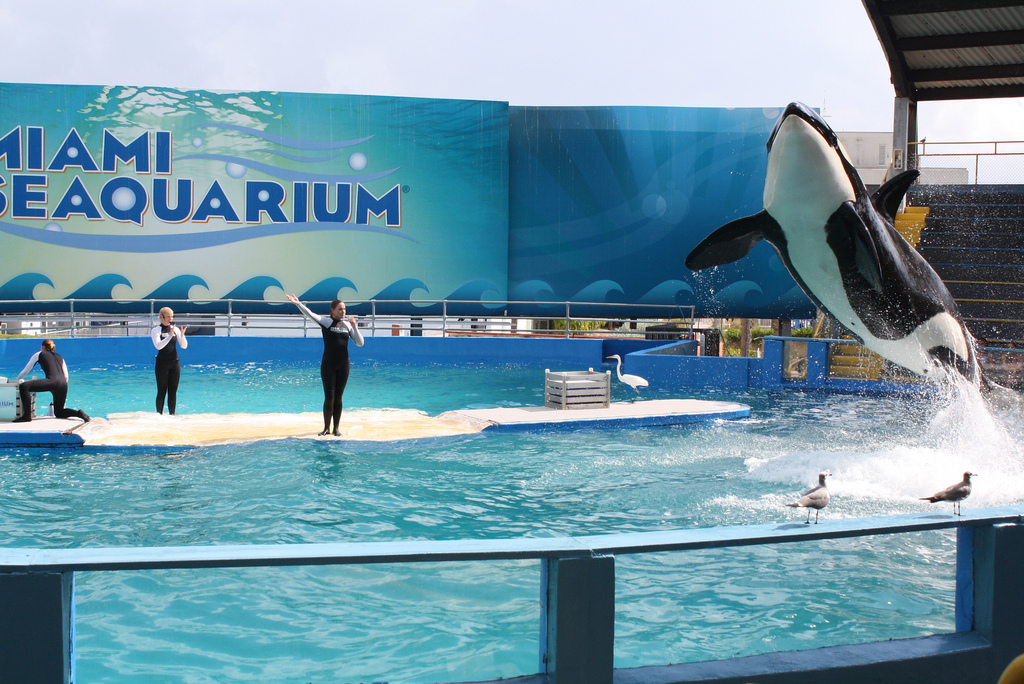
The park is perhaps best remembered as the filming location for the 1960s television series Flipper and as the longtime home of Lolita, a southern resident orca captured in 1970 who died in captivity in August 2023. Years of federal citations over water quality and enclosure conditions, intensified public scrutiny after Lolita’s death, and a Miami-Dade County eviction effort against operator The Dolphin Company led to the Seaquarium’s permanent closure on October 12, 2025, ending 70 years of operation. The site has since been leased to developer Terra Group, which plans a marina and a new, non-mammal aquarium concept for the property.
Stats at a Glance
- Location: Virginia Key, Biscayne Bay, Miami-Dade County, Florida
- Opened: September 24, 1955
- Closed: October 12, 2025
- Size: 38 acres (15 hectares)
- Animal collection: About 10,000 specimens at peak, incl. dolphins, sea lions, sharks, sea turtles, and manatees
- Annual visitors: About 500,000
- Famous for: Filming location of Flipper (1963–1967) and longtime home of orca Lolita
A Landmark Marine Park
For seven decades, Miami Seaquarium combined entertainment with marine science, hosting daily dolphin and sea lion presentations, overnight camps, and scout and school programs. Its 750,000-gallon main tank and roughly two dozen smaller exhibits held reef fish, sharks, sea turtles, and eels alongside its marine mammal collection, making it a fixture of Miami tourism since the Eisenhower era.
The park’s cultural footprint extended well beyond Florida through Flipper, the dolphin-themed TV series and films shot on site in the 1960s, and through the Miami Seaquarium Spacerail, one of the first hanging monorails built in the United States when it opened in 1963.
Closure and Legacy
Miami Seaquarium’s final years were marked by federal animal-welfare citations, the 2023 death of orca Lolita, and mounting pressure from Miami-Dade County, which owned the land the park leased. After operator The Dolphin Company filed for Chapter 11 bankruptcy in March 2025, the county reached an agreement to lease the 38-acre site to developer Terra Group in September 2025, and the Seaquarium closed for good on October 12, 2025. Remaining marine mammals were slated for relocation under oversight from the bankruptcy trustee and county officials, while Terra Group has proposed a marina and a new aquarium concept without marine mammals for the site.
Explore more: Explore more zoos & aquariums.
Little hands reach in, snacks stay in — a lifesaver on long zoo days.
Easier on your back than carrying in arms all day at the zoo.
Cheap insurance for splash zones, water rides and surprise showers.
Miami Seaquarium FAQs
Is Miami Seaquarium still open?
No. Miami Seaquarium closed permanently on October 12, 2025, after 70 years of operation on Virginia Key.
Why did Miami Seaquarium close?
Miami-Dade County pursued eviction of operator The Dolphin Company over animal-welfare violations and facility conditions, following years of federal citations and public outcry after orca Lolita’s 2023 death. The Dolphin Company also filed for bankruptcy in March 2025.
What will happen to the Miami Seaquarium site?
The 38-acre property has been leased to developer Terra Group, which has proposed a marina and a redesigned, non-mammal aquarium concept for the location.
Get More from Miami Seaquarium
Log the coasters, stadiums, and venues you’ve experienced, rate Miami Seaquarium, and see what your friends thought. Get the ThrillZing app.
Photo: Pietro / CC BY-SA 3.0, via Wikimedia Commons.