
Leningrad Zoo opened in 1865 in Alexander Park on St. Petersburg’s Petrogradskaya Storona, founded by Sofia and Julius Gerhardt as a private zoological garden. It is one of the oldest zoos in Russia and the most northerly of the country’s major zoos, and today it houses about 2,000 animals representing roughly 410 species, including polar bears, big cats, and a two-story Exotarium of fish and reptiles.
The zoo’s name is itself a piece of history. Although the city reverted from Leningrad to Saint Petersburg in 1991, the zoo deliberately kept the name “Leningrad Zoo” to honor the keepers who saved its animals during the Siege of Leningrad in World War II. That story of survival makes it one of the most remarkable entries among the oldest zoos in the world still operating.
Stats at a Glance
- Location: Alexander Park, Saint Petersburg, Russia
- Opened: 1865
- Animals: About 2,000 animals of roughly 410 species
- Famous for: Keeping the name “Leningrad” in memory of staff who saved the animals during the WWII blockade
From Private Garden to City Institution
The zoological garden the Gerhardts opened in 1865 was among the first in Russia. After decades in private hands the collection fell into decline, and the garden briefly closed in 1909 before new owner S. H. Novinkov revived it in 1910 with renovated grounds and a refreshed entrance. In 1918, following the revolution, the zoo was nationalized, and it has been a public institution ever since.
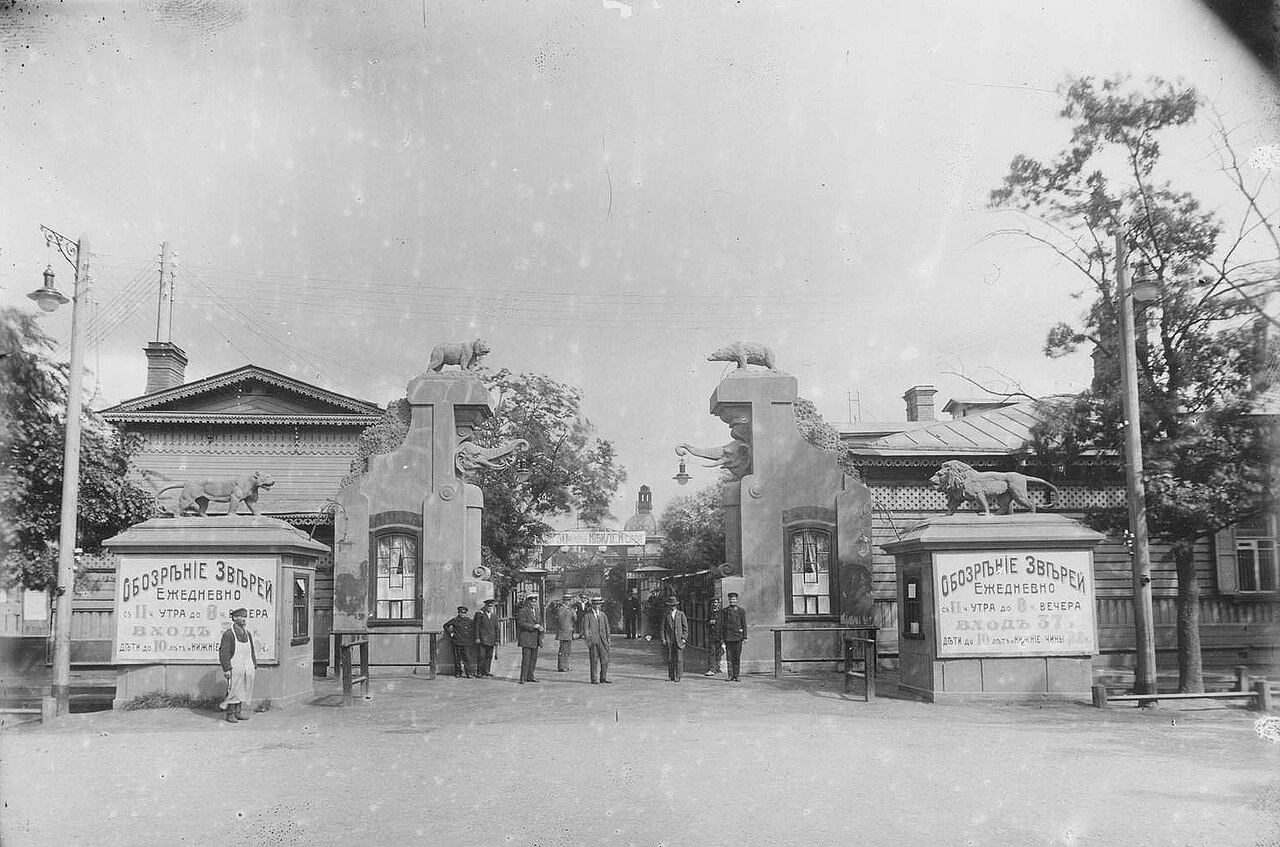
The zoo was formally renamed “Leningrad Zoo” in 1952, and after the war years its keepers began rebuilding on the original Alexander Park site. A large-scale renovation launched in 1967 dragged on for decades and cost the zoo some of its biggest residents — the hippos went to Kyiv, a rhinoceros to Belarus, and an African elephant to Tashkent — but it also set the stage for the more modern, small-species-focused collection visitors see today.
Surviving the Siege of Leningrad
The zoo’s defining chapter came during the Siege of Leningrad (1941–1944), when the city was blockaded for nearly 900 days. Despite bombardment, starvation, and brutal winters, zoo staff refused to abandon the collection. Workers grew food, hauled water, and sheltered animals through the siege, managing to save part of the collection even in the most desperate months. The zoo continued operating through much of the blockade and reopened permanently in the spring of 1944, before the war had even ended.
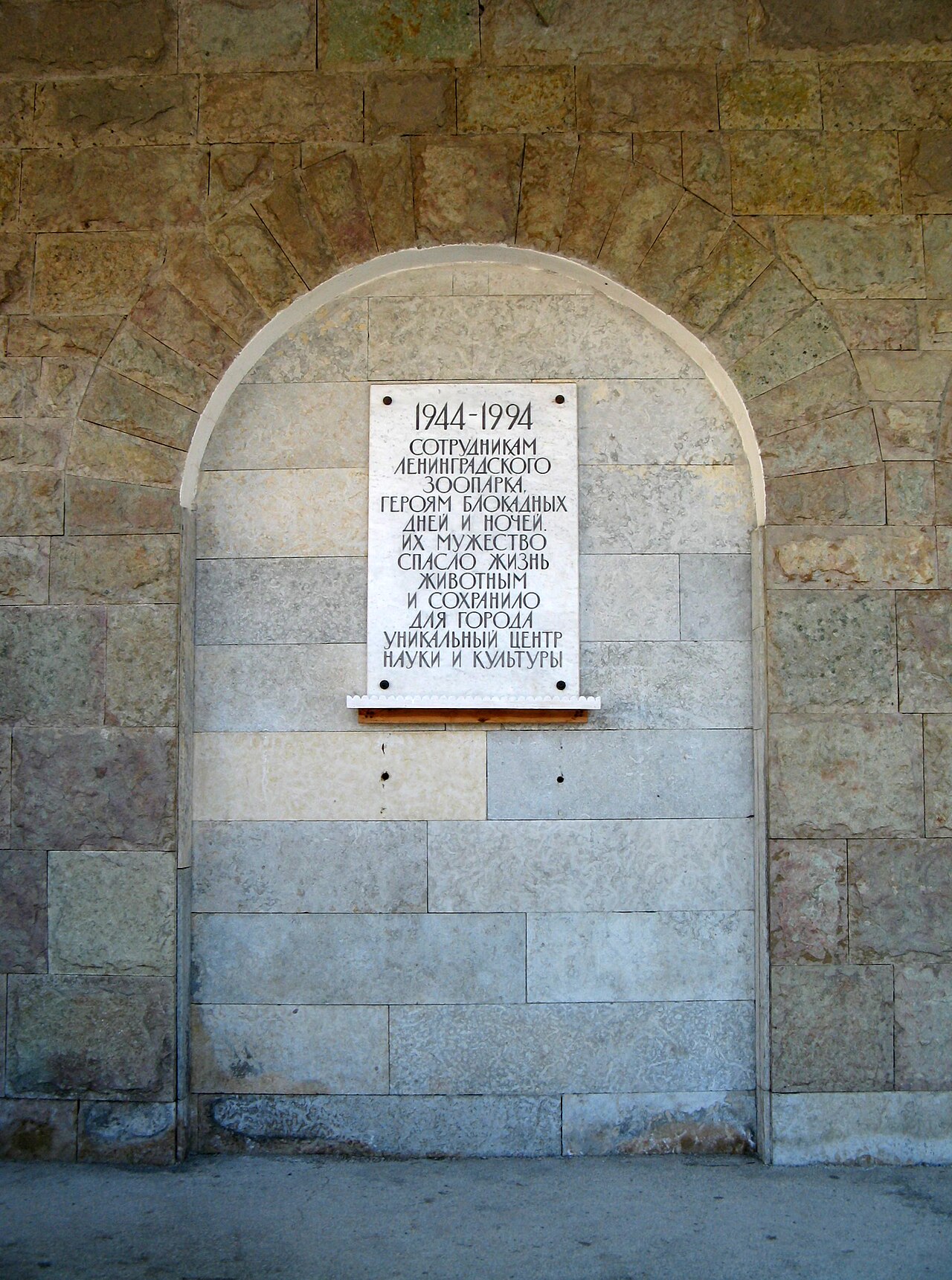
In 1991, when Leningrad became Saint Petersburg again, the zoo kept its Soviet-era name as a permanent memorial to those workers. It remains one of the few institutions in the city that deliberately carries the old name.
What You’ll See Today
Because the zoo occupies a compact historic footprint in Alexander Park, its collection emphasizes species that thrive in smaller, carefully designed spaces. The Predator’s House holds jaguars, African lions, pumas, and snow leopards, while the two-story Exotarium — opened in 2007 — houses coral, marine and freshwater fish on its first floor and reptiles, amphibians, and insects upstairs.
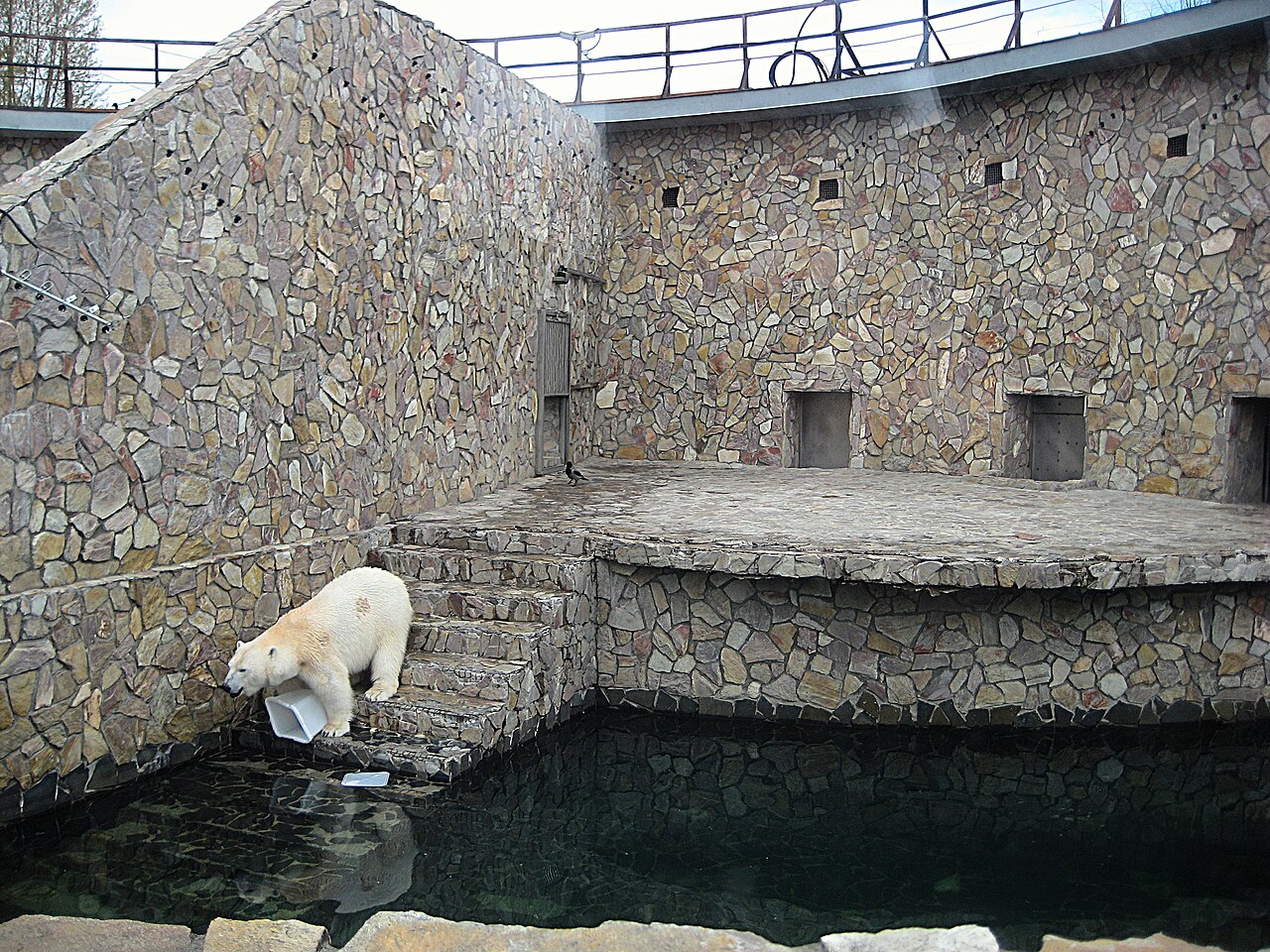
Other highlights include the European Forest exhibit with lynx and beavers, a Deer Circle with reindeer and Père David’s deer, a large waterfowl pond with whooper swans and bar-headed geese, and a birds-of-prey line featuring Steller’s sea eagles and an Andean condor. A children’s zoo with domestic animals keeps the youngest visitors busy.
Explore more: Explore more Zoos & Aquariums.
Little hands reach in, snacks stay in — a lifesaver on long zoo days.
Easier on your back than carrying in arms all day at the zoo.
Cheap insurance for splash zones, water rides and surprise showers.
Leningrad Zoo FAQs
Why is it still called Leningrad Zoo?
The zoo kept the name after the city became Saint Petersburg in 1991 to honor the staff who saved its animals during the Siege of Leningrad in World War II.
How old is Leningrad Zoo?
It opened in 1865, making it more than 160 years old and one of the oldest zoos in Russia.
How many animals does Leningrad Zoo have?
The zoo houses about 2,000 animals from roughly 410 species, from polar bears and snow leopards to an extensive aquarium and reptile collection in the Exotarium.
Get More from Leningrad Zoo
Log the coasters, stadiums, and venues you’ve experienced, rate Leningrad Zoo, and see what your friends thought. Get the ThrillZing app.
Photo: A.Savin / CC BY-SA 3.0, via Wikimedia Commons.