
Karlsruhe Zoo — formally the Zoologischer Stadtgarten Karlsruhe — opened in 1865, making it one of the oldest zoos in Germany. It is an unusual hybrid: a zoo and a landscaped city garden fused into one enclosed park in the heart of Karlsruhe, stretching between the main train station and the city center, with around 3,000 animals of more than 240 species living among rose gardens, lakes, and a Japanese Garden.
The main site covers about 22 hectares, roughly nine of which are zoo grounds, and a second campus — the Tierpark Oberwald in the city forest — adds another 16 hectares of spacious enclosures. That garden-zoo character, plus a founding date matched by only a handful of institutions, earns Karlsruhe a spot among the oldest zoos in the world still operating.
Stats at a Glance
- Location: Between the Hauptbahnhof and city center, Karlsruhe, Germany
- Opened: 1865
- Area: About 22 hectares (main site), plus 16 hectares at Tierpark Oberwald
- Animals: Around 3,000 animals of more than 240 species
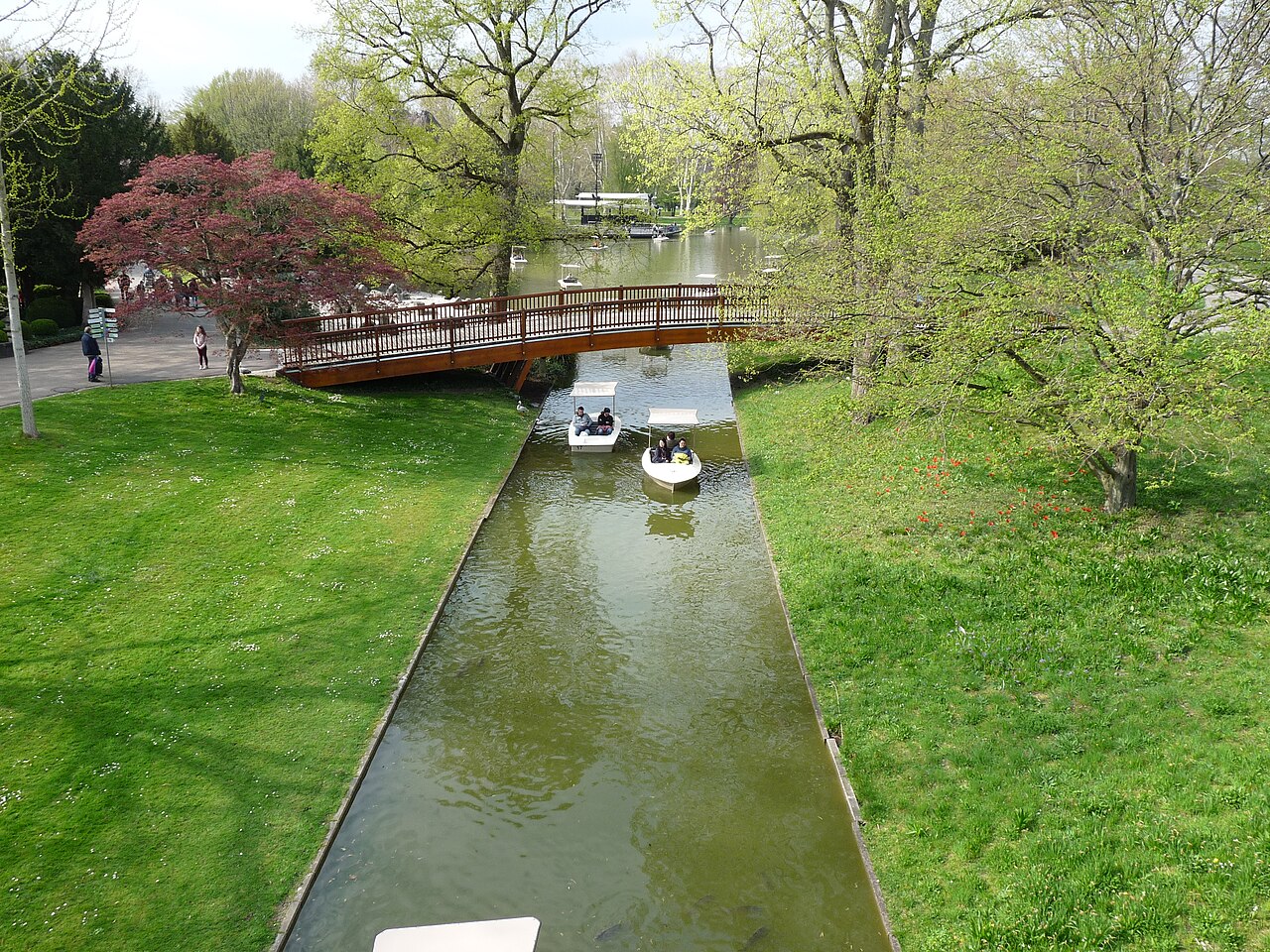
- Famous for: Its combined zoo-and-city-garden layout and the Gondoletta boat ride across the park lakes
A Zoo Born from a Poultry Club
Karlsruhe’s zoo owes its existence to an unlikely group: a poultry-breeding association that in 1864 pushed to expand its planned bird park with enclosures for mammals. Grand Duke Friedrich I of Baden backed the idea, leasing land at the Sallenwäldchen with Lake Ludwig for a token three guilders a year and donating animals from his own collection. The zoo opened in 1865, and by 1869 it was drawing 50,000 visitors a year. In 1877 the city took full ownership, and under garden director Friedrich Ries the grounds gained the first of the great rose gardens that still define the park.
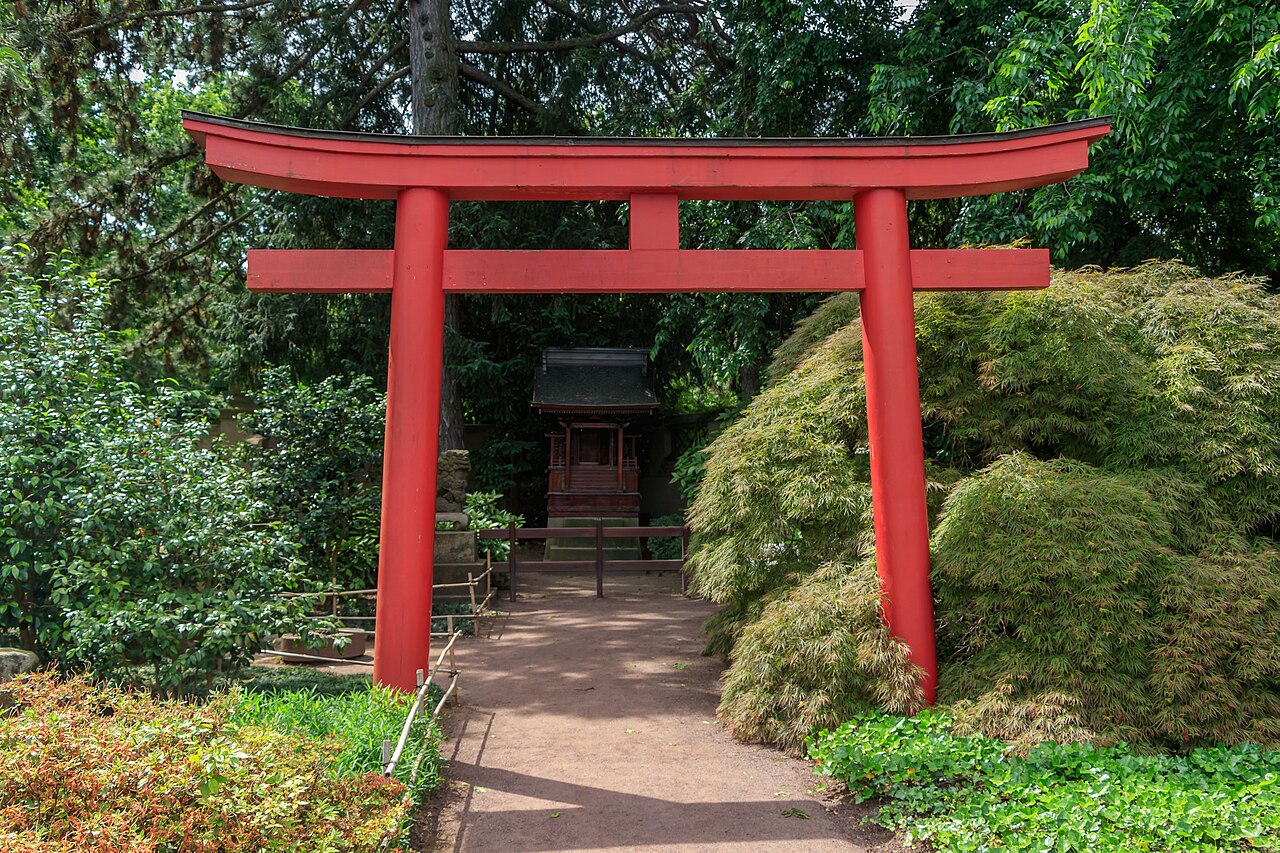
The park was repeatedly reinvented. An artificial hill, the Lauterberg, was finished in 1893 around a water reservoir and remains the highest point in Karlsruhe’s core city at 154 meters. The Japanese Garden took shape from 1918, and the 1967 Federal Garden Show — attended by over six million guests — brought a complete redesign of the garden areas, a new polar bear facility that briefly housed Europe’s largest polar bear group, and the outsourcing of hoofstock to the new Tierpark Oberwald.
War, Fire, and Rebuilding
Like most German zoos, Karlsruhe was devastated in World War II: its facilities were badly damaged, surviving animals were sent to other zoos, and the gardens were turned over to growing vegetables for the hungry city. Reconstruction began in 1947 and the zoo reopened in 1949, surpassing its pre-war animal collection by the early 1960s. A darker modern chapter came in November 2010, when a night fire destroyed the petting zoo and killed 26 animals before spreading to the elephant house. The zoo rebuilt quickly, opening a larger petting zoo the following summer.
For its 150th anniversary in 2015, the zoo added a Himalayan mountain habitat and converted the former Tullabad swimming hall into an Exotic House for tropical species. In 2019 it completed an expanded elephant facility designed as a retirement home for aging elephants — one of the more distinctive conservation roles any European zoo has taken on.
What You’ll See Today
Highlights include the polar bear facility with its underwater viewing windows and iceberg backdrop, an African savannah, chimpanzees, the sea lion pool — whose 1913 predecessor is the oldest surviving animal facility in the park — and themed animal worlds spanning African, Australian, and South American fauna. Between exhibits, the Stadtgarten side offers the Japanese Garden, thousands of roses, and the Gondoletta boats gliding between the two park lakes.
Explore more: Explore more Zoos & Aquariums.
Little hands reach in, snacks stay in — a lifesaver on long zoo days.
Easier on your back than carrying in arms all day at the zoo.
Cheap insurance for splash zones, water rides and surprise showers.
Karlsruhe Zoo FAQs
How old is Karlsruhe Zoo?
It opened in 1865, making it more than 160 years old and one of the oldest zoos in Germany, roughly contemporary with the country’s earliest zoological gardens.
Is the zoo separate from the city garden?
No — the Zoologischer Stadtgarten is a single enclosed area combining zoo and city garden, and the two cannot be visited separately.
What is the Gondoletta?
The Gondoletta is the park’s fleet of quiet, automated boats that carry visitors across the Stadtgarten lakes, a beloved fixture of the park experience.
Get More from Karlsruhe Zoo
Log the coasters, stadiums, and venues you’ve experienced, rate Karlsruhe Zoo, and see what your friends thought. Get the ThrillZing app.
Photo: Nikolai Karaneschev / CC BY 3.0, via Wikimedia Commons.