
Indira Gandhi Zoological Park sits amid the Kambalakonda Reserve Forest on the edge of Visakhapatnam, Andhra Pradesh, tucked between hills of the Eastern Ghats with the Bay of Bengal just beyond. Opened on 19 May 1977 and named for the former Indian prime minister, it grew into one of the country’s largest zoos, spreading across roughly 625 acres (253 hectares) of forested, hilly terrain rather than flat city-park grounds.
The park is home to about 75 species and nearly 850 animals, ranging from native Indian elephants, Bengal tigers, Asiatic lions, Indian leopards, sloth bears, dholes and all three of India’s native crocodilian species, to exotic residents like hippos, giraffes and chimpanzees. Its setting among forested hillocks, rather than a conventional caged layout, gives the zoo a distinct, immersive feel among India’s major wildlife parks.
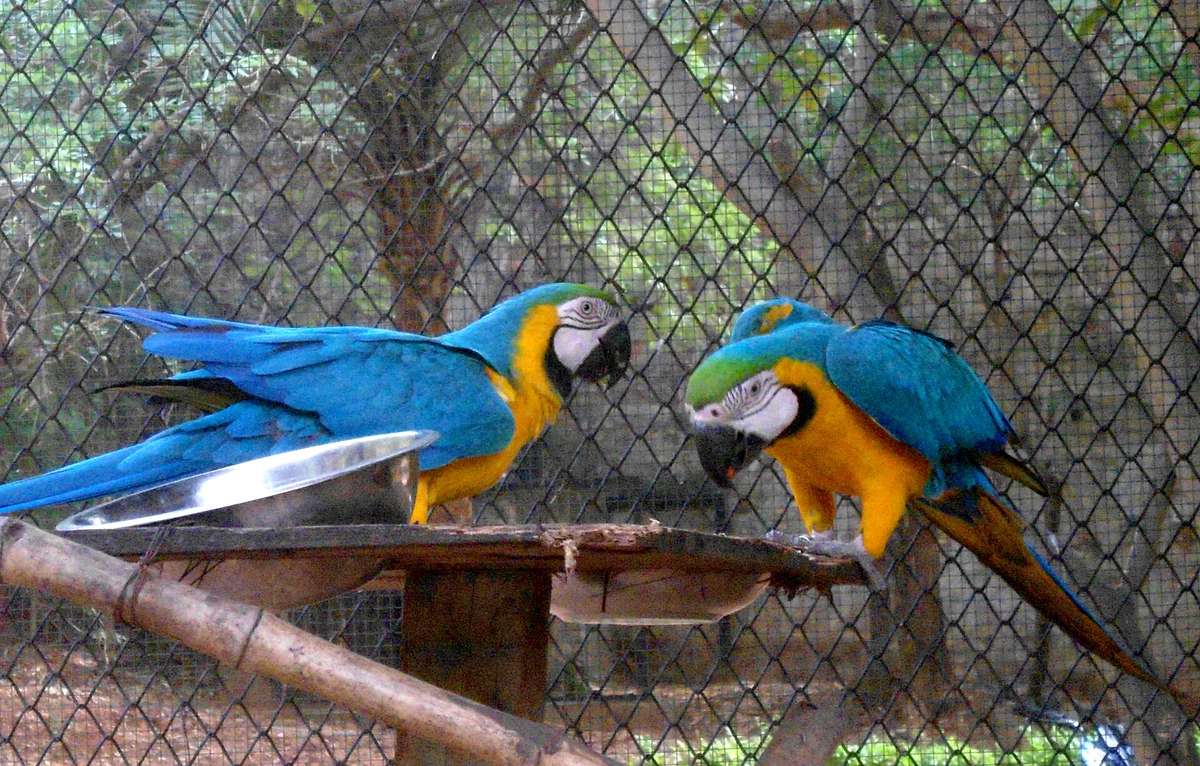
Stats at a Glance
- Location: Visakhapatnam, Andhra Pradesh, India
- Opened: May 19, 1977
- Size: About 625 acres (253 hectares)
- Species: About 75 species
- Animal count: About 850 animals
- Annual visitors: Roughly 700,000+
- Famous for: CZA-recognized dhole (Asiatic wild dog) breeding program
A Zoo Built Into the Eastern Ghats
Unlike flat, grid-laid zoos, Indira Gandhi Zoological Park unfolds across wooded hillocks inside the Kambalakonda Wildlife Sanctuary, with enclosures threaded along a water body and forest paths. That terrain shapes which animals thrive here, from sure-footed sambar deer and gaur to tree-dwelling rhesus macaques, alongside bigger draws like Bengal tigers, Asiatic lions and greater one-horned rhinos.
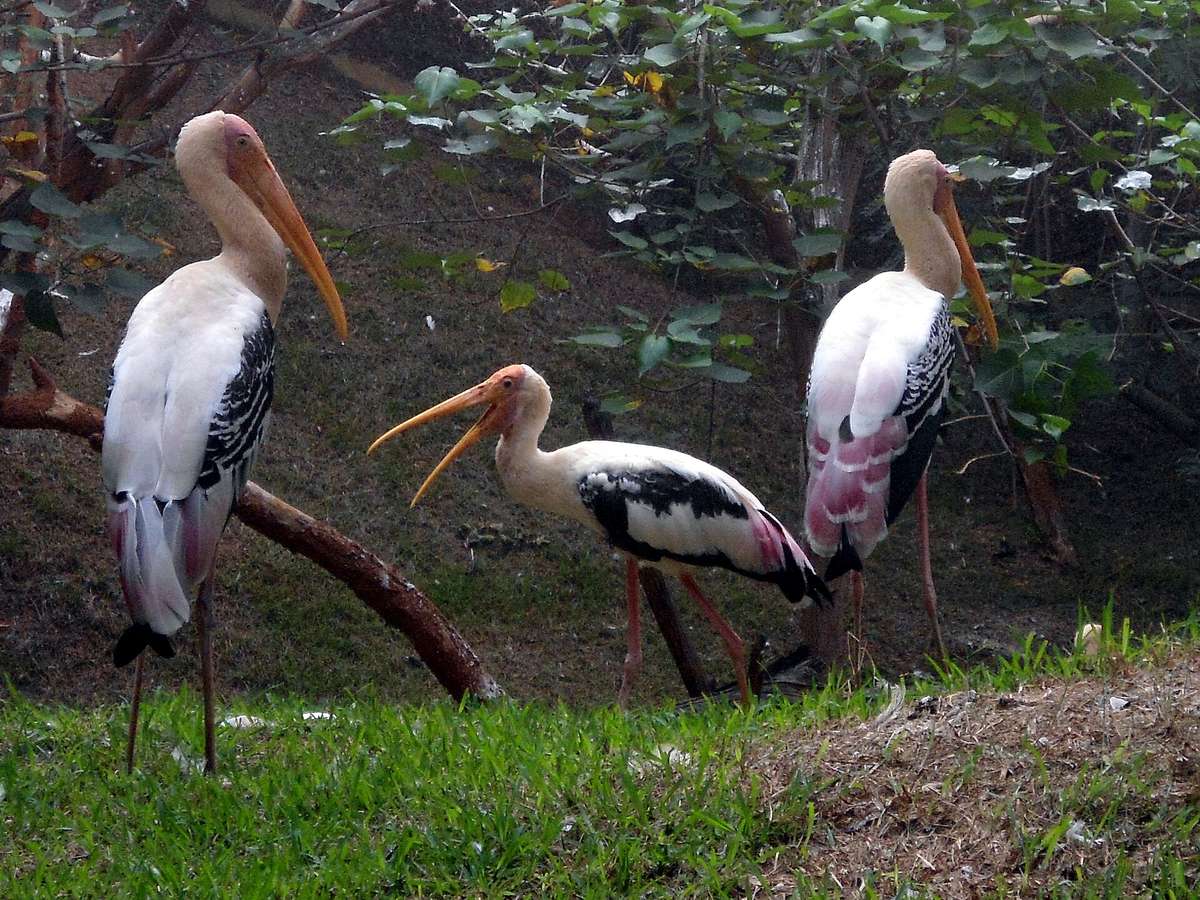
The park also holds all three native Indian crocodilian species, the mugger crocodile, gharial and saltwater crocodile, plus a varied bird collection including ostriches, rosy pelicans, grey herons and black swans. The mix of native and exotic species, including hippos, giraffes and chimpanzees, makes it one of the more diverse zoo collections in southern India.
Conservation Work and Visiting Today
The zoo runs a dedicated dhole (Asiatic wild dog) conservation breeding program, recognized by India’s Central Zoo Authority as the country’s flagship centre for the species, with an off-display breeding facility supported by CZA funding. Separately, in February 2022 the World Association of Zoos and Aquariums (WAZA) welcomed the park as a new member institution.
The zoo sits about 11 kilometers from Visakhapatnam railway station near Yendada on National Highway 5, and stays open to the public daily except Monday, drawing a steady stream of regional visitors and school groups year-round.
Explore more: Explore more zoos and aquariums.
Clips to a stroller, wagon or backpack strap. Quiet enough that it won't wake a napping toddler.
Cold water for the whole loop around the zoo, with a straw lid that doesn't leak in the bag.
A stick means no greasy hands. Reapply quickly between the penguins and the giraffes.
Indira Gandhi Zoological Park FAQs
Where is Indira Gandhi Zoological Park located?
It’s in Visakhapatnam, Andhra Pradesh, India, inside the Kambalakonda Reserve Forest about 11 kilometers from the city’s railway station.
How big is Indira Gandhi Zoological Park?
The park covers about 625 acres (253 hectares) of hilly, forested land, making it one of the largest zoos in India.
What animals can visitors see there?
Around 850 animals across roughly 75 species, including Bengal tigers, Asiatic lions, Indian elephants, sloth bears, dholes, native crocodiles, hippos, giraffes and chimpanzees.
Get More from Indira Gandhi Zoological Park
Log the coasters, stadiums, and venues you’ve experienced, rate Indira Gandhi Zoological Park, and see what your friends thought. Get the ThrillZing app.
Photo: Siddhartha Lammata from Bangalore, India / CC BY 2.0, via Wikimedia Commons.