
Hellabrunn Zoo sits on the banks of the Isar River in Munich, Germany, and first opened to the public on August 1, 1911. Financial troubles tied to the aftermath of World War I forced it to close in 1922, but it reopened on May 23, 1928, under director Heinz Heck with a radically new layout inspired by Carl Hagenbeck’s ideas. That 1928 relaunch made Hellabrunn the world’s first geo-zoo, grouping animals by geographic region and shared habitat rather than strictly by species, so unlikely neighbors like wood bison and prairie dogs could share the same enclosure much as they might in the wild.
Nearly a century after that reinvention, Hellabrunn remains one of Europe’s most-visited zoos, welcoming close to 1.9 million guests in 2024. Spread across roughly 40 hectares (about 99 acres), the zoo is home to around 500 species and thousands of individual animals, with cageless, moat-based enclosures that let visitors get close to giraffes, elephants, big cats, and polar animals as they move through themed continental zones.
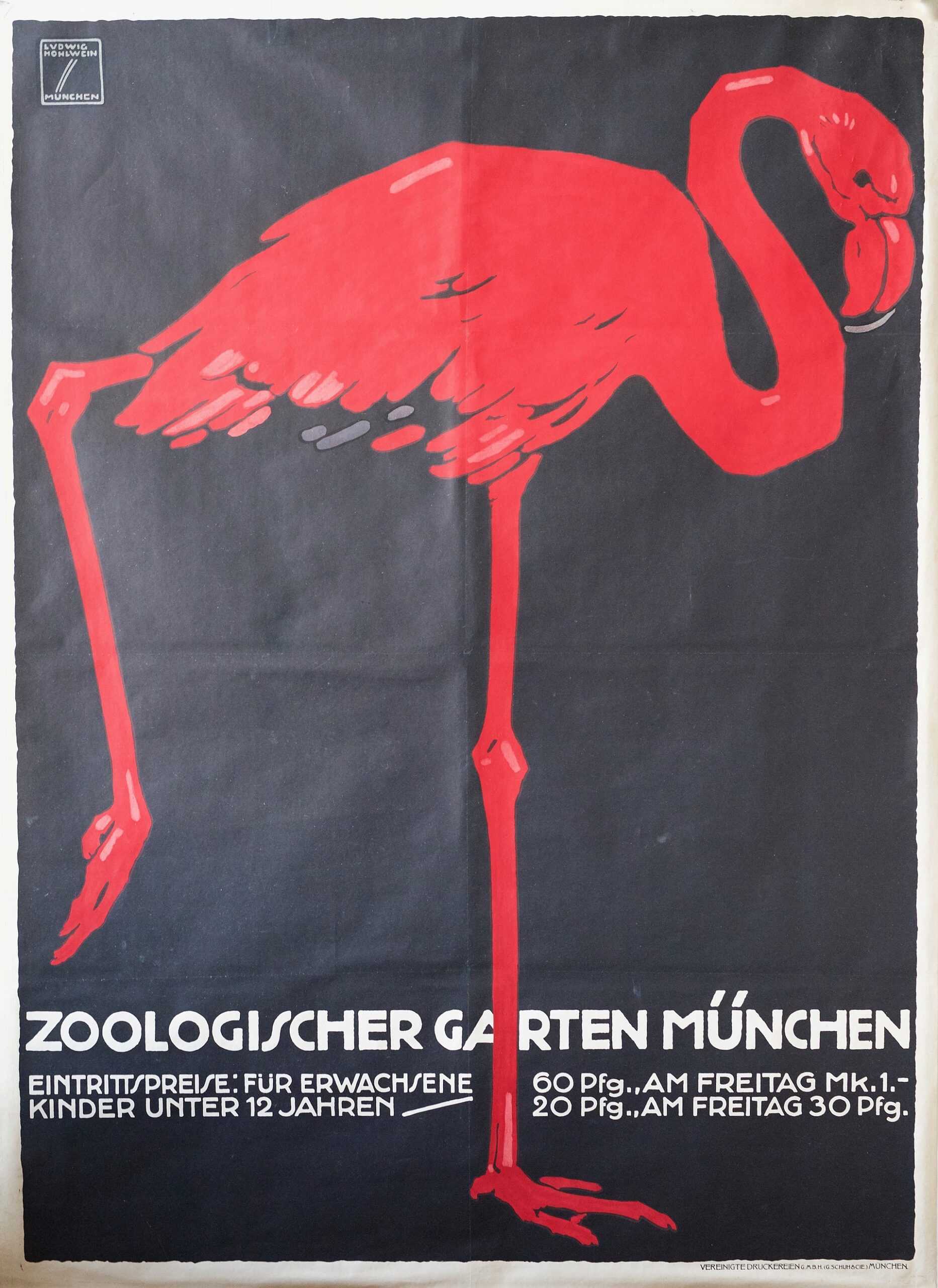
Stats at a Glance
- Location: Munich, Bavaria, Germany
- Opened: August 1, 1911 (closed 1922; reopened May 23, 1928 as the world’s first geo-zoo)
- Size: About 40 hectares (99 acres)
- Species: Around 500 species
- Annual visitors: About 1.9 million (2024)
- Famous for: Becoming the world’s first geo-zoo upon its 1928 reopening, organizing exhibits by continent instead of species
A Zoo Rebuilt Around Geography, Not Just Species
Hellabrunn opened in 1911 as a conventional zoo, but financial hardship after World War I closed its gates in 1922. When director Heinz Heck reopened the park in 1928, he redesigned it as a series of continental zones inspired by animal collector Carl Hagenbeck, so a walk through the park moves visitors from African savanna habitats with giraffes and zebras to Asian jungle enclosures with orangutans and elephants, and on to polar exhibits with polar bears and penguins. The idea, radical for its time, proved influential enough that many zoos around the world later adopted versions of the same geographic grouping.
The 1928 redesign also emphasized open, moat-separated enclosures rather than cages wherever possible, a design choice that was ahead of its time and remains a defining feature of the visitor experience today.
Conservation and Family Appeal
Beyond its historic layout, Hellabrunn participates in international breeding programs for endangered and rare species, including drills, silvery gibbons, gorillas, wood bison, elk, and Arctic foxes, and is a member of both EAZA and WAZA conservation networks.
The zoo’s riverside setting, mix of historic buildings like the 1914 Elephant House and newer habitats, and family-friendly policies such as allowing dogs on a leash have helped it stay one of Munich’s top attractions for locals and tourists alike.
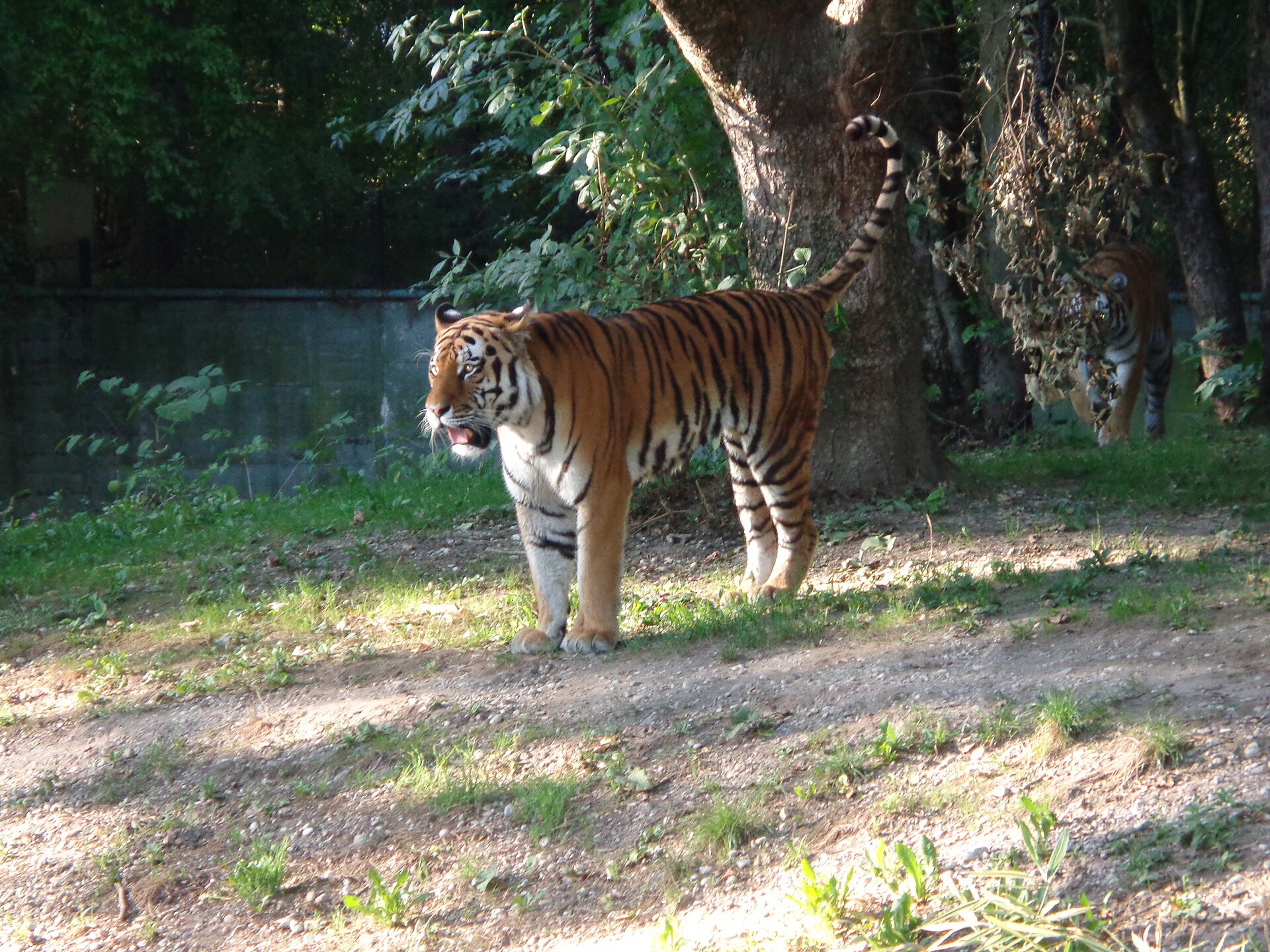
Explore more: Explore more zoos and aquariums.
A stick means no greasy hands. Reapply quickly between the penguins and the giraffes.
Let them photograph their own favorite animals — and keep your phone in your pocket.
Hauls kids, coolers and souvenirs across a big zoo or park, folds flat for the trunk.
Hellabrunn Zoo FAQs
When did Hellabrunn Zoo open?
Hellabrunn Zoo first opened on August 1, 1911, closed in 1922 due to postwar financial difficulties, and reopened on May 23, 1928, with the geo-zoo layout it is known for today.
What makes Hellabrunn Zoo unique?
Its 1928 reopening made it the world’s first geo-zoo, organizing animal habitats by geographic region and continent rather than strictly by species, an approach later copied by zoos worldwide.
How many animals live at Hellabrunn Zoo?
The zoo houses around 500 species and thousands of individual animals across its roughly 40-hectare site along the Isar River.
Get More from Hellabrunn Zoo
Log the coasters, stadiums, and venues you’ve experienced, rate Hellabrunn Zoo, and see what your friends thought. Get the ThrillZing app.
Photo: Oefe / CC BY-SA 4.0, via Wikimedia Commons.