
Berlin Zoo, formally the Zoologischer Garten Berlin, opened in 1844 in the city’s Tiergarten park, making it the oldest surviving zoo in Germany. Over nearly two centuries it grew into the most species-diverse zoo in the world, a record it has held for decades, while surviving near-total destruction during World War II when Allied bombing in November 1943 killed roughly 30 percent of its animal population in a single day.
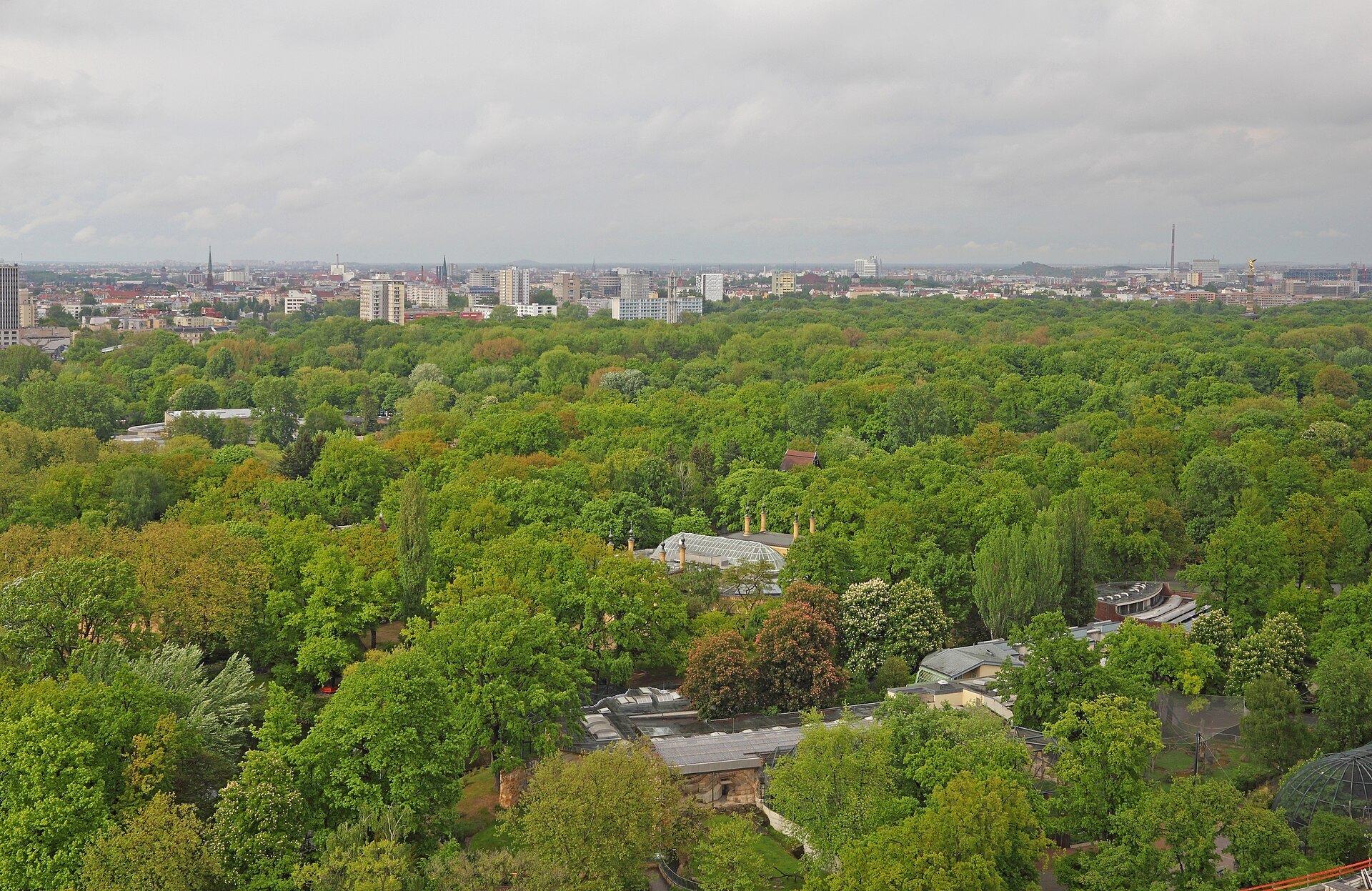
Today the zoo spans about 35 hectares (86.5 acres) in the heart of Berlin and draws more visitors annually than any other zoo in Europe. It has been home to some of the most famous zoo animals of the modern era, including the polar bear cub Knut, who became a global media sensation after his birth in 2006, and the giant pandas Meng Meng and Jiao Qing, whose twin cubs Leni and Lotti celebrated their first birthday in August 2025.

Stats at a Glance
- Location: Tiergarten, Berlin, Germany
- Opened: 1844
- Size: About 35 hectares (86.5 acres)
- Species: 1,021 species (2025 official inventory)
- Animal count: About 21,930 individual animals (2025)
- Annual visitors: Around 3.3 million
- Famous for: Housing more animal species than any other zoo in the world
A Zoo Rebuilt From Ruins
Berlin Zoo’s history is defined as much by resilience as by scale. Founded in 1844 from the royal Pfaueninsel menagerie collection, it grew into one of Europe’s premier zoological gardens before World War II nearly wiped it out. Bombing raids in November 1943 killed about 30 percent of the animal population on the first night alone, and by the war’s end in May 1945 only 91 of the zoo’s 3,715 animals had survived. The zoo was almost entirely rebuilt from that low point, restoring its collection and its landmark entrance gates over the following decades.
That rebuilding effort paid off: Berlin Zoo has since become recognized as the most species-rich zoo on the planet. Its 2025 official animal inventory counted 1,021 species and 21,930 individual animals spanning mammals, birds, reptiles, amphibians, fish, and invertebrates housed across its Tiergarten grounds alongside the neighboring Berlin Aquarium.
Famous Residents
Few zoo animals have captured global attention like Knut, the polar bear cub born at Berlin Zoo in December 2006, who was hand-raised by keepers after his mother rejected him and went on to become an international celebrity before his death in 2011. The zoo’s giant panda enclosure, home to Meng Meng and Jiao Qing since 2017, has produced several sets of panda cubs, including twins Leni and Lotti born in 2024, continuing a lineage that began with Bao Bao, one of Germany’s first pandas.
Explore more: Explore more top zoos and aquariums.
Hauls kids, coolers and souvenirs across a big zoo or park, folds flat for the trunk.
Little hands reach in, snacks stay in — a lifesaver on long zoo days.
Easier on your back than carrying in arms all day at the zoo.
Berlin Zoo FAQs
When did Berlin Zoo open?
Berlin Zoo opened in 1844, making it the oldest surviving zoo in Germany.
How many species does Berlin Zoo have?
According to its 2025 official inventory, Berlin Zoo houses 1,021 species and about 21,930 individual animals, more than any other zoo in the world.
Is Berlin Zoo the most-visited zoo in Europe?
Yes, Berlin Zoo draws around 3.3 million visitors annually, making it one of Europe’s most-visited zoos.
Get More from Berlin Zoo
Log the coasters, stadiums, and venues you’ve experienced, rate Berlin Zoo, and see what your friends thought. Get the ThrillZing app.
Photo: Unbekannte Autoren und Grafiker; Scan vom EDHAC e.V. / Public domain, via Wikimedia Commons.