
Al Ain Zoo opened to the public on November 25, 1968, founded by Sheikh Zayed bin Sultan Al Nahyan with a mission centered on protecting native Arabian wildlife. Set against the foothills of Jebel Hafeet in Al Ain, Abu Dhabi, the zoo grew from that conservation-first vision into one of the largest and most respected animal parks in the Middle East.
Spread across roughly 400 hectares, with about 50 hectares currently developed for visitors, Al Ain Zoo is home to more than 4,000 animals. Its collection leans heavily toward desert-adapted ungulates and herbivores, especially Arabian antelope species, while also housing big cats, reptiles, and an aquarium, reflecting decades of work breeding and safeguarding species under threat in the wild.
Stats at a Glance
- Location: Al Ain, Abu Dhabi, United Arab Emirates
- Opened: November 25, 1968
- Size: About 400 hectares (990 acres)
- Animal population: Over 4,000 animals
- Species: About 68 mammal, 88 bird, and 35 reptile species
- Annual visitors: Roughly 700,000 (based on a decade of reported totals)
- Famous for: Arabian oryx conservation, white lions, and Nubian giraffes
A Founder’s Vision for Desert Wildlife
Sheikh Zayed established the zoo in the late 1960s with a specific goal: protecting Arabian wildlife, particularly the Arabian oryx, from disappearing entirely. That founding mission still shapes the collection today, with an emphasis on native and regional species that thrive in arid, desert-like habitats rather than a generic mix of global animals.
Decades later, the zoo continues to function as a conservation facility, breeding species that are endangered or extinct in the wild and contributing to regional efforts to reestablish healthy wild populations.
Exploring the Zoo’s Animal Collection
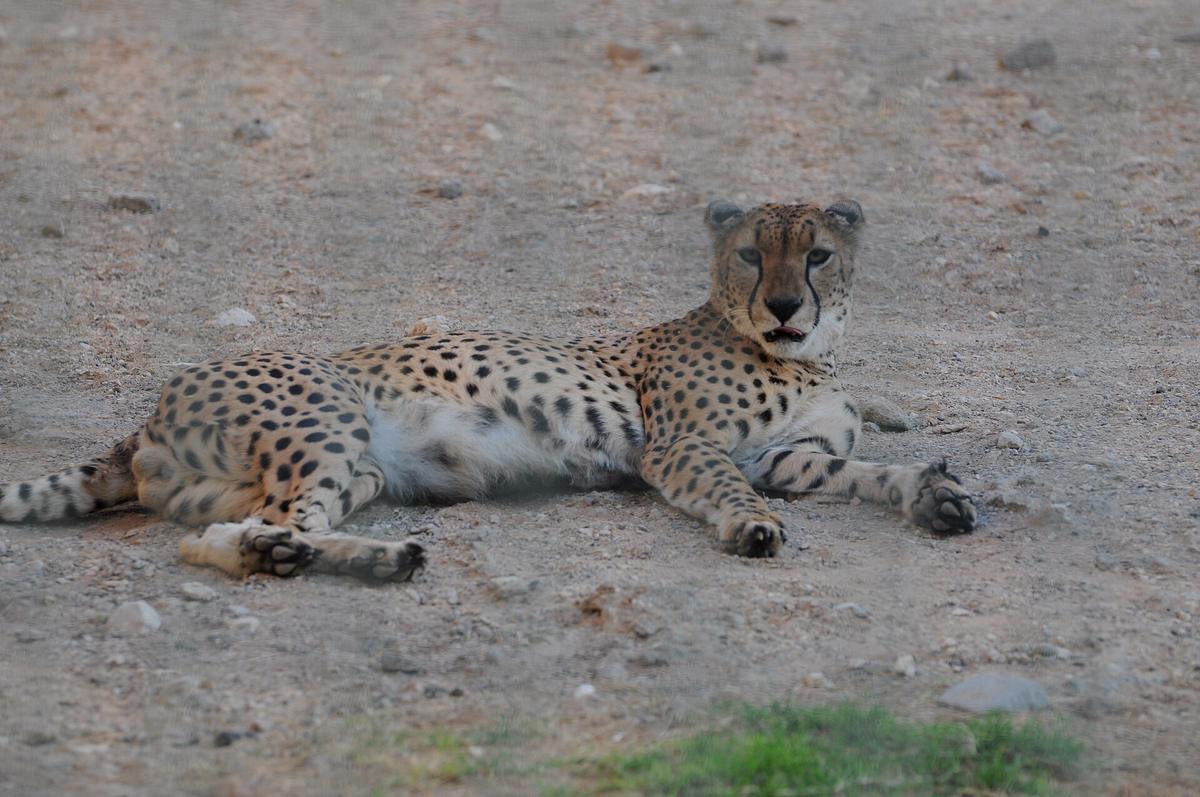
Visitors move through a big cat facility housing lions, including rare white lions, alongside jaguars, leopards, and cheetahs. Nubian giraffes, Arabian antelope herds, and a dedicated reptile house round out the land-based exhibits, while an on-site aquarium adds aquatic species to the mix.
The zoo also leans into hands-on experiences uncommon at many larger zoos, including opportunities for younger visitors to interact with select animals and take camel or horse rides, making it as much a family destination as a conservation center.
Explore more: Discover more zoos and aquariums to visit.
Hauls kids, coolers and souvenirs across a big zoo or park, folds flat for the trunk.
Little hands reach in, snacks stay in — a lifesaver on long zoo days.
Easier on your back than carrying in arms all day at the zoo.


Al Ain Zoo FAQs
When did Al Ain Zoo open?
It opened to the public on November 25, 1968, after being founded by Sheikh Zayed bin Sultan Al Nahyan.
How big is Al Ain Zoo?
The zoo’s total land area is about 400 hectares (990 acres), though roughly 50 hectares are currently developed and open to visitors.
What animals can you see at Al Ain Zoo?
The zoo houses over 4,000 animals across about 190 species, including Arabian oryx, white lions, Nubian giraffes, cheetahs, and a range of reptiles and birds.
Get More from Al Ain Zoo
Log the coasters, stadiums, and venues you’ve experienced, rate Al Ain Zoo, and see what your friends thought. Get the ThrillZing app.
Photo: shankar s. from Dubai, united arab emirates / CC BY 2.0, via Wikimedia Commons.