
Yomiuriland is a sprawling amusement park built into the hills straddling Inagi, Tokyo, and Kawasaki, Kanagawa Prefecture, Japan. It opened on March 19, 1964, and is owned and operated by Yomiuriland Co., Ltd., a subsidiary of The Yomiuri Shimbun Holdings media group. Over six decades the park has grown into one of the Tokyo area’s largest amusement destinations, offering around 44 rides and attractions across its terraced, wooded terrain.
The park’s hillside layout gives it a distinct character among Japanese amusement parks, with coasters and flumes weaving through natural elevation changes rather than flat midways. Yomiuriland is also known for its seasonal programming, including a springtime display of roughly 1,000 cherry blossom trees, a summer water park called Pool WAI, and the Jewellumination winter LED light show. The park additionally hosts Yomiuri Giants Stadium, which opened in 1985 and served as the Yomiuri Giants baseball team’s training and farm-team home for decades, a role it continued until Giants Town Stadium opened nearby in Inagi in March 2025.
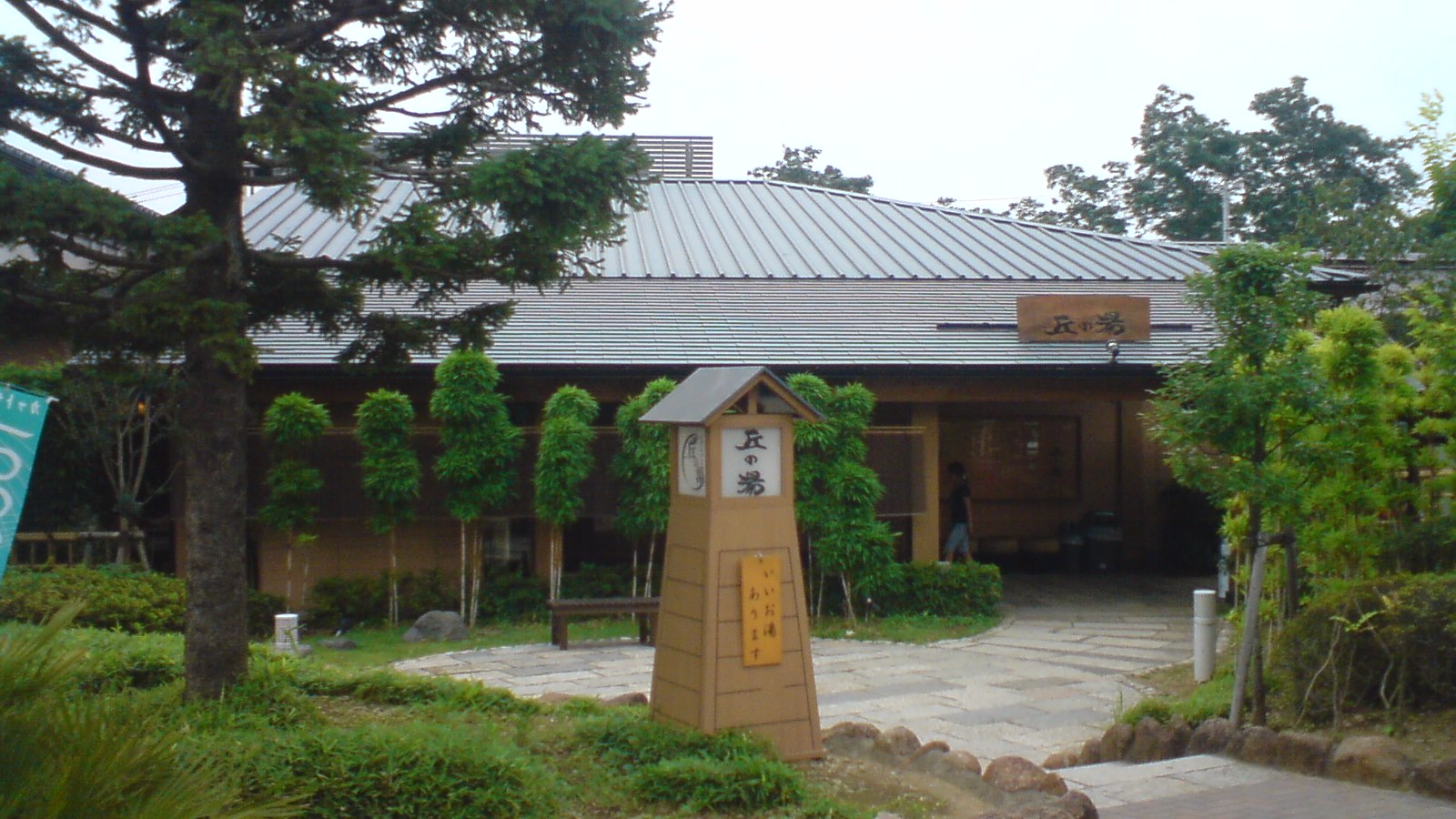
Stats at a Glance
- Location: Inagi, Tokyo / Tama-ku, Kawasaki, Japan
- Operator: Yomiuriland Co., Ltd. (Yomiuri Shimbun Holdings)
- Opened: March 19, 1964
- Attractions: About 44 rides and attractions
- Signature ride: Bandit (Togo steel coaster, opened 1988)
- Notable neighbor: Yomiuri Giants Stadium (opened 1985)
The Ride Experience
Yomiuriland’s headline thrill ride is Bandit, a Togo-built Super Roller Coaster that opened in 1988. Built into the park’s hillside, Bandit briefly held the world speed record for a roller coaster at 68.4 mph before losing the title to Magnum XL-200 at Cedar Point about a year later. Its terrain-following layout means the drop from the ride’s highest to lowest point is greater than its official 167.3-foot height statistic suggests.
Beyond Bandit, the park mixes family and kids’ rides such as DinoRunner, Space Factory, and the Wan Wan Coaster Wandit with seasonal draws like the Pool WAI water park in summer. In February 2026, Yomiuriland also became home to PokéPark Kanto, a Pokémon-themed area added within the park grounds.
History and Legacy
Yomiuriland has operated continuously since 1964, making it one of the longer-running amusement parks in the Tokyo metropolitan area. Several past coasters, including SL Coaster, White Canyon, Twist Coaster Robin, and the Momonga Standing and Loop Coaster, have since closed and been removed as the park refreshed its ride lineup over the decades.
The on-site Yomiuri Giants Stadium has anchored the park’s sports heritage since 1985, hosting the baseball team’s practices and Eastern League farm games for decades. The team’s farm squad shifted to the newly built Giants Town Stadium in Inagi in March 2025, while Yomiuri Giants Stadium has continued to be used for third-team, women’s team, and junior youth training and games.
Explore more: Explore more theme parks.
Roller Coasters at Yomiuriland
Every Yomiuriland coaster ThrillZing has covered — stats, ride experience and history for each:
Ride with your glasses on and keep them. Many parks allow glasses on rides if they're strapped, so check the ride rules first.
Small enough to ride with on most coasters, big enough for a phone, card and keys. Two zippers mean nothing falls out upside down.
A fan and a mist in one, rechargeable. Very popular in queue lines once the afternoon sun hits.
Yomiuriland FAQs
When did Yomiuriland open?
Yomiuriland opened on March 19, 1964, and has operated continuously since.
What is Yomiuriland’s most famous ride?
Bandit, a Togo steel coaster that opened in 1988, is the park’s signature thrill ride and briefly held the world roller coaster speed record.
Where is Yomiuriland located?
The park sits on hillside terrain spanning Inagi, Tokyo, and Tama-ku, Kawasaki, in Kanagawa Prefecture, Japan.
Get More from Yomiuriland
Log the coasters, stadiums, and venues you’ve experienced, rate Yomiuriland, and see what your friends thought. Get the ThrillZing app.
Photo: Rsa / CC BY-SA 3.0, via Wikimedia Commons.