
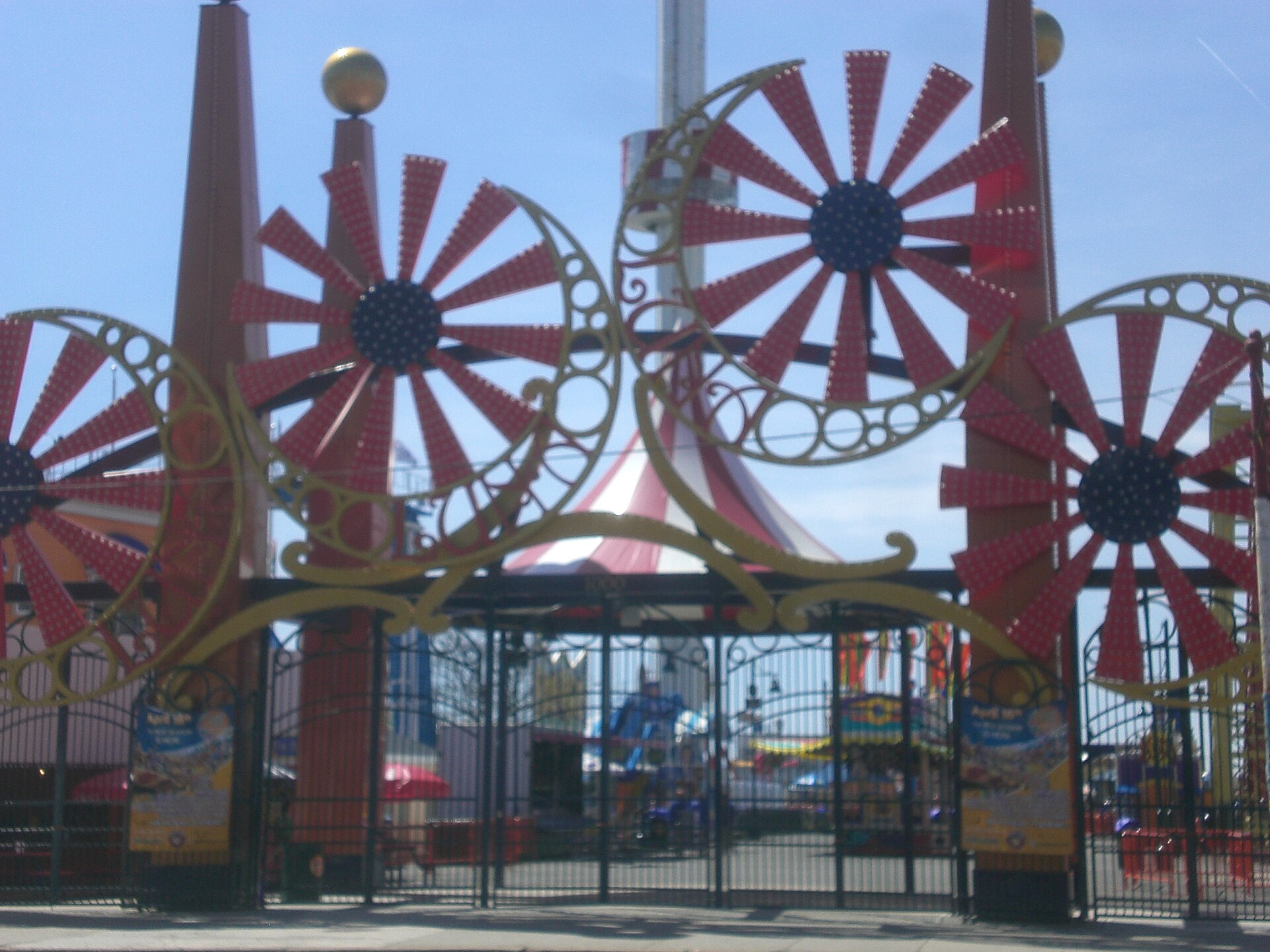
Luna Park opened on May 29, 2010, on the former Astroland site at 1000 Surf Avenue in Coney Island, Brooklyn, reviving a name last used by an amusement park that operated nearby from 1903 to 1944. The new park was designed and built by Central Amusement International, a subsidiary of the Italian ride manufacturer Zamperla, which installed 19 brand-new rides in just 100 days of construction ahead of opening day.
Today Luna Park spans roughly 14.5 acres along the Coney Island boardwalk and has grown to include dozens of rides, most of them manufactured by Zamperla, alongside the landmark Coney Island Cyclone. The park anchors the modern Coney Island amusement district and draws crowds each summer for a mix of family rides, thrill coasters, and classic seaside attractions.
Stats at a Glance
- Location: Coney Island, Brooklyn, New York City
- Operator: Central Amusement International (Zamperla)
- Opened: May 29, 2010
- Size: About 14.5 acres
- Opening-season visitors: About 450,000 (2010)
- Signature attraction: Thunderbolt roller coaster
The Ride Experience
Luna Park’s centerpiece coaster, Thunderbolt, opened in 2014 and was built by Zamperla at a reported cost of about $10 million. It features roughly 2,234 feet of track, a height near 115 feet, and a top speed of about 56 mph, delivering a 90-degree first drop, a vertical loop, and a corkscrew along the boardwalk. Other Zamperla-built coasters at the park include Soarin’ Eagle and the family-friendly Steeplechase, which opened in 2011.
Every coaster at Luna Park was manufactured by Zamperla with one notable exception: the Coney Island Cyclone, a wooden coaster dating to 1927 that remains a designated New York City landmark and operates alongside the newer rides as the park’s most historic attraction.
Reviving a Coney Island Icon
Luna Park takes its name from the original Luna Park that opened in 1903 and operated until a fire destroyed it in 1944. The 2010 revival, developed with New York City as part of a broader push to modernize Coney Island’s amusement zone, echoes that history through its entrance design and branding while offering entirely new, purpose-built rides.
Since opening, the park has expanded steadily, adding attractions in phases through the 2010s and continuing to operate seasonally as one of the primary amusement operators on the Coney Island boardwalk, alongside neighboring independent ride operators.
Explore more: Explore more theme parks.
Roller Coasters at Luna Park
Every Luna Park coaster ThrillZing has covered — stats, ride experience and history for each:
Soak, snap and drape. A cooling towel takes the edge off a 45-minute midday queue in July.
Park apps, mobile ordering and photos kill a battery by 3 p.m. This one snaps on magnetically, so there's no cable to snag on a restraint.
Ride with your glasses on and keep them. Many parks allow glasses on rides if they're strapped, so check the ride rules first.
Luna Park FAQs
Is Luna Park the same as the original Coney Island Luna Park?
No. The original Luna Park operated from 1903 to 1944 on a nearby site. The current Luna Park is a new amusement park that opened in 2010 and borrows the name and some visual style of the historic park.
Who owns and operates Luna Park in Coney Island?
Luna Park is operated by Central Amusement International, a subsidiary of the Italian ride manufacturer Zamperla, which also built most of the park’s rides.
Does Luna Park include the Coney Island Cyclone?
Yes. The historic wooden Cyclone coaster, a designated NYC landmark dating to 1927, operates as part of Luna Park’s attraction lineup alongside its newer Zamperla-built rides.
Get More from Luna Park
Log the coasters, stadiums, and venues you’ve experienced, rate Luna Park, and see what your friends thought. Get the ThrillZing app.
Photo: Newkai / CC BY-SA 3.0, via Wikimedia Commons.