
St James’ Park sits on a hill above Newcastle city centre, its towering black-and-white stands visible from miles around and from trains pulling into the city. Home to Newcastle United since 1892, it is one of English football’s oldest and most storied grounds, having hosted top-flight football for well over a century while evolving from a modest terraced pitch into a sleek all-seater arena.
Because it was squeezed onto a tight urban hillside rather than built on open land, St James’ Park has one of the most distinctive silhouettes in the Premier League — and one of the loudest atmospheres, especially on European and derby nights. This guide covers everything you need to know: capacity and record attendance, how the ground came to look the way it does, how to get there and park, tickets and stadium tours, the seating plan, and where the club stands on plans to expand or replace it.
Quick Answer
St James’ Park is Newcastle United’s home stadium in Newcastle upon Tyne, opened in 1892 (football has been played on the site since 1880). It currently holds about 52,264 spectators, making it the ninth-largest football ground in England, with a record attendance of 68,386 set against Chelsea in 1930. St James Metro station sits directly beneath the stadium, and the club runs official stadium tours and ticket sales through the official Newcastle United stadium tours site.
How Many Does St James’ Park Hold?
St James’ Park’s current Premier League capacity is 52,264, placing it as the ninth-largest football stadium in England behind grounds like Old Trafford, Wembley, Tottenham Hotspur Stadium, and the Emirates. Capacity has crept up gradually in recent seasons through minor configuration changes rather than new construction.
That figure is far below the ground’s historic peak. The record attendance of 68,386 was set in 1930 for an FA Cup match against Chelsea, back when clubs packed far larger standing crowds onto terraces than modern safety rules allow. Capacity was actually reduced sharply after the Taylor Report following the Hillsborough disaster, which forced the conversion to an all-seater stadium in the early 1990s and briefly capped St James’ Park at around 36,000 before the major 1990s and 2000 expansions pushed it back above 52,000.
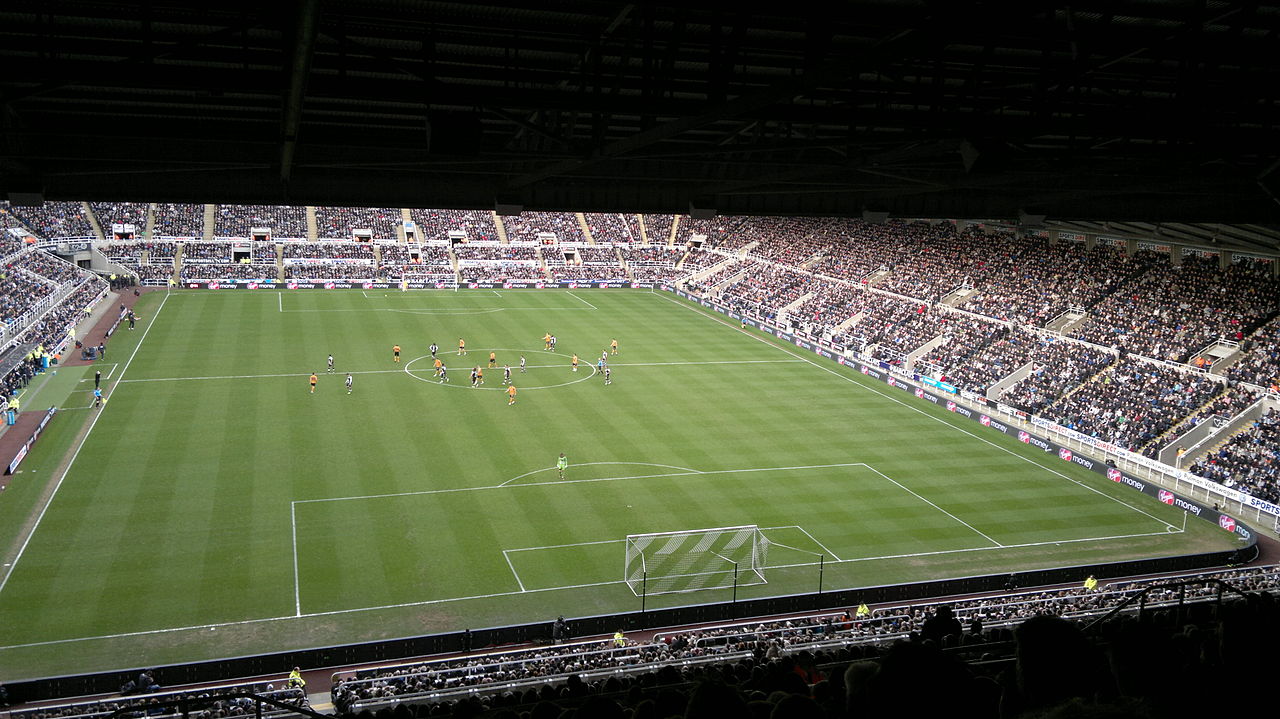
A Brief History of the Ground
Unlike stadiums built on open land, St James’ Park was squeezed into an existing urban hillside, forcing architects to design an unusually asymmetrical bowl. The result is a ground where the Gallowgate and Milburn stands rise dramatically higher than the opposite side, creating a steep, enclosed feel that amplifies crowd noise and gives the stadium its famous atmosphere.
Major expansions in the 1990s and a roughly £42 million second-tier addition completed in 2000 pushed capacity above 52,000 while preserving that compact intensity. The stadium has carried the St James’ Park name for most of its history, though it briefly traded under a sponsor’s title in the early 2010s before reverting to its traditional name after fan pressure. Its floodlights, first switched on for a match in the 1950s, were among the earliest installed at any major English ground, and the pitch itself measures 105 by 68 metres — the maximum size permitted for international matches.
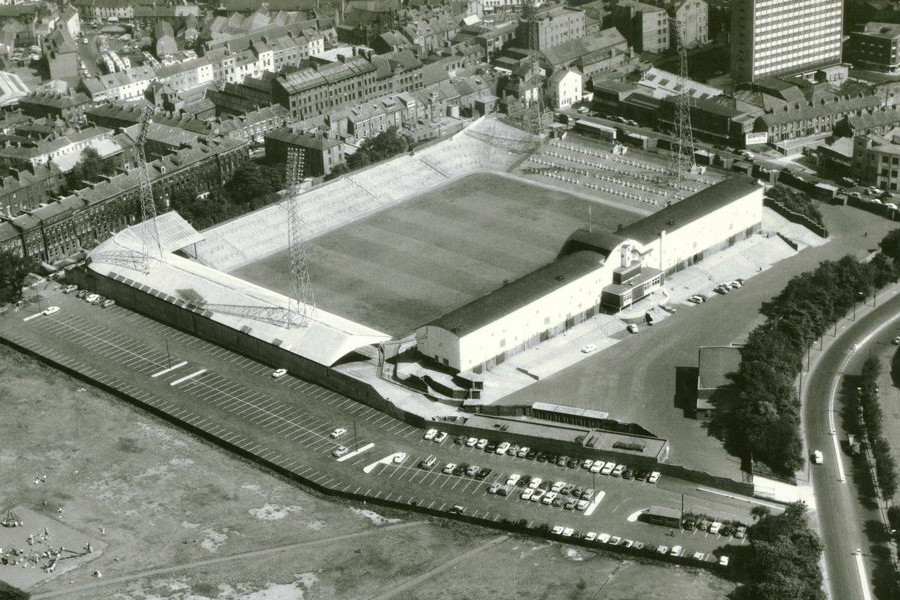
Getting There & Parking
St James’ Park sits at Barrack Road, Newcastle upon Tyne, right on the edge of the city centre, which makes it one of the most walkable Premier League grounds in the country. St James Metro station is built directly beneath the stadium — arguably the most convenient Tyne and Wear Metro stop to any top-flight ground in England — while Newcastle Central railway station is only about a 10-minute walk away through the city centre, making the train the simplest way in for most visitors.
There is no dedicated matchday car park at the stadium itself, so most fans use city-centre car parks and walk in. Eldon Square car park, inside the Eldon Square shopping centre, is one of the closest options at around 5–7 minutes’ walk. Newcastle College’s car park, roughly 20 minutes on foot, and the Arena car park further out are common overflow options on busy matchdays. Given the limited on-site parking and heavy pedestrian traffic around kick-off, arriving early by Metro or train is generally the smoothest option.
Tickets & Stadium Tours
Match tickets are sold through Newcastle United’s membership and season-ticket schemes, with general sale availability varying by fixture and demand — high-profile matches against rival clubs typically sell out well in advance. The official club site is the only reliable source for current match-ticket availability and pricing.
For fans who can’t get to a match, the club also runs behind-the-scenes stadium tours on non-matchdays, including a Classic Tour through the tunnel, home dressing room, media suite, and upper tiers of the ground, plus a seasonal Rooftop Tour and an Accessible Tour designed for visitors with additional needs. Tours are priced by age band (junior, concession/student, concession for 65+, and adult) and generally run around 90 minutes; advance online booking is recommended since walk-up spots aren’t guaranteed. For exact tour prices, timings, and booking, use the official Newcastle United stadium tours page, which also lists any temporary route changes around pitch or construction work.
Seating Plan & Stands
St James’ Park’s bowl is built around four named stands shaped by the tight city-centre site. The Gallowgate End and the Leazes End — also known as the Sir John Hall Stand, after the club’s former chairman and life president — sit behind each goal, both known for generating the loudest noise in the ground, while the Milburn Stand and the East Stand run along the touchlines with steep, multi-tiered seating that includes the stadium’s largest cantilever section, among the biggest single-tier cantilever stands in Europe.
Because the ground was expanded upward rather than outward, sightlines are notably steep on the upper tiers, which contributes to the atmosphere but means away or unfamiliar visitors should check seat location carefully when booking, since view and noise levels vary significantly by stand and tier.
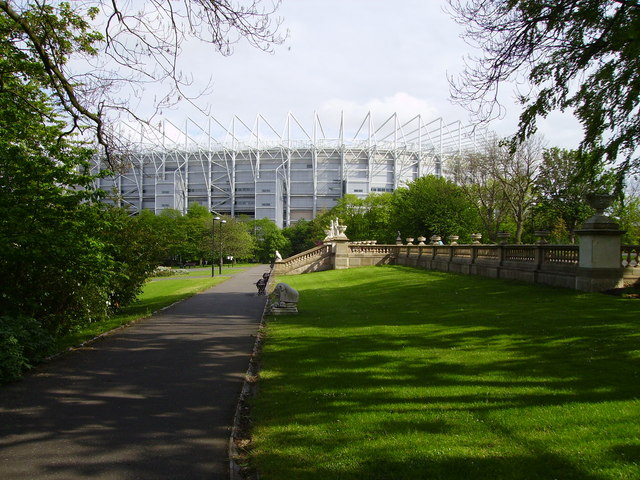
More Than a Football Ground
Beyond Newcastle United’s Premier League fixtures, St James’ Park has hosted rugby union and rugby league matches, international football, and large-scale concerts, taking advantage of its central city location and rail links. The full-size international pitch dimensions give the stadium flexibility to host events well beyond domestic league football.
Expansion or a New Stadium? What Comes Next
Newcastle United’s ownership has spent recent seasons weighing two long-term options for St James’ Park: expanding the existing ground further, or building an entirely new stadium nearby with a capacity in the region of 65,000–70,000. As of mid-2026, that decision has not been finalised, with the club prioritising long-term financial and logistical planning over a quick announcement.
In the meantime, the club has approved a modernisation programme focused on fan comfort and stadium infrastructure at the current ground, with initial works expected to begin after the 2025/26 season concludes. Because of this ongoing work, visitors should check the official tours page for any temporary changes to tour routes before booking.
USB-charged warmers for cold night games — no disposable packets.
Keeps chili hot from the tailgate to the fourth quarter.
Team-color face paint in a twist-up stick — no brushes, no mess in the car.
st james park newcastle FAQs
How old is St James’ Park?
Football has been played on the site since 1880, and Newcastle United have called it home continuously since 1892, making it one of the oldest grounds in English football.
What is the capacity of St James’ Park?
The stadium holds approximately 52,264 spectators, making it the ninth-largest football stadium in England.
What is St James’ Park’s record attendance?
The record attendance is 68,386, set during an FA Cup match against Chelsea in 1930, when much larger standing crowds were permitted than are allowed today.
How do I get to St James’ Park?
St James Metro station sits directly beneath the stadium, and Newcastle Central railway station is about a 10-minute walk away, making public transport the most convenient option. There is no significant matchday parking at the ground itself, so most fans use city-centre car parks such as Eldon Square and walk in.
Can you take a stadium tour of St James’ Park?
Yes. Newcastle United runs Classic, Rooftop, and Accessible tours on non-matchdays, covering the tunnel, dressing rooms, media suite, and upper tiers. Tours are priced by age band and should be booked in advance through the official Newcastle United stadium tours page.
Is Newcastle United building a new stadium?
No final decision has been made. The club is still evaluating whether to expand St James’ Park to around 65,000–70,000 seats or build a new stadium nearby, with a modernisation of the current ground already approved to begin after the 2025/26 season.
Get More from st james park newcastle
Log the coasters, stadiums, and venues you’ve experienced, rate st james park newcastle, and see what your friends thought. Get the ThrillZing app.