
City Ground has stood on the banks of the River Trent in West Bridgford since September 3, 1898, making it one of English football’s most enduring homes. Nottingham Forest F.C. built the ground after the city’s new civic status inspired its name, and the club has played there for over 125 years, weathering fire, flood, and multiple rebuilds along the way.
The stadium’s riverside setting gives it a rare distinction: it sits just 300 yards from Meadow Lane, home of Notts County, making City Ground and its neighbor the closest pair of professional football grounds in England. Beyond derby-day proximity, the ground has hosted top-flight European football, including matches during UEFA Euro 1996, cementing its place among England’s storied stadiums.
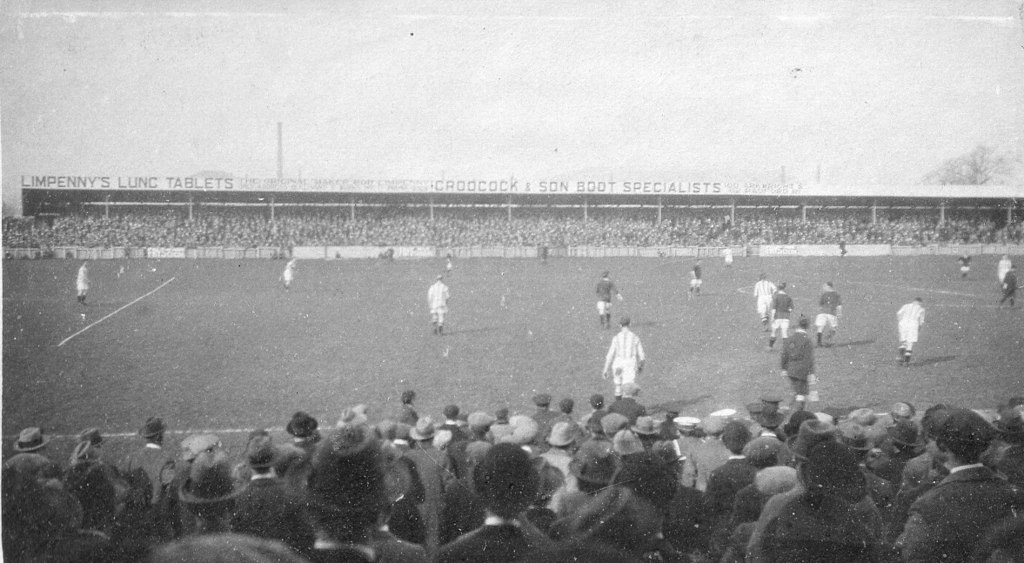
Stats at a Glance
- Team(s): Nottingham Forest F.C. (since 1898); Nottingham Forest Women F.C. (since 2024)
- Location: West Bridgford, Nottinghamshire, England
- Opened: September 3, 1898
- Capacity: about 30,400 (expansion planned toward 45,000, then 52,500)
- Record attendance: 49,946 (vs. Manchester United, October 28, 1967)
- Notable fact: Closest professional football ground to another in England, just 300 yards from Notts County’s Meadow Lane
A Riverside Ground Built to Last
City Ground’s location on the Trent has shaped its identity as much as any match played there. The original pitch was famously laid with a clinker bed and turf ferried in by barge from nearby Radcliffe-on-Trent, and the ground has survived the river’s temper more than once, including a serious flood in March 1947 when the Trent burst its banks.
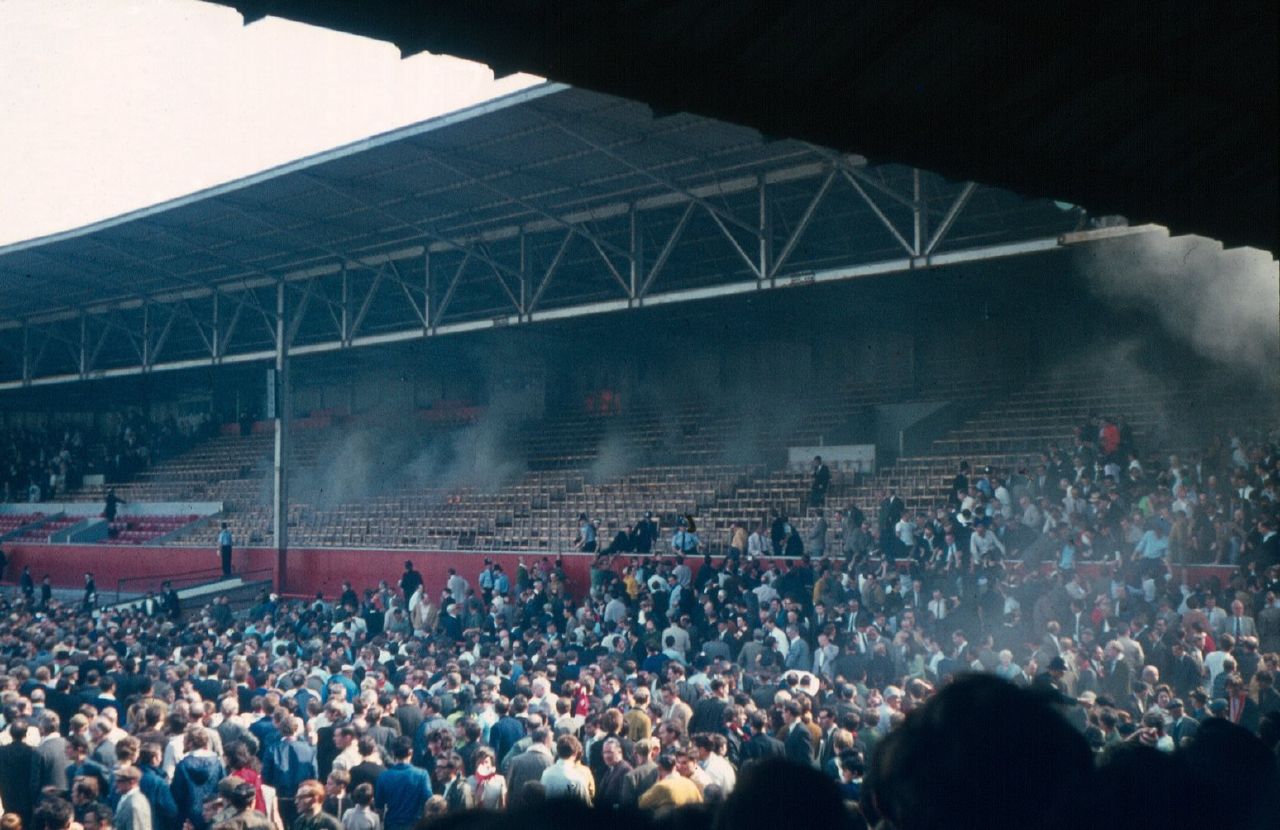
The stadium also endured a devastating fire in August 1968 that tore through the wooden Main Stand during a match against Leeds United, destroying much of the club’s early memorabilia and records. Despite a crowd of over 31,000 present that day, there were no injuries, and the ground was rebuilt in the years that followed.
The Clough Era and Beyond
City Ground’s modern character owes much to the success Brian Clough brought Nottingham Forest from 1975 onward, including back-to-back European Cup titles. In 1980, during that golden run, the club built a new 10,000-seat Main Stand, later renamed the Brian Clough Stand in his honor and still the ground’s largest today.
In recent years the stadium has hosted major concerts, including Take That in May 2024, and Nottingham Forest has advanced redevelopment plans aimed at expanding capacity toward 45,000 by the early 2030s while keeping the club on its historic Trentside site.
Explore more: Explore more legendary stadiums.
City Ground FAQs
When did Nottingham Forest start playing at City Ground?
Nottingham Forest moved to City Ground on September 3, 1898, and the club has played there continuously ever since.
What is the capacity of City Ground?
City Ground currently holds around 30,400 spectators, though Nottingham Forest has approved and proposed plans to expand capacity to roughly 45,000 and eventually 52,500 in future phases.
Why is City Ground considered unique among English stadiums?
It sits only about 300 yards from Meadow Lane, home of Notts County, making the two grounds the closest pair of professional football stadiums anywhere in England.
Get More from City Ground
Log the coasters, stadiums, and venues you’ve experienced, rate City Ground, and see what your friends thought. Get the ThrillZing app.
Photo: Stadisimo / CC BY 4.0, via Wikimedia Commons.