
Osborn Engineering was a Cleveland, Ohio firm that, in the early 20th century, quietly became the most prolific stadium designer in American sports history. Founded on July 1, 1892 by structural engineer Frank C. Osborn, the company started out building bridges and industrial steel structures before a growing demand for fire-resistant, steel-and-concrete sports venues pulled it into ballpark work.
That shift began close to home in 1910, when Osborn Engineering, a firm that had never before worked on a sports structure, was hired to completely rebuild Cleveland’s wooden League Park in steel and concrete. The $300,000 project, finished in just months, reopened as a modern double-decked ballpark holding roughly 21,000 fans, following the trail blazed by Philadelphia’s Shibe Park a year earlier. League Park’s success launched Osborn into two decades of ballpark work, including Fenway Park in Boston, Comiskey Park in Chicago, the Polo Grounds in New York, Tiger Stadium in Detroit, and the original Yankee Stadium, cementing the firm’s reputation as the nation’s leading stadium engineer.
Stats at a Glance
- Founded: July 1, 1892, Cleveland, Ohio
- Founder: Frank C. Osborn
- First ballpark project: League Park, Cleveland (rebuilt in steel and concrete, 1910)
- Notable credits: Fenway Park, original Yankee Stadium, Tiger Stadium, Comiskey Park, Polo Grounds
- Stadiums designed: More than 75 by 1928; over 100 across the firm’s history
- Famous for: Pioneering steel-and-concrete, double-deck, and cantilevered stadium construction
- Status today: Still operating as an employee-owned engineering firm, founded 1892
Engineering the Modern Ballpark
Before Osborn’s ballparks, most stadiums were built from wood, which was cheap but dangerously flammable, as several early 1900s grandstand fires proved. Philadelphia’s Shibe Park opened in April 1909 as the first steel-and-concrete ballpark in the majors, and other clubs quickly took notice. When Cleveland’s League Park needed rebuilding in 1910, the team turned to the local firm of Frank Osborn, whose bridge-building background in structural steel and reinforced concrete translated directly into durable, fire-resistant grandstands. Osborn’s engineers went on to work alongside architects on some of baseball’s most famous parks, including Fenway Park and Yankee Stadium, where the firm helped pioneer the double-deck grandstand and later the cantilevered upper deck that eliminated view-blocking support columns.
A Legacy Beyond Baseball
Osborn’s stadium work extended well past Major League ballparks into college football, with projects for Notre Dame, Michigan, Purdue, and West Point. By the time the firm was selected as project engineer for Cleveland Municipal Stadium in 1928, it had already amassed a portfolio of more than 75 sports facilities. Frank Osborn died in 1922, and his son Kenneth led the company afterward, carrying its stadium-engineering legacy forward. The firm continues to operate today from Cleveland, more than 130 years after its founding.
Explore more: Explore more Stadium Design history.
Osborn Engineering Venues on ThrillZing
- Fenway Park
- Yankee Stadium — the 1923 original
Explore more venues in our stadium guides.
Sherpa-lined and windproof, with a waterproof back for wet bleachers. Folds into its own pouch.
For late-season football, outdoor hockey and October park nights. Shake, pocket, and stay warm for hours.
12 x 10.5 x 6 in. — built to the common stadium clear-bag size. Check your venue's rules.
Osborn Engineering FAQs
What was Osborn Engineering’s first major stadium project?
League Park in Cleveland, which Osborn rebuilt in steel and concrete in 1910. It was the firm’s first sports venue and launched its career designing ballparks.
Which famous stadiums did Osborn Engineering design?
Osborn’s credits include Fenway Park, the original Yankee Stadium, Tiger Stadium, League Park, Comiskey Park, and the Polo Grounds, among more than 75 sports facilities completed by 1928.
Does Osborn Engineering still exist?
Yes. Founded in Cleveland in 1892, the employee-owned firm is still in operation today, having expanded well beyond stadium work into broader architecture and engineering services.
Get More from Osborn Engineering
Log the coasters, stadiums, and venues you’ve experienced, rate Osborn Engineering, and see what your friends thought. Get the ThrillZing app.
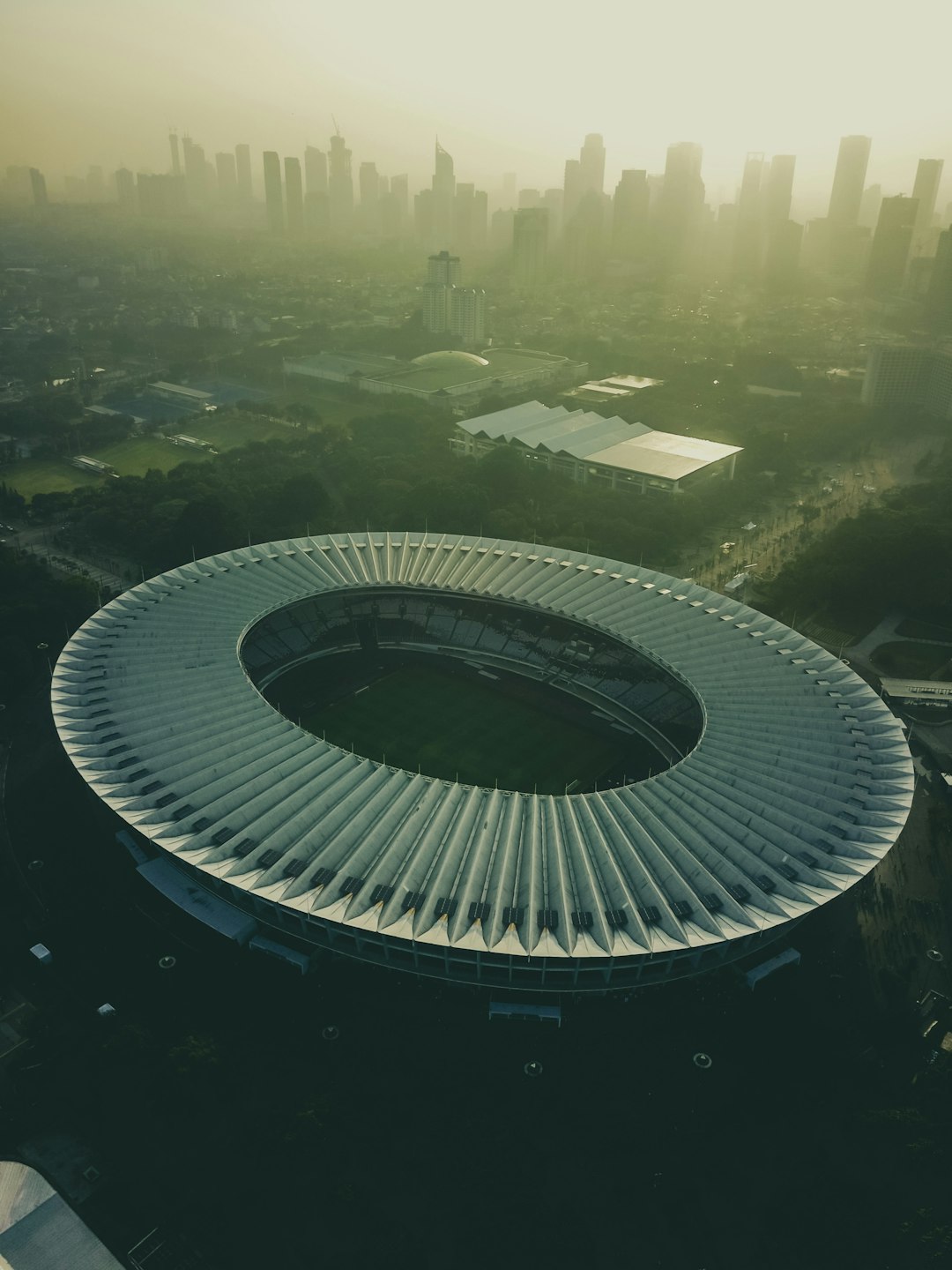
Photo by Nazarizal Mohammad on Unsplash.