Each December 31st, the eyes of the world turn to a single sphere perched atop One Times Square in Manhattan. The Times Square Ball has served as the centerpiece of New York City’s New Year’s Eve celebration since its first descent on December 31, 1907, a tradition started by New York Times owner Adolph Ochs to cap off the paper’s rooftop fireworks displays.
What began as a 700-pound ball of iron and wood lit by one hundred 25-watt bulbs has evolved, over seven distinct versions, into the Constellation Ball: a 12.5-foot diameter sphere covered in thousands of Waterford Crystal panels and LED lights. The ball’s one-minute descent down a flagpole has become one of the most recognized live broadcast moments on the planet.
Stats at a Glance
- Location: One Times Square, Manhattan, New York City
- Tradition Began: 1907
- Founder: Adolph Ochs, owner of The New York Times
- Current Version: Constellation Ball (installed 2025, 9th ball overall)
- Diameter: About 12.5 feet
- Weight: Over 12,000 pounds
- Crystal Panels: About 5,280 Waterford Crystal panels
- Annual Crowd: About 1 million spectators in Times Square
From Iron and Wood to LED and Crystal
The original 1907 ball was a modest affair compared to today’s spectacle, a 5-foot sphere of iron and wood strung with incandescent bulbs. Over the following century it was rebuilt several times to reflect new materials and technology, moving through aluminum construction in the 1950s, computer-controlled lighting in the 1980s, and Waterford Crystal panels beginning in 1999 for the millennium celebration.
The ball was briefly retired during the 1942 and 1943 New Year’s Eve celebrations because of wartime lighting restrictions in New York City, with crowds instead observing a moment of silence followed by chimes. Since 2009, an LED-lit version of the ball has remained installed atop One Times Square nearly year-round rather than being taken down after each celebration.
The Midnight Countdown
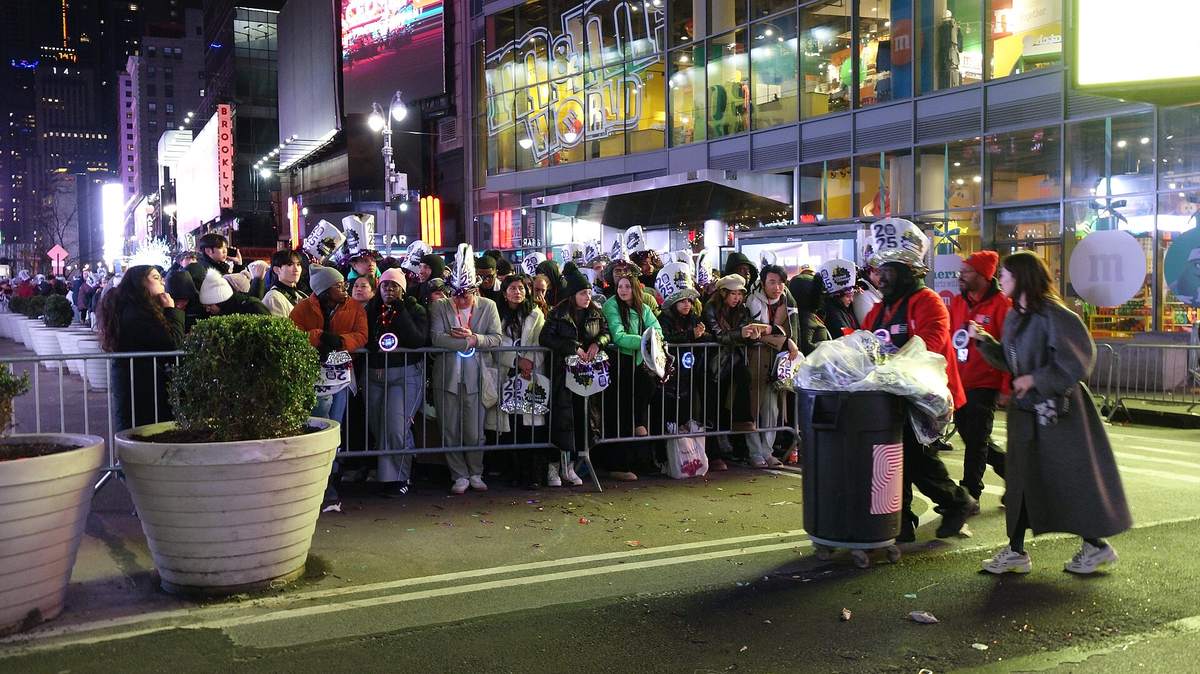
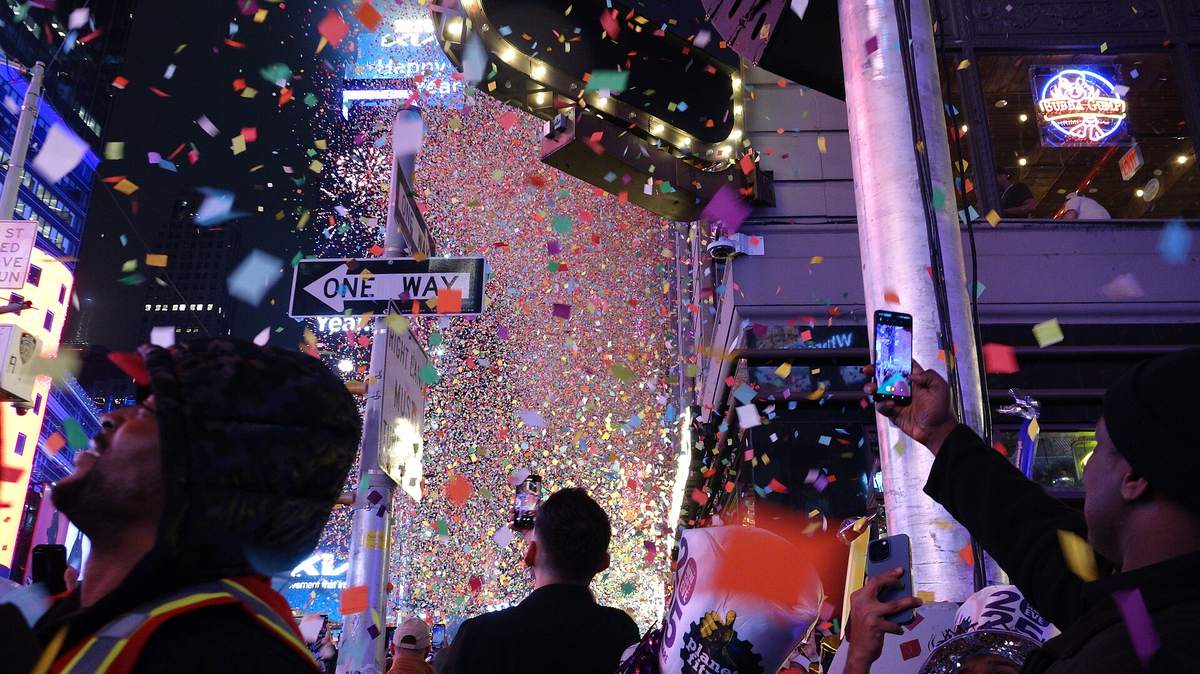
On New Year’s Eve, the ball begins its 60-second descent down a specially built flagpole at 11:59 p.m., timed to reach the bottom exactly at midnight as the numerals of the new year light up above One Times Square. The event draws roughly a million spectators into the streets of Times Square and is broadcast to a large television audience around the world.
The ball’s crystal panels and programmable LEDs allow it to display millions of color combinations and patterns during the countdown, a far cry from the single string of light bulbs that illuminated the first version in 1907.
Explore more: Discover more iconic attractions and seasonal events.
Cheaper than the $15 poncho at the gift shop and you get a whole bag. Toss one in every backpack for water rides and pop-up storms.
Soak, snap and drape. A cooling towel takes the edge off a 45-minute midday queue in July.
Park apps, mobile ordering and photos kill a battery by 3 p.m. This one snaps on magnetically, so there's no cable to snag on a restraint.
Times Square Ball FAQs
When did the Times Square Ball tradition start?
The tradition began on December 31, 1907, when the first ball descended from a flagpole atop One Times Square to welcome 1908.
What is the current Times Square Ball made of?
The current ball, known as the Constellation Ball, is covered in thousands of Waterford Crystal panels and lit by LED modules capable of producing millions of color combinations.
Has the ball drop ever been cancelled?
The ball drop was paused for New Year’s Eve 1942 and 1943 due to wartime lighting restrictions in New York City, though crowds still gathered for a moment of silence.
Get More from Times Square Ball
Log the coasters, stadiums, and venues you’ve experienced, rate Times Square Ball, and see what your friends thought. Get the ThrillZing app.
Photo: User697755 / CC0, via Wikimedia Commons.