
The Max M. and Marjorie S. Fisher Music Center sits at 3711 Woodward Avenue in Midtown Detroit, wrapping around the historic Orchestra Hall to give the Detroit Symphony Orchestra a modern home built around a century-old stage. The center takes its name from Max Fisher, the Detroit businessman and philanthropist whose family’s donations helped fund the surrounding expansion, completed in 2003 and renamed in 2015 to also honor Marjorie Fisher’s continued support.
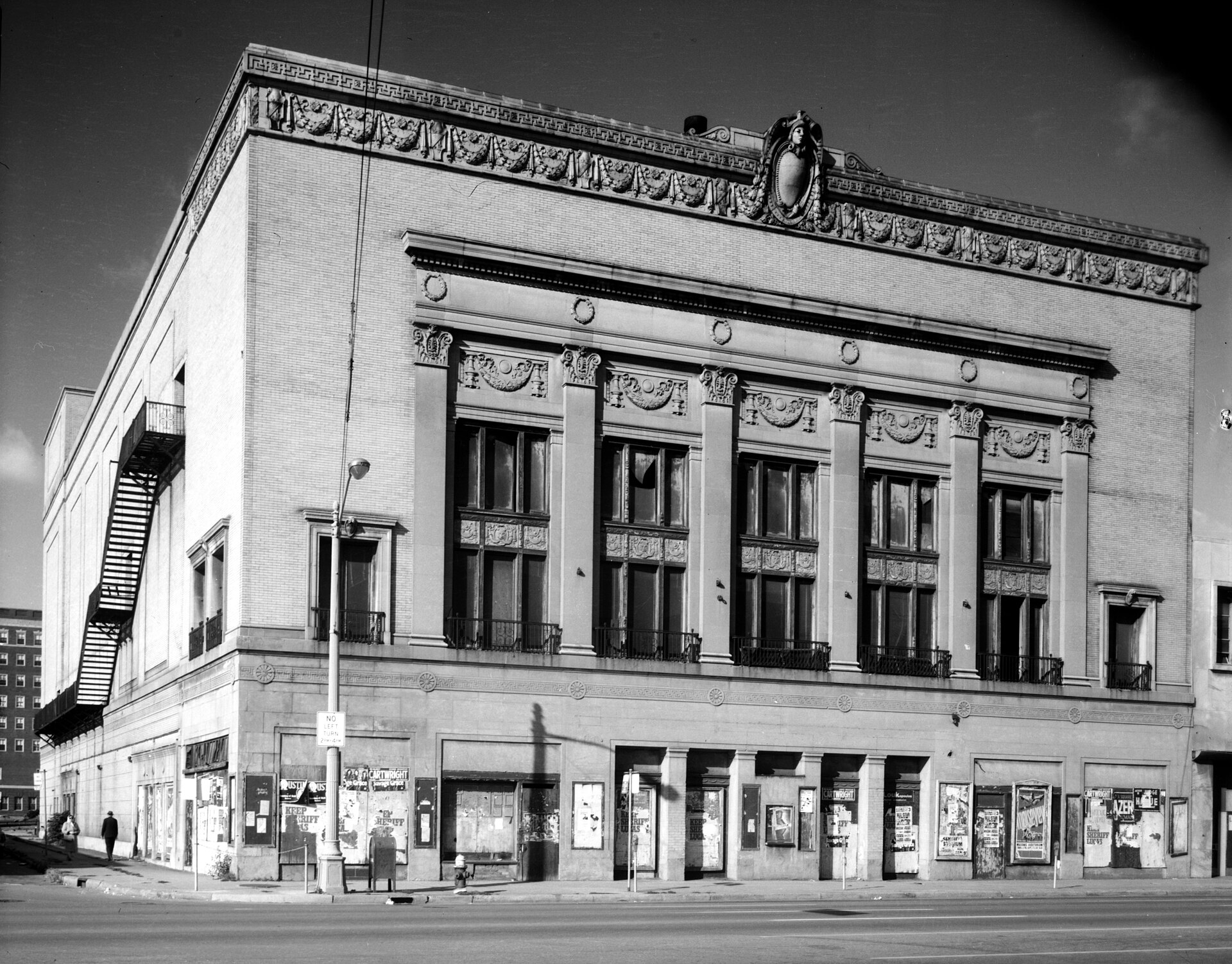
At its core is Orchestra Hall itself, a Beaux-Arts auditorium designed by theater architect C. Howard Crane and rushed to completion in 1919 after conductor Ossip Gabrilowitsch insisted on a proper concert venue before taking the DSO podium. The hall has survived a stint as the jazz-era Paradise Theatre, a near-demolition in the 1960s, and a painstaking 1970s-80s restoration, and it remains prized for acoustics many musicians consider among the finest in the country.
Stats at a Glance
- Location: 3711 Woodward Avenue, Midtown Detroit, Michigan
- Type: Concert hall complex (Orchestra Hall plus recital and rehearsal spaces)
- Opened: Orchestra Hall, 1919; Fisher Music Center expansion, 2003
- Capacity: About 2,000 in Orchestra Hall; around 450 in the adjoining Cube
- Architect: C. Howard Crane (original Orchestra Hall)
- Famous for: Home of the Detroit Symphony Orchestra and a National Register of Historic Places listing
From Paradise Theatre to Symphony Stage
Orchestra Hall opened in October 1919 after being built in roughly four months, a rush job driven by conductor Ossip Gabrilowitsch’s ultimatum to the DSO. When the orchestra later moved out, the hall found a second life from 1941 to 1951 as the Paradise Theatre, a Black-owned venue hosting jazz greats like Duke Ellington, Ella Fitzgerald, and Count Basie during a vibrant stretch of Detroit’s Paradise Valley entertainment district.
By the 1960s the building faced demolition, and it took a grassroots campaign led by DSO musician Paul Ganson to save it. A roughly $6.8 million restoration through the 1970s and 80s returned the hall to concert use, the DSO moved back in 1989, and the National Register of Historic Places listing from 1971 helped anchor its long-term preservation.
The Fisher Music Center Expansion
The Max M. Fisher Music Center emerged in 2003 when a roughly $60 million project wrapped new facilities around the historic hall, adding a recital and jazz auditorium along with an education wing and rehearsal space for musicians. Max Fisher and his family contributed a $25 million gift toward the project, and the surrounding campus was renamed for Marjorie Fisher in 2015 in recognition of her ongoing leadership support for the DSO.
Today the complex functions as a year-round performing arts hub, pairing Orchestra Hall’s landmark acoustics with flexible modern spaces used for chamber music, jazz, and community events, including Detroit’s annual State of the City address.
Explore more: Explore more iconic music venues.
Max M. Fisher Music Center FAQs
What orchestra performs at the Max M. Fisher Music Center?
The Detroit Symphony Orchestra performs its home season at Orchestra Hall inside the Max M. Fisher Music Center.
How old is Orchestra Hall?
Orchestra Hall dates to 1919, making it over a century old, though it has been renovated and expanded several times, most notably in 2003.
How many people can Orchestra Hall seat?
Orchestra Hall seats about 2,000 people, with the adjoining Cube auditorium adding roughly 450 more seats for smaller performances.
Get More from Max M. Fisher Music Center
Log the coasters, stadiums, and venues you’ve experienced, rate Max M. Fisher Music Center, and see what your friends thought. Get the ThrillZing app.
Photo: Andrew Jameson / CC BY-SA 3.0, via Wikimedia Commons.