
The Concertgebouw opened on Museumplein in Amsterdam on April 11, 1888, with an inaugural concert featuring 120 musicians and a 500-voice chorus performing works by Bach, Beethoven, Handel, and Wagner. Designed by Dutch architect Adolf Leonard van Gendt and modeled partly on Leipzig’s Gewandhaus, the building became home to the Royal Concertgebouw Orchestra, which played its first concert there later that same year.
What set the Concertgebouw apart almost immediately was its acoustics. The Grote Zaal, or Main Hall, is widely regarded as one of the two or three best-sounding concert spaces on earth, frequently mentioned alongside Vienna’s Musikverein and New York’s Carnegie Hall. More than a century after opening, and following a major 1980s restoration that replaced thousands of rotting wooden foundation pilings with concrete, the hall still hosts a packed calendar of classical performances every year.
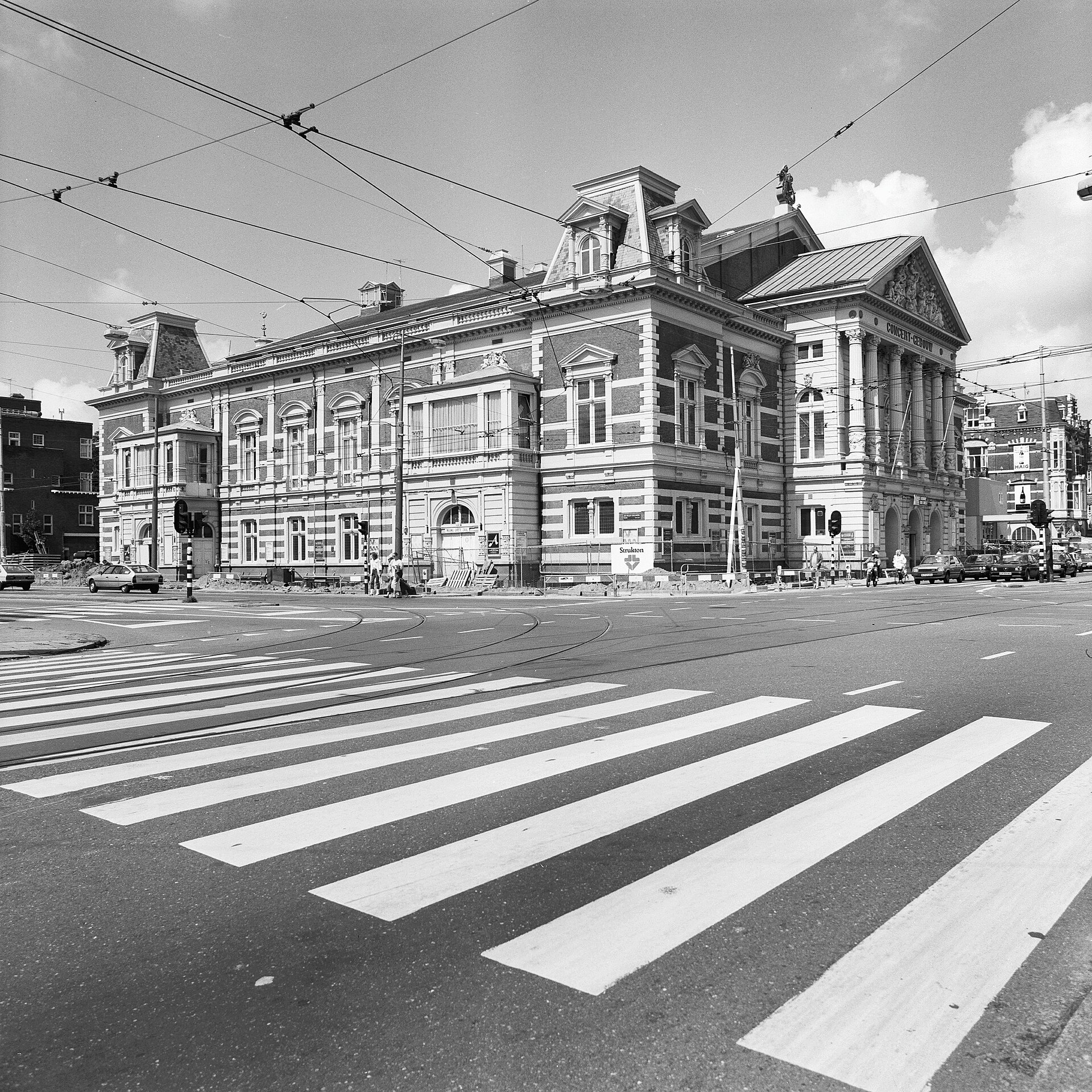
Stats at a Glance
- Location: Amsterdam, Netherlands
- Type: Concert hall
- Opened: April 11, 1888
- Main Hall Capacity: 1,974 (Grote Zaal)
- Recital Hall Capacity: 437 (Kleine Zaal)
- Resident Orchestra: Royal Concertgebouw Orchestra
- Famous For: Acoustics ranked among the world’s best for symphonic music
A Hall Built for Sound
The Grote Zaal measures 44 meters long, 28 meters wide, and 17 meters high, proportions that give it a reverberation time of about 2.8 seconds when empty and roughly 2.2 seconds with a full audience. Those numbers are exactly the kind of detail acousticians point to when explaining why the room suits late-Romantic orchestral repertoire so well, letting string and brass sections bloom without turning muddy.
That reputation isn’t just local pride. Musicians and critics touring the world’s great concert halls routinely place the Concertgebouw in the same conversation as Vienna’s Musikverein and Carnegie Hall in New York, a trio often cited as having the finest acoustics for symphonic music anywhere.
From Near-Collapse to Royal Status
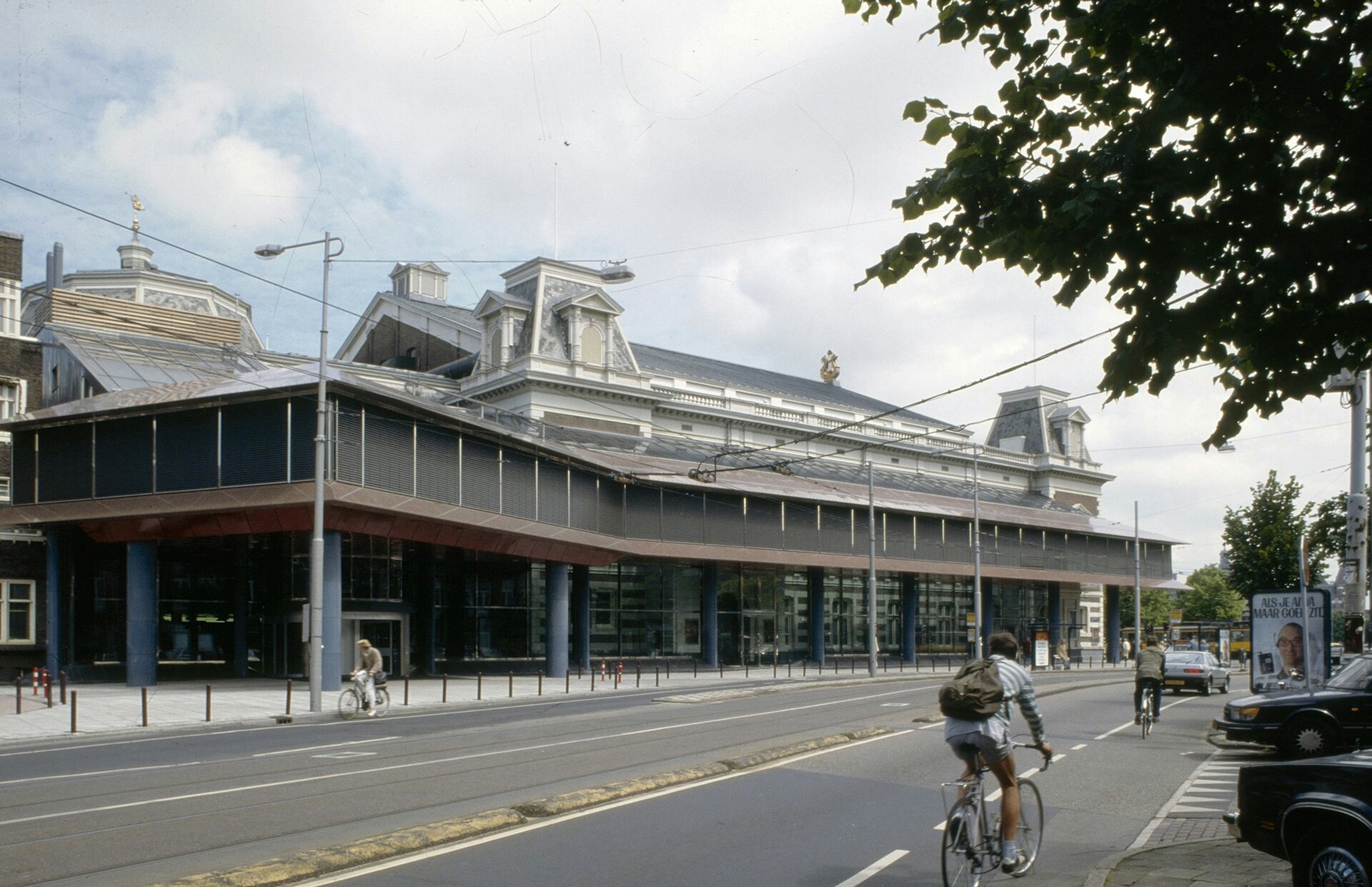
By the 1980s, the building’s original wooden foundation pilings had begun rotting, threatening the structure itself. A major restoration between 1985 and 1988 replaced about 2,186 of them with concrete, saving the hall in time for its centennial. The recovery was validated further in 2013, when Queen Beatrix granted the venue royal status on its 125th anniversary, officially making it the Royal Concertgebouw.
Explore more: Explore more iconic music venues.
Concertgebouw FAQs
When did the Concertgebouw open?
It opened on April 11, 1888, with a concert featuring 120 musicians and a 500-voice chorus.
How many people can the Concertgebouw hold?
The Grote Zaal, or Main Hall, seats 1,974 people, while the smaller Kleine Zaal recital hall seats 437.
Why is the Concertgebouw considered special?
Its acoustics are consistently ranked among the best in the world for orchestral music, often mentioned alongside Vienna’s Musikverein and Carnegie Hall.
Get More from Concertgebouw
Log the coasters, stadiums, and venues you’ve experienced, rate Concertgebouw, and see what your friends thought. Get the ThrillZing app.
Photo: C messier / CC BY-SA 4.0, via Wikimedia Commons.