
The Panathenaic Stadium sits in the Pangrati district of Athens, Greece, on the site of an ancient racecourse dating to the 6th century BC. Built around 330 BC by the statesman Lykourgos and rebuilt entirely in gleaming Pentelic marble around 144 AD by the Roman senator Herodes Atticus, it remains the only stadium in the world constructed completely of marble.
The horseshoe-shaped venue found new life in the modern era when it was restored for the first modern Olympic Games in 1896, hosting the opening and closing ceremonies along with athletics, gymnastics, weightlifting, and wrestling. Over a century later it welcomed archery events and served as the marathon finish line for the 2004 Athens Olympics, and it still hosts the annual Athens Classic Marathon and Olympic flame handover ceremonies today.
Stats at a Glance
- Location: Pangrati, Athens, Greece
- Opened: c. 330 BC (rebuilt in marble by 144 AD; restored 1896)
- Capacity: About 50,000 (marble-era capacity; roughly 60,000 for the 1896 Olympics)
- Team(s): AEK Athens basketball club (home venue, mid-to-late 1960s)
- Track length: About 204 m (669 ft)
- Notable fact: Only stadium in the world built entirely of marble
From Ancient Games to the Modern Olympics
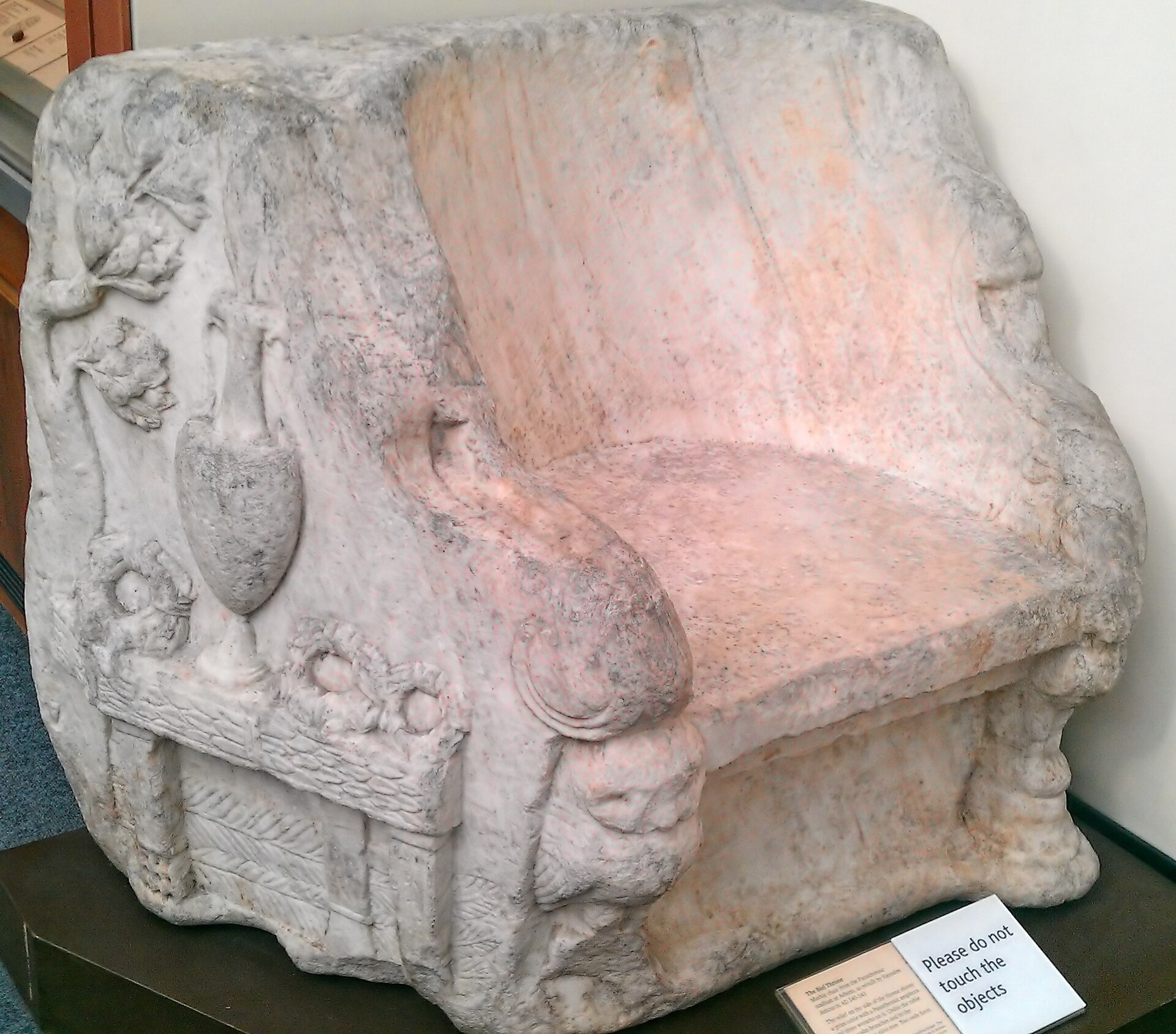
The stadium’s origins trace back to a simple racecourse used for the ancient Panathenaic Games, later carved into a proper stadium of poros stone in the 4th century BC. Herodes Atticus’s 2nd-century rebuild in Pentelic marble gave it the dazzling white appearance that still defines it, with marble seating for roughly 50,000 spectators including special thrones reserved for dignitaries.
After centuries of disuse, the stadium was excavated in the 1870s and fully restored in marble ahead of the 1896 Games, funded largely by the Greek benefactor George Averoff and designed by architect Anastasios Metaxas. That restoration made it the centerpiece of the first modern Olympics, a role that cemented its place in sporting history.
A Living Landmark
Long after 1896, the Panathenaic Stadium kept finding new purpose: AEK Athens’s basketball team called it home in the 1960s, drawing a reported crowd of around 70,000 for a 1968 European Cup Winners’ Cup final. In 2004, it returned to the Olympic spotlight, hosting archery and serving as the finish line for the marathon events.
Today the stadium remains a functioning civic monument, hosting the annual Athens Classic Marathon finish and the ceremonial handover of the Olympic flame to each new host nation. In August 2026 it underwent its first major cleaning and restoration in over a century, ahead of its ceremonial role for the 2028 Los Angeles Games.
Explore more: Explore more legendary stadiums.
12 x 10.5 x 6 in. — built to the common stadium clear-bag size. Check your venue's rules.
USB-charged warmers for cold night games — no disposable packets.
Keeps chili hot from the tailgate to the fourth quarter.
Panathenaic Stadium FAQs
Why is the Panathenaic Stadium famous?
It is the only stadium in the world built entirely of marble, and it hosted the opening and closing ceremonies of the first modern Olympic Games in 1896.
How old is the Panathenaic Stadium?
Its site dates to a 6th-century BC racecourse, with the stadium first built around 330 BC and rebuilt in marble around 144 AD, then restored again in the 1890s.
Is the Panathenaic Stadium still used today?
Yes. It hosts the finish of the Athens Classic Marathon and serves as the site where the Olympic flame is handed over to each host nation.
Get More from Panathenaic Stadium
Log the coasters, stadiums, and venues you’ve experienced, rate Panathenaic Stadium, and see what your friends thought. Get the ThrillZing app.
Photo: Mister No / CC BY 3.0, via Wikimedia Commons.