
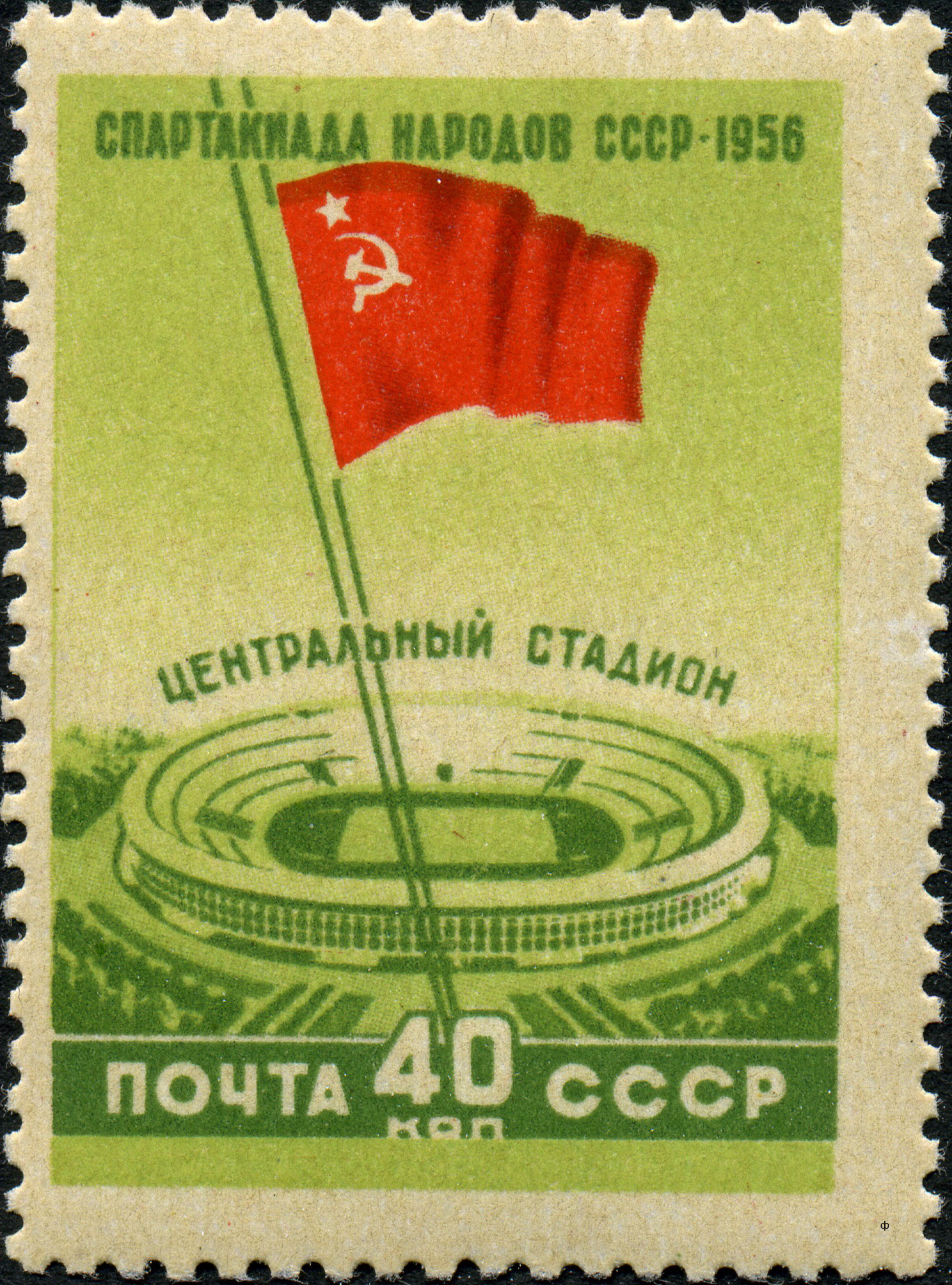
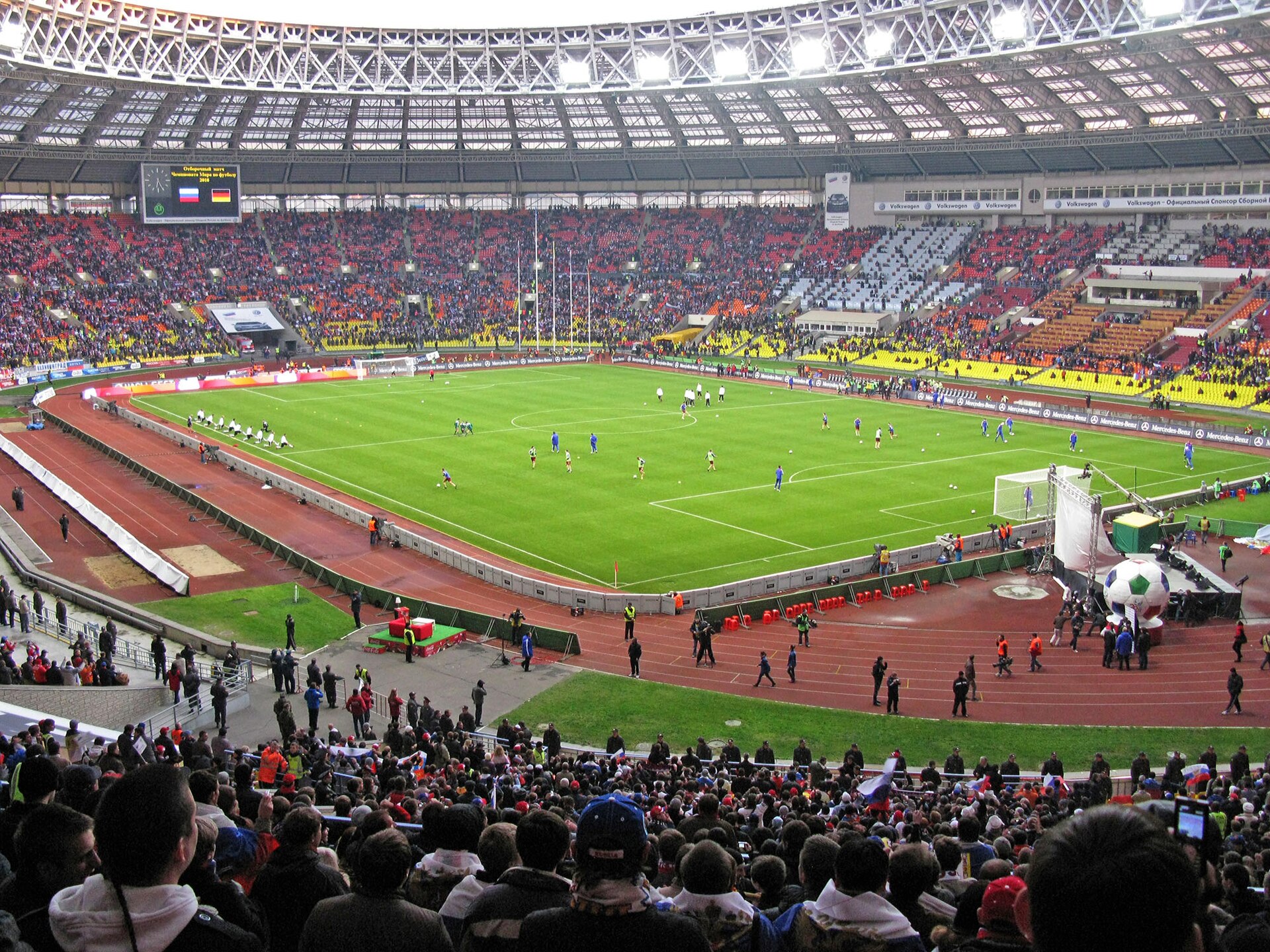
Luzhniki Stadium rises along a bend of the Moskva River in Moscow’s Khamovniki District, its bowl holding 81,000 seats to make it the largest football stadium in Russia and one of the biggest in Europe. Opened on July 31, 1956, as Central Lenin Stadium, it was built in just 450 days and has since been rebuilt multiple times to stay at the center of Russian sport.
The stadium’s résumé spans decades of major events, from the opening and closing ceremonies of the 1980 Summer Olympics to the final of the 2018 FIFA World Cup, making Luzhniki one of only a handful of venues worldwide to have hosted both an Olympic Games and a World Cup final. It has also staged a UEFA Champions League final, a UEFA Cup final, and world athletics championships, alongside stadium concerts by global acts like Michael Jackson and The Rolling Stones.
Stats at a Glance
- Team(s): Russia national football team
- Location: Khamovniki District, Moscow, Russia
- Opened: July 31, 1956
- Capacity: About 81,000
- Renovated: 1996–1997, 2001–2004, 2013–2017
- Notable event: Hosted the 2018 FIFA World Cup final
A Stage for Olympic and World Cup History
Luzhniki’s biggest moments came a generation apart. In 1980 it served as the main stage of the Summer Olympics, hosting the opening and closing ceremonies along with athletics and football finals. Nearly four decades later, a rebuilt Luzhniki opened the 2018 FIFA World Cup and then hosted the tournament’s final, cementing its place among the small group of stadiums to have staged both an Olympic Games and a World Cup final.
Between those two milestones, the stadium added a 1999 UEFA Cup final, the 2008 UEFA Champions League final, and the 2013 World Athletics Championships to its list of honors, making it one of the most decorated multi-purpose venues in world sport.
Built, Rebuilt, and Reborn
Originally named Central Lenin Stadium when it opened in 1956, the venue was renamed Luzhniki Stadium in 1992 after the fall of the Soviet Union. It has undergone several major renovations, including a full reconstruction between 2013 and 2017 that cost around €350 million and prepared the arena for the World Cup while adding a hybrid natural-and-reinforced grass pitch.
The site has also carried weight beyond sport: it was the scene of the 1982 Luzhniki disaster, a crowd crush during a football match that killed 66 people, a tragedy still remembered in the stadium’s long history.
Explore more: Explore more iconic stadiums.
For late-season football, outdoor hockey and October park nights. Shake, pocket, and stay warm for hours.
12 x 10.5 x 6 in. — built to the common stadium clear-bag size. Check your venue's rules.
USB-charged warmers for cold night games — no disposable packets.
Luzhniki Stadium FAQs
How many people does Luzhniki Stadium hold?
Luzhniki Stadium seats about 81,000 people, making it the largest football stadium in Russia.
Did Luzhniki Stadium host the World Cup final?
Yes, Luzhniki hosted both the opening match and the final of the 2018 FIFA World Cup.
What was Luzhniki Stadium originally called?
It opened in 1956 as Central Lenin Stadium and was renamed Luzhniki Stadium in 1992.
Get More from Luzhniki Stadium
Log the coasters, stadiums, and venues you’ve experienced, rate Luzhniki Stadium, and see what your friends thought. Get the ThrillZing app.
Photo: Government of Moscow Press centre / CC BY 4.0, via Wikimedia Commons.