
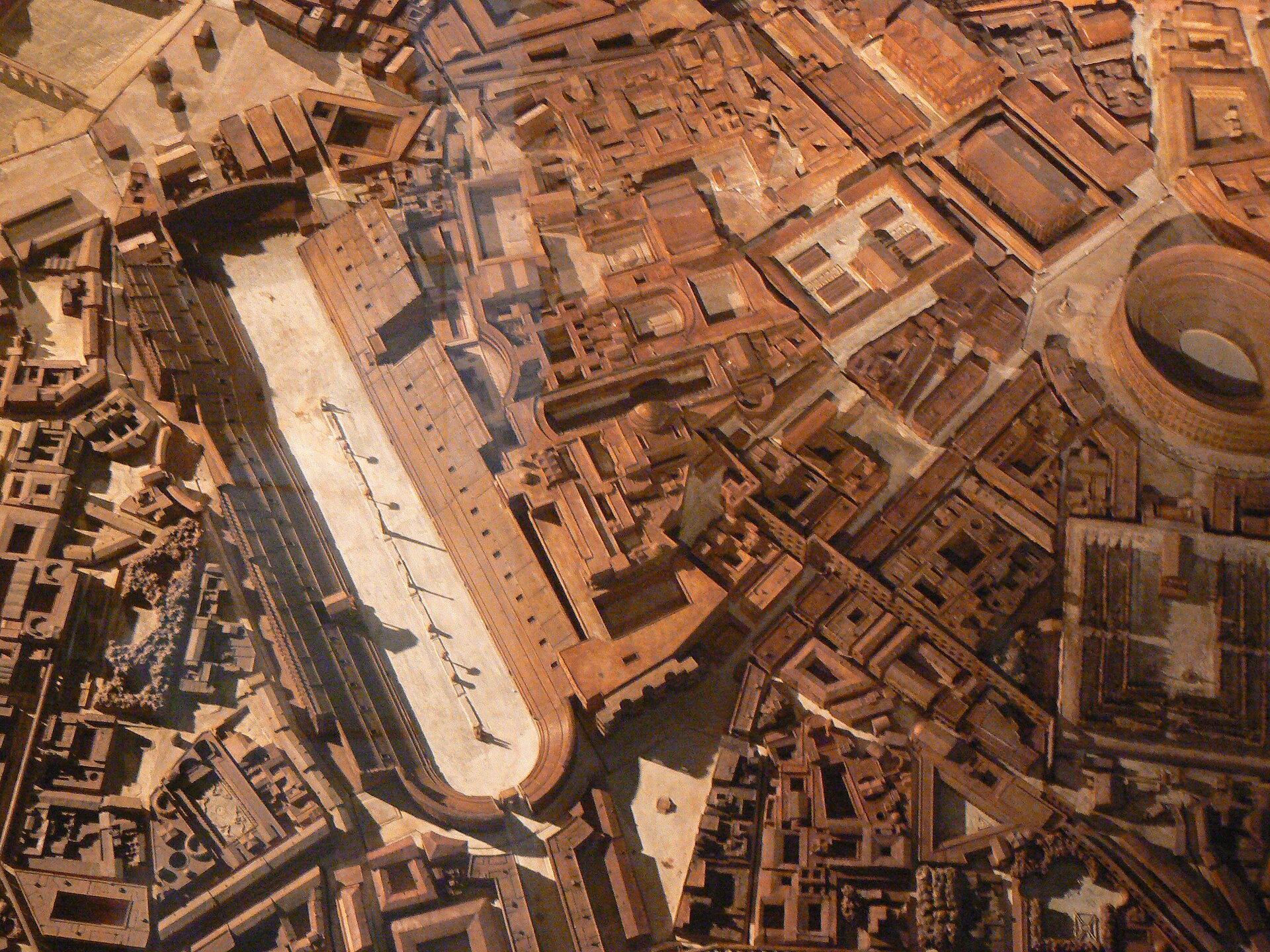
The Circus Maximus was ancient Rome’s colossal venue for chariot racing, stretching through the valley between the Aventine and Palatine Hills. Begun in the city’s legendary regal era and steadily expanded over centuries, it became the largest stadium the ancient world ever built, dwarfing the Colosseum in both size and crowd capacity.
For over a thousand years, Roman crowds packed the Circus Maximus to cheer on rival chariot teams—the Reds, Whites, Blues, and Greens—whose rivalries carried social and political weight far beyond sport. Though the wooden and stone stands are long gone, the site’s vast open footprint still traces the outline of the track where emperors once staged some of history’s most-attended public spectacles.
Stats at a Glance
- Location: Between the Aventine and Palatine Hills, Rome, Italy
- Teams: Reds, Whites, Blues, and Greens (chariot racing factions)
- Built: Regal era, expanded by Julius Caesar around 50 BC, rebuilt in stone under Emperor Trajan
- Length: About 621 m (2,037 ft)
- Width: About 118 m (387 ft)
- Capacity: Over 150,000 spectators
- Last Races: Held by the Ostrogothic king Totila in 549 AD
- Today: Open public park in Rome
How Races Worked
Chariot teams competed in laps around a long central barrier called the spina, guiding two- or four-horse chariots at breakneck speed while attempting to force rivals into the barrier or the turning posts at either end. Races were staged as part of religious festivals known as ludi, and a full day’s program could include a dozen or more races.
The four racing factions—identified by the colors their charioteers wore—inspired fierce loyalty that cut across Roman society. Emperors including Caligula and Nero were known supporters of the Greens, while the Blues drew backing from the aristocracy, turning race days into events with real social and political stakes.
From Racetrack to Ruin
The Circus Maximus was rebuilt and enlarged repeatedly over its long life, with Julius Caesar widening the track and later emperors adding permanent stone seating. Its scale allowed it to hold far more spectators than any other venue in the ancient world, reportedly over 150,000 by conservative modern estimates, with ancient writers like Pliny the Elder suggesting even higher figures.
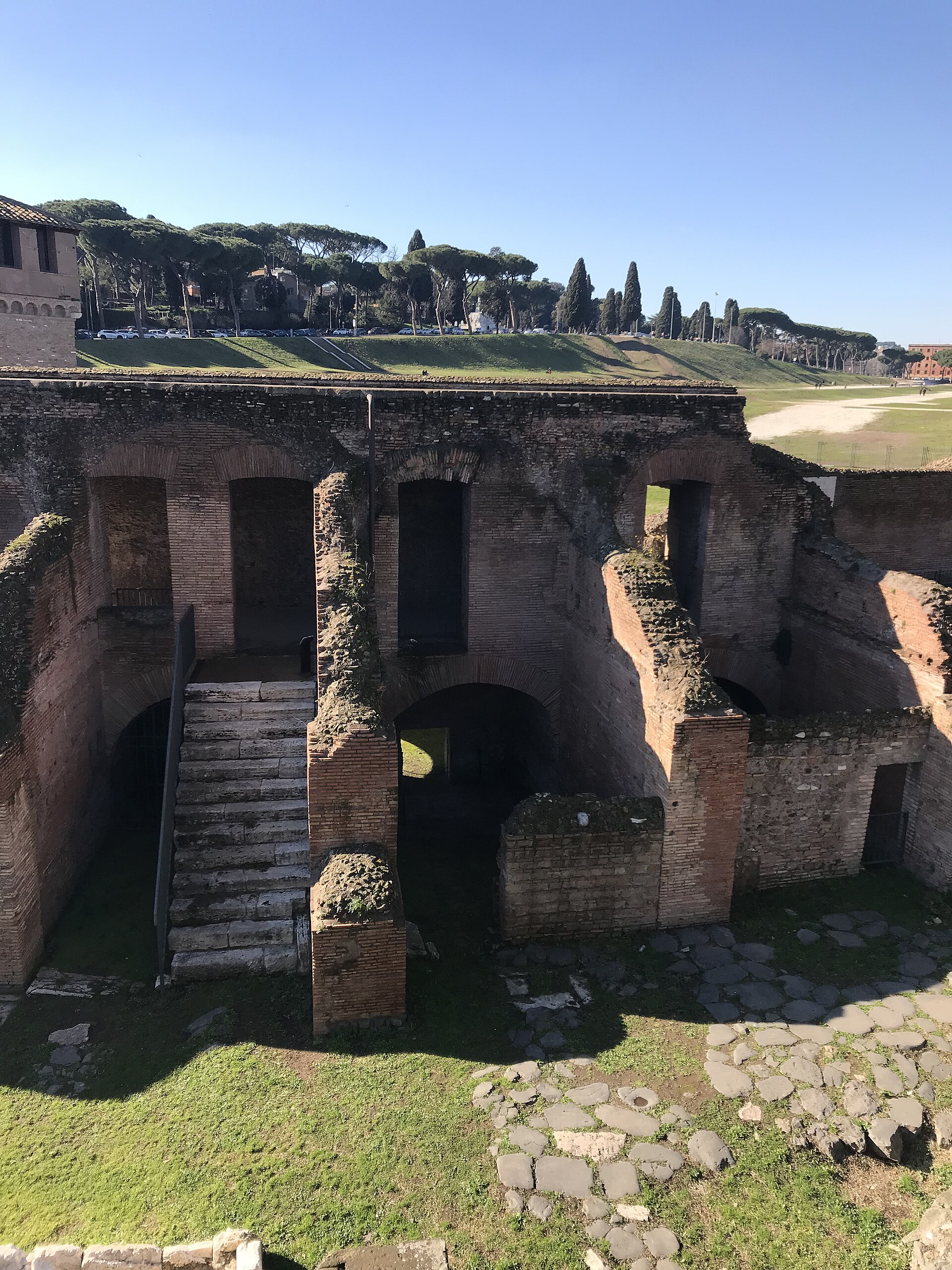
Racing at the site continued for roughly a thousand years before fading out in the 6th century AD. Centuries of flooding from the nearby Tiber buried the original track under several meters of silt and debris, and today the site survives as a long, open green space in central Rome, used for public gatherings, concerts, and celebrations rather than races.
Explore more: Explore more legendary stadiums.
Sized to the NFL's 12x6x12 clear-bag rule. Fits snacks, a jacket and a rally towel.
A see-through purse that looks like a purse. Works for most stadium, arena and concert bag policies.
Bleachers for three hours, but with back support. Folds flat and clips to the bench.
Circus Maximus FAQs
How big was the Circus Maximus compared to the Colosseum?
The Circus Maximus was far larger, measuring about 621 m (2,037 ft) long and holding over 150,000 spectators, compared to the Colosseum’s roughly 50,000 capacity.
What happened at the Circus Maximus?
It hosted Roman chariot races as part of religious festivals, along with other public spectacles, drawing massive crowds to cheer on the Reds, Whites, Blues, and Greens racing factions.
Can you still visit the Circus Maximus today?
Yes, the site is a free, open public park in Rome. The original racetrack now lies buried several meters beneath the surface, but its long, oval outline is still clearly visible.
Get More from Circus Maximus
Log the coasters, stadiums, and venues you’ve experienced, rate Circus Maximus, and see what your friends thought. Get the ThrillZing app.
Photo: Rabax63 / CC BY-SA 4.0, via Wikimedia Commons.