
This list ranks MLB’s 25 largest ballparks by fixed seating capacity, the number that shows up on a ticket manifest rather than the inflated “paid attendance” figures teams sometimes report. Capacity shifts over time as teams add or remove sections, wrap decks, or convert seating to party suites and berms, so the numbers here reflect each park’s current configuration.
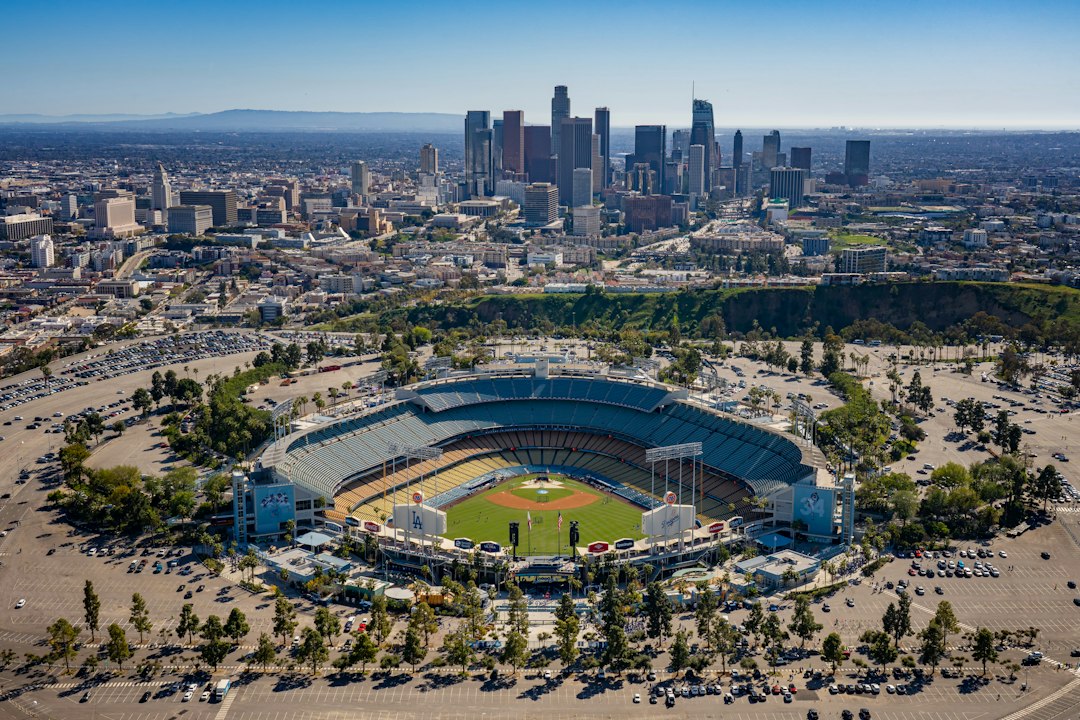
Dodger Stadium sits alone at the top with 56,000 seats, a gap of more than 5,500 over second-place Coors Field. No other park on this list comes within 10,000 seats of Chavez Ravine. After the top two, the list compresses fast: from third-place Yankee Stadium down to 25th-place PNC Park, capacity spans a comparatively tight band of roughly 12,000 seats, meaning most of MLB’s ballparks are built to a similar scale even when their reputations differ wildly.
Why Dodger Stadium Is Still the Biggest
Dodger Stadium opened in 1962, before MLB teams gravitated toward the smaller, retro-style parks that now dominate the sport, and its multi-tiered bowl carved into Chavez Ravine was built with the capacity to match Los Angeles’s size and appetite for baseball. Decades of renovations have modernized concourses and clubs without shrinking the seat count, which is why it has held the capacity crown for so long while newer parks around the league have opted for intimacy over size.
Coors Field, in second, isn’t just big, it’s the park most associated with a physical effect on the game itself. At 5,280 feet of elevation, the thinner air lets fly balls travel farther and breaking pitches break less, a phenomenon well known enough that it has its own nickname among players and broadcasters. Its 50,480 seats make it the largest park outside of Los Angeles, but the elevation is the reason fans travel there specifically to watch a different version of the sport play out.
| # | Venue | Team | seats |
|---|---|---|---|
| 1 | Dodger Stadium | Los Angeles Dodgers | 56000 |
| 2 | Coors Field | Colorado Rockies | 50480 |
| 3 | Yankee Stadium | New York Yankees | 49642 |
| 4 | Oriole Park at Camden Yards | Baltimore Orioles | 48876 |
| 5 | Chase Field | Arizona Diamondbacks | 48519 |
| 6 | T-Mobile Park | Seattle Mariners | 47476 |
| 7 | Busch Stadium | St. Louis Cardinals | 43975 |
| 8 | Citizens Bank Park | Philadelphia Phillies | 43651 |
| 9 | Angel Stadium | Los Angeles Angels | 43250 |
| 10 | Great American Ball Park | Cincinnati Reds | 42319 |
| 11 | Petco Park | San Diego Padres | 42302 |
| 12 | Citi Field | New York Mets | 41922 |
| 13 | Oracle Park | San Francisco Giants | 41915 |
| 14 | American Family Field | Milwaukee Brewers | 41900 |
| 15 | Nationals Park | Washington Nationals | 41888 |
| 16 | Daikin Park | Houston Astros | 41168 |
| 17 | Truist Park | Atlanta Braves | 41084 |
| 18 | Wrigley Field | Chicago Cubs | 41072 |
| 19 | Rate Field | Chicago White Sox | 40615 |
| 20 | Globe Life Field | Texas Rangers | 40300 |
| 21 | Comerica Park | Detroit Tigers | 40120 |
| 22 | Rogers Centre | Toronto Blue Jays | 39150 |
| 23 | Target Field | Minnesota Twins | 38544 |
| 24 | Kauffman Stadium | Kansas City Royals | 37903 |
| 25 | PNC Park | Pittsburgh Pirates | 37898 |
What Capacity Actually Tells You
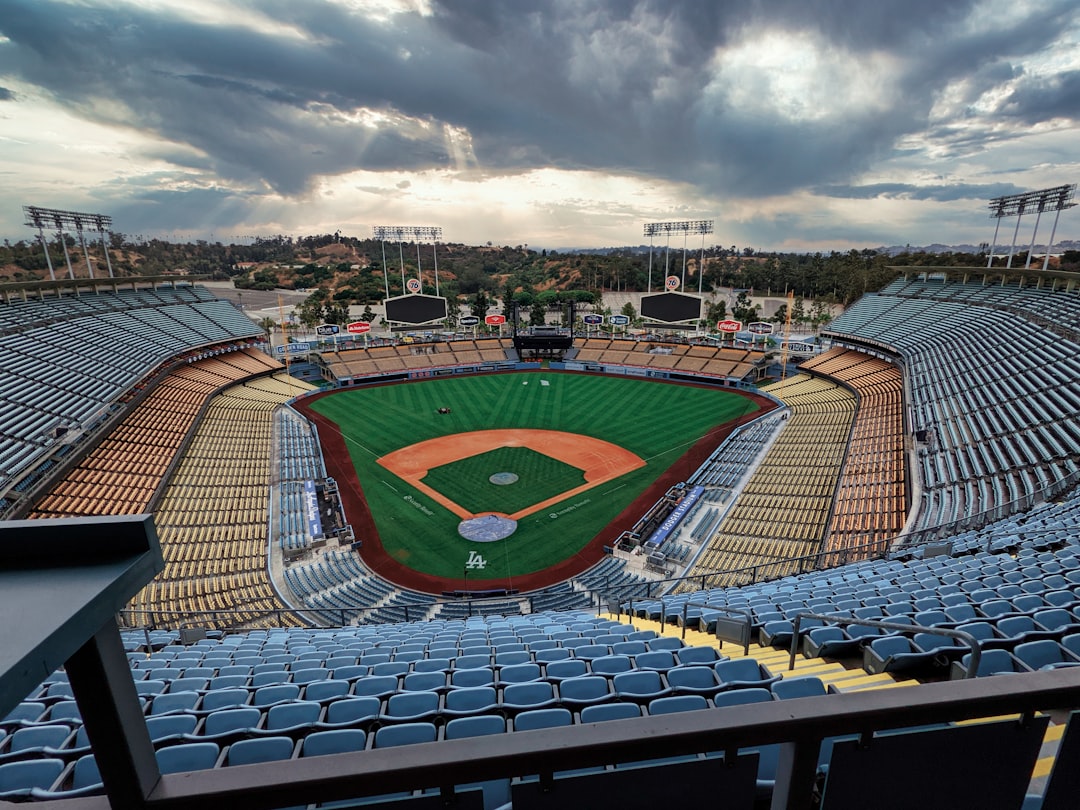
Seating capacity measures how many fixed seats a park can sell, not how full it typically gets or how the experience feels once you’re inside. A park with a lower number, like Wrigley Field or PNC Park, can still sell out for a rivalry series or a playoff run, and standing-room tickets and berm seating at some venues push actual attendance above the official capacity on a given night. What the number does tell you is scale: how far the upper deck sits from the field, how long the concourse loops run, and how much of a crowd roar you’re part of during a big moment.
It also tells you about the ballpark-building era a stadium came from. The largest parks on this list, Dodger Stadium, Yankee Stadium, and Camden Yards among them, were built or rebuilt to host massive, multi-generational fan bases in dense metro areas. Camden Yards, which opened in 1992, set off the modern wave of retro-classic ballpark design that most of the parks lower on this list eventually copied, just at a smaller footprint.
The Surprises Once You Look Past the Rankings
Wrigley Field, one of the most recognized ballparks in American sports and one of the oldest parks in the league, ranks 18th in capacity at 41,072, smaller than more than half the league. Its ivy-covered outfield walls and century of history make it feel enormous in cultural weight, but its physical footprint was never built to compete on seat count. At the other end, Angel Stadium’s rocky outfield landscaping and Kauffman Stadium’s fountains are the kind of features that make a park memorable independent of size, and both sit comfortably in the middle to lower half of this list. The bottom third of the ranking, from Rogers Centre down to PNC Park, clusters tightly together in the 37,000-to-39,000 range, proof that most modern MLB parks are built to a fairly standard scale even when their skylines, roofs, and sightlines couldn’t look more different.
Explore more: Browse all MLB and major stadiums.
Biggest MLB Ballparks FAQs
What is the biggest MLB ballpark?
Dodger Stadium, home of the Los Angeles Dodgers, is the biggest MLB ballpark with a capacity of 56,000 seats, more than 5,500 seats larger than any other park in the league.
Which MLB team has the smallest ballpark?
Among the 25 largest parks, PNC Park in Pittsburgh has the smallest capacity at 37,898 seats, though its riverfront setting and downtown skyline views make it one of the most highly rated parks in the sport regardless of size.
Does MLB ballpark seating capacity ever change?
Yes. Teams regularly adjust capacity through renovations, adding or removing sections, converting seats to suites or party decks, or expanding berm and standing-room areas, so listed capacities shift gradually over time.
Get More from Biggest MLB Ballparks
Log the coasters, stadiums, and venues you’ve experienced, rate Biggest MLB Ballparks, and see what your friends thought. Get the ThrillZing app.
Photo by Sean Pierce on Unsplash.