
Woodland Park Zoo sits in Seattle’s Phinney Ridge neighborhood, occupying 92 acres that once formed part of a private estate belonging to lumber mill owner Guy C. Phinney. After Phinney’s death, his widow sold the 188-acre Woodland Park to the City of Seattle in 1899, and the site’s small menagerie grew into one of the Pacific Northwest’s most respected zoological parks.
The zoo earned an outsized reputation in the zoo world in 1975, when director David Hancocks redesigned the gorilla habitat into one of the first true immersion exhibits, replacing bars and concrete with landscaping that mimicked animals’ natural environments. That approach reshaped exhibit design standards across the industry and helped Woodland Park Zoo become the AZA’s second-most-honored institution for exhibit excellence, behind only the Bronx Zoo.
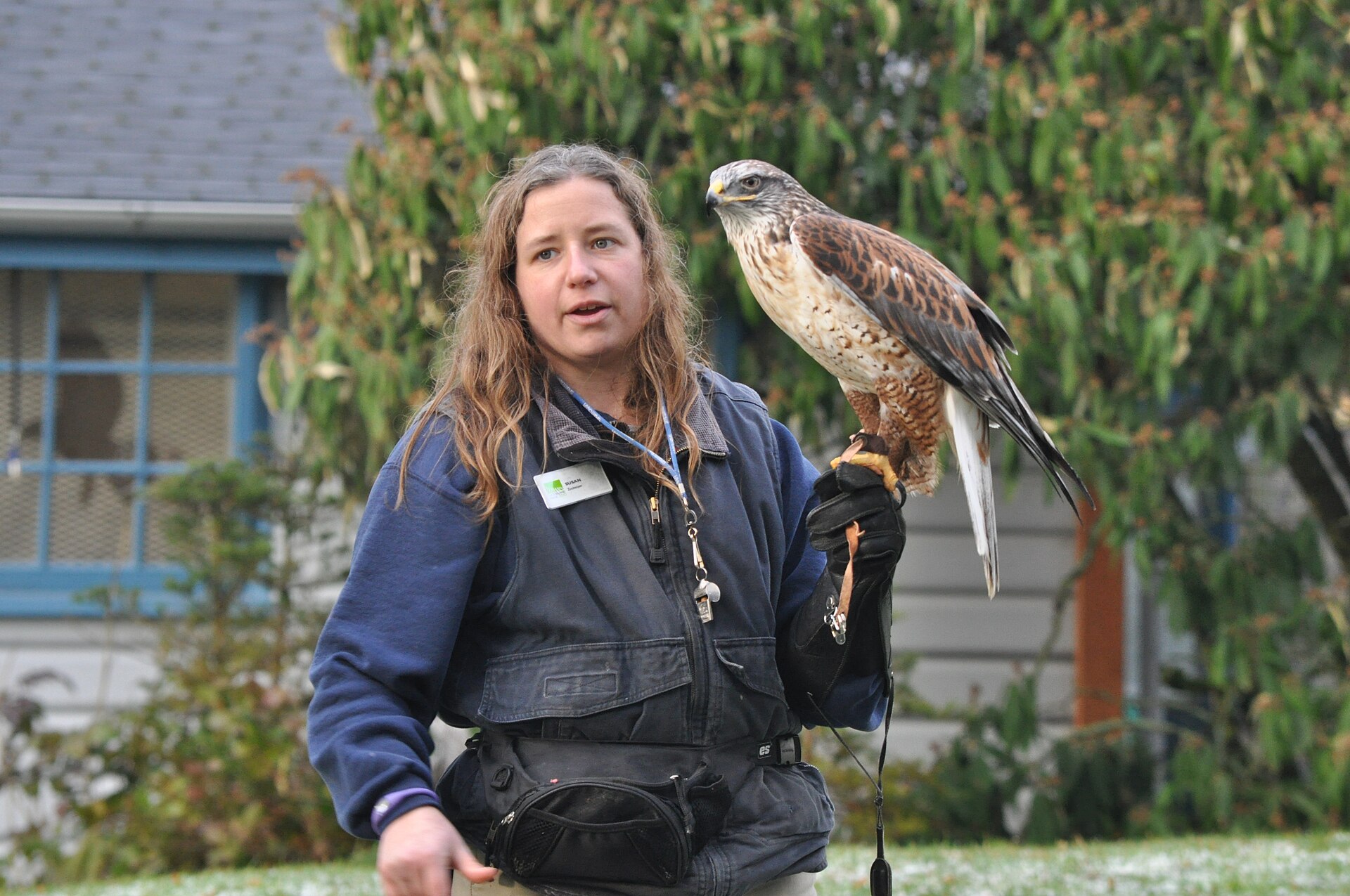

Stats at a Glance
- Location: Seattle, Washington
- Opened: 1899
- Size: 92 acres
- Species: About 239 species
- Animal Count: Around 800-900 animals
- Annual Visitors: Over 1 million
- Famous for: Pioneering naturalistic immersion exhibits (1975 gorilla habitat)
The Zoo Experience
Woodland Park Zoo is organized into bioclimatic zones rather than traditional animal-by-species groupings, with major areas including the Tropical Rain Forest, African Savanna, Northern Trail, Trail of Vines, Banyan Wilds, and Australasia. This layout, pioneered at Woodland Park and later copied widely, lets visitors experience habitats that echo the animals’ native ecosystems rather than walking past rows of cages.
The zoo has been accredited by the Association of Zoos and Aquariums since 1982, with accreditation most recently renewed through 2030, and it is also certified by the American Humane Conservation program. Its animal collection includes roughly 30 species considered endangered, threatened, or vulnerable, reflecting the zoo’s emphasis on conservation alongside public exhibition.
History and Legacy
The zoo’s origins trace to Guy C. Phinney’s private estate menagerie in the 1890s. After the city purchased the land in 1899, Woodland Park gradually expanded into a full zoological garden through the early 20th century. Its most influential era arrived in the 1970s, when Hancocks’ immersion-exhibit philosophy for the gorilla enclosure set a new global benchmark for humane, naturalistic zoo design that institutions worldwide would go on to adopt.
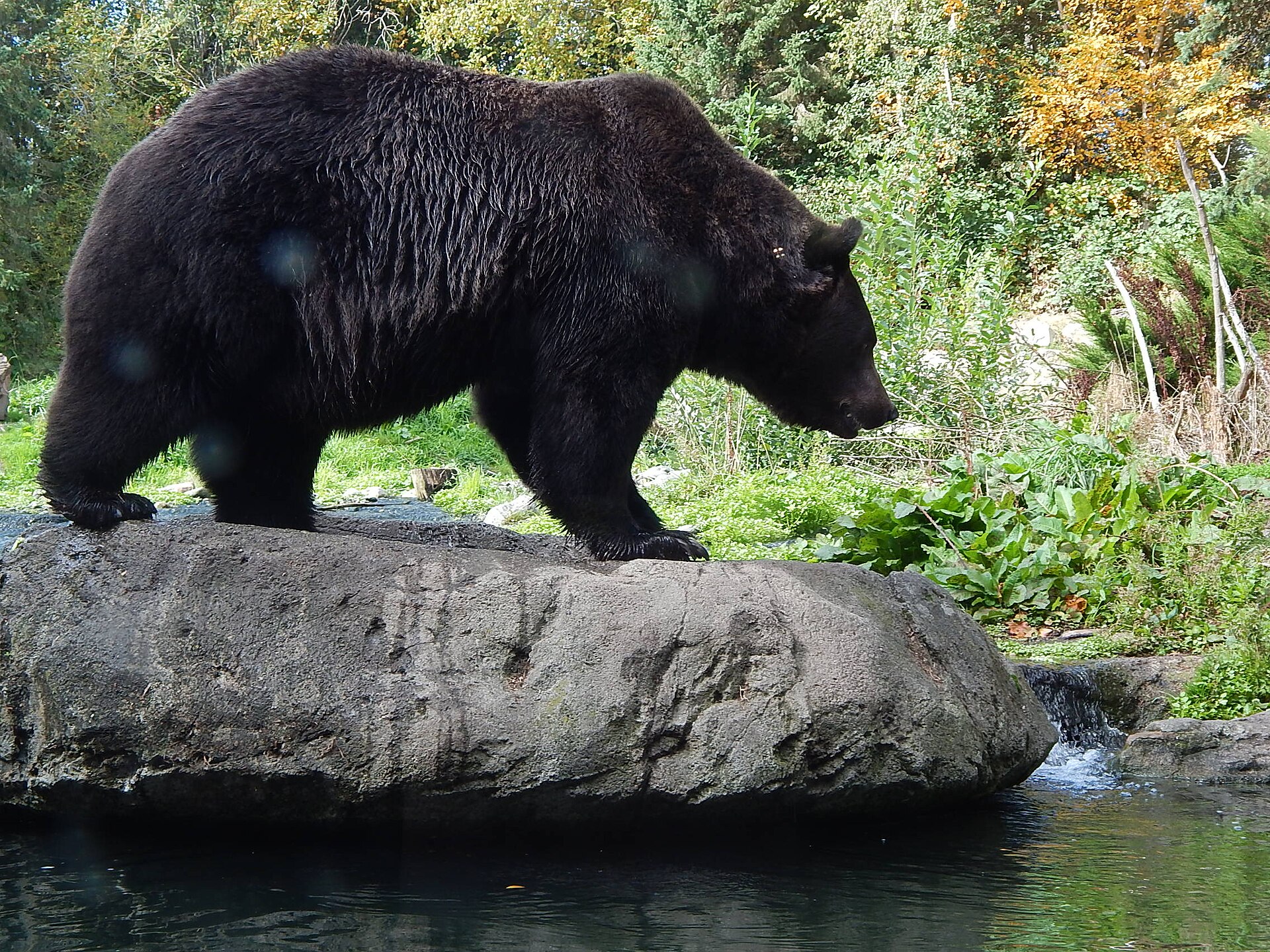
Explore more: Explore more top zoos and aquariums.
Holiday lights 2026: WildLanterns returns for the 2026 holiday season. Dates, ticket prices and tips are in our WildLanterns 2026 guide.
A stick means no greasy hands. Reapply quickly between the penguins and the giraffes.
Let them photograph their own favorite animals — and keep your phone in your pocket.
Hauls kids, coolers and souvenirs across a big zoo or park, folds flat for the trunk.


Woodland Park Zoo FAQs
When did Woodland Park Zoo open?
The land was acquired by the City of Seattle in 1899, and the zoo grew from a small existing menagerie on the property into a full zoological park in the years that followed.
How big is Woodland Park Zoo?
The zoo covers about 92 acres in Seattle’s Phinney Ridge neighborhood and is home to roughly 800 to 900 animals representing around 239 species.
Why is Woodland Park Zoo historically significant?
In 1975, the zoo pioneered the immersion exhibit concept with its redesigned gorilla habitat, an approach that became a model for naturalistic zoo design worldwide and helped it become one of the most award-winning AZA-accredited zoos in the country.
Get More from Woodland Park Zoo
Log the coasters, stadiums, and venues you’ve experienced, rate Woodland Park Zoo, and see what your friends thought. Get the ThrillZing app.
Photo: The Ninjaneer / CC BY-SA 3.0, via Wikimedia Commons.