
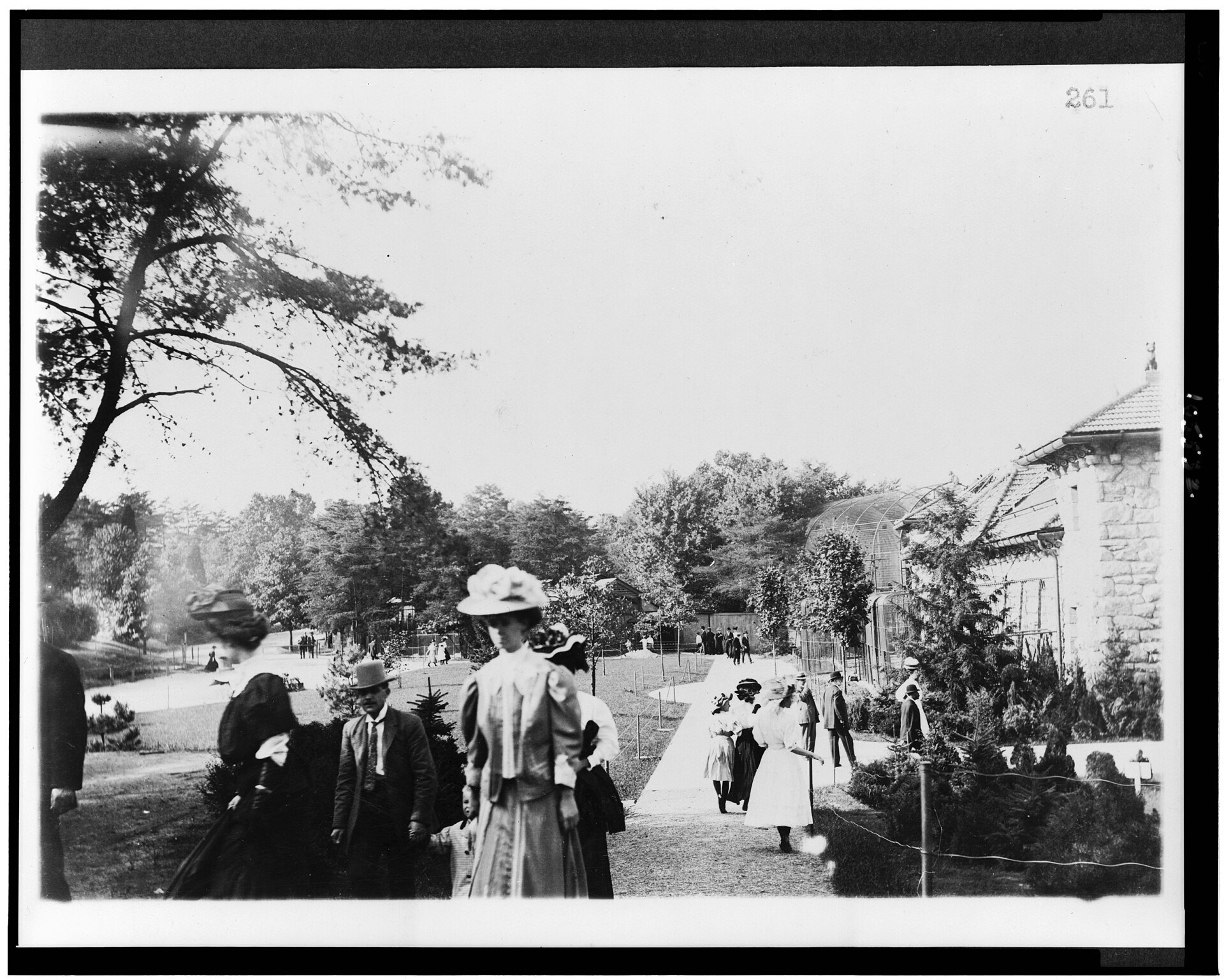
Smithsonian’s National Zoo and Conservation Biology Institute has anchored Rock Creek Park in Washington, D.C. since it was established by an act of Congress in 1889, opening to the public that May. As part of the Smithsonian Institution, the zoo has always been free to enter, drawing nearly 2 million visitors a year to see animals representing almost 400 species across its 163-acre D.C. campus.
The zoo is best known for its giant pandas, a partnership with China that began in 1972 with Ling-Ling and Hsing-Hsing and continues today with Bao Li and Qing Bao, who arrived in October 2024. Beyond its D.C. grounds, the zoo operates a 3,200-acre Conservation Biology Institute campus in Front Royal, Virginia, dedicated to breeding and research for endangered species, reflecting the institution’s dual mission of public education and global conservation science.
Stats at a Glance
- Location: Rock Creek Park, Washington, D.C.
- Opened: 1889
- Size: 163 acres (D.C. campus); 3,200-acre Front Royal, VA conservation campus
- Species: Almost 400 species
- Animal Count: Over 2,200 animals across both campuses
- Annual Visitors: Nearly 2 million
- Famous For: Giant pandas and endangered species conservation
The Zoo Experience
Set along the wooded slopes of Rock Creek Park, the National Zoo’s exhibits include the Giant Panda habitat, the Great Ape House, Amazonia, and the American Trail featuring bald eagles, seals, and gray wolves. Because admission has always been free, the zoo has long served as one of Washington’s most accessible cultural institutions, welcoming both first-time visitors and lifelong D.C. residents.
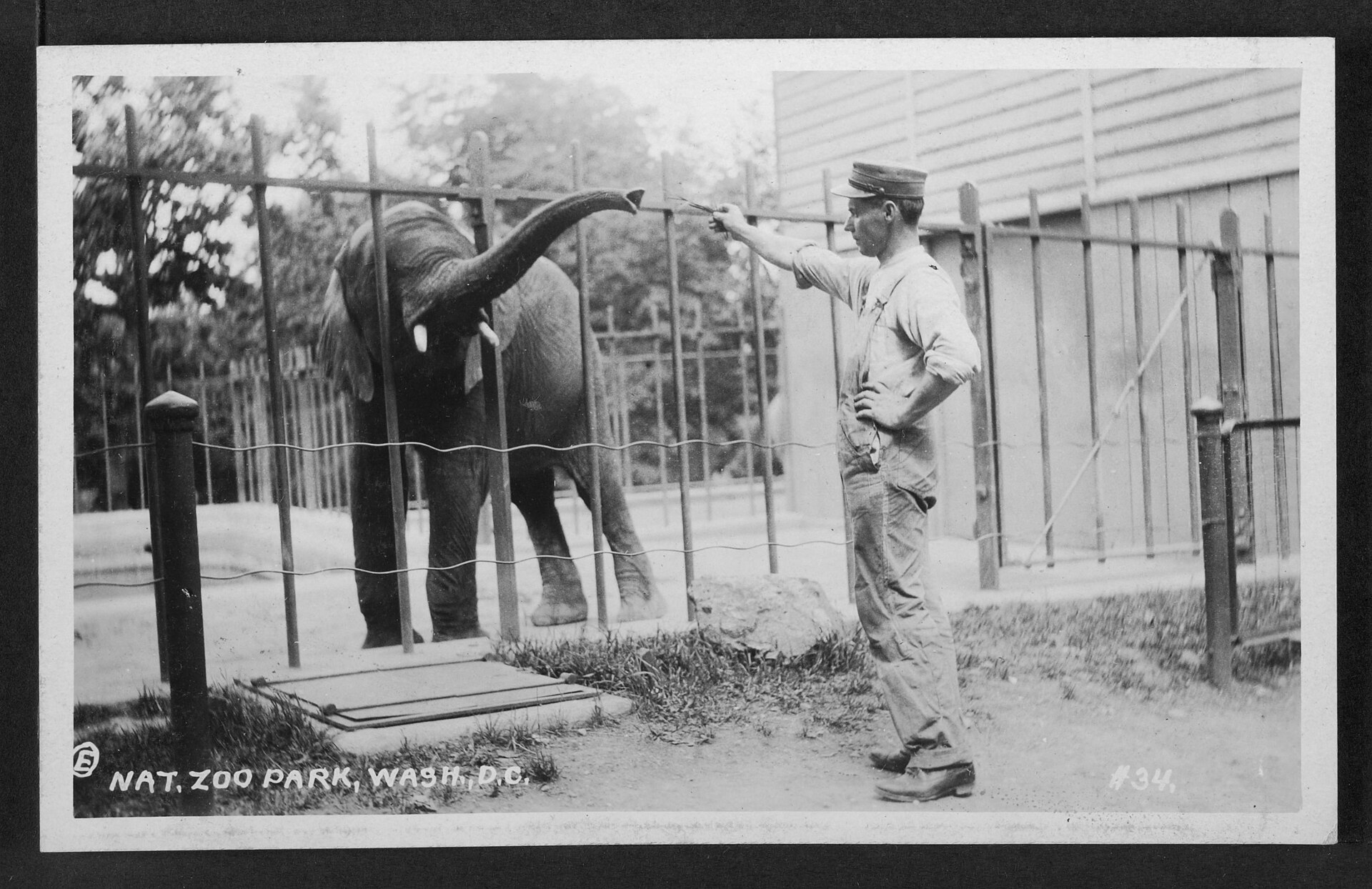
The zoo’s history includes some notable milestones: Smokey Bear, the face of national fire-prevention campaigns, lived at the zoo from 1950 to 1976, and Ham the chimpanzee, the first great ape launched into space in 1961, was cared for there in his later years.
Conservation Beyond the Gates
Less visible to visitors is the zoo’s Conservation Biology Institute in Front Royal, Virginia, a 3,200-acre campus where scientists conduct breeding and research programs for species such as cheetahs, black-footed ferrets, and clouded leopards. The zoo also supports field conservation work in more than 40 countries.
As an accredited member of the Association of Zoos & Aquariums, the National Zoo combines its public-facing exhibits with a research mission funded largely through federal support, making it one of the few major American zoos that remains free to the public year-round.
Explore more: Explore more top zoos and aquariums.
Zoo days are long and the shade isn't always where the animals are.
Clips to a stroller, wagon or backpack strap. Quiet enough that it won't wake a napping toddler.
Cold water for the whole loop around the zoo, with a straw lid that doesn't leak in the bag.
Smithsonian’s National Zoo FAQs
Is the Smithsonian National Zoo free to visit?
Yes, admission has always been free since the zoo opened in 1889, though timed entry passes may be required during peak seasons.
Where is the Smithsonian National Zoo located?
The main zoo is located in Rock Creek Park in Washington, D.C. A second, non-public campus, the Conservation Biology Institute, is located in Front Royal, Virginia.
Does the National Zoo still have giant pandas?
Yes. Bao Li and Qing Bao arrived from China in October 2024, continuing a giant panda partnership that began with Ling-Ling and Hsing-Hsing in 1972.
Get More from Smithsonian’s National Zoo
Log the coasters, stadiums, and venues you’ve experienced, rate Smithsonian’s National Zoo, and see what your friends thought. Get the ThrillZing app.
Photo: Quadell / CC BY-SA 3.0, via Wikimedia Commons.