
The Cincinnati Zoo & Botanical Garden opened to the public in 1875, making it the second-oldest zoo in the United States behind only the Philadelphia Zoo. Located at 3400 Vine Street in the Avondale neighborhood, the zoo has grown from its 19th-century roots into one of the most respected animal care and conservation institutions in the country, holding accreditation from both the Association of Zoos and Aquariums (AZA) and the World Association of Zoos and Aquariums (WAZA).
Spread across roughly 75 acres, the zoo is home to more than 500 species and around 3,000 varieties of plants in its botanical collection. It carries a heavy legacy in conservation history: it was the last home of Martha, the final passenger pigeon, who died there in 1914, and of Incas, the last known Carolina parakeet, who died in 1918. More recently, the zoo drew national attention with the 2017 birth of Fiona, a premature Nile hippopotamus whose against-the-odds survival became a global media sensation.
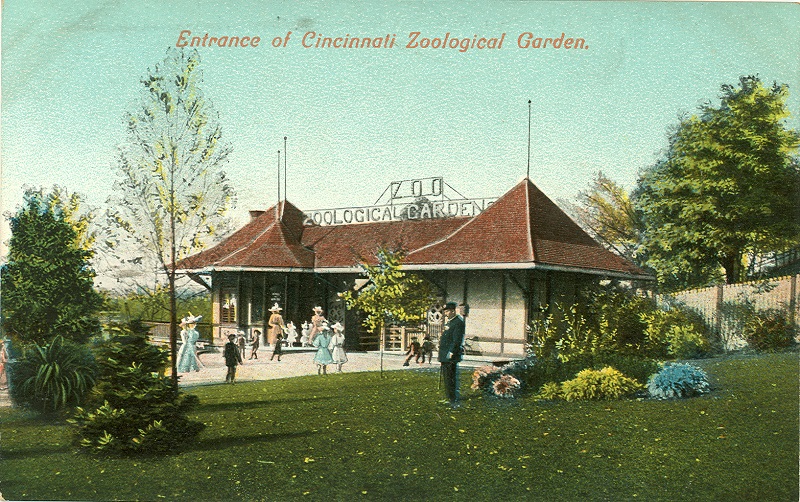
Stats at a Glance
- Location: Cincinnati, Ohio (Avondale)
- Opened: 1875
- Size: About 75 acres
- Species: 500+ animal species, ~3,000 plant varieties
- Annual Visitors: About 1.5-2 million
- Famous For: Second-oldest zoo in the U.S.; birthplace of Fiona the hippo
A Living Piece of Conservation History
Few zoos carry the historical weight of Cincinnati’s. It was the site of the last known passenger pigeon, Martha, and the last known Carolina parakeet, Incas, whose deaths marked the extinction of their species and helped spur the American conservation movement. That legacy continues today through the zoo’s Center for Conservation and Research of Endangered Wildlife (CREW), founded in 1986, which maintains a ‘Frozen Zoo’ preserving genetic material from dozens of endangered animal and plant species.
The zoo has also become known for hand-raising and celebrating individual animal stories, most notably Fiona the hippo, born six weeks premature in 2017 and nursed to health by the zoo’s animal care team, becoming a viral symbol of the institution’s veterinary expertise.
What Visitors Can See Today
Beyond its historic pedigree, the zoo functions as a full modern animal park and botanical garden, combining themed animal habitats with extensive plant collections and seasonal horticultural displays. It has repeatedly ranked among the top zoos in North America, including a 2019 USA Today readers’ choice honor naming it the best zoo on the continent.
The zoo’s dual identity as both a zoo and botanical garden sets it apart from many peer institutions, with landscaped gardens and plant displays woven throughout the animal habitats rather than treated as a separate attraction.
Explore more: Explore more top zoos and aquariums.
Holiday lights 2026: PNC Festival of Lights returns for the 2026 holiday season. Dates, ticket prices and tips are in our PNC Festival of Lights 2026 guide.
Cold water for the whole loop around the zoo, with a straw lid that doesn't leak in the bag.
A stick means no greasy hands. Reapply quickly between the penguins and the giraffes.
Let them photograph their own favorite animals — and keep your phone in your pocket.


Cincinnati Zoo & Botanical Garden FAQs
Is the Cincinnati Zoo the oldest zoo in the U.S.?
It is the second-oldest zoo in the United States, having opened in 1875, just a few years after the Philadelphia Zoo.
What happened to Fiona the hippo?
Fiona was born six weeks premature at the Cincinnati Zoo in 2017 and survived thanks to round-the-clock veterinary care, becoming internationally famous.
How big is the Cincinnati Zoo & Botanical Garden?
The zoo covers about 75 acres and is home to more than 500 animal species alongside roughly 3,000 varieties of plants.
Get More from Cincinnati Zoo & Botanical Garden
Log the coasters, stadiums, and venues you’ve experienced, rate Cincinnati Zoo & Botanical Garden, and see what your friends thought. Get the ThrillZing app.
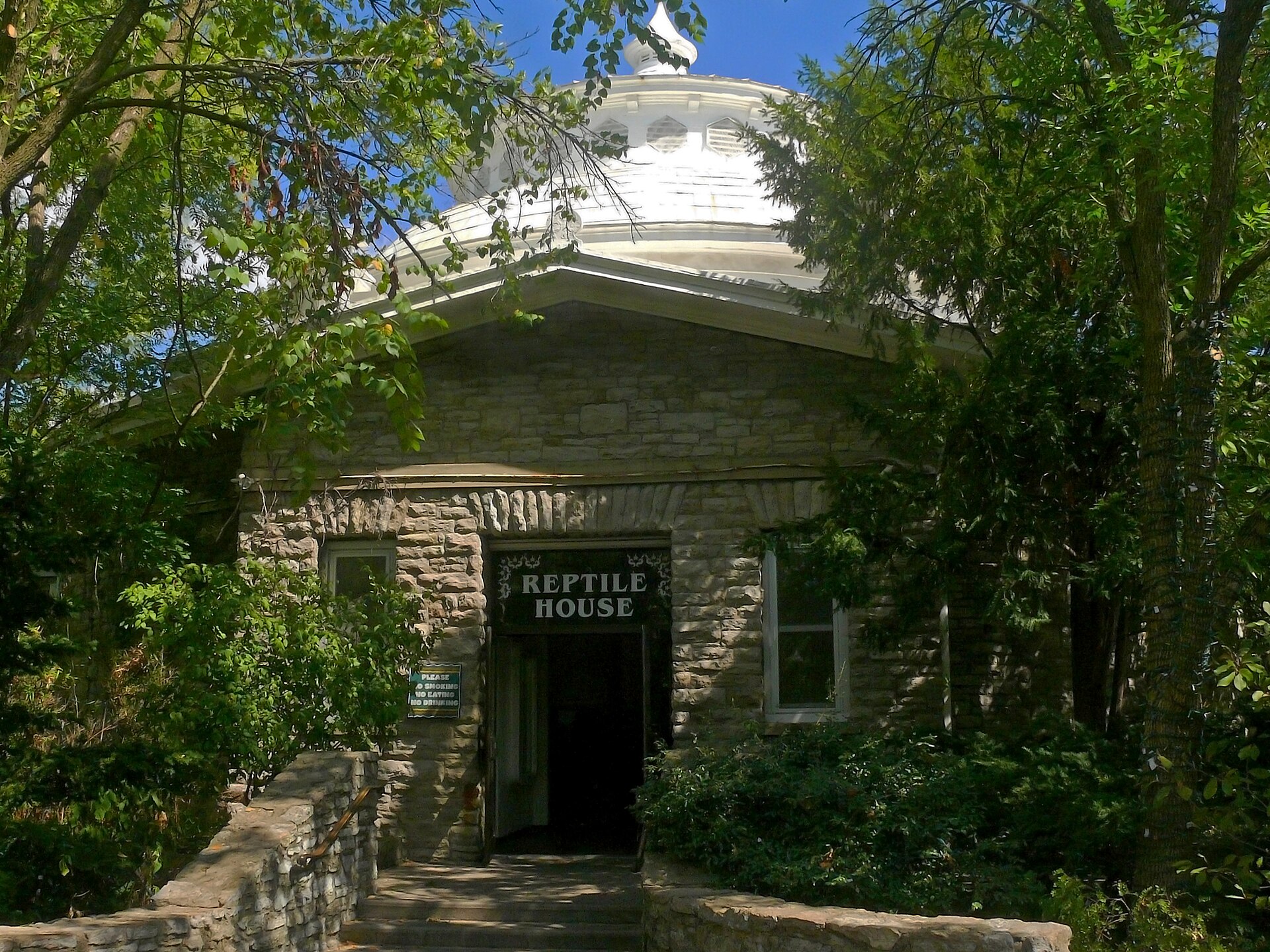
Photo: Original uploader was Mind meal at en.wikipedia / CC BY 2.0, via Wikimedia Commons.