
Vetch Field was a football stadium on Glamorgan Street, Swansea, Wales, and served as the home of Swansea City A.F.C. — then known as Swansea Town — from the club’s formation in 1912 until 2005. The ground took its name from the vetch legume plant that once grew on the site, which had been owned by the Swansea Gaslight Company. It opened for its first professional league fixture on 7 September 1912, a 1–1 draw with Cardiff City, and in that debut season the playing surface was compacted coal cinder, rough enough that players wore knee pads for protection.
Over more than nine decades the Vetch became the heartbeat of Swansea football. At its peak the ground accommodated around 30,000 supporters, with a record crowd of 32,796 packed in for a fourth-round FA Cup tie against Arsenal on 17 February 1968. Wales’s national team also used the Vetch for 18 internationals between 1921 and 1988. Following decades of declining capacity driven by safety regulations, Swansea City moved to the newly built Liberty Stadium in 2005 and demolition of the old ground began in 2011.
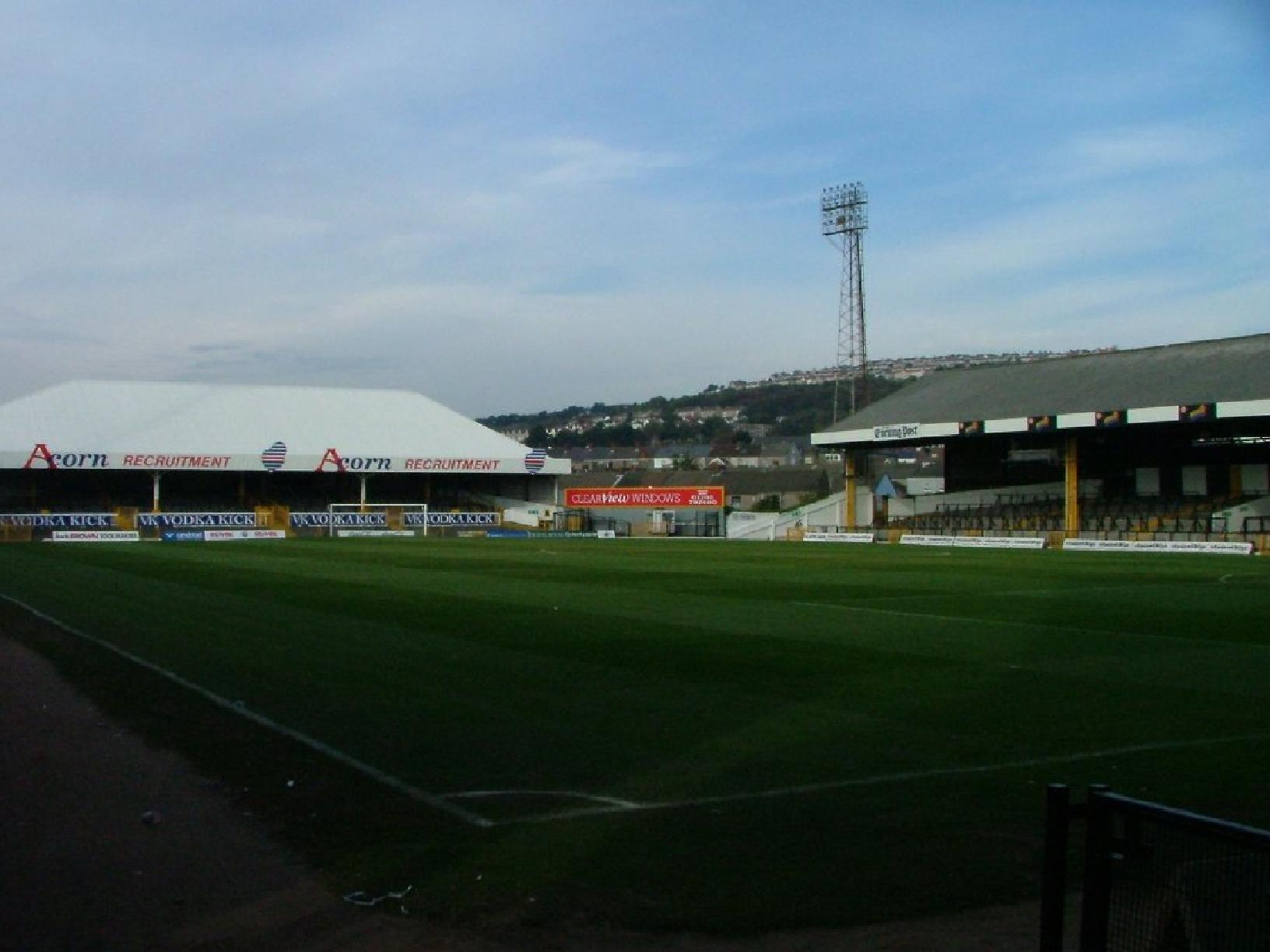
Stats at a Glance
- Team: Swansea City A.F.C. (formerly Swansea Town)
- Location: Glamorgan Street, Swansea, Wales
- Opened: 1912
- Closed: 11 May 2005
- Demolished: 2011
- Peak Capacity: About 30,000
- Final Capacity: 11,475
- Record Attendance: 32,796 — vs Arsenal, FA Cup, 17 Feb 1968
- Wales Internationals: 18 matches (1921–1988)
From Cinder Pitch to Top-Flight Glory
The Vetch opened on land formerly owned by the Swansea Gaslight Company, and the playing surface in that first season was compacted coal cinder — rough enough that players wore knee pads for protection. Over the following decades the ground grew into a proper football stadium, with wooden stands added to the south and west sides and the dressing rooms and club offices housed in the South Stand built in 1913. For most of the 20th century the compact ground remained the beating heart of Swansea football, surviving wartime, promotion campaigns, and relegation battles.
The most celebrated chapter in the Vetch’s history unfolded between 1978 and 1981, when manager John Toshack guided Swansea City on an extraordinary run from the Fourth Division to the summit of the First Division. Those seasons transformed the old stadium into a cauldron, and the memories forged on that cinder-turned-grass pitch became the foundation of the club’s identity — an era supporters spoke of for decades afterwards.
More Than Football
The Vetch hosted far more than league football. Boxing came to Swansea in 1960 when local welterweight Brian Curvis defeated George Barnes at the ground to claim the Commonwealth Welterweight title. The stadium also welcomed rock music: The Who performed there in 1976 and Stevie Wonder took the stage in 1984, underscoring the venue’s broad cultural appeal well beyond the football calendar.
After its last football match — an FAW Premier Cup Final on 11 May 2005 in which Swansea beat Wrexham 2–1 — the ground fell quiet. Demolition began in January 2011. The centre circle of the pitch was reportedly preserved out of respect for supporters who had spread the ashes of loved ones there over the years. Today the site is an open green space with a children’s playground and a multi-use games court, marked by a blue heritage plaque.
Explore more: Historic Stadiums.
Sherpa-lined and windproof, with a waterproof back for wet bleachers. Folds into its own pouch.
For late-season football, outdoor hockey and October park nights. Shake, pocket, and stay warm for hours.
12 x 10.5 x 6 in. — built to the common stadium clear-bag size. Check your venue's rules.
Vetch Field FAQs
Why was it called Vetch Field?
The ground took its name from the vetch plant, a type of legume that grew on the land when it was owned by the Swansea Gaslight Company before the football club developed it as a stadium in 1912.
What was the record attendance at Vetch Field?
The ground’s record crowd was 32,796, set on 17 February 1968 during a fourth-round FA Cup tie between Swansea Town and Arsenal.
What stands on the site of Vetch Field today?
After demolition was completed in 2011, the Vetch Field site was converted into an open green space with a children’s playground and a multi-use games court. A blue heritage plaque commemorates the stadium’s history.
Get More from Vetch Field
Log the coasters, stadiums, and venues you’ve experienced, rate Vetch Field, and see what your friends thought. Get the ThrillZing app.
Photo: Swanseajack4life / CC BY-SA 3.0, via Wikimedia Commons.