
Sports venue fans witnessed a historic week as the Buffalo Bills’ $2.1 billion Highmark Stadium held its official ribbon-cutting, sports venues across North America hosted the most dramatic knockout stage the World Cup has ever seen, England squared off against Mexico under Azteca’s punishing altitude, and a minor-league soccer club threw a Fourth of July grand opening for its brand-new stadium. From biometric entry rollouts to record attendance figures and a sizzling heat dome that tested fan-safety protocols, here are 14 must-know sports venue stories for the week ending July 5, 2026.
New Stadiums & Venues
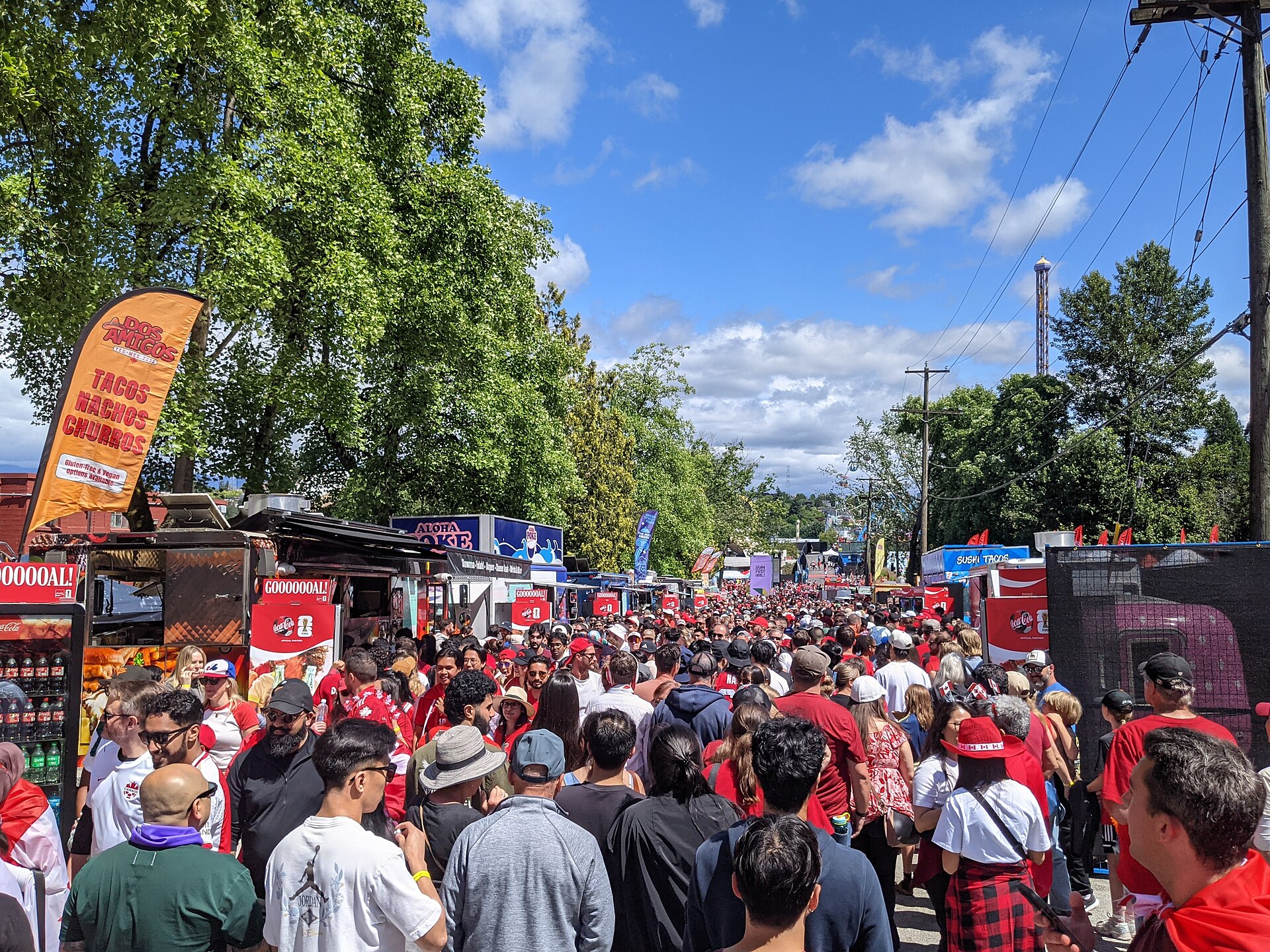
Highmark Stadium Officially Opens as Buffalo’s $2.1 Billion Crown Jewel
The Buffalo Bills marked a new era with the ribbon-cutting ceremony at Highmark Stadium, their long-awaited 60,108-seat home in Orchard Park. The $2.1 billion facility — partly funded by $263 million in PSL purchases from fans — required 6,000 workers and more than 5 million labor hours to complete. Governor Kathy Hochul, owner Terry Pegula, coaches, and players all participated in the ceremony, with the Bills set to host regular-season games this fall. Fans who toured the venue praised the natural grass surface, dramatically improved sightlines, and the modern concourse layout that eliminates the bottlenecks of the old stadium.
Fort Wayne FC Throws a Fourth of July Grand Opening
Fort Wayne FC celebrated Independence Day with the grand opening of its new soccer stadium, drawing a festive crowd for a 5:25 p.m. ceremony and a 7:20 p.m. “big reveal” of the venue’s new video board and team mascot. The club had been quietly playing a soft-opening schedule at the facility before July 4 became the full community celebration. The event was one of the most heartwarming stadium launches of the summer, proof that new venues at every level of professional sport generate genuine civic excitement.
Washington Commanders’ Roofed RFK Replacement Gains Momentum
The Washington Commanders and design firm HKS are advancing plans for a new 70,000-seat domed stadium on the former RFK Stadium site in D.C., with community interest intensifying as renderings circulate. The sculpted transparent roof intentionally sits lower than the U.S. Capitol dome, and at least 30% of the 49-acre footprint is reserved for parkland and public recreation. Construction is targeted for completion around 2030. For more on Washington’s storied venue history, see our guide to Nationals Park, the capital’s LEED-certified MLB home.
Capital One Arena’s $800 Million Facelift Advances This Summer
Capital One Arena — home of the Washington Capitals and Wizards — entered an active summer phase of its sweeping $800 million three-year renovation. The current scope includes doubled escalator and elevator capacity, a new entrance near the Gallery Place-Chinatown Metro station, expanded LED lighting, wider concourses, and upgraded restrooms throughout. The arena is remaining operational for events while crews work through the off-season on major structural changes, with full completion targeted for fall 2027.
AT&T Stadium Earns Title of Most World Cup Matches Hosted
AT&T Stadium in Arlington cemented its World Cup legacy by hosting nine tournament matches — more than any other venue in the expanded 48-team format. The facility, which received a $295 million renovation to meet FIFA specifications, will host a Semifinal on July 14, giving the Dallas–Fort Worth region its biggest single sporting event ever. Local officials projected more than $1 billion in World Cup economic impact for the region, with AT&T Stadium’s performance reinforcing the value of large-capacity domed venues in major tournament bids.
Venue Tech & Fan Experience
Lenovo and Verizon Power World Cup’s AI-Driven Stadium Operations
FIFA’s official technology partner Lenovo deployed AI-powered “Intelligent Command Centers” across all 16 North American World Cup venues during the knockout rounds, processing real-time data streams covering crowd density, logistics, and security. Verizon’s upgraded 5G infrastructure at U.S. stadiums handled the surging connectivity demands of 60,000–80,000 fans simultaneously streaming, sharing, and navigating. The FIFA+ app debuted augmented-reality player data overlays for fans seated inside World Cup venues — a first for a global sporting event at this scale — letting supporters pull up live speed, sprint count, and heat-map data for any player on the pitch.
2026 Sports Venue Tech Report: Wi-Fi 6E, Biometrics, and Cashierless Concessions Go Mainstream
An industry analysis published this week confirmed that Wi-Fi 6E and 5G connectivity are now standard requirements for new stadium builds, not premium add-ons. Biometric entry systems — facial recognition or palm scanning — are live at more than a dozen venues including Intuit Dome and SoFi Stadium, cutting entry-queue times by up to 70%. Cashierless concession stands powered by computer vision are expanding across the league, while AI assistants embedded in team apps handle wayfinding, food ordering, and seat upgrades in real time, reducing the number of staff interactions fans need to have on a game day.
Intuit Dome Stands as North America’s Smart Stadium Benchmark
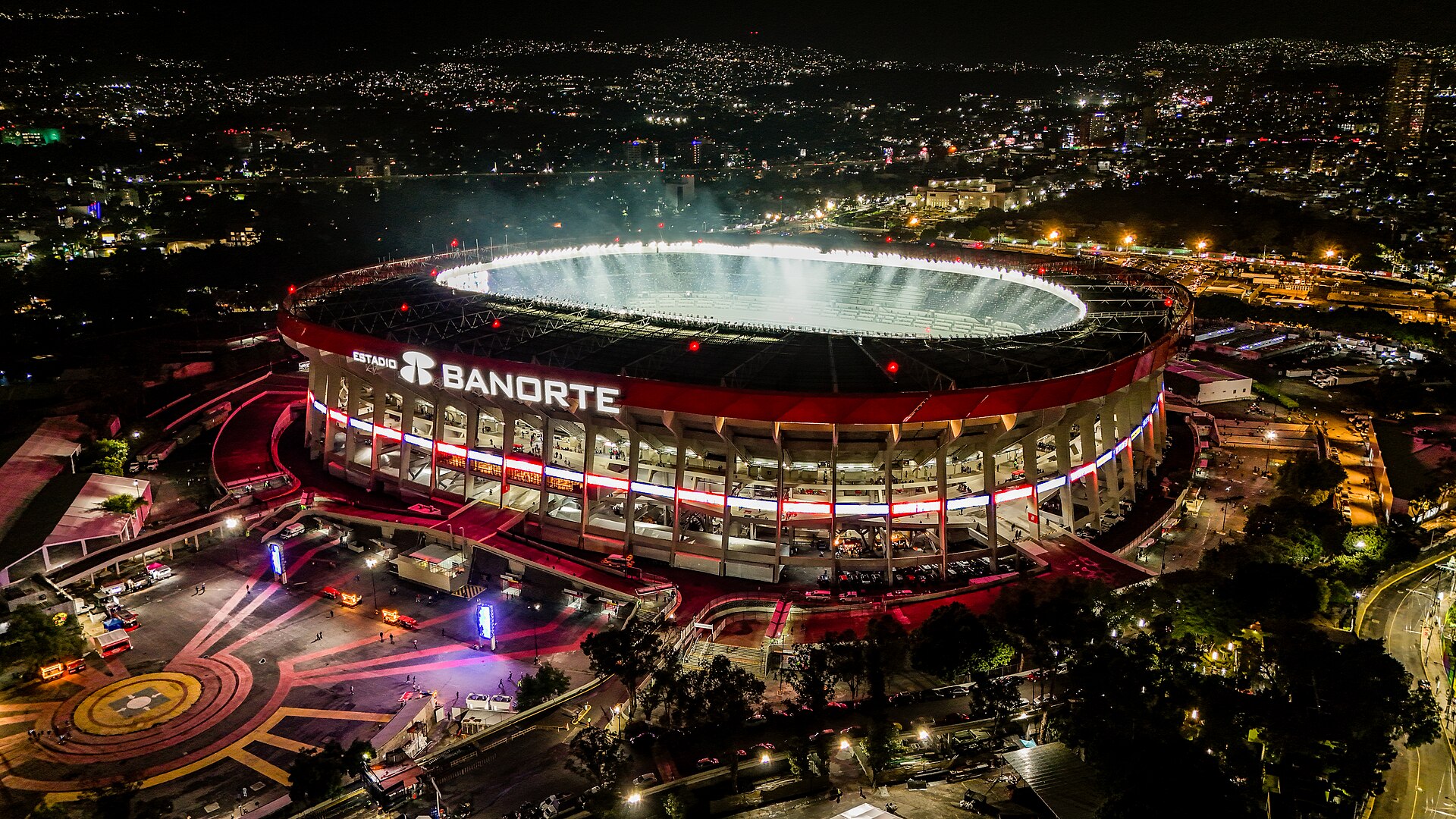
The LA Clippers’ Intuit Dome continues to set the bar for tech-forward sports venue design, featuring a 38,375-square-foot wraparound “Halo Board,” seamless Fan ID facial-recognition entry, and LEED Platinum sustainability credentials backed by 2 MW of rooftop solar and 11 MW of on-site battery storage. Stadium operators from across the continent have been touring the Inglewood facility, and its design is actively influencing proposals for new arenas in Seattle, Phoenix, and Nashville. The Dome’s success demonstrates that sustainability and premium fan experience are no longer competing priorities — they’re the same priority.
World Cup Heat Dome Forces New Fan-Safety Protocols at U.S. Venues
With heat indices reaching 110°F in Kansas City and Philadelphia during the Round of 32, World Cup venues activated unprecedented fan-safety measures. Climate-controlled player benches, mandatory three-minute hydration breaks per half, and expanded misting stations in fan zones became standard operating procedure at open-air stadiums. The crisis accelerated long-simmering industry conversation about mandatory cooling infrastructure requirements in future stadium designs and bidding criteria, and several venue operators are already revising their capital-improvement wish lists accordingly.
Major Events & Hosting
World Cup Round of 32 Delivers Knockout Drama Across North American Venues
The 2026 FIFA World Cup’s Round of 32 stage ran June 28 through July 3, distributing 16 single-elimination matches across stadiums from Toronto to Los Angeles. MetLife, SoFi, Levi’s, and Arrowhead Stadium all hosted matches marked by major upsets and last-minute drama. The expanded 48-team format placed knockout-stage football in more North American cities than ever before, with every venue reporting near-capacity or full sellouts throughout the round — a commercial and logistical triumph for the tournament’s multi-country hosting model.
Levi’s Stadium Sets World Cup Attendance Record With 411,345 Fans
Levi’s Stadium logged 411,345 total fans across its six World Cup matches, achieving a remarkable 99.6% capacity utilization across the tournament’s San Francisco Bay Area slot. The final group-stage match — U.S. vs. Bosnia-Herzegovina on July 1 — drew a complete sellout of 68,827. Bay Area officials cited the performance as evidence of the region’s readiness to host future mega-events, and FIFA praised the venue as one of the best-operated stadiums in the competition.
Toronto’s BMO Field Delivers an Emotional Final World Cup Match
Toronto’s BMO Field — branded “Toronto Stadium” for the tournament — hosted its sixth and final World Cup fixture on July 2, a Round of 32 clash between Portugal and Croatia. Cristiano Ronaldo converted from the penalty spot and Goncalo Ramos sealed a 2-1 win in stoppage time before a sold-out crowd of 43,036. Despite being the tournament’s smallest venue among the 16 host sites, Toronto punched well above its weight in atmosphere and operational excellence, with city officials calling the six-match run a transformative chapter in the city’s sports-hosting history.
Azteca Altitude Drama Headlines Independence Day World Cup Action
On July 4, England faced Mexico at the Estadio Azteca in Mexico City — elevation 2,240 meters — in a Round of 16 match that put the physiological demands of high-altitude hosting on center stage. Mexico entered the fixture on a 22-match unbeaten home streak at the venue, with well-documented altitude advantages: thinner air, faster ball movement, and significant endurance challenges for less-acclimatized opponents. The match sparked renewed debate about whether extreme-altitude venues should face additional scrutiny in future World Cup site-selection processes.
MLB All-Star Week at Citizens Bank Park Approaches
Philadelphia is preparing to host the 2026 MLB All-Star Game at Citizens Bank Park on July 14, with All-Star Week running July 10–14 as part of the nation’s 250th anniversary celebrations. It is the park’s first Midsummer Classic since opening in 2004, and the Home Run Derby, Futures Game, and All-Star Sunday festivities will transform it into a national showcase. For a look at another iconic MLB venue that has shaped the game’s venue heritage for six decades, check out our in-depth guide to Angel Stadium in Anaheim.
Sources
- Buffalo Bills — Highmark Stadium Ribbon Cutting Ceremony
- CBS News SF — Levi’s Stadium World Cup Attendance Record
- Al Jazeera — England vs Mexico at Azteca: Altitude Explained
- Al Jazeera — North American Heatwave Impact on World Cup Venues
- CP24 — Toronto Stadium’s Final World Cup Match
Frequently Asked Questions
When will the new Buffalo Bills stadium, Highmark Stadium, host its first NFL games?
Highmark Stadium officially held its ribbon-cutting ceremony in late June 2026 and is set to host its first regular-season NFL games in the fall of 2026, opening a new chapter for the Bills after decades at their previous Orchard Park facility.
How many fans attended World Cup matches at Levi’s Stadium in Santa Clara?
Levi’s Stadium attracted 411,345 total fans across its six 2026 FIFA World Cup matches, achieving 99.6% capacity utilization and a complete sellout of 68,827 for the U.S. vs. Bosnia-Herzegovina group-stage match on July 1.
Why is Azteca Stadium such a home-field advantage for Mexico in World Cup play?
Azteca Stadium sits at 2,240 meters (7,350 feet) above sea level in Mexico City, creating significantly reduced oxygen availability for less-acclimatized visiting teams. Mexico has built a 22-match unbeaten home streak there partly because opponents contend with thinner air, faster-moving balls, and sharply increased cardiovascular demands throughout the match.
What are the biggest sports venue technology trends in 2026?
The top sports venue technology trends in 2026 include widespread adoption of Wi-Fi 6E and 5G for in-stadium connectivity, biometric entry systems (facial recognition and palm scanning) that cut queue times by up to 70%, cashierless concessions powered by computer vision, and AI-driven venue assistants integrated into team apps for wayfinding, food ordering, and real-time seat upgrades.
When is the new Washington Commanders stadium expected to open?
The Washington Commanders’ proposed 70,000-seat domed stadium at the former RFK Stadium site in Washington, D.C. — designed by architecture firm HKS — is currently projected for completion around 2030, pending construction and permitting timelines.