
The loudest stadiums in the world produce crowd noise that rivals jet engines, triggers seismic monitors, and creates genuine home-field advantages backed by data. When tens of thousands of fans scream in unison, the result isn’t just noise — it’s a physical force. Some of the loudest stadiums in the world are specifically engineered to amplify this effect, and the competition for the most deafening crowd on Earth is fierce. Here are the loudest stadiums in the world and the science behind why they hit those incredible decibel levels.
Here are the loudest stadiums in the world and the science behind why they hit those incredible decibel levels.
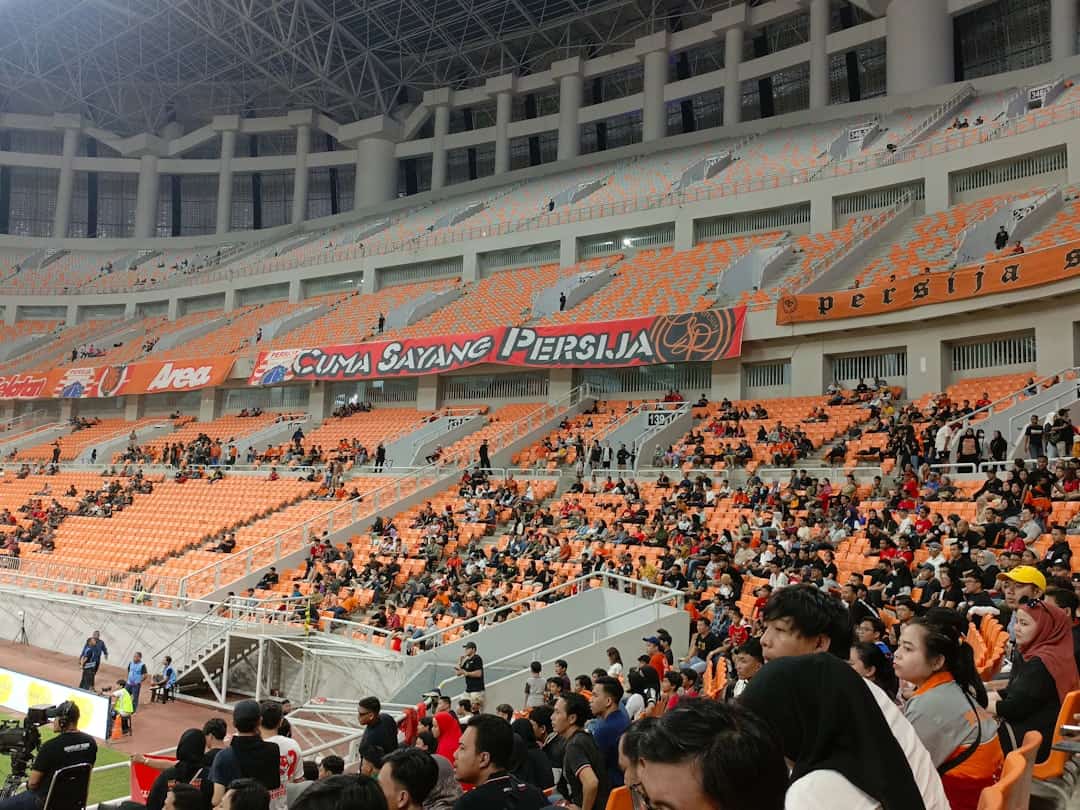
Record vs. Real Atmosphere: Which Loud Stadium Should You Visit?
A decibel record and a great atmosphere are not the same thing. Guinness logged Arrowhead’s 142.2 dBA roar with 8 seconds left in the first quarter of a single Monday Night Football game, so it captures one peak moment, not an afternoon of sound. That makes Arrowhead the right pick if you want to feel the loudest possible burst of noise in a stadium, and it is the best-documented answer to “loudest stadium in the world.” It is not automatically the best choice if you want 90 minutes of continuous, crowd-driven sound.
For football (soccer) fans, our verdict is that Dortmund’s Yellow Wall is the better trip. The Südtribüne is a 24,454-capacity standing terrace inside a stadium that holds 81,365 in its Bundesliga configuration, raked at roughly 37 degrees, and the whole stand sings, so the noise is sustained rather than triggered by a single play. Dortmund holds no Guinness decibel figure, so this is a judgment about atmosphere, not a measured record. Our Signal Iduna Park guide covers the ground in more detail. If you specifically want a hostile derby night, Galatasaray’s Rams Park (called Türk Telekom Stadium when its record was set) is the other football pick.
NFL fans should treat Arrowhead and Seattle’s Lumen Field as a close call and let the schedule decide. American football noise comes in bursts, loudest when the visiting offense is trying to hear its snap count, so the best games are ones where your team’s defense is on the field with a lead. Our NFL game-day stadium guide can help you compare the rest of the league. Whichever you choose, bring ear protection. The Hearing Health Foundation warns that levels around 130 dB can cause immediate, permanent damage, and our decibel levels guide shows where these crowds sit against everyday sounds.
- Want the single loudest peak: go to Arrowhead for an NFL game, and be in your seat for kickoff, since the record came in the first quarter.
- Want non-stop singing at a football match: aim for Dortmund’s Südtribüne, the 24,454-capacity standing terrace, and book through official channels, since Yellow Wall tickets are in high demand.
- Want intimidation on a derby night: Galatasaray at Rams Park is the record-backed choice, with a 131.76 dB Guinness mark from 2011, when the ground was still called Türk Telekom Stadium.
- Pack earplugs, and get child-sized ones for kids, because adult earplugs often don’t fit them.
- Don’t chase decibel numbers when picking a match. Rivalry, stakes and the visiting team’s quality shape the noise more than the venue’s record.
How Crowd Noise Is Measured
Stadium noise is measured in decibels (dB) using sound level meters placed at specific locations, usually on the field or at designated measurement points. The current recognized records are peak measurements — brief moments where the crowd hits maximum volume, not sustained averages.
For context, normal conversation is about 60 dB. A rock concert hits 110 to 120 dB. The threshold of pain is around 120 to 130 dB. The loudest stadium crowds have exceeded that threshold.
Arrowhead Stadium — 142.2 dB (Kansas City, USA)
The current Guinness World Record for loudest crowd roar at a sports stadium belongs to Arrowhead Stadium, home of the Kansas City Chiefs. On September 29, 2014, Chiefs fans hit 142.2 dB during a Monday Night Football game against the New England Patriots.
The record has proven durable: when Arrowhead hosted matches at the 2026 World Cup, Netherlands supporters openly targeted the crowd-roar record at the June 25 Tunisia–Netherlands match — and still couldn’t verifiably top the 142.2 dBA mark Chiefs fans set in 2014.
That’s louder than a jet engine at 100 feet. Arrowhead’s design contributes to its noise levels — the stadium’s rolling upper deck and lack of a roof create a bowl effect that focuses sound energy onto the field. The Chiefs fan base, known for tailgating culture and intensity, provides the raw vocal power.
CenturyLink Field (Lumen Field) — 137.6 dB (Seattle, USA)
Before Kansas City claimed the record, Seattle’s CenturyLink Field held it at 137.6 dB, set on Monday Night Football against the New Orleans Saints on December 2, 2013 — topping the 136.6 dB mark the same crowd had set against the 49ers three months earlier. The Seahawks’ “12th Man” fan base is legendary, and the stadium was specifically designed to be loud.
Architect Paul Allen requested that the stadium’s upper deck overhang reflect crowd noise back toward the field rather than letting it escape into the sky. The metal roof canopies and steep seating angle create a canyon effect that traps and amplifies sound. Opposing teams have committed historic numbers of false start penalties in Seattle due to crowd noise alone.
Türk Telekom Stadium — 131.76 dB (Istanbul, Turkey)
Galatasaray fans held the Guinness stadium crowd-roar record at 131.76 dB, set in March 2011 during the derby against Fenerbahçe — the mark Seattle would later break. Turkish football fans are renowned for creating intense atmospheres, and Galatasaray’s “Welcome to Hell” reputation is well earned. The steep, tightly-packed bowl and passionate ultras culture create a wall of sound that visiting teams genuinely fear.
Estadio Azteca — Unmeasured Legend (Mexico City, Mexico)
While no official Guinness measurement exists, Estadio Azteca in Mexico City is widely considered one of the loudest sporting venues on Earth. With a capacity over 87,000 and Mexico’s intense soccer culture, the noise during World Cup qualifiers and Club América matches is staggering. The stadium’s high altitude (7,200 feet) and bowl design concentrate the sound into a cauldron of noise.
Stade Vélodrome — 130+ dB (Marseille, France)
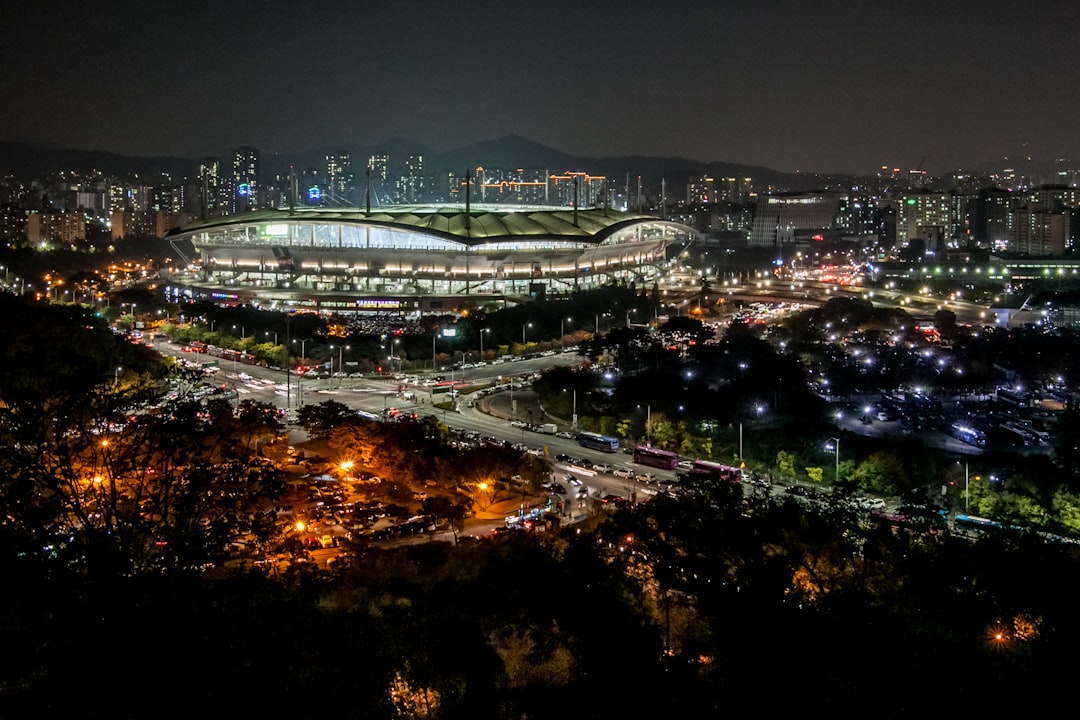
Olympique de Marseille’s home ground added a full roof in 2014 and immediately became one of Europe’s loudest stadiums. The enclosed bowl traps the sound of 67,000 passionate French football fans, and the atmosphere during Champions League nights is considered among the best on the continent.
The Science Behind Stadium Noise
Several factors determine how loud a stadium gets:
Acoustic Design
- Roofs and overhangs reflect sound back toward the field instead of letting it escape skyward
- Steep seating rakes position fans’ mouths closer to a direct angle toward the field
- Concrete and steel surfaces reflect sound while fabric and open sky absorb it
- Bowl shapes focus sound energy toward the center
Crowd Factors
- Capacity matters but isn’t everything — smaller enclosed venues can be louder than larger open ones
- Fan culture determines how willing crowds are to sustain maximum noise
- Moment intensity creates peaks — a game-winning touchdown or last-minute goal triggers maximum output
- Coordination through chants and organized supporter groups creates sustained noise walls
Environmental Conditions
- Temperature affects sound propagation — cold air carries sound further than warm air
- Humidity slightly improves sound transmission
- Wind can carry or disperse sound depending on direction
How Loud Can a Human Crowd Theoretically Get?
A single human scream reaches about 80 to 100 dB. With 70,000 people screaming simultaneously, the theoretical combined output exceeds 140 dB. However, sound doesn’t simply stack linearly — doubling the number of sources adds only about 3 dB. The 142.2 dB record at Arrowhead represents an extraordinary alignment of crowd coordination, stadium acoustics, and moment intensity.
The real limit isn’t vocal output — it’s stadium design. A theoretically perfect sound-reflective enclosed stadium could push crowd noise even higher, but construction materials and safety standards create practical ceilings.
The Home-Field Advantage Is Real
Studies have shown that crowd noise creates measurable competitive advantages. In the NFL, visiting teams commit significantly more false start penalties in loud stadiums. In soccer, home teams win approximately 46 percent of matches, with crowd noise cited as a major factor. The phenomenon was dramatically confirmed during COVID-19 when empty-stadium games saw home-field advantage nearly disappear across all major sports.
Crowd noise isn’t just atmosphere — it’s a weapon.
The loudest stadiums in the world prove that crowd noise is more than atmosphere — it’s a competitive weapon. From Arrowhead’s 142.2 dB record to Lumen Field’s engineered canopies, these stadiums show how architecture and fan culture combine to create the loudest stadiums in the world. Whether you’re a sports fan chasing the most intense atmospheres or just curious about the science of sound, visiting the loudest stadiums in the world is an experience you’ll never forget.
Additional Resources
Related Reading
- Types Of Sporting Stadiums And How Architecture Shapes Noise
- How Loud Roller Coasters Are In Decibels
Frequently Asked Questions
What is the loudest stadium in the world?
Arrowhead Stadium in Kansas City holds the Guinness World Record at 142.2 decibels, set during a Kansas City Chiefs NFL game in 2014. This is louder than a jet engine at 100 feet.
How loud can a stadium crowd get in decibels?
Stadium crowds have been officially measured at up to 142.2 dB. Theoretical maximum output of 70,000 synchronized voices could exceed 140 dB under perfect acoustic conditions. Most packed stadiums during peak moments reach 110 to 130 dB.
Does stadium design affect crowd noise levels?
Yes, significantly. Roofs, overhangs, steep seating angles, and reflective materials like concrete and steel amplify crowd noise by reflecting sound back toward the field. CenturyLink Field in Seattle was specifically designed with noise-reflecting canopies.
Is stadium crowd noise dangerous to hearing?
At peak levels above 120 dB, stadium noise can be harmful with prolonged exposure. Brief peaks at 140+ dB can cause immediate discomfort. Frequent attendees at extremely loud venues may benefit from wearing earplugs, especially in enclosed stadiums or supporter sections.
Wondering how stadium roars compare to concerts, coasters, and fireworks? Our decibel levels guide lines every live experience up on one scale.
Is Arrowhead Stadium worth visiting for the noise?
Yes, if you’re an NFL fan. It holds the Guinness crowd-roar record at 142.2 dBA, and the loudest moments come when the Chiefs’ defense is on the field with the crowd fully engaged. Get there for kickoff, because the record roar came in the first quarter.
Is the loudest stadium the same as the best atmosphere?
No. Decibel records capture a single peak, while atmosphere is about how long the crowd sustains its noise. For sustained singing, Dortmund’s Yellow Wall is our pick for football, although it has no official Guinness decibel reading.
What is the best loud stadium to visit for a first-timer?
For football fans, Dortmund’s Signal Iduna Park is the best first-timer choice for constant chanting and a huge standing terrace. For NFL fans, Arrowhead or Lumen Field is the better fit, because those stadiums are built to keep noise on the field.
Any comprehensive list of peak stadium volume is incomplete without mentioning Beşiktaş J.K., whose documented peak crowd noise places them second only to Kansas City’s Arrowhead Stadium.
BJK İnönü Stadium — 141.4 dB (Istanbul, Turkey)
On May 11, 2013, during the final match at the historic BJK İnönü Stadium against Gençlerbirliği, Beşiktaş fans registered a peak crowd noise of 141.4 dB. While Guinness World Records judges were not on-site to officially certify the entry into their registry—unlike the 131.76 dB mark set by cross-town rivals Galatasaray in 2011—sound level meters on the field recorded a roar that comfortably surpasses the certified marks of Lumen Field, Stade Vélodrome, and Türk Telekom Stadium.
Driven by the famously intense Çarşı ultra group, the steep, enclosed architecture along the Bosphorus concentrated vocal energy directly onto the pitch. This 141.4 dB send-off to their iconic home reinforced a precedent set years earlier, when Beşiktaş fans hit an equally staggering 132 dB during a 2007 Champions League match against Liverpool. Omitting this 141.4 dB peak ignores one of the single highest sound levels ever documented in world football.