
Raging Bull is the ride that put Six Flags Great America on the map for serious coaster fans — a 202-foot Bolliger & Mabillard hyper-twister that plunges riders into an underground tunnel before ripping through more than 5,000 feet of banked turns and airtime hills at 73 mph.
It’s been running since 1999, and more than two decades later it’s still the tallest and longest coaster in the park. This guide covers every stat, the best seat to sit in, current wait-time strategy, its 2025 repaint, and its safety history, so you know exactly what to expect before you get in line.
Quick Answer
Raging Bull is Six Flags Great America’s 202-foot Bolliger & Mabillard hyper-twister coaster in Gurnee, Illinois. Riders must be at least 54 inches (4’6″) tall to board. After a 208-foot first drop into an underground tunnel, the coaster hits 73 mph and covers 5,057 feet of airtime-filled hills and banked turns in about two and a half minutes, with zero loops or inversions.
Stats at a Glance
Park: Six Flags Great America, Gurnee, Illinois. Manufacturer: Bolliger & Mabillard. Model: Hyper Coaster (hyper-twister variant). Opened: May 1, 1999. Height: 202 ft (62 m). Drop: 208 ft (63 m) at 65°. Top Speed: 73 mph (117 km/h). Length: 5,057 ft (1,541 m). Inversions: 0. Ride Duration: approx. 2 min 30 sec. Height Requirement: 54 in (137 cm). Trains: 3, with 36 riders each (9 cars, 4 across). Hourly Capacity: approx. 1,560 riders.
Height Requirement & Who Can Ride
Raging Bull has a minimum height requirement of 54 inches (137 cm, or 4’6″) to ride — the standard threshold Six Flags uses for its tallest, fastest coasters. There’s no published maximum height restriction, though unusually tall riders should test the lap-bar restraint before waiting in line, since it’s the coaster’s sole restraint system.
Because Raging Bull has zero inversions, it’s often recommended as an entry point into extreme hyper coasters: riders get the full sensation of height, speed, and airtime without going upside down. Six Flags rates the ride at the top of its in-park thrill scale, largely on the strength of the tunnel drop and the sustained speed through the second half of the course.
Best Seat: Front Row vs. Back Row
For the strongest sensation, ride enthusiasts consistently point to the back row: the airtime on the first 208-foot drop and again coming off the mid-course brake run is noticeably stronger there than anywhere else on the layout. Because Raging Bull is a twister-style hyper coaster built around sharp, banked turns rather than a string of airtime hills, the back-row advantage is concentrated at those two drops rather than spread evenly across the ride.
The front row trades some of that ejector airtime for the best view — riders get an unobstructed look at the 208-foot drop and the plunge into the underground tunnel before the rest of the train follows. Either row delivers a smooth, well-engineered ride thanks to the coaster’s heartline banking, but if airtime is the priority, head for the back.
The Ride Experience
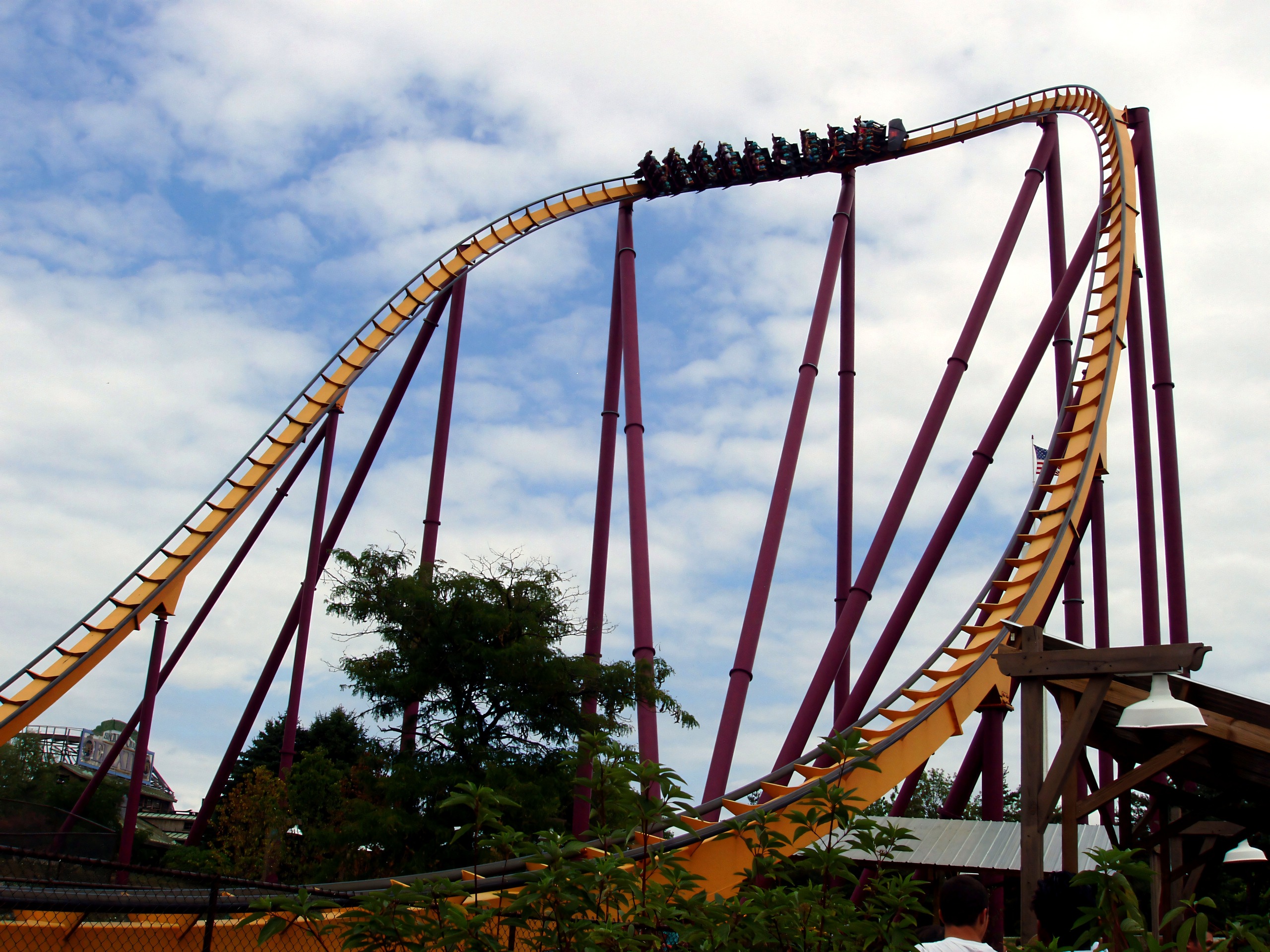
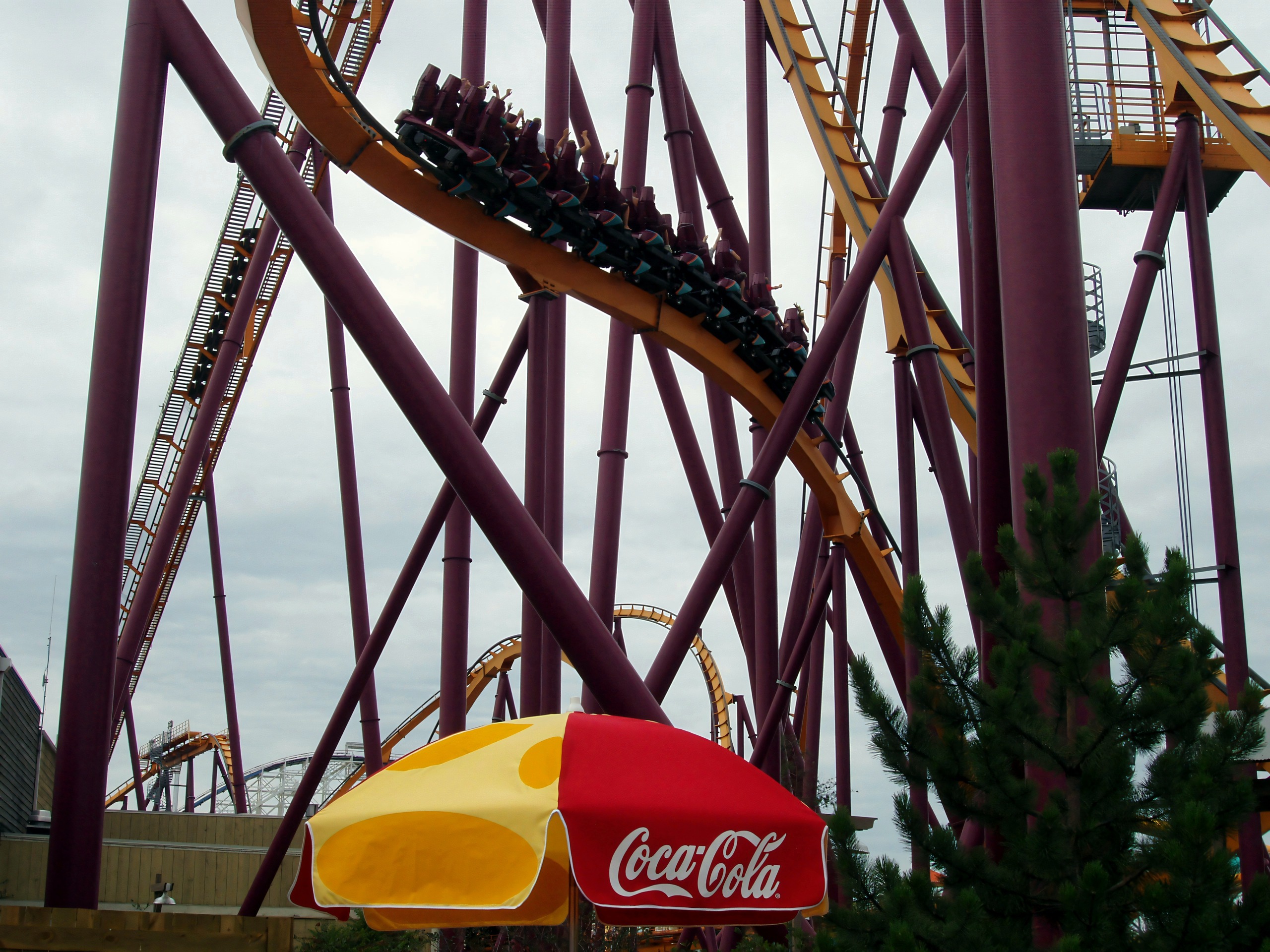
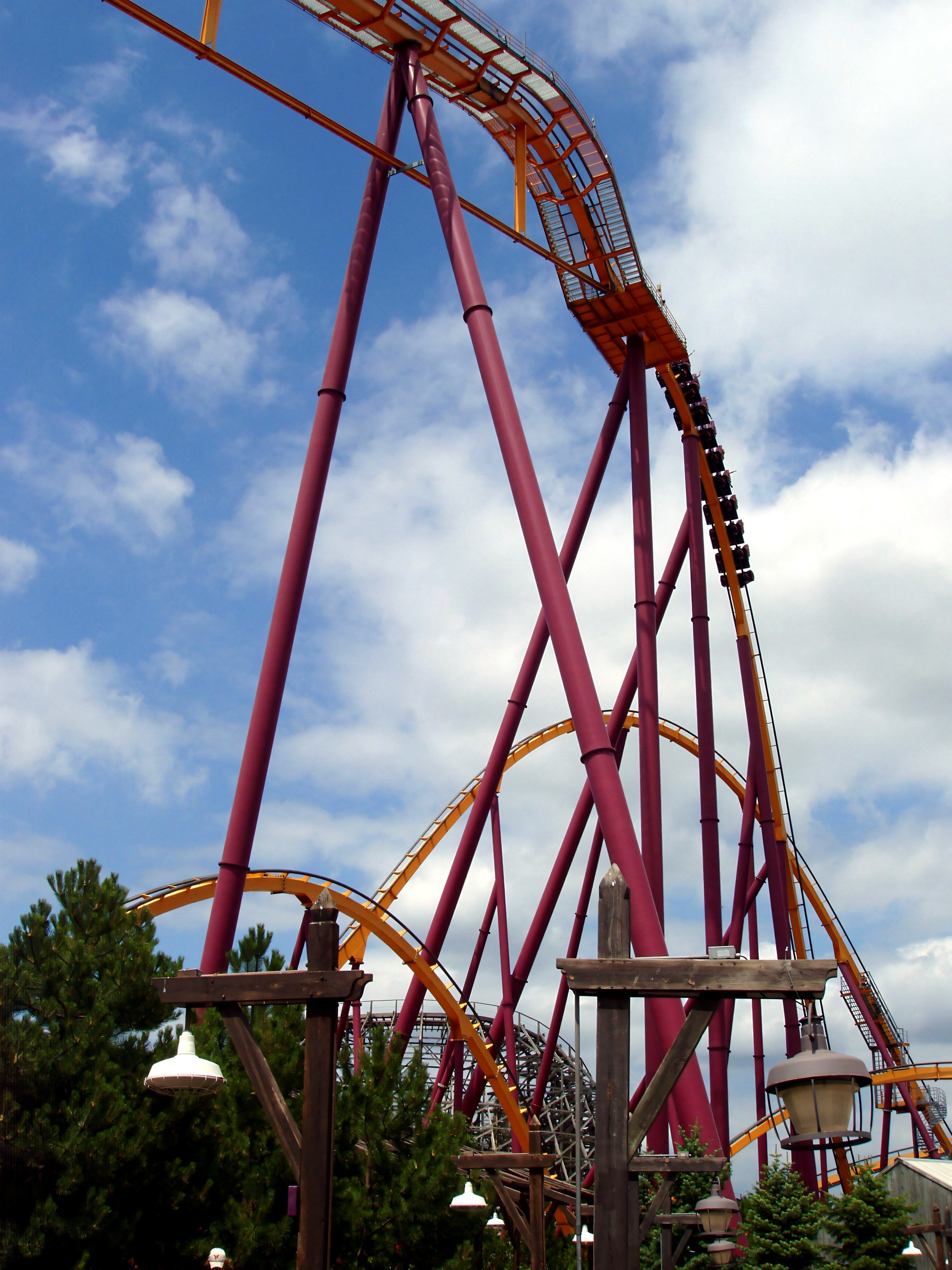
Riders board one of three 36-passenger trains and climb the chain lift to 202 feet before plunging into the underground tunnel — the coaster’s most dramatic moment and a signature touch rarely found on hyper coasters. From there, the layout unwinds across a sweeping series of camelback hills and overbanked turns engineered by Stengel Engineering to generate sustained floater and ejector airtime without a single loop or inversion.
The ride’s heartline banking technology keeps turns smooth and free of lateral forces, and its intensity can vary noticeably from ride to ride depending on how the trim brakes are set that day — many enthusiasts consider it underrated when the trims are running loose, since the hills deliver much stronger airtime than a typical hyper coaster of its era.
Each of Raging Bull’s three trains carries 36 riders across nine cars, giving the coaster a theoretical hourly capacity of roughly 1,560 riders — useful context for gauging how quickly the line should move on a typical operating day.
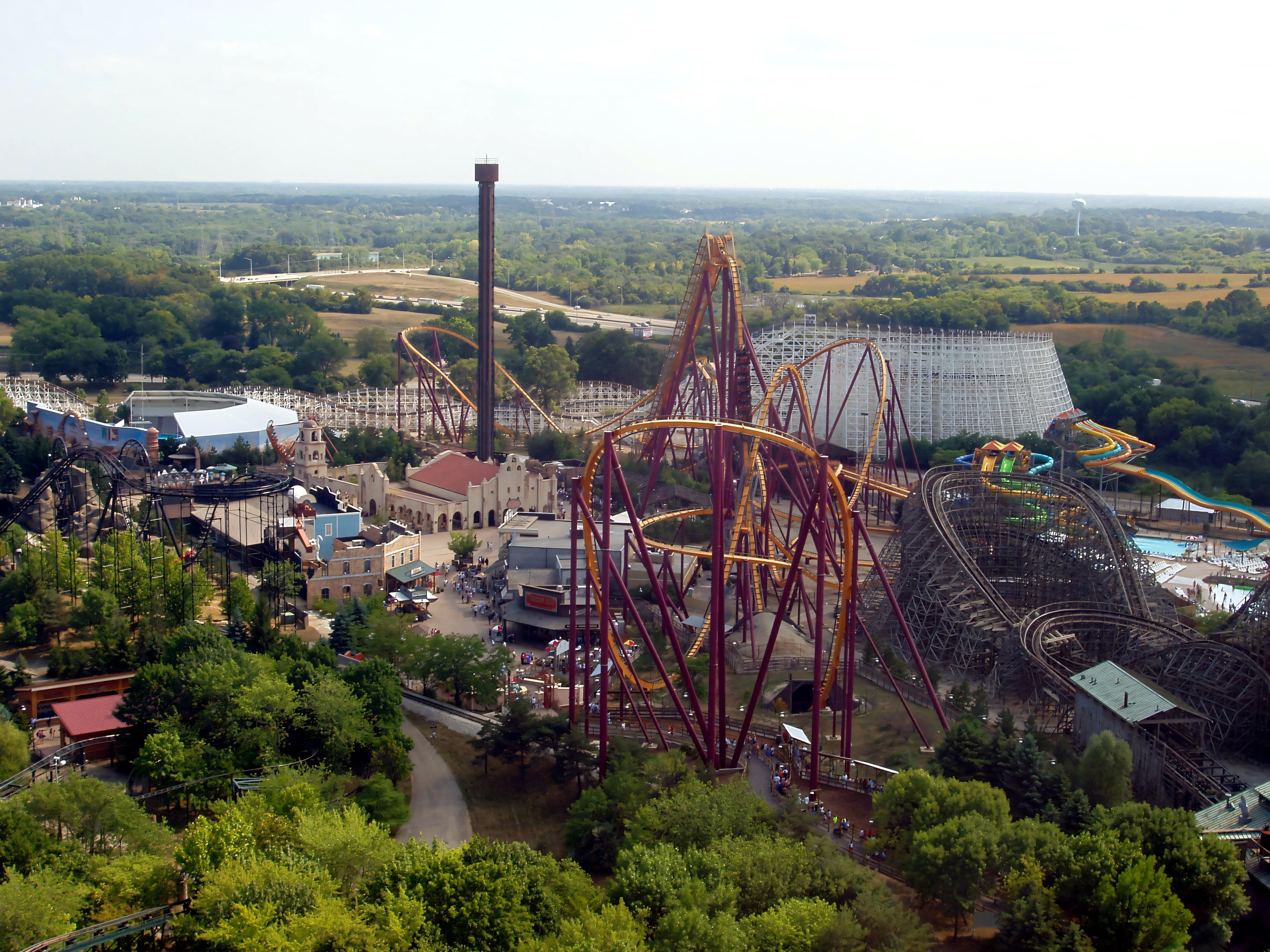
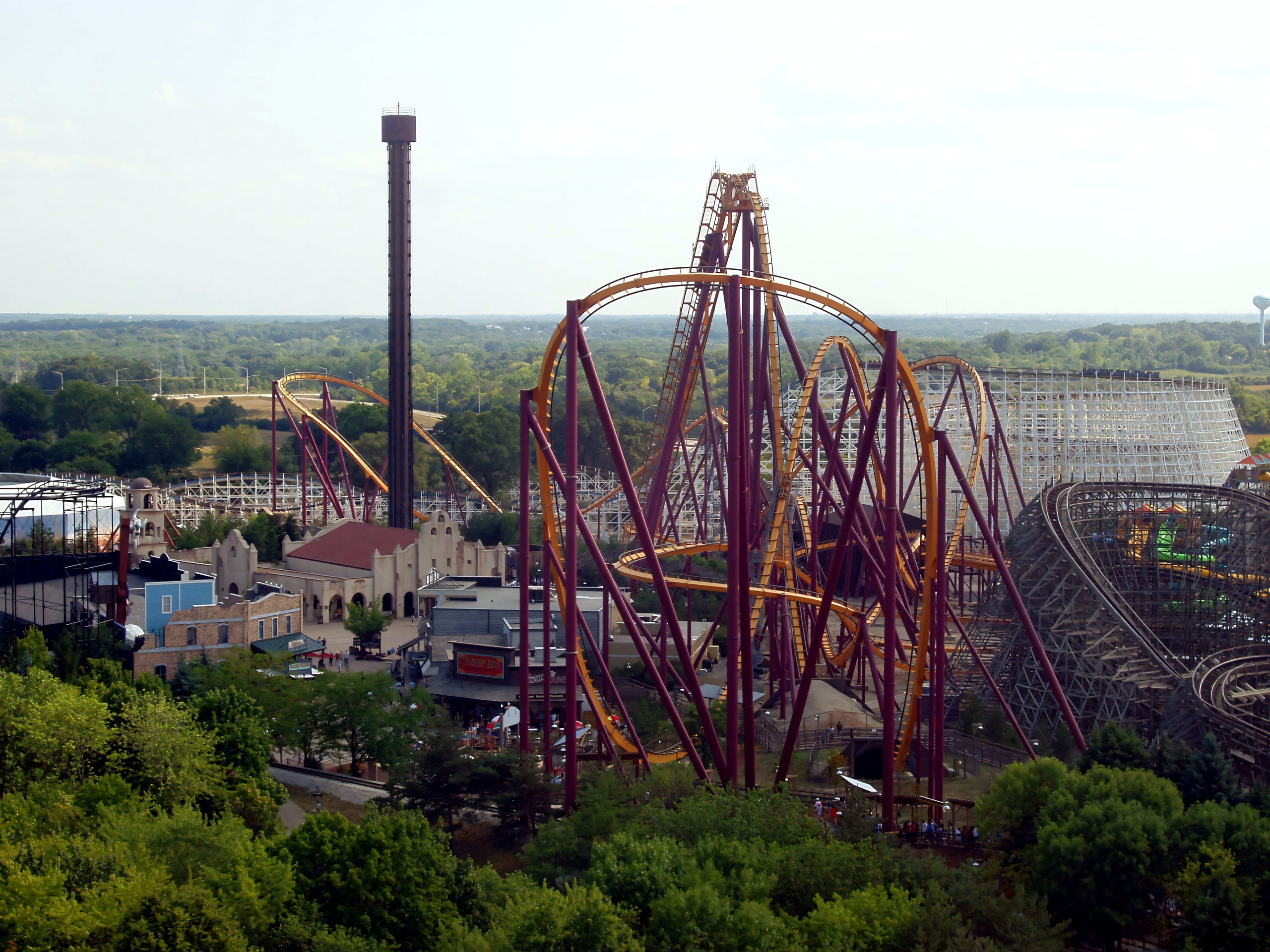
Where to Find Raging Bull in the Park
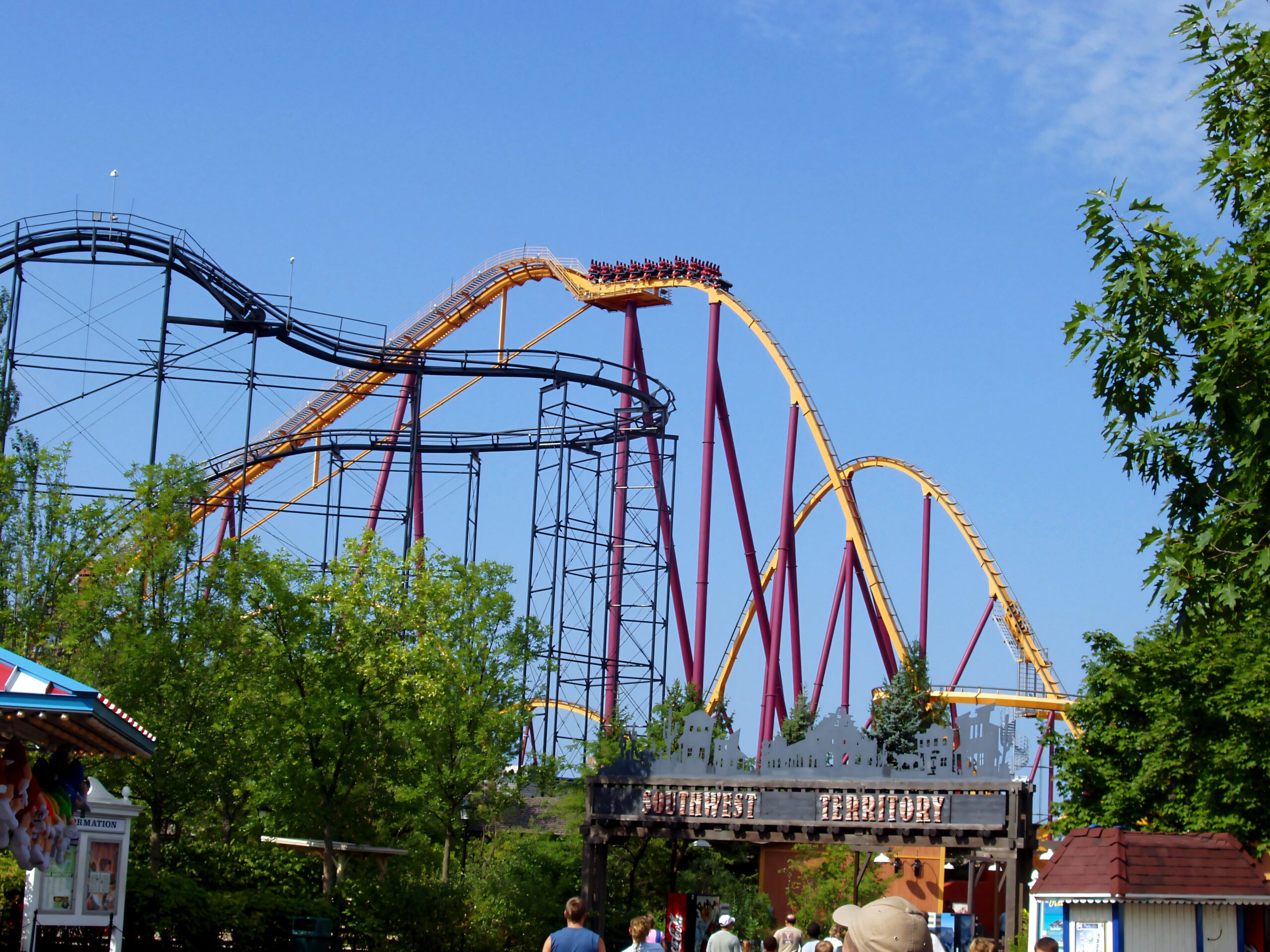
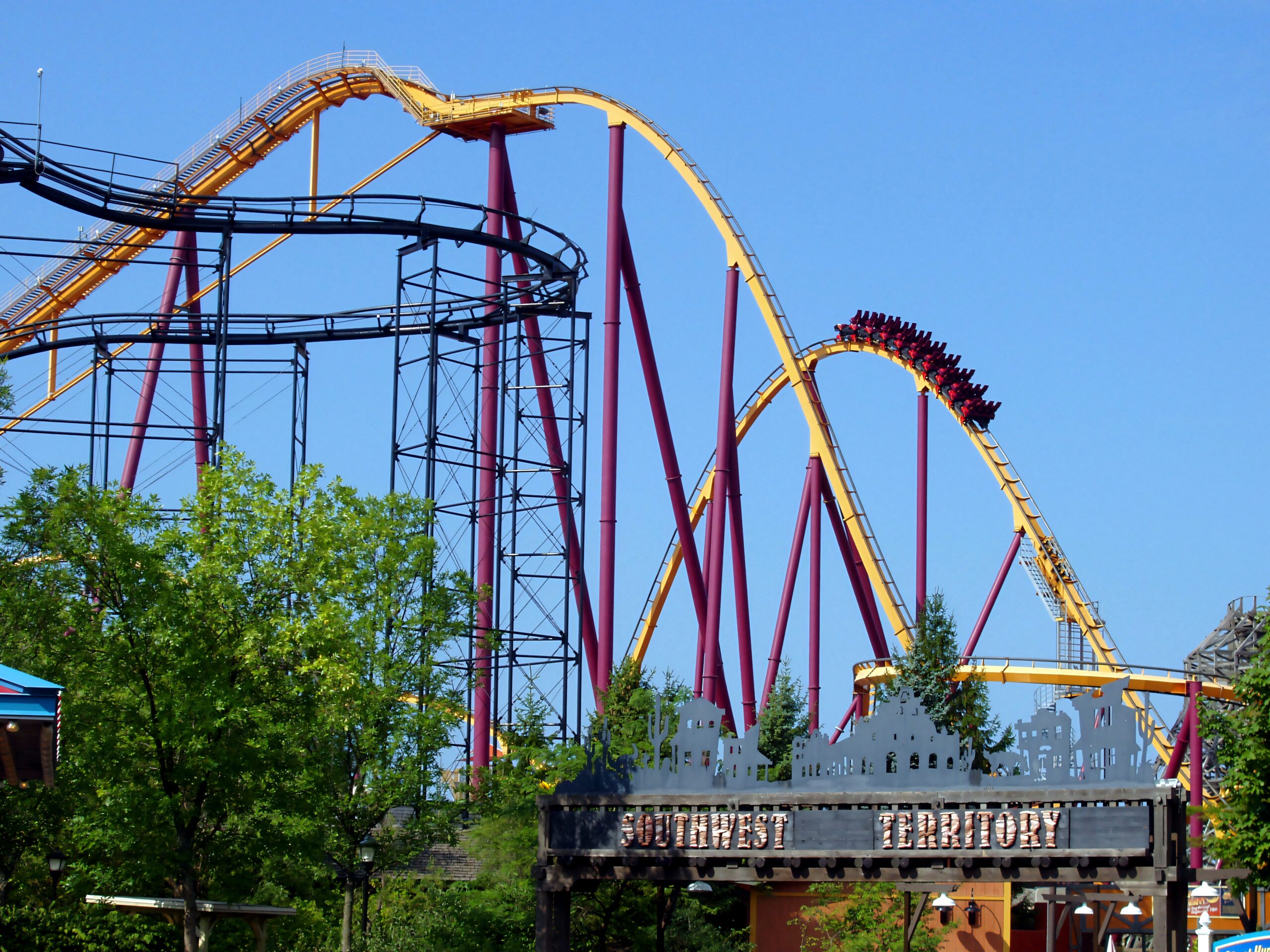
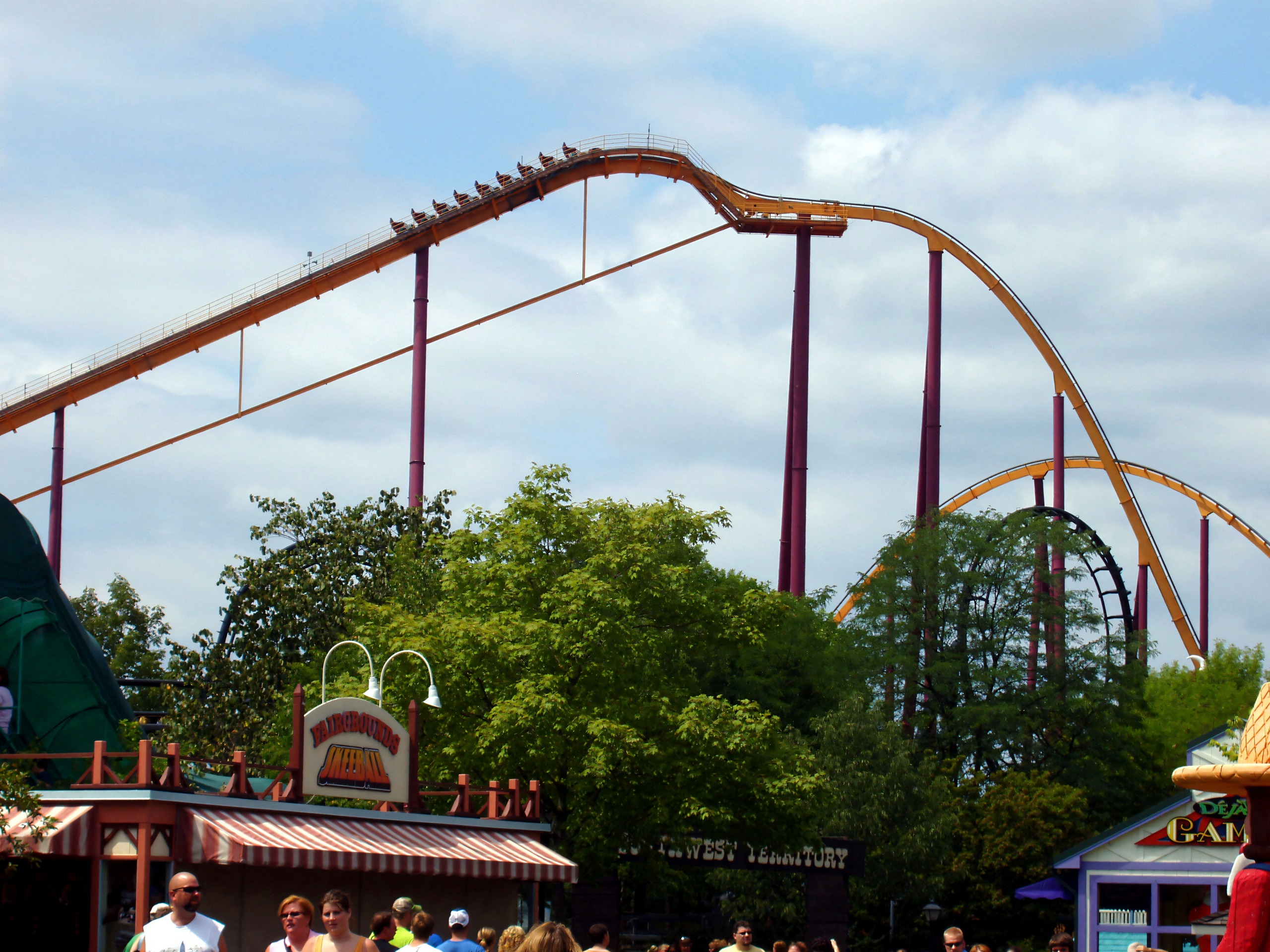
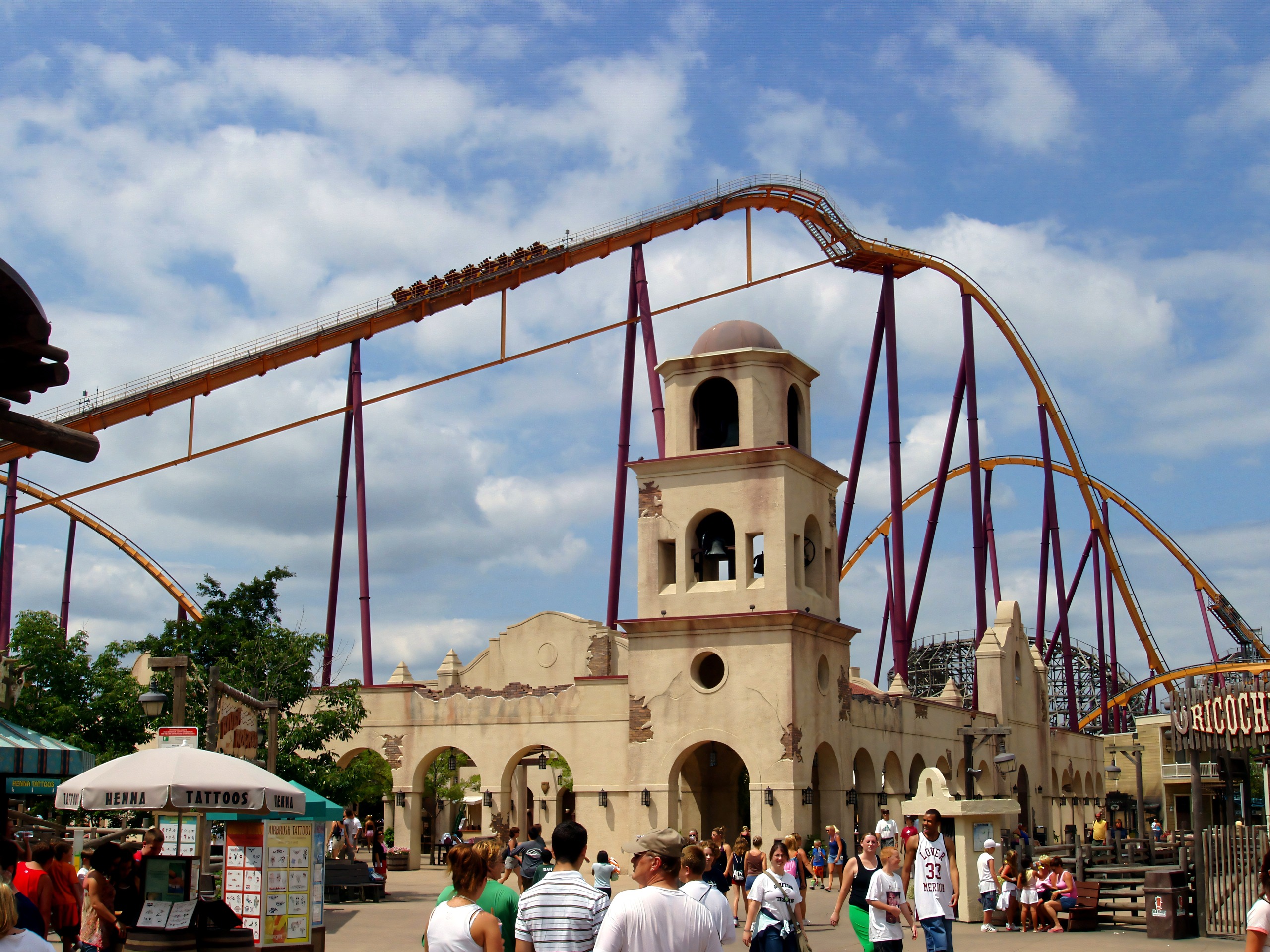
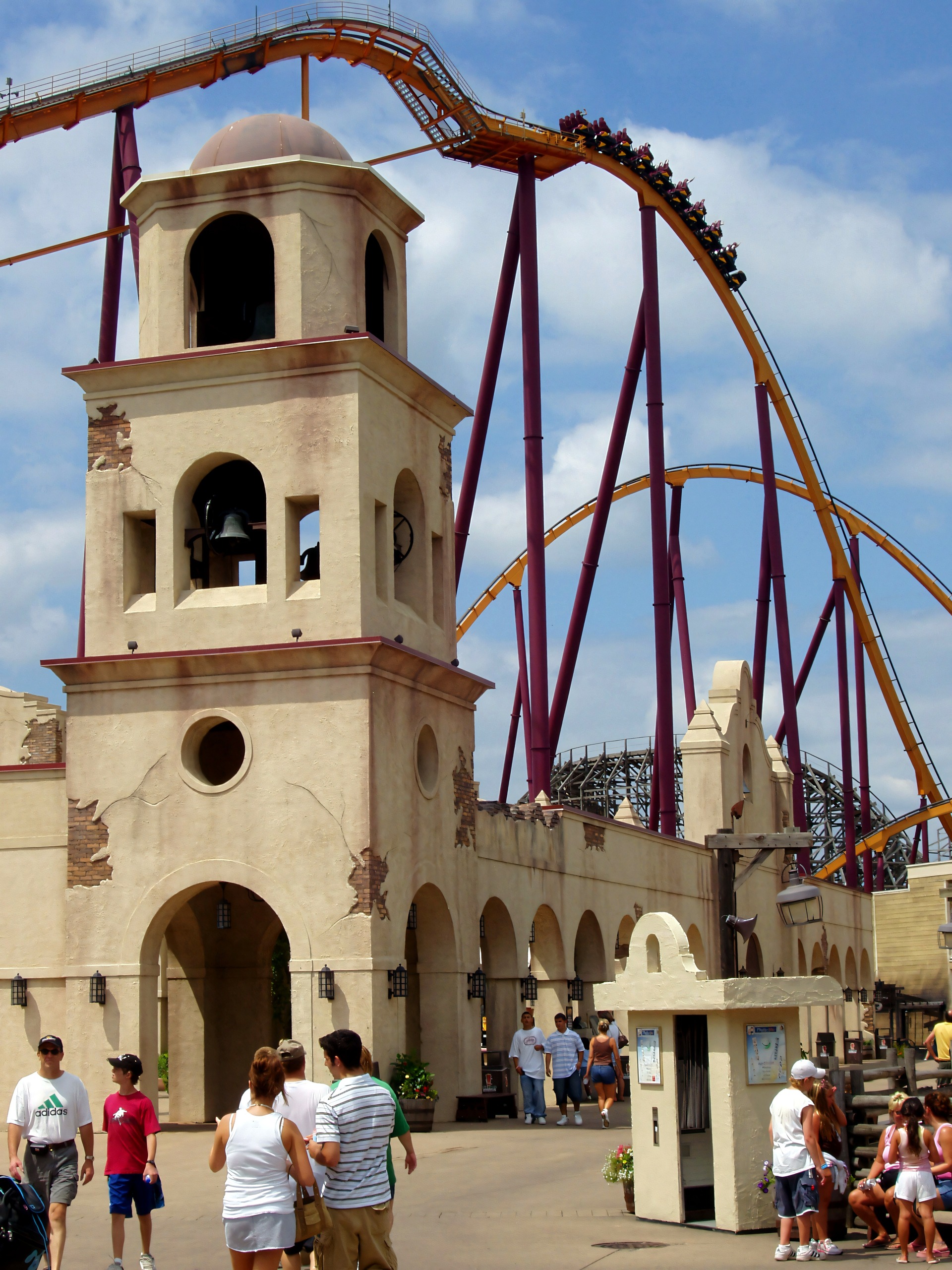
Raging Bull sits in the Southwest Territory area of Six Flags Great America, themed to a cattle town where the coaster’s namesake bull drove settlers away — a tongue-in-cheek setup that fits the relentless pace of the ride. The queue and loading platform are built to resemble an old mission, with weathered wood and stone facades leading riders to the station before the lift hill.
Wait Times, Single Rider Line & Flash Pass
As one of the park’s marquee coasters, Raging Bull can draw long lines on peak-attendance days, especially in the first two hours after opening and again in the early evening. A single rider line is typically available near the main queue for guests willing to fill empty seats individually, which can meaningfully cut wait times when the ride isn’t running at full capacity.
Raging Bull is also included in Six Flags Great America’s paid Flash Pass (Fast Lane) program, which lets guests reserve a return time instead of waiting in the standard line. Because staffing, weather, and daily attendance all affect actual wait times, check the park’s mobile app or the official park website for real-time queue estimates on the day of your visit.
2025 Repaint & Maintenance History
Raging Bull closed on August 19, 2025 for a major track and structure refresh, reopening on October 3, 2025 with a fresh coat of orange track paint and purple support paint applied by Million Painting — its most extensive repaint since a 2007 refresh handled by Baynum Solutions. Repaints like these are standard maintenance for steel coasters of Raging Bull’s age and are unrelated to any safety concern; the goal is corrosion protection and appearance, not mechanical repair.
Legacy and Records
When Raging Bull debuted in 1999, it was only the second Hyper Coaster ever built by Bolliger & Mabillard — and the first to incorporate the twister-style layout that sent the hyper-coaster format in a new direction. Six Flags invested roughly $25 million in the ride, which replaced Rolling Thunder, a bobsled-style coaster removed from the same site in 1996. Its combination of extreme height, underground tunnel, and airtime-focused hills set a template that influenced later B&M hypers around the world, and to this day it remains the only hyper-twister B&M has ever built.
Raging Bull debuted at number 14 in Amusement Today’s 1999 Golden Ticket Awards poll of the world’s best steel coasters, then climbed before peaking at number 9 in 2005. It held a spot on that top-50 list every year from 1999 through 2022 — one of the longer active streaks of any coaster from its era, reflecting how well its B&M engineering has aged compared to coasters built in the same period. It remains the tallest and longest coaster at Six Flags Great America, even though newer launch coasters in the park have since topped it for outright speed.
Safety Record
Raging Bull’s B&M engineering and heartline banking give it a reputation as one of the smoothest, best-maintained coasters in the Midwest, and it undergoes the same daily and seasonal inspections required of every ride in the park. In May 2003, an 11-year-old rider lost consciousness after riding and later died; a subsequent investigation attributed her death to cardiomegaly, a pre-existing heart condition she had previously consulted a cardiologist about, rather than any ride malfunction. The park added signage discouraging gum and candy on the ride afterward, and Raging Bull continued normal operation. It remains one of the park’s most consistently running major coasters more than two decades later.
Planning Your Visit
Six Flags Great America operates on a seasonal schedule, with hours typically longer in summer and reduced on weekdays during shoulder-season months, and admission is sold both as single-day tickets and season-long membership tiers, with add-ons like Flash Pass sold separately. Because hours, ticket prices, and parking rates change by season and can shift with little notice, check the official Six Flags Great America site for current hours, ticket pricing, and parking information before you go.
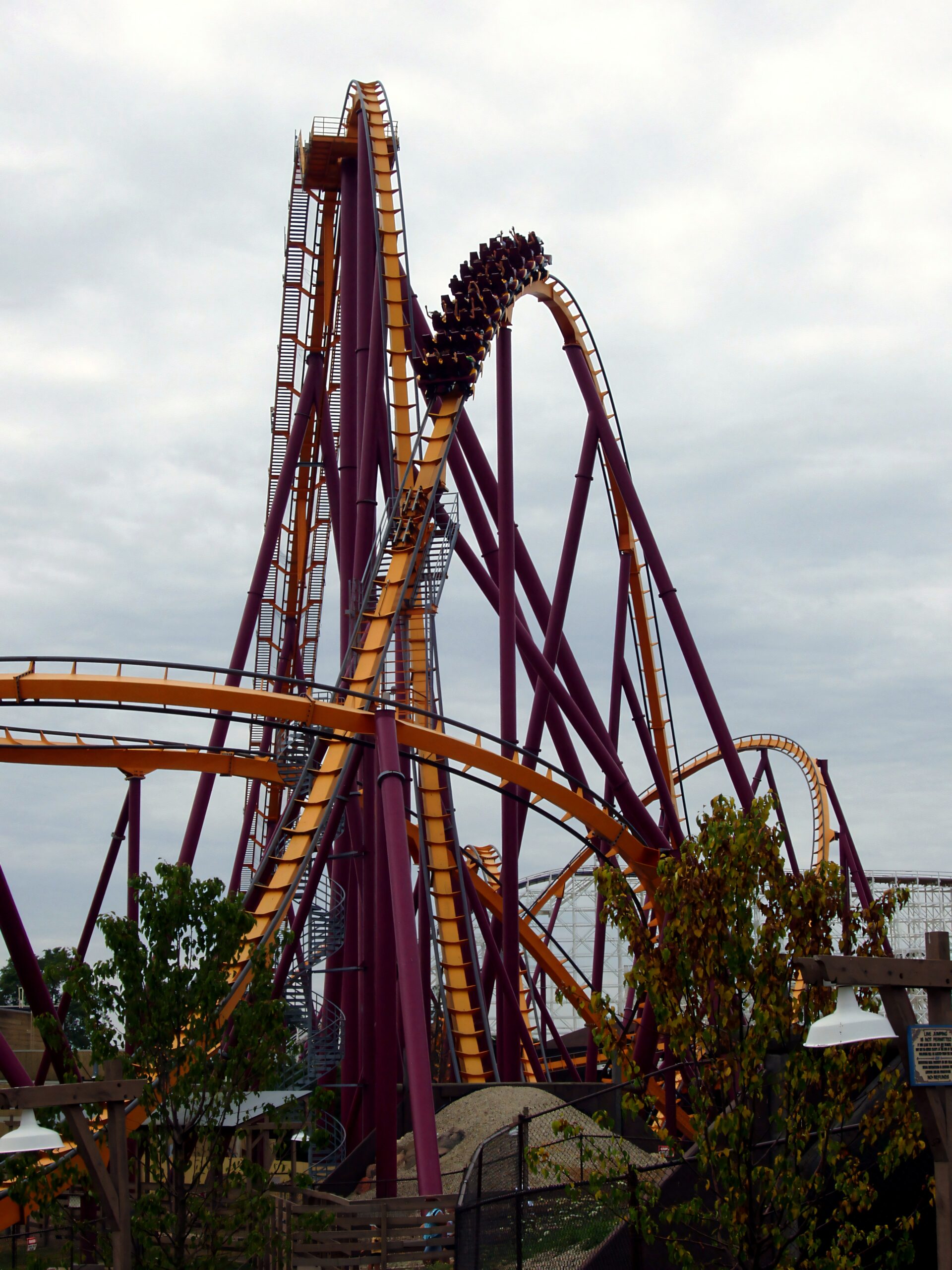
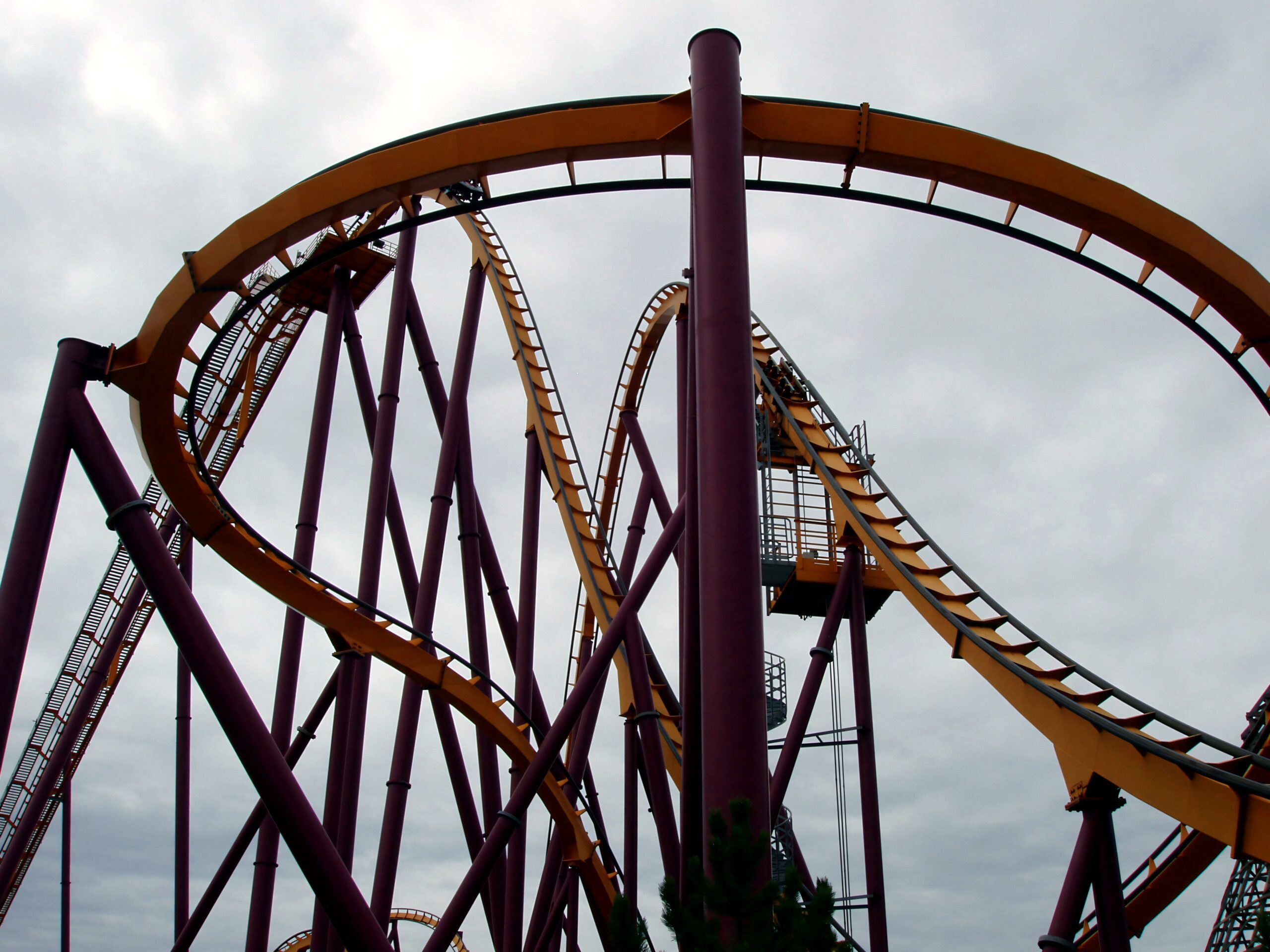
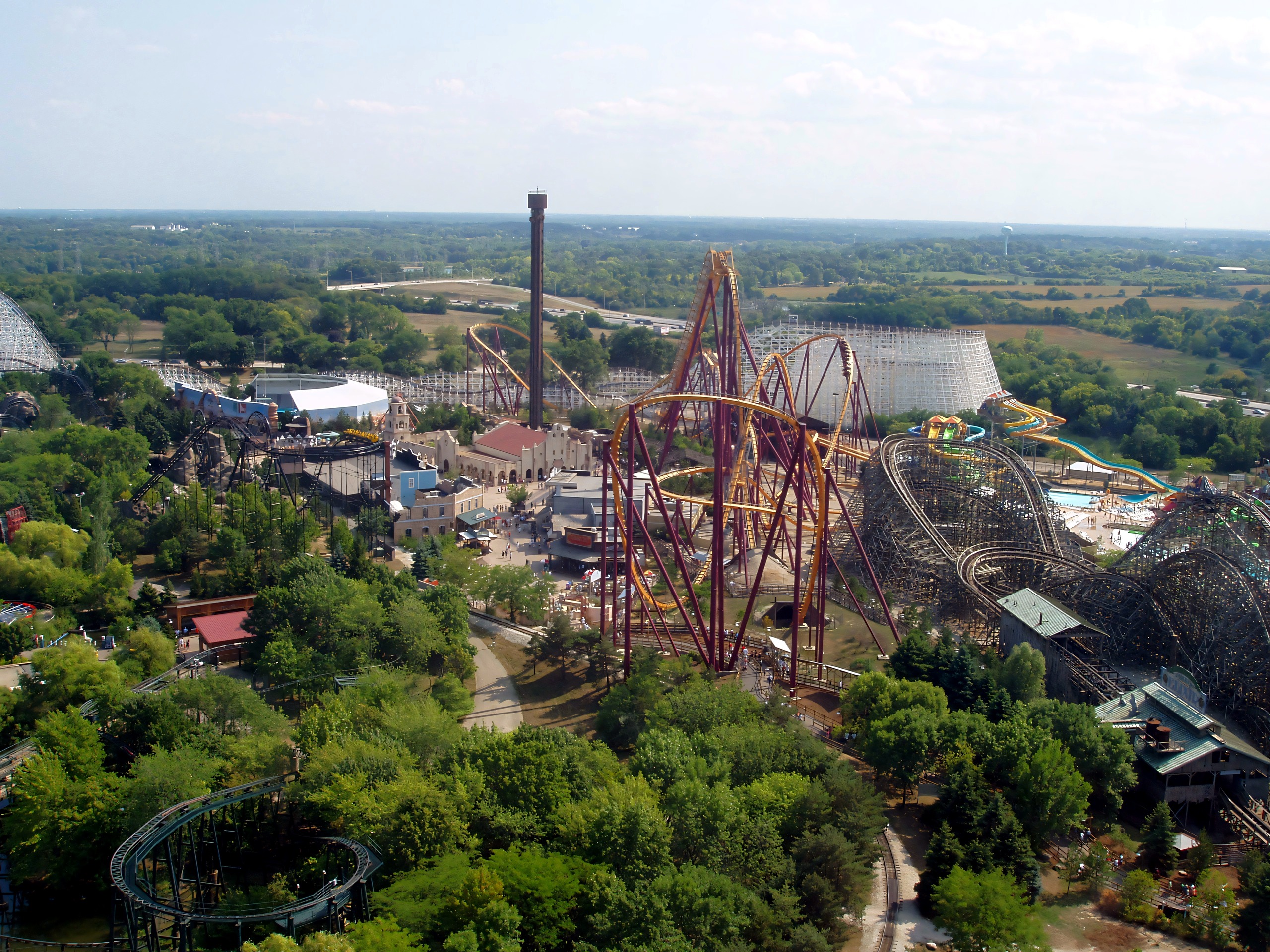
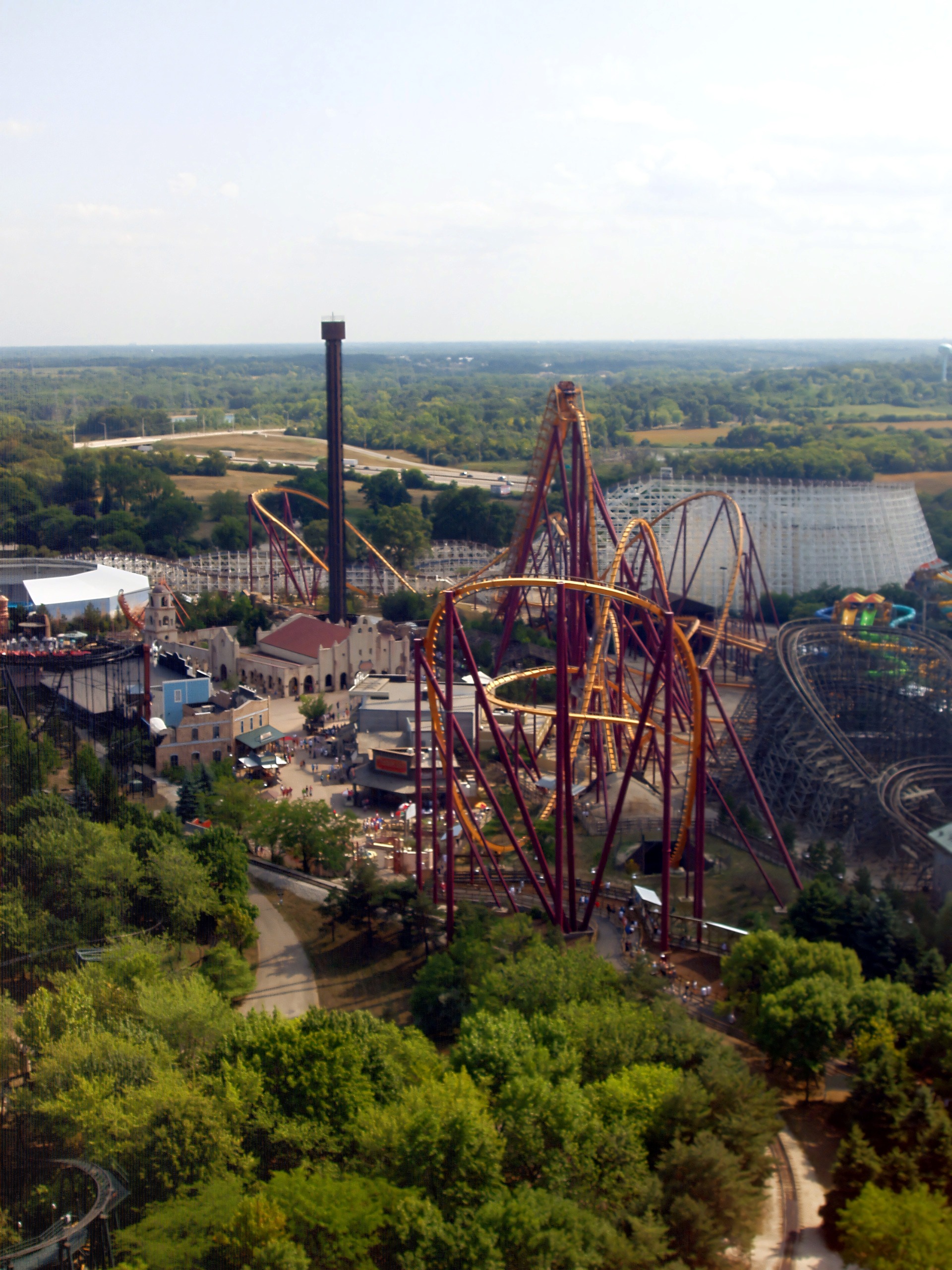
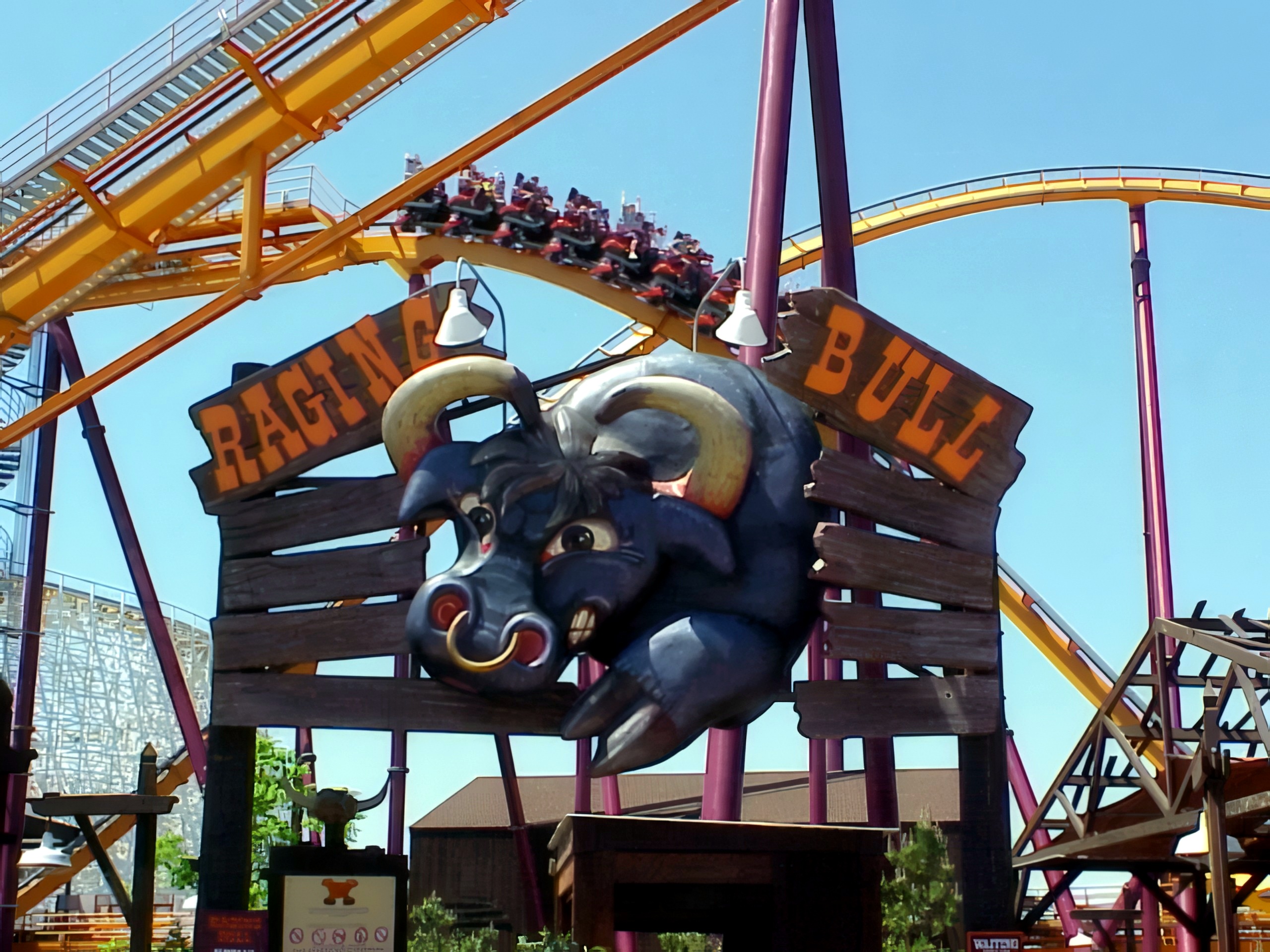
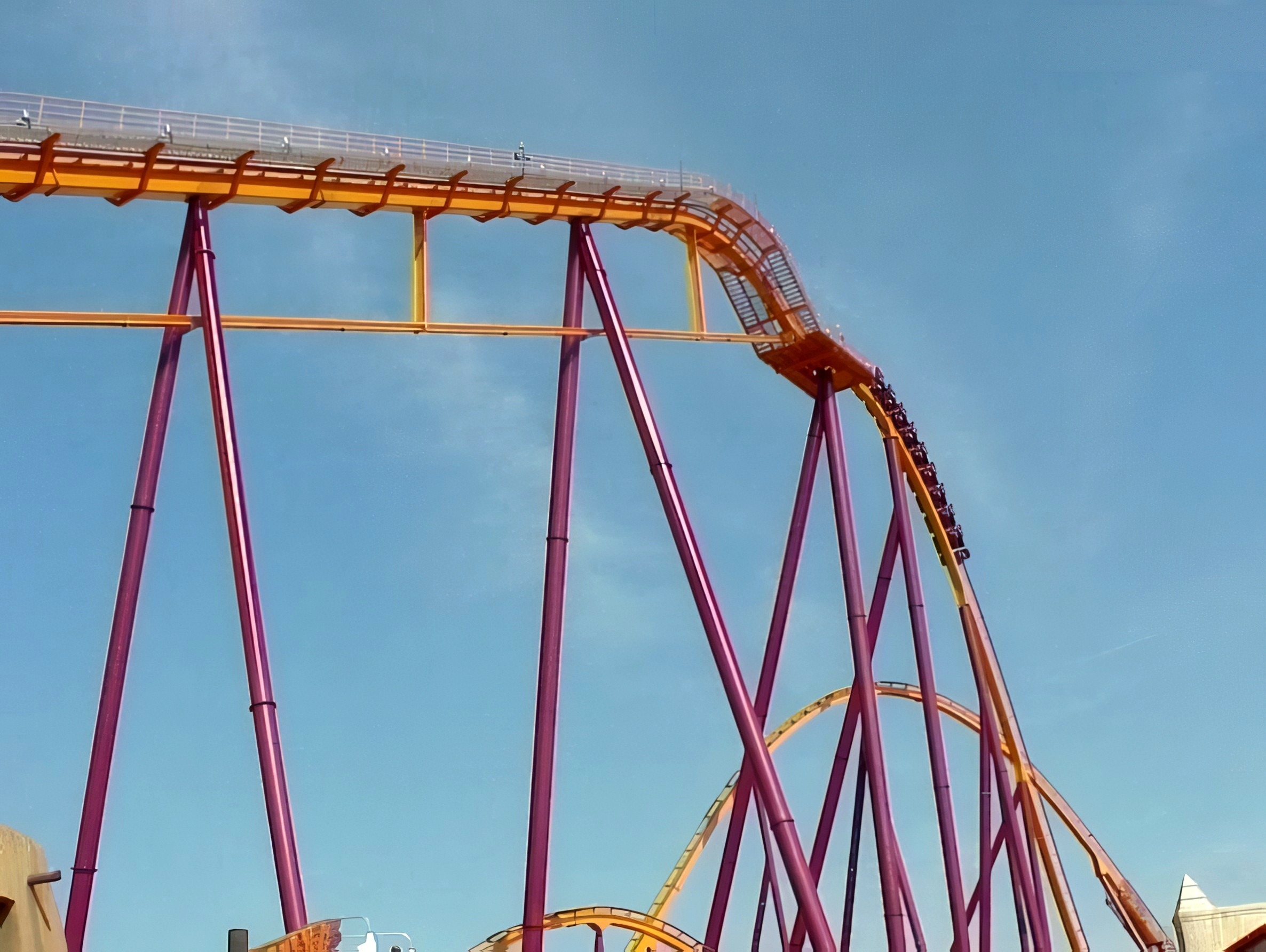
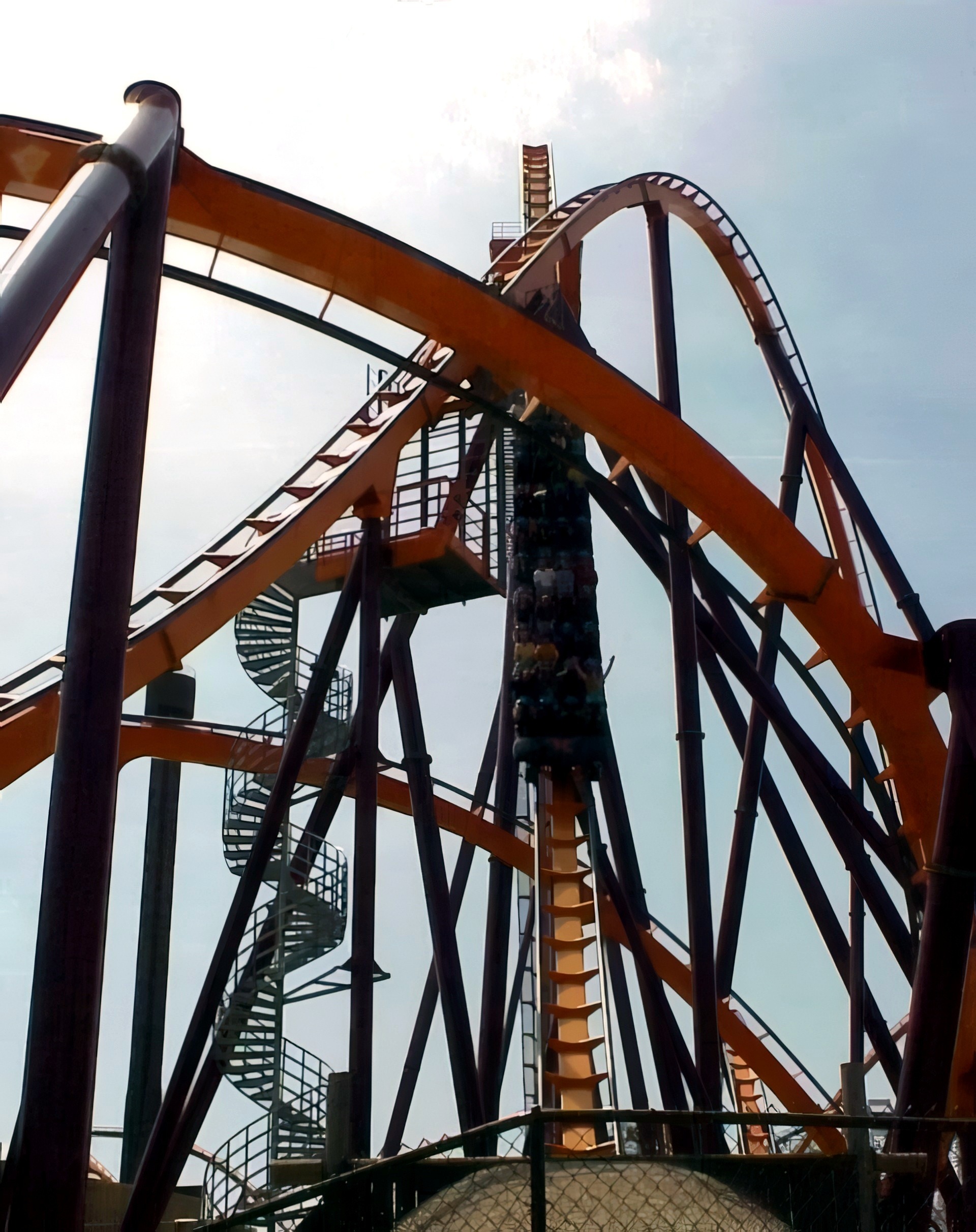
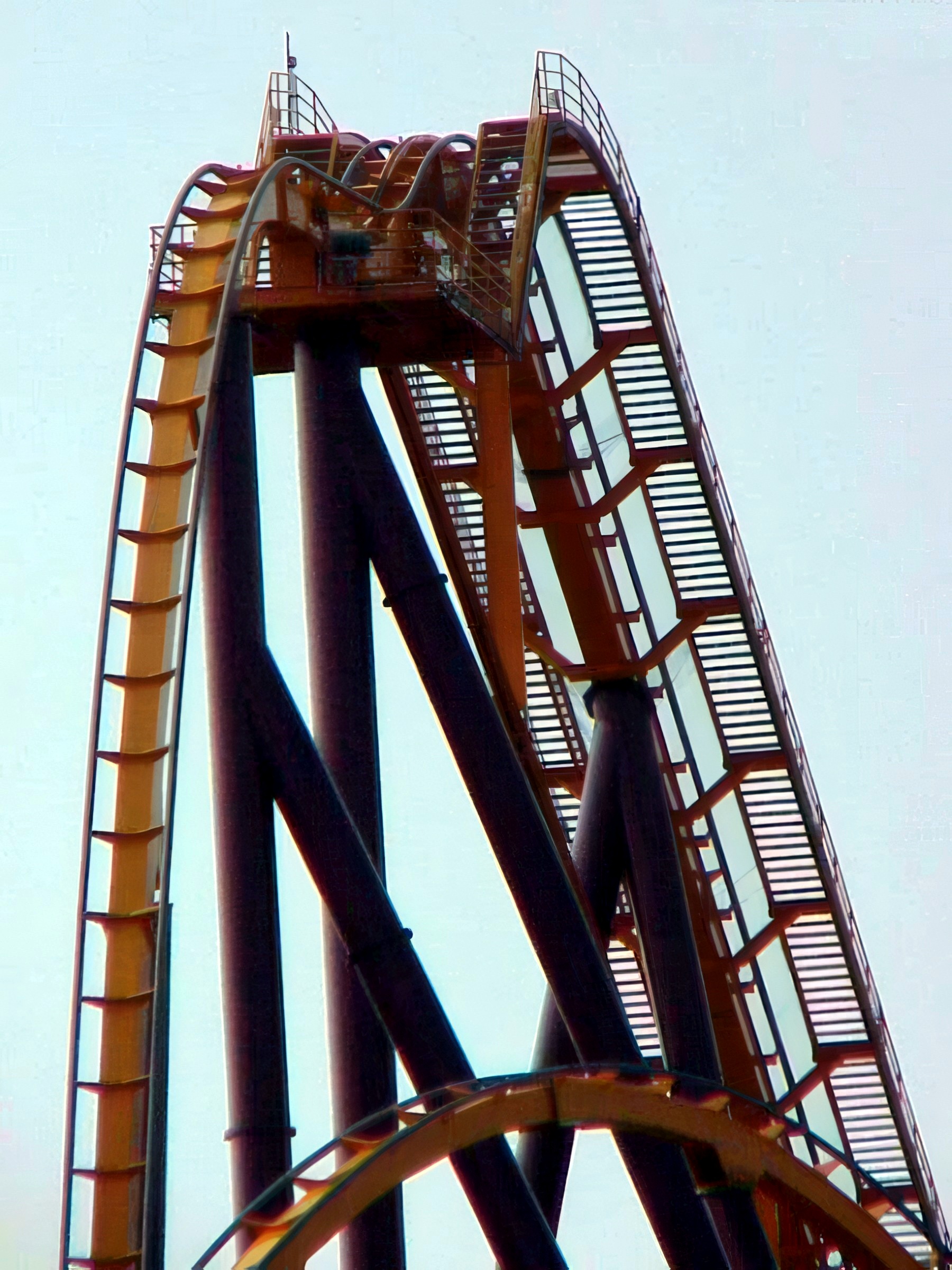
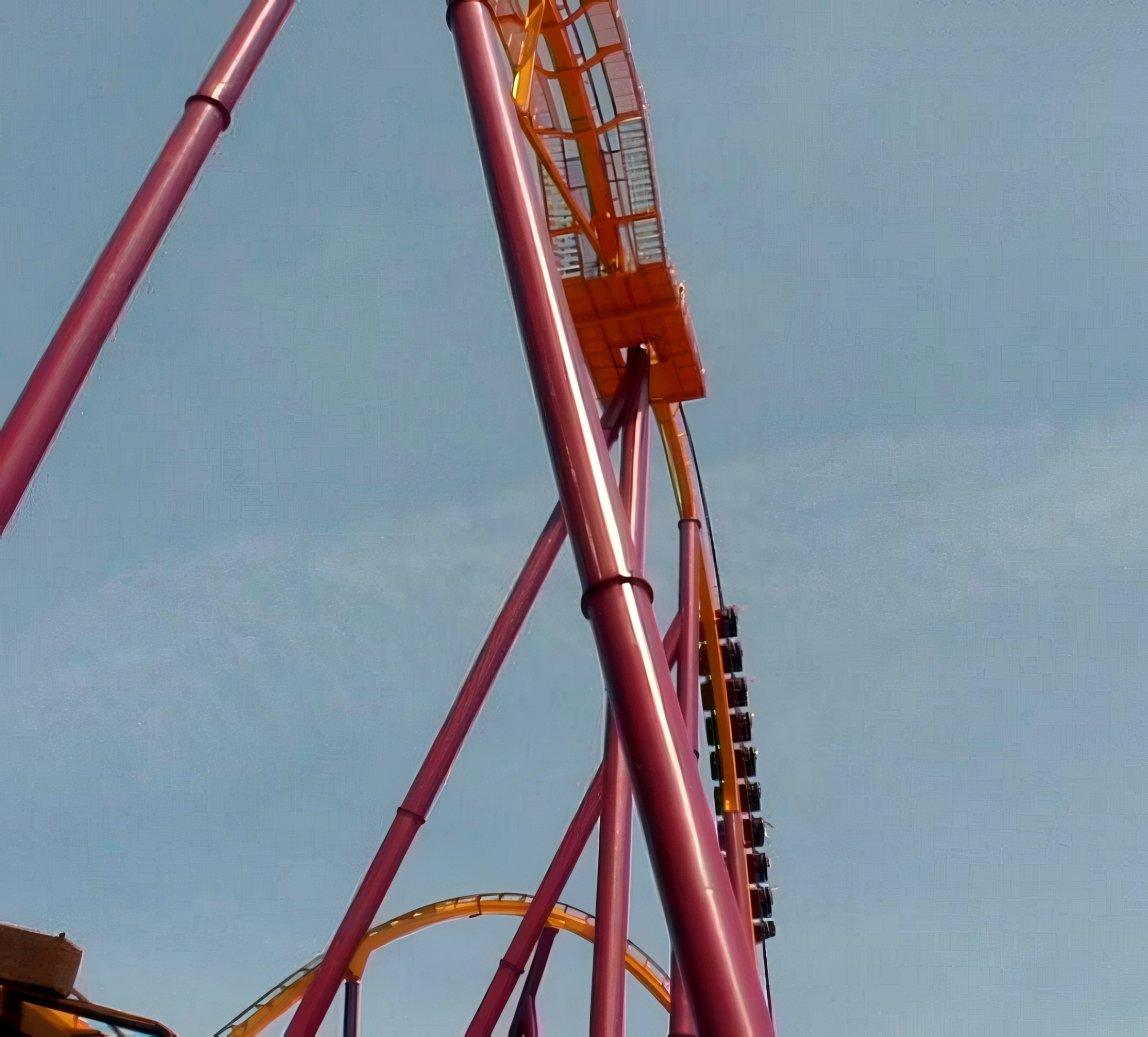
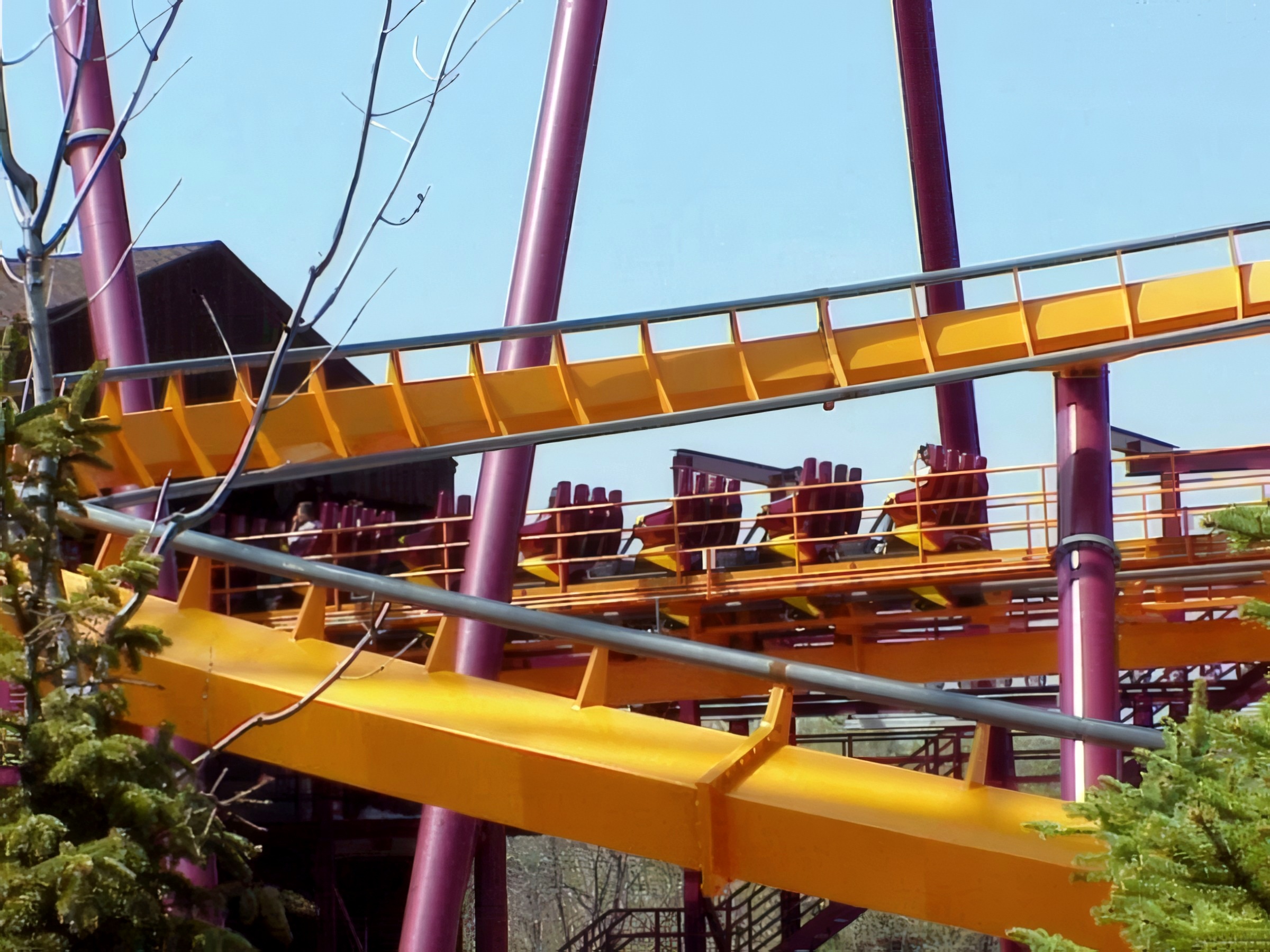
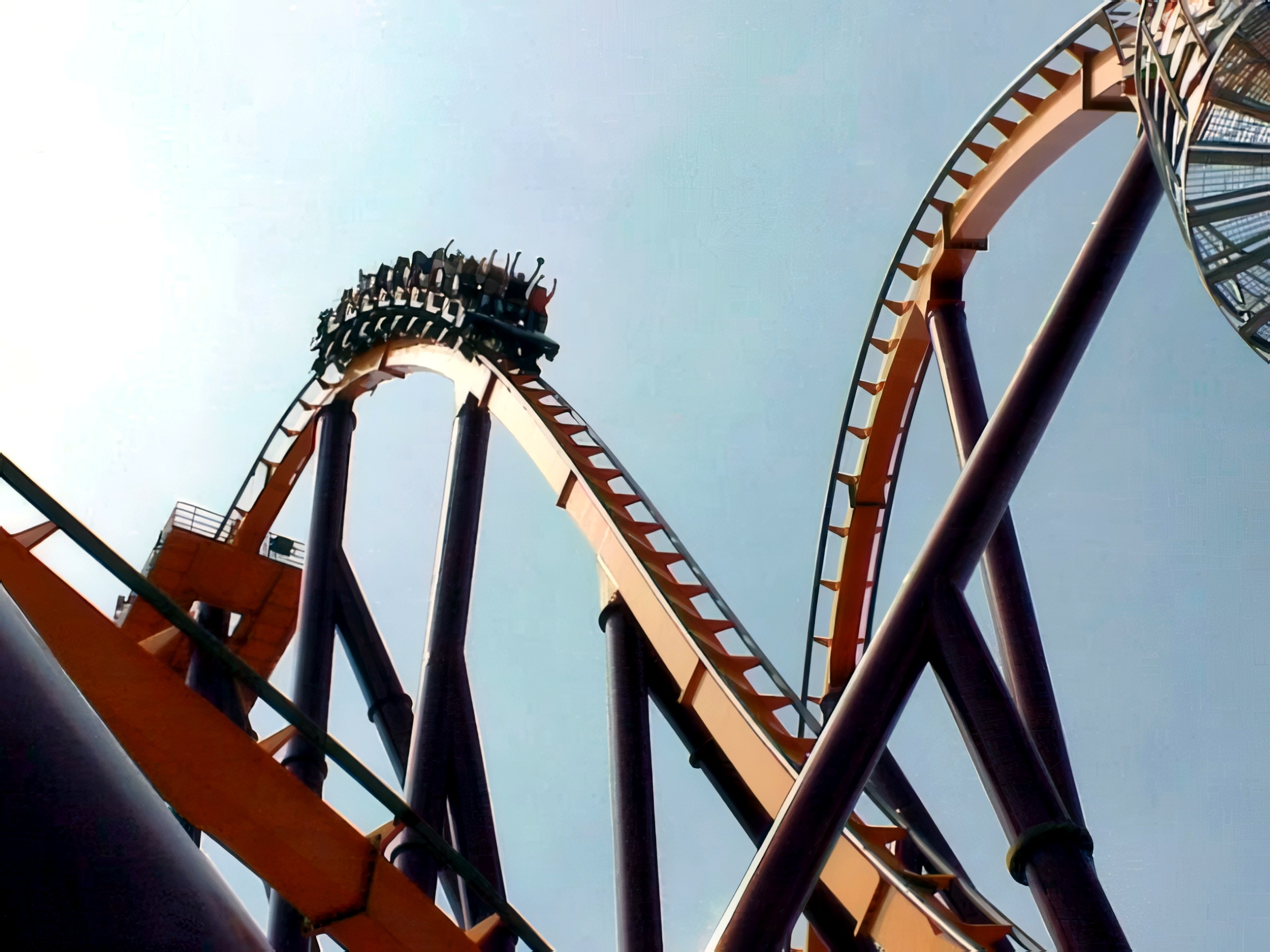
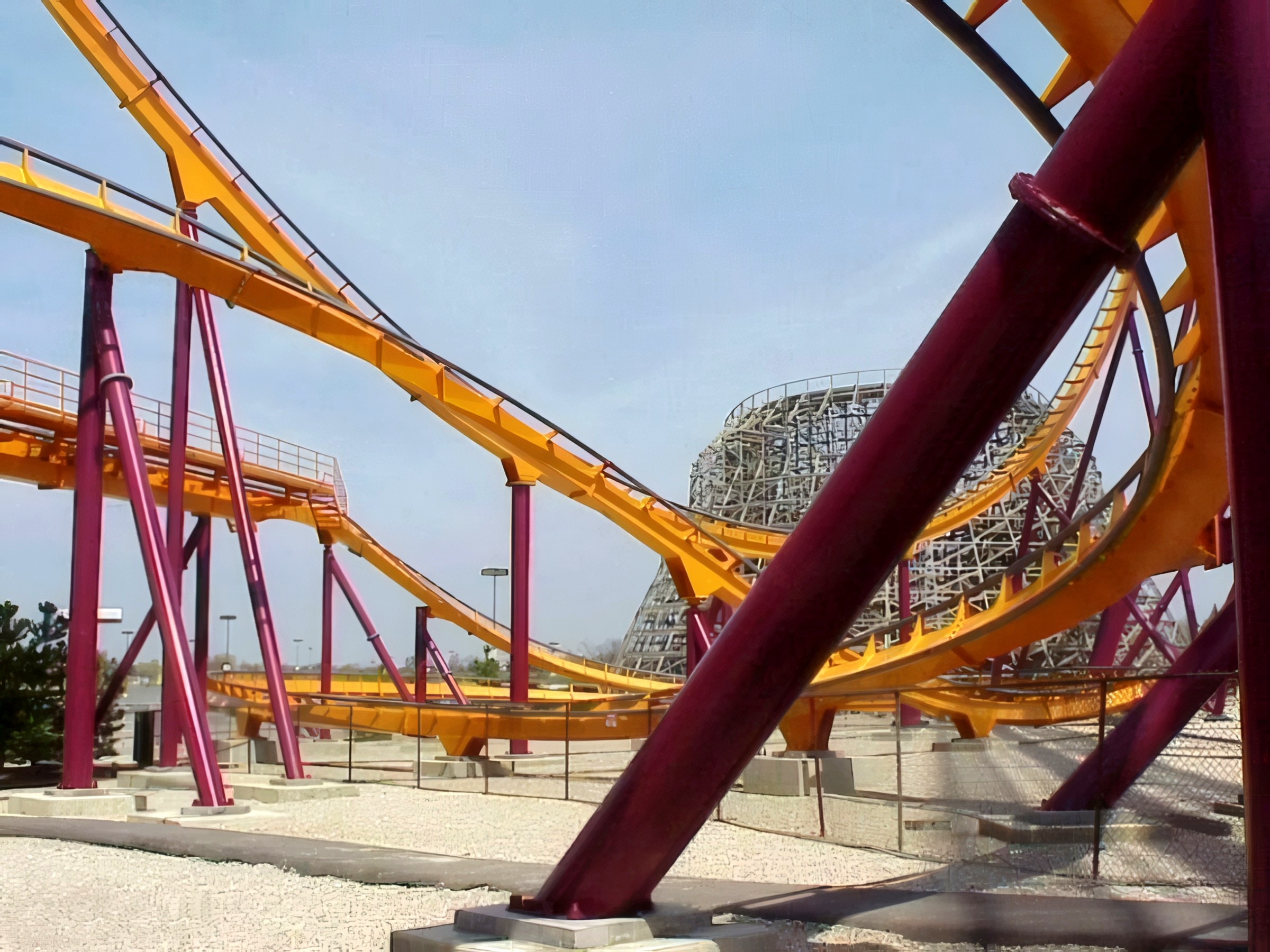
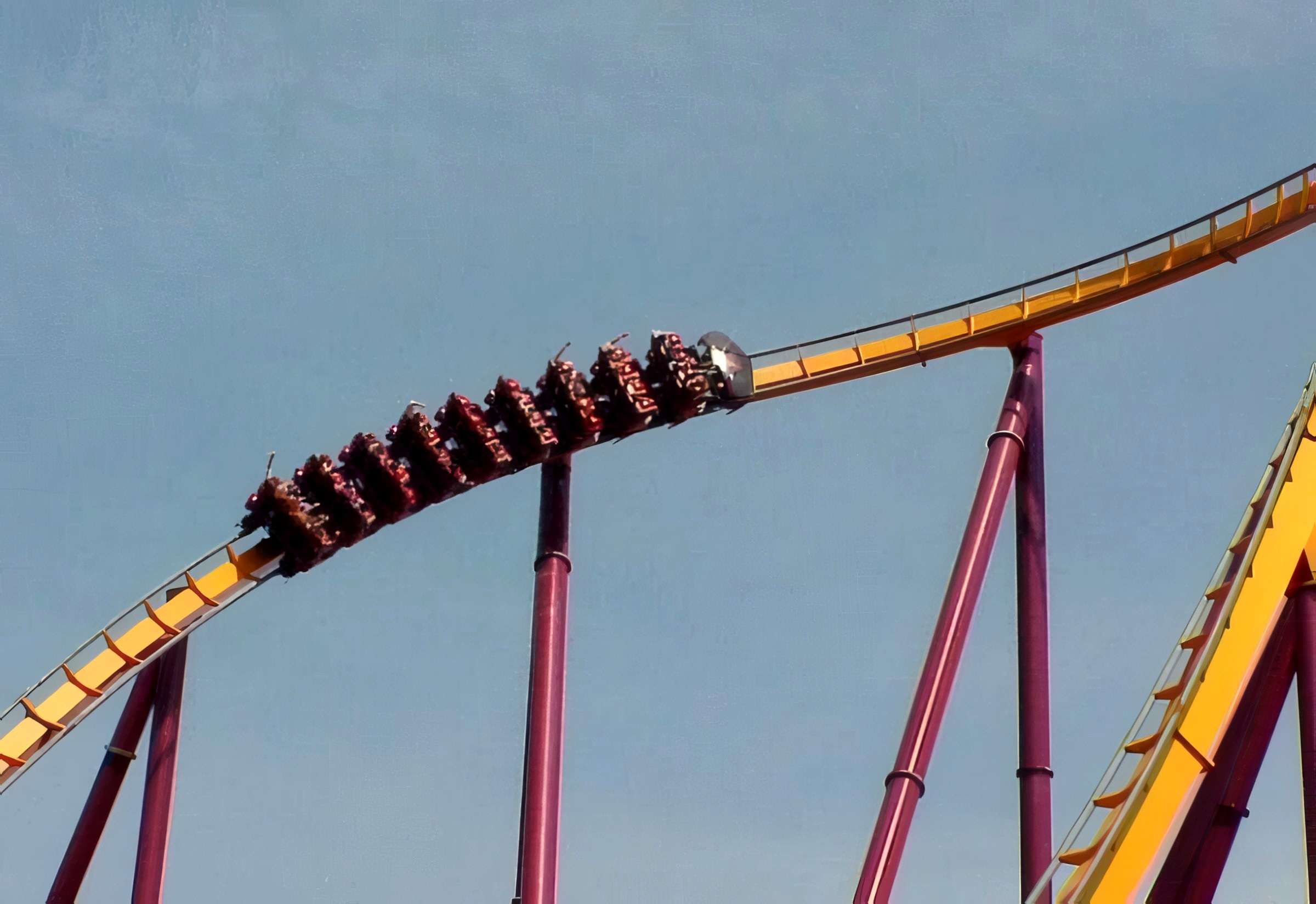
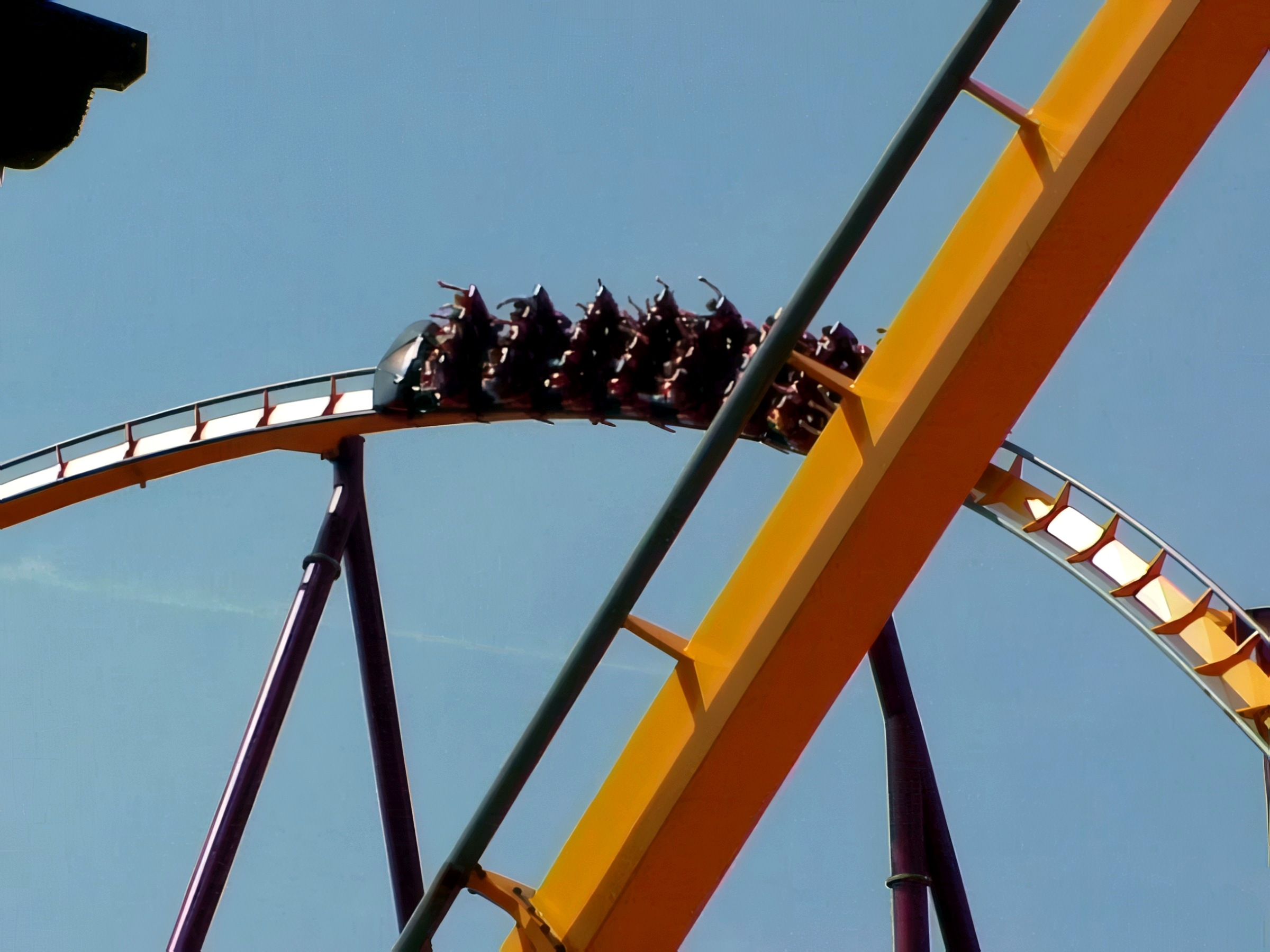
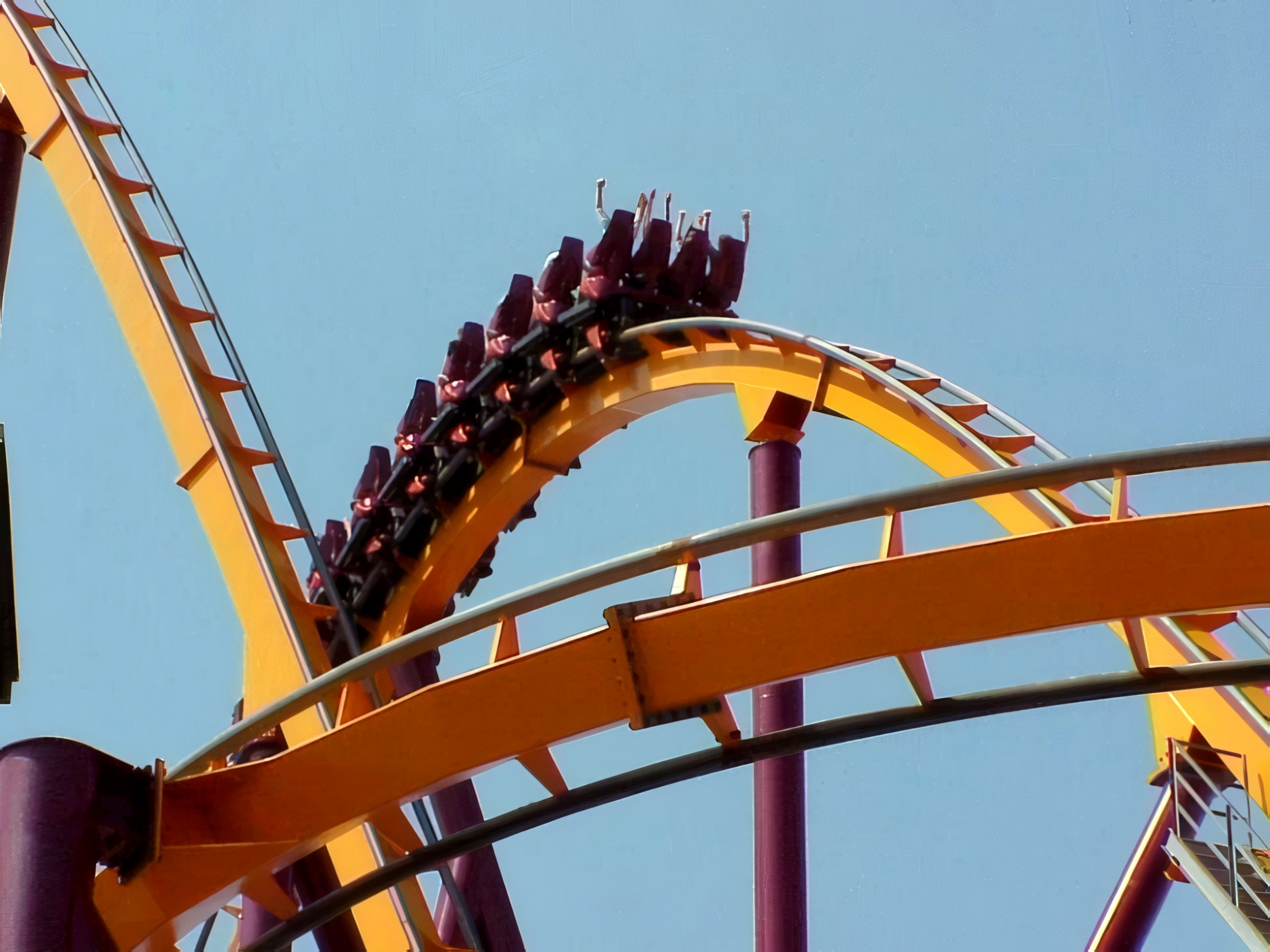
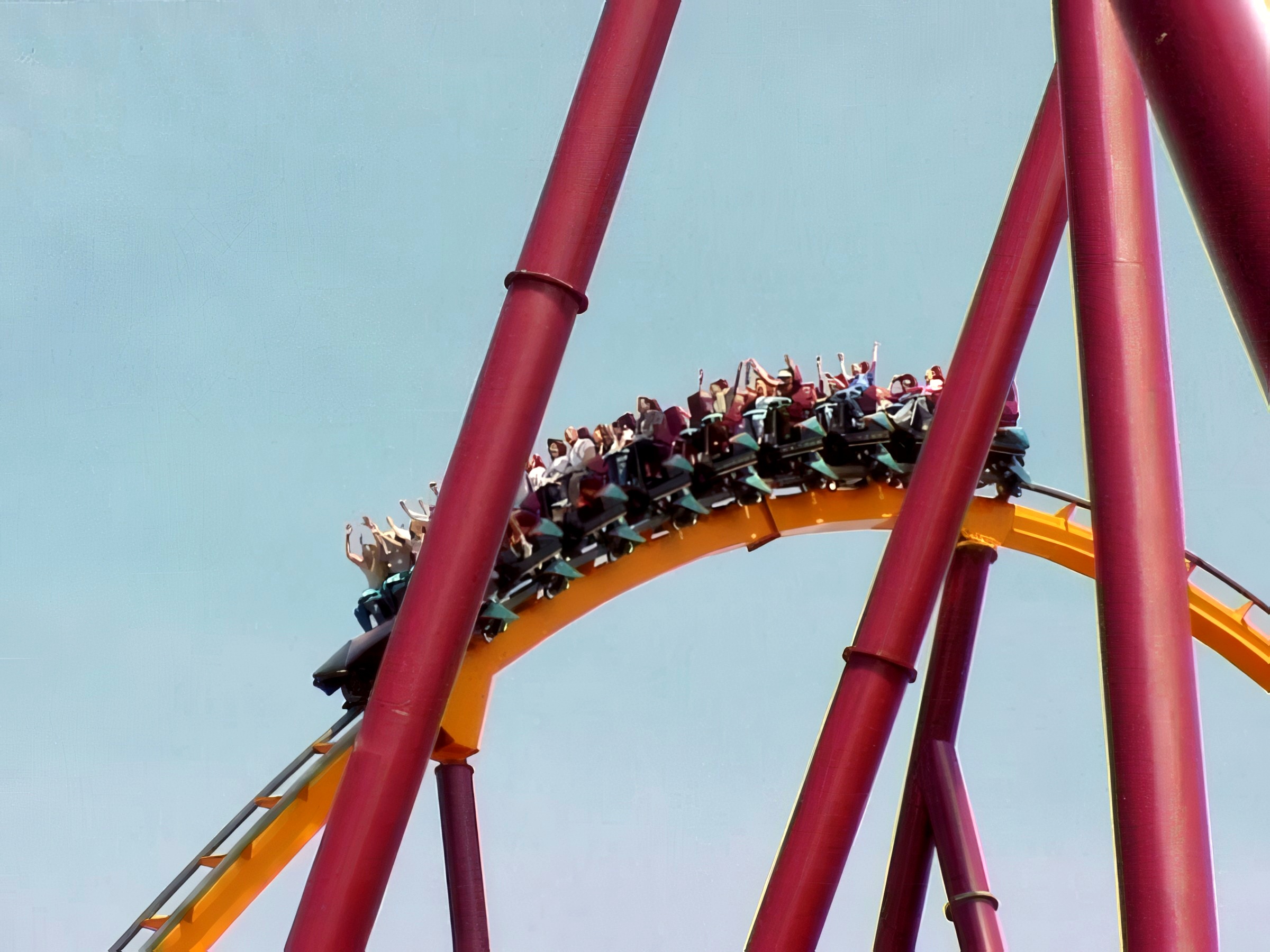
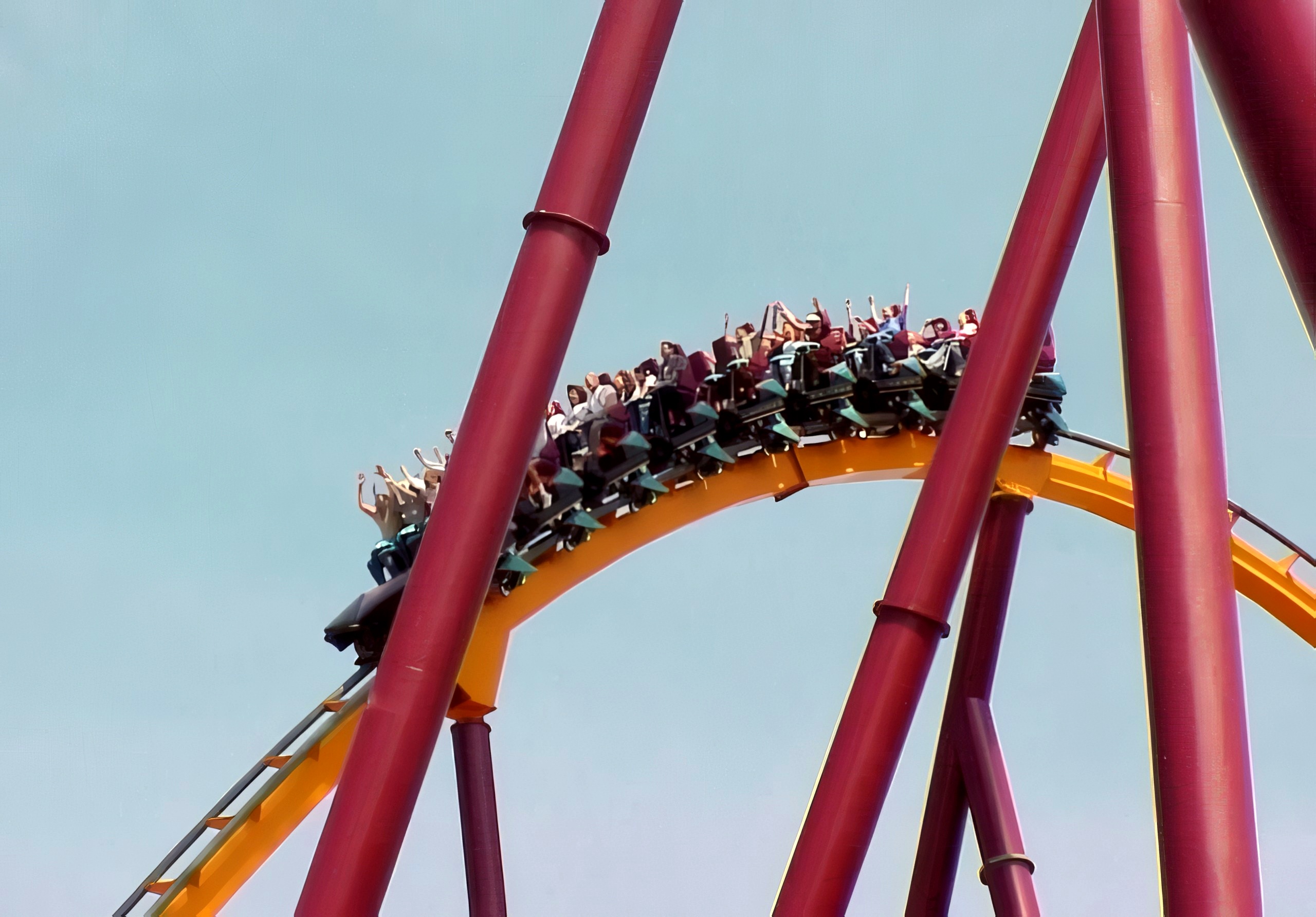
Raging Bull Photo Archive: 2000, 2001 & 2005
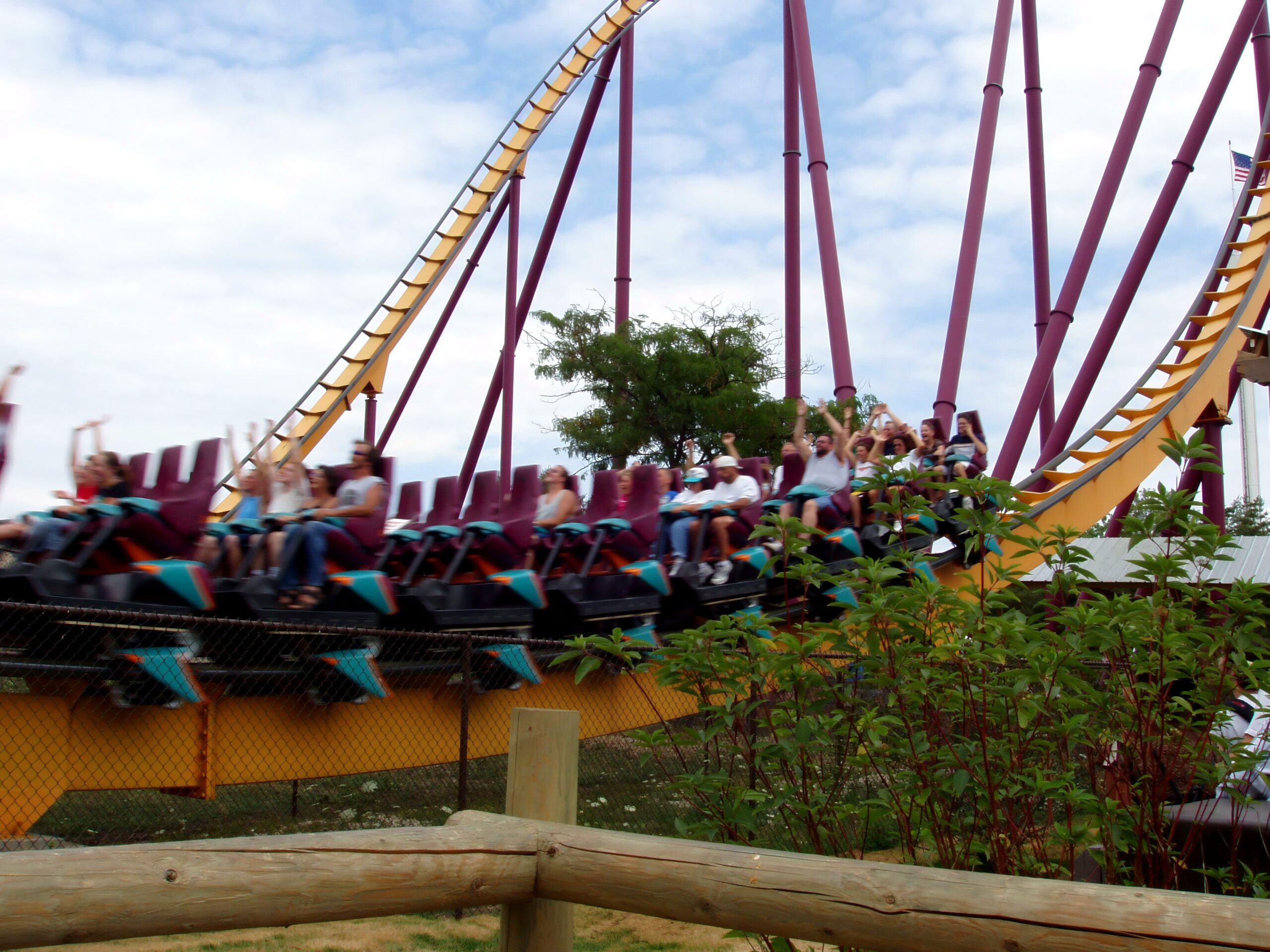
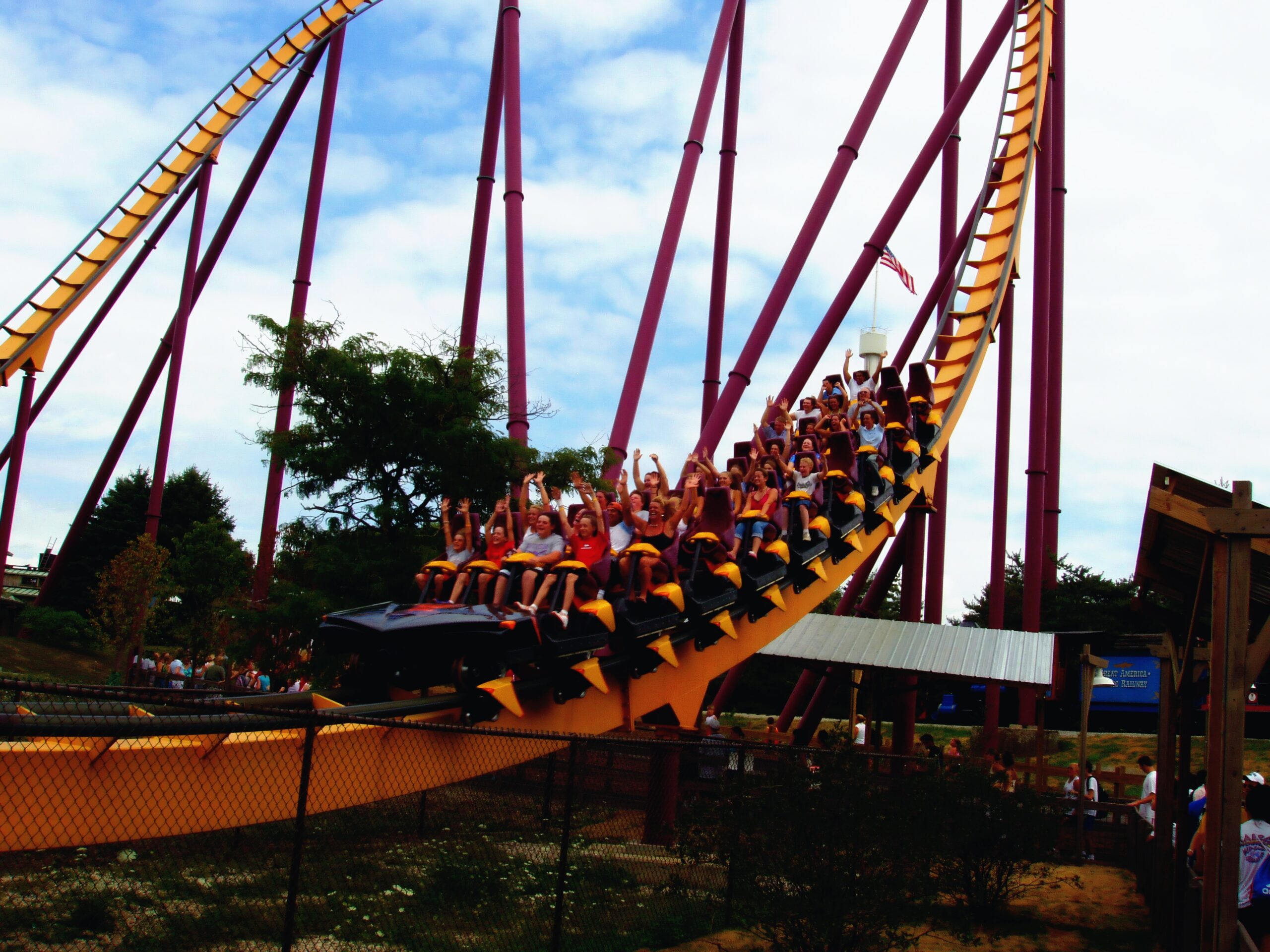
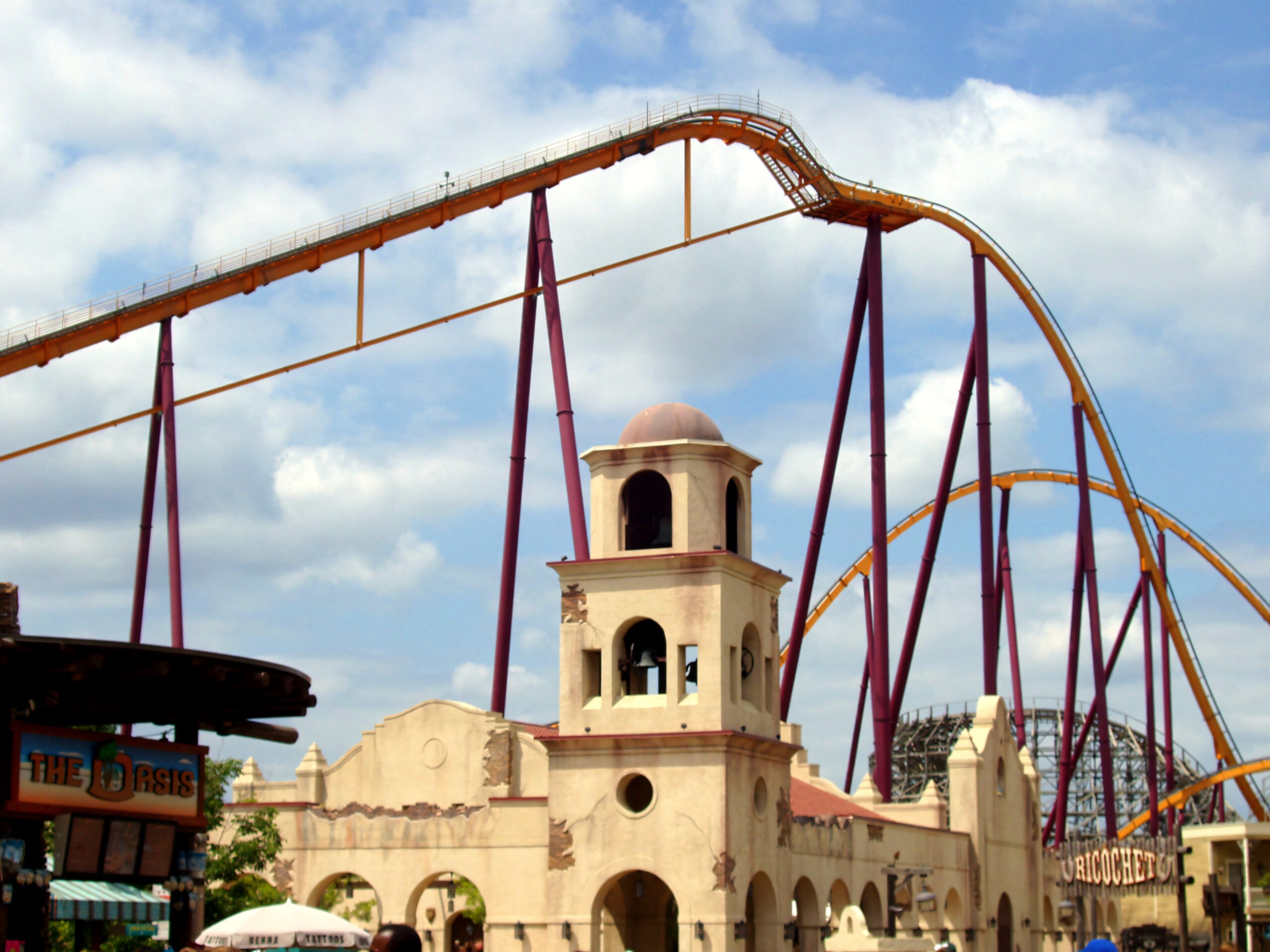
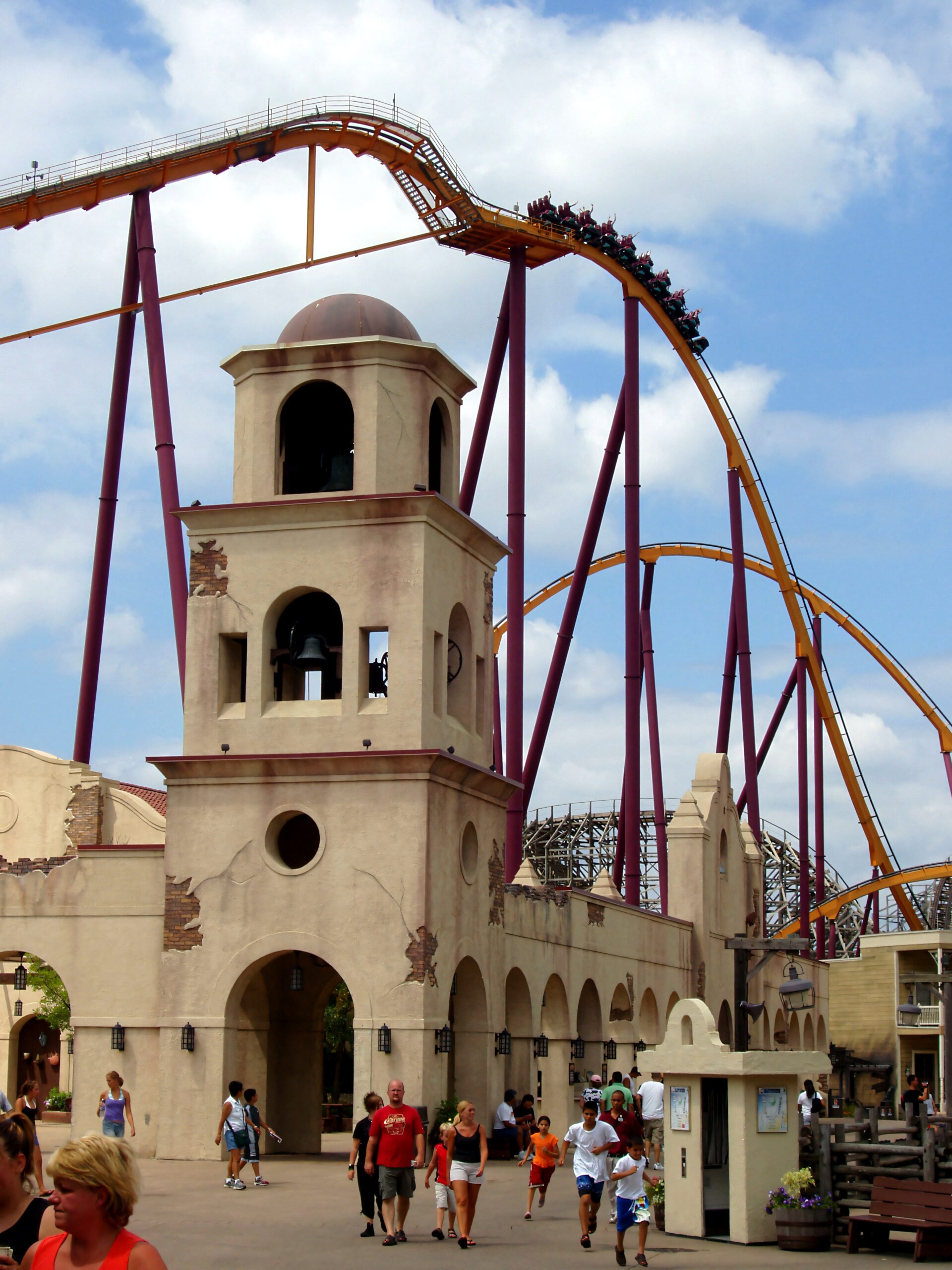
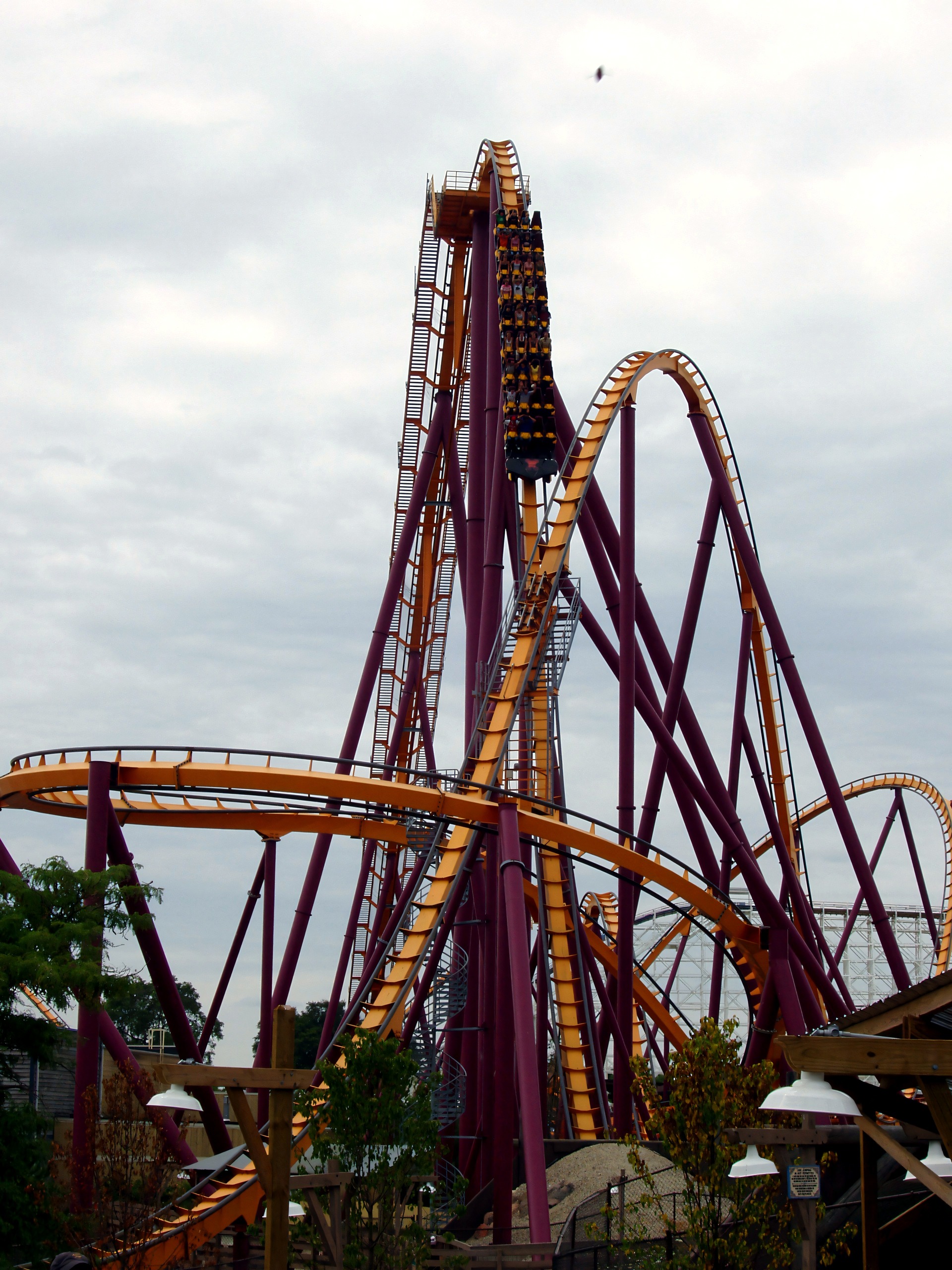
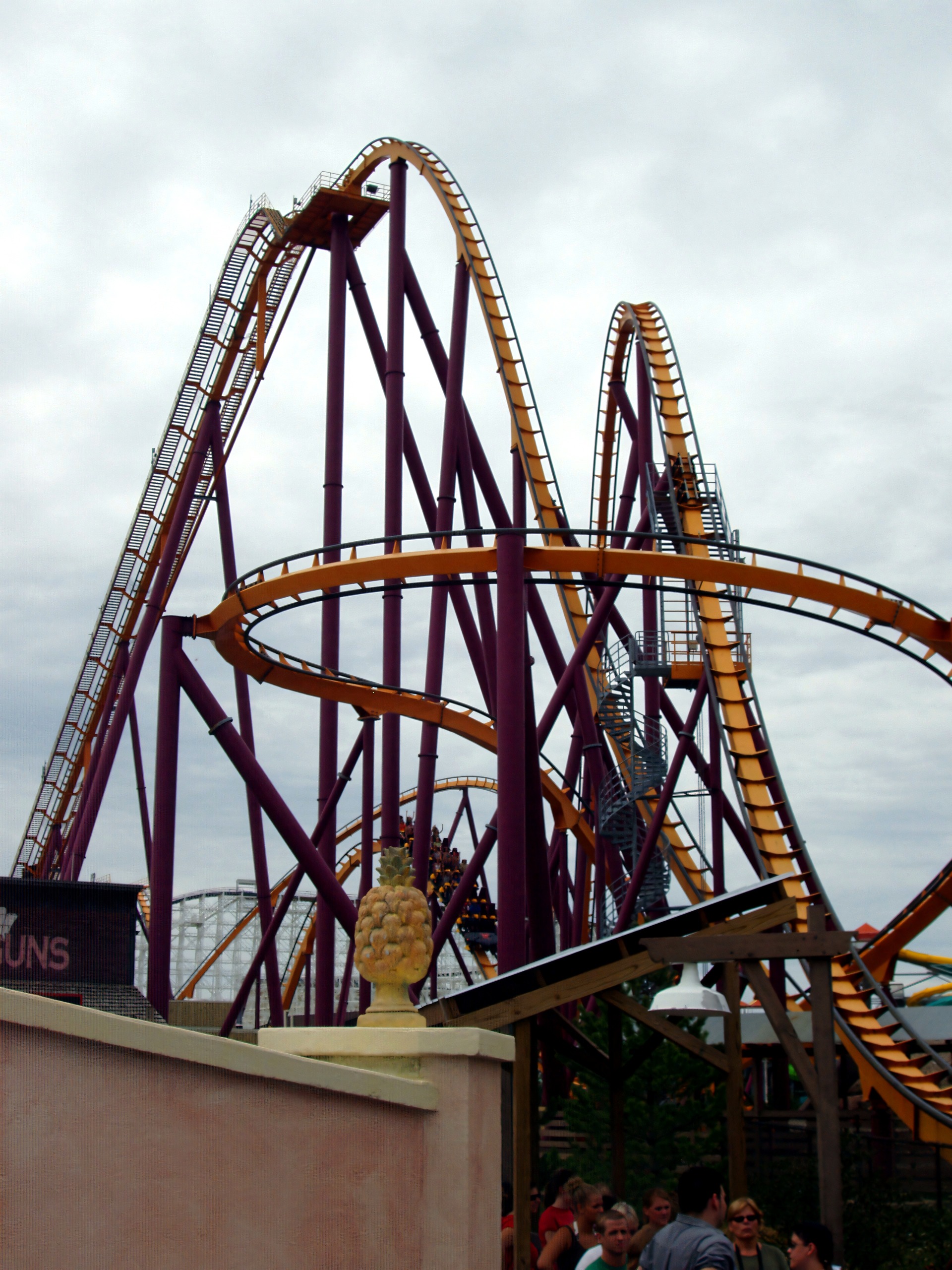
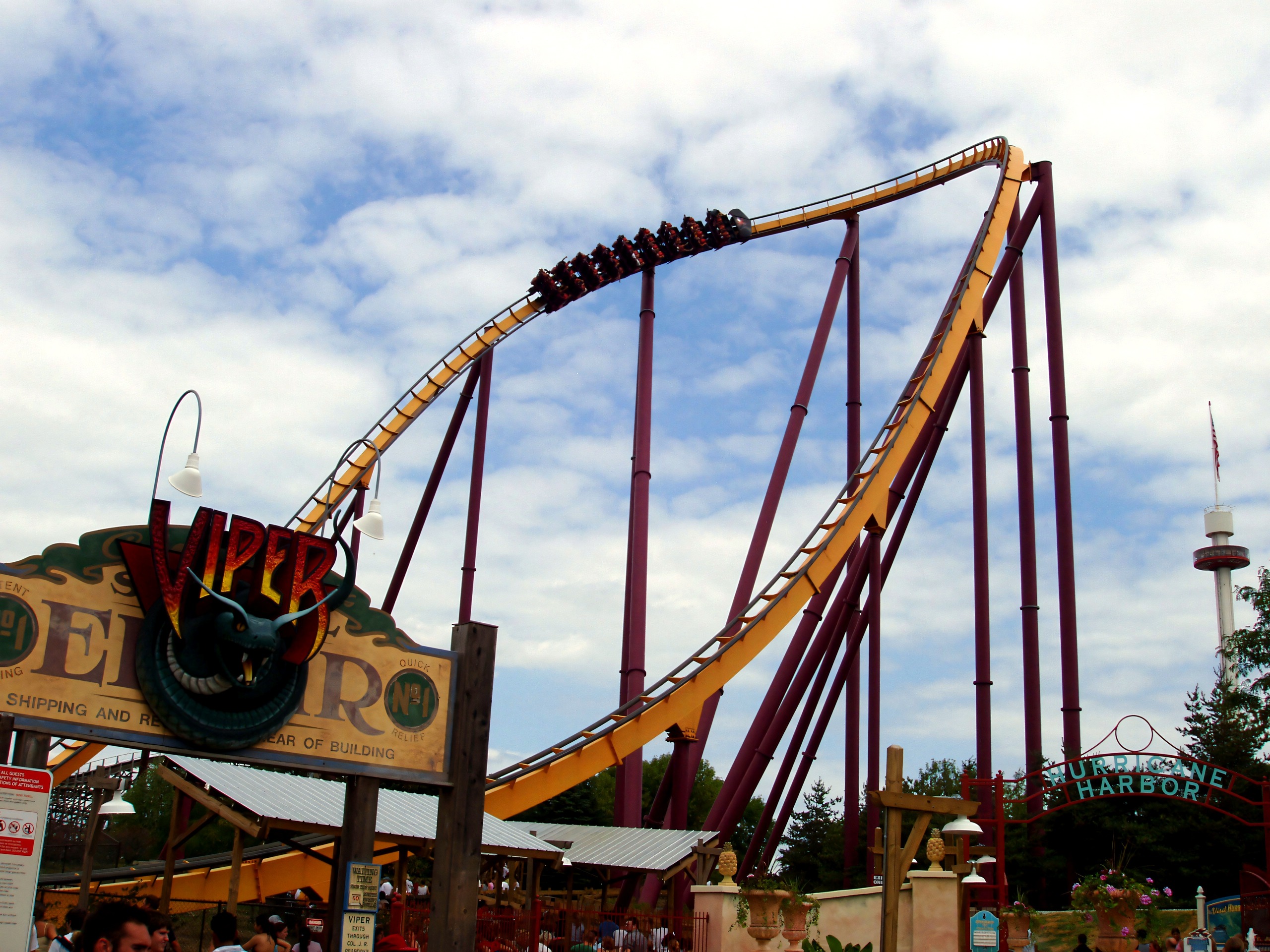
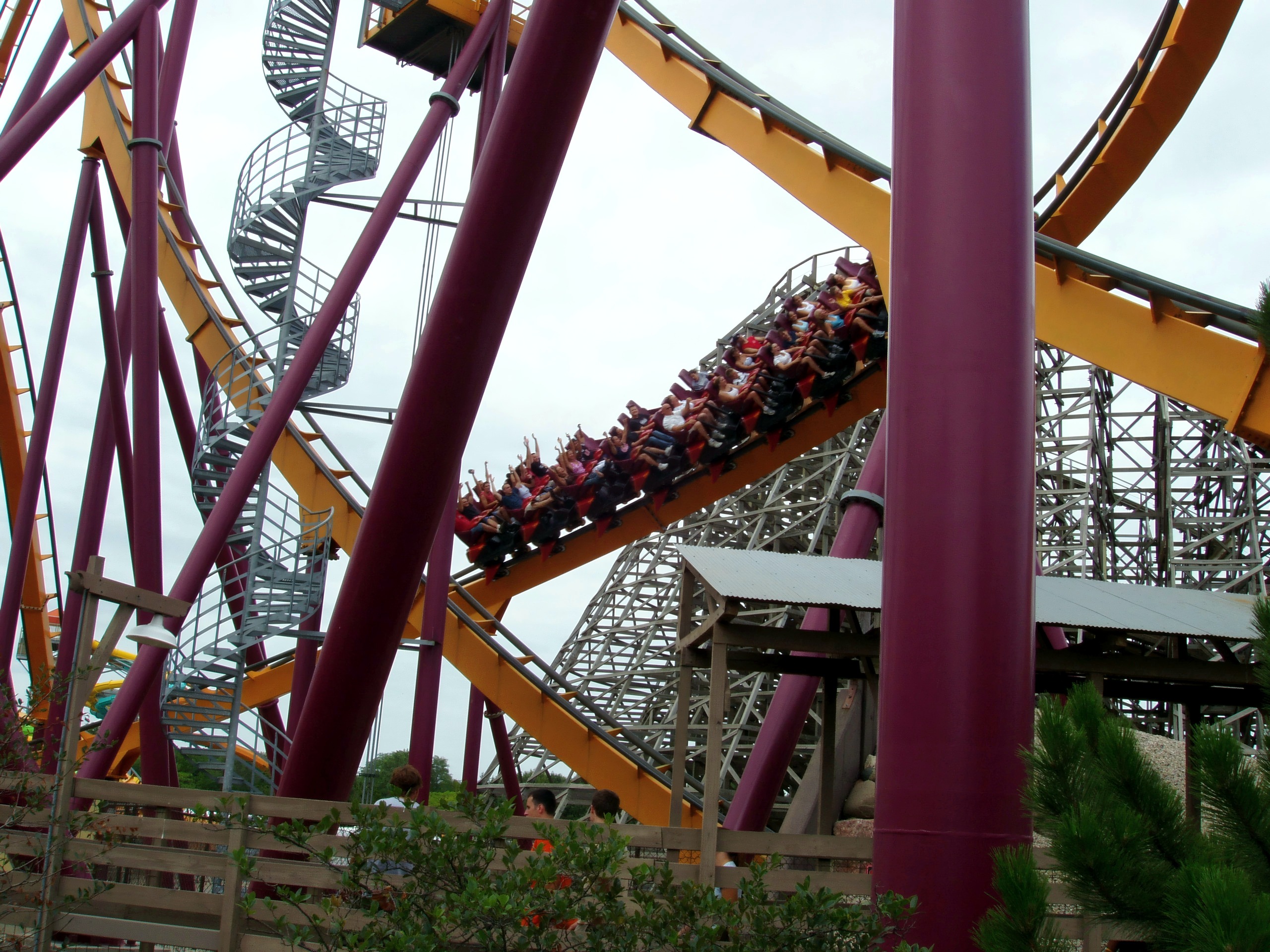
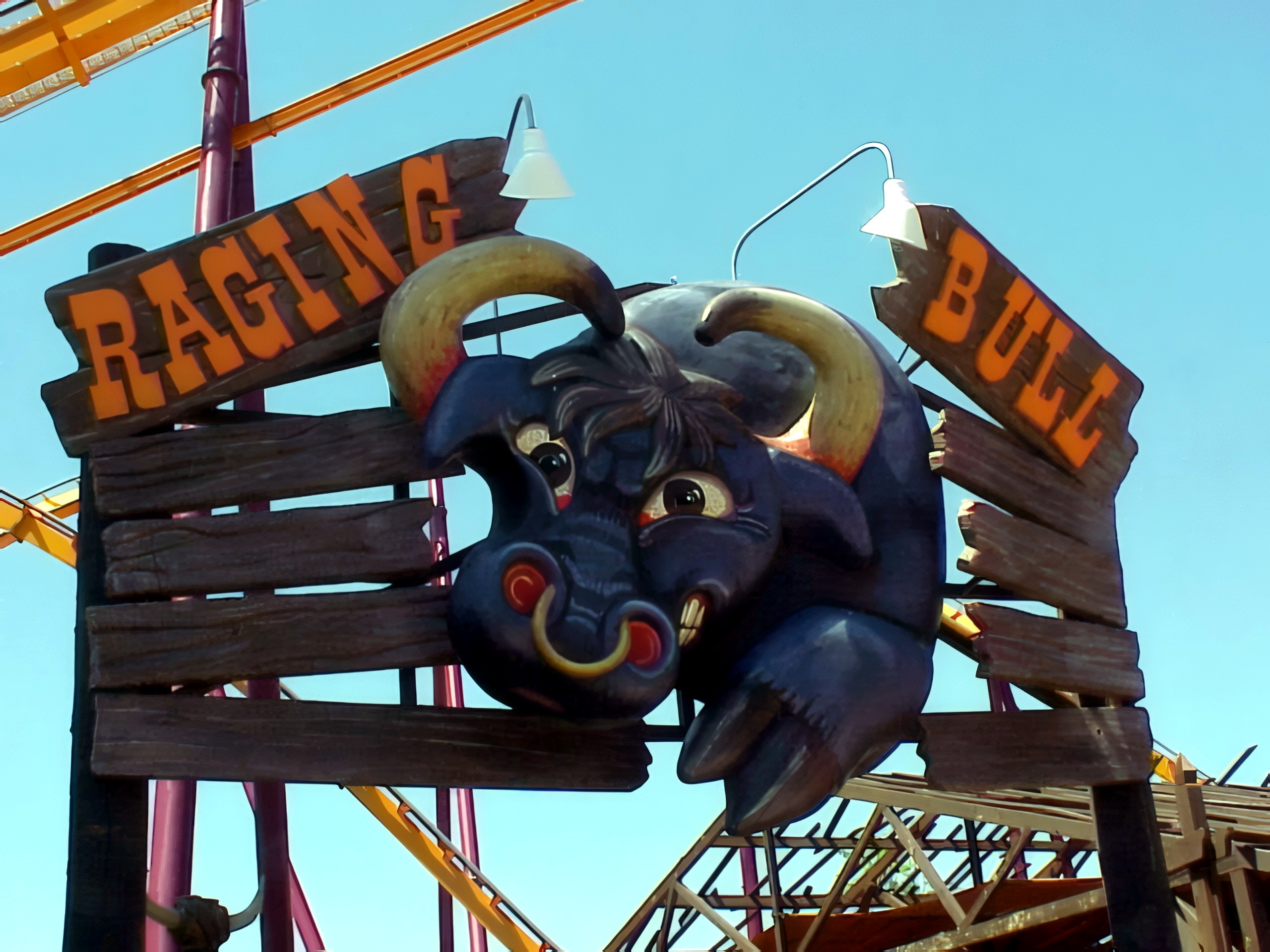
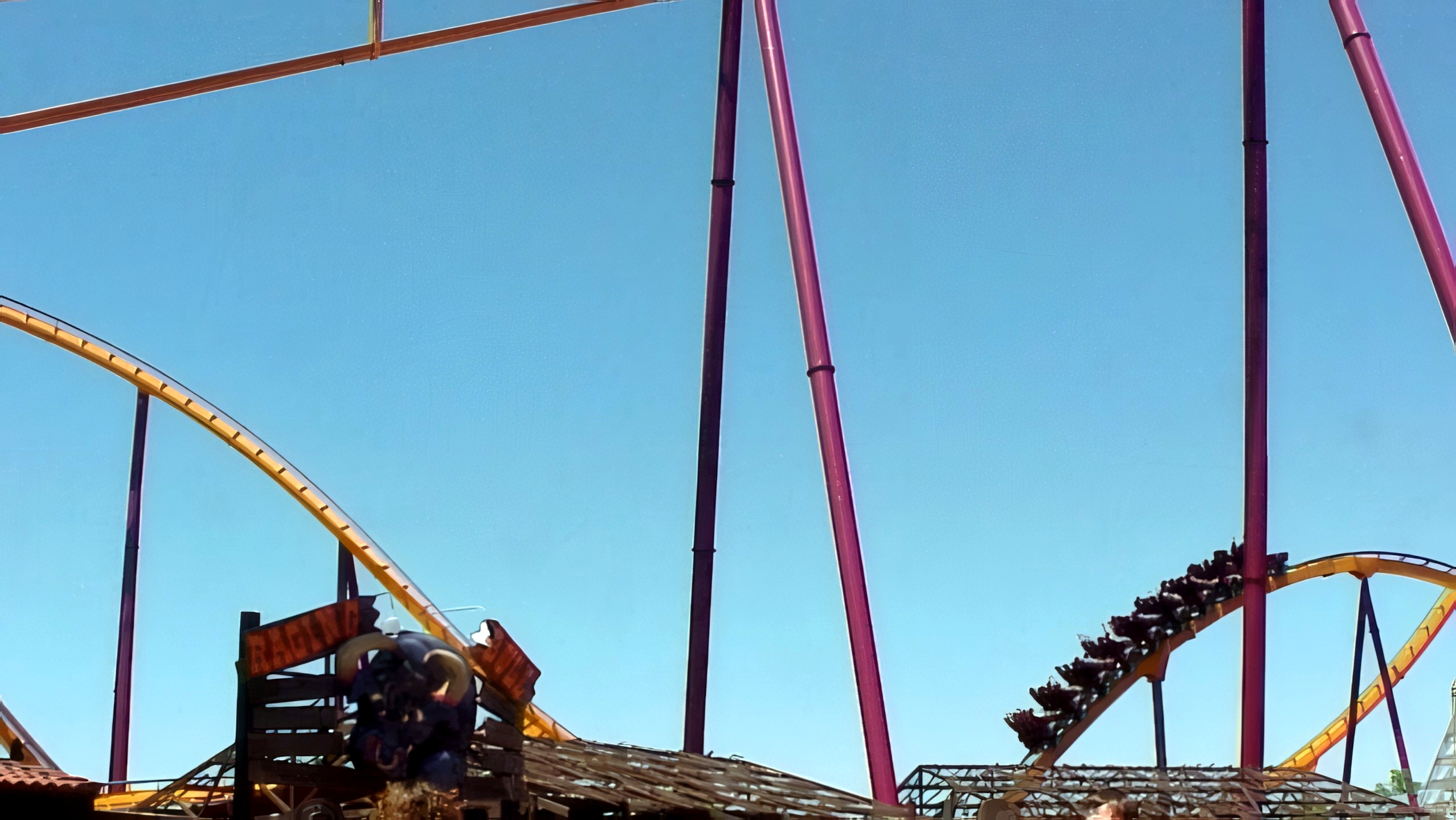
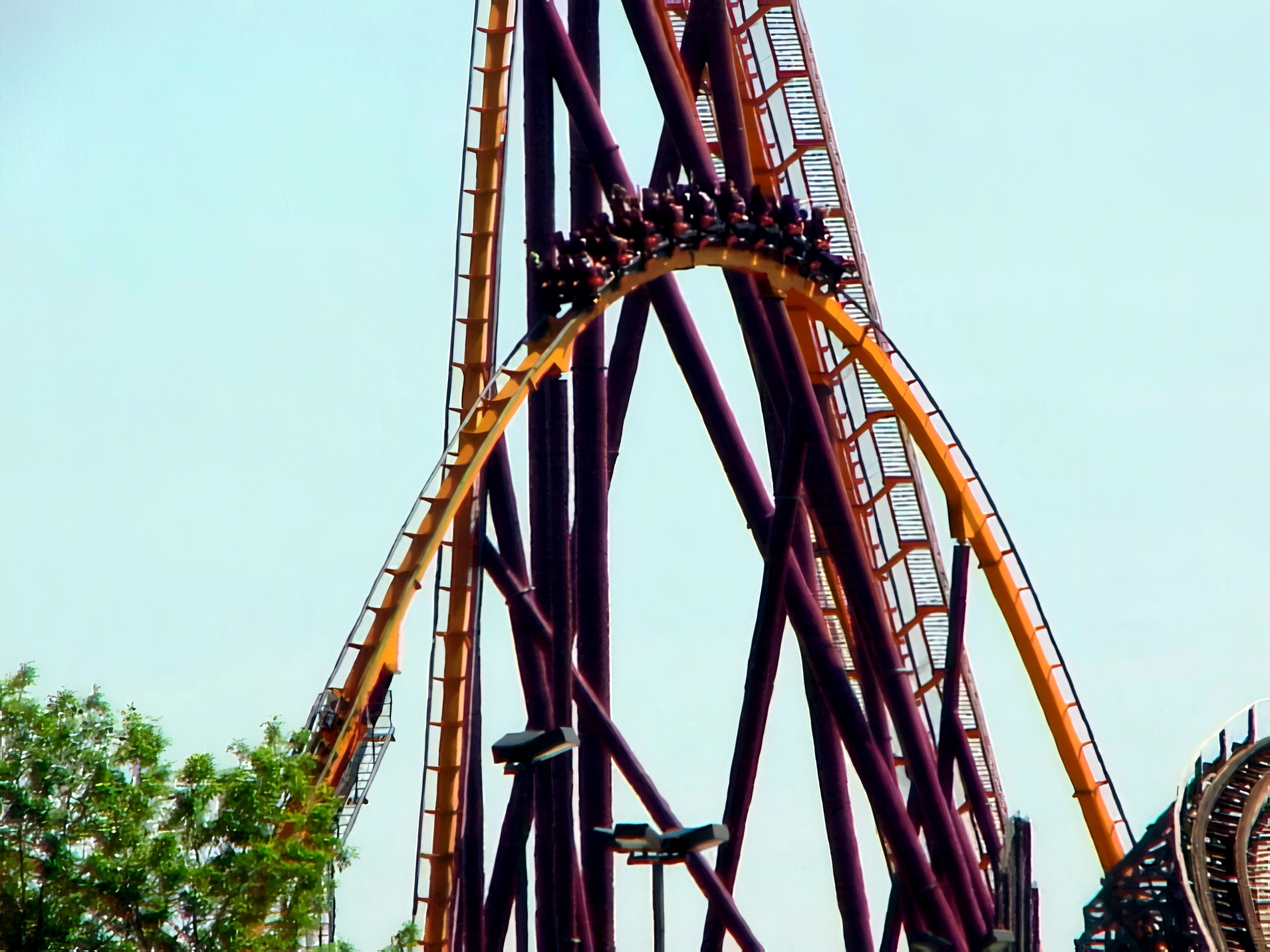
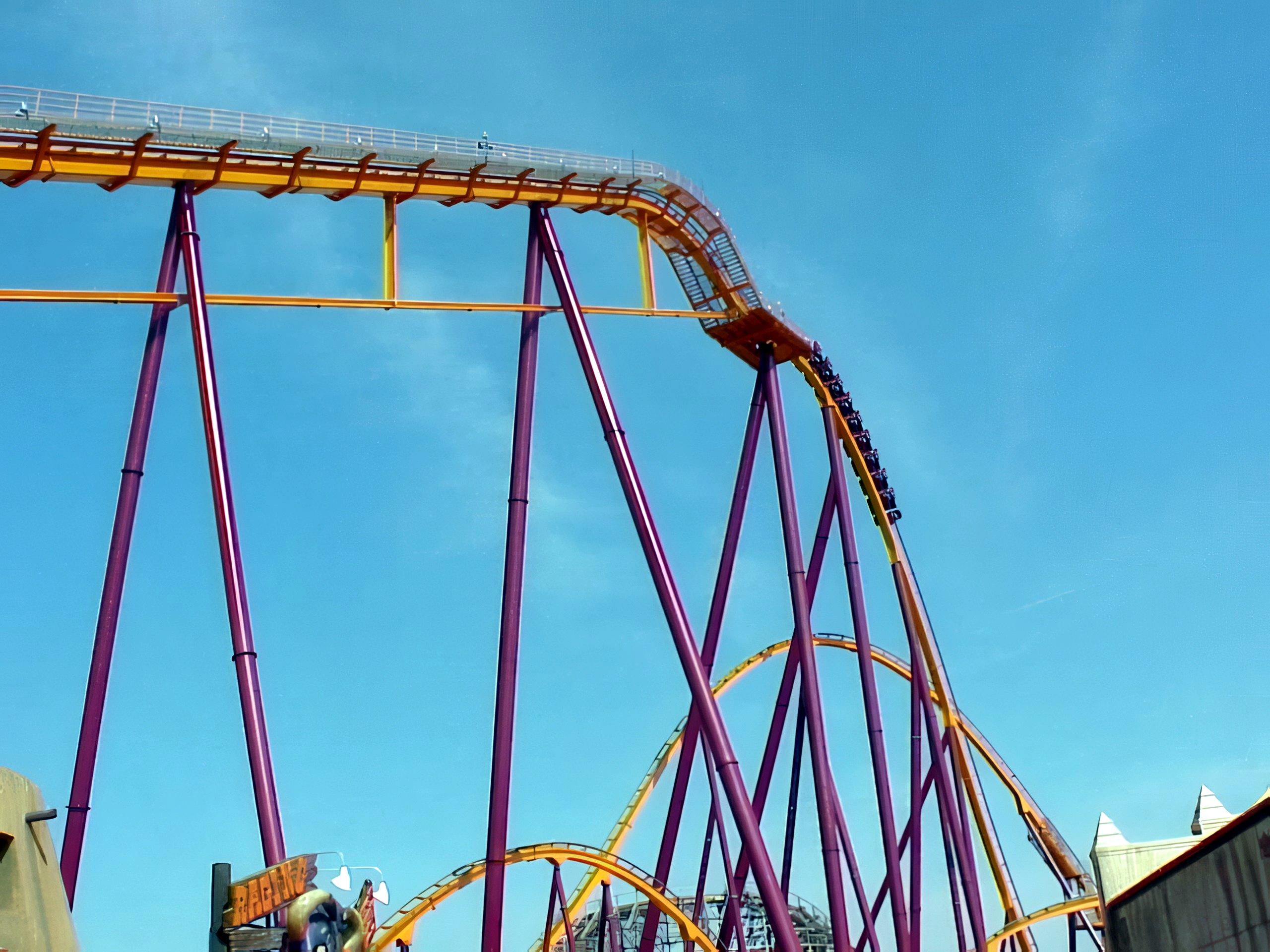
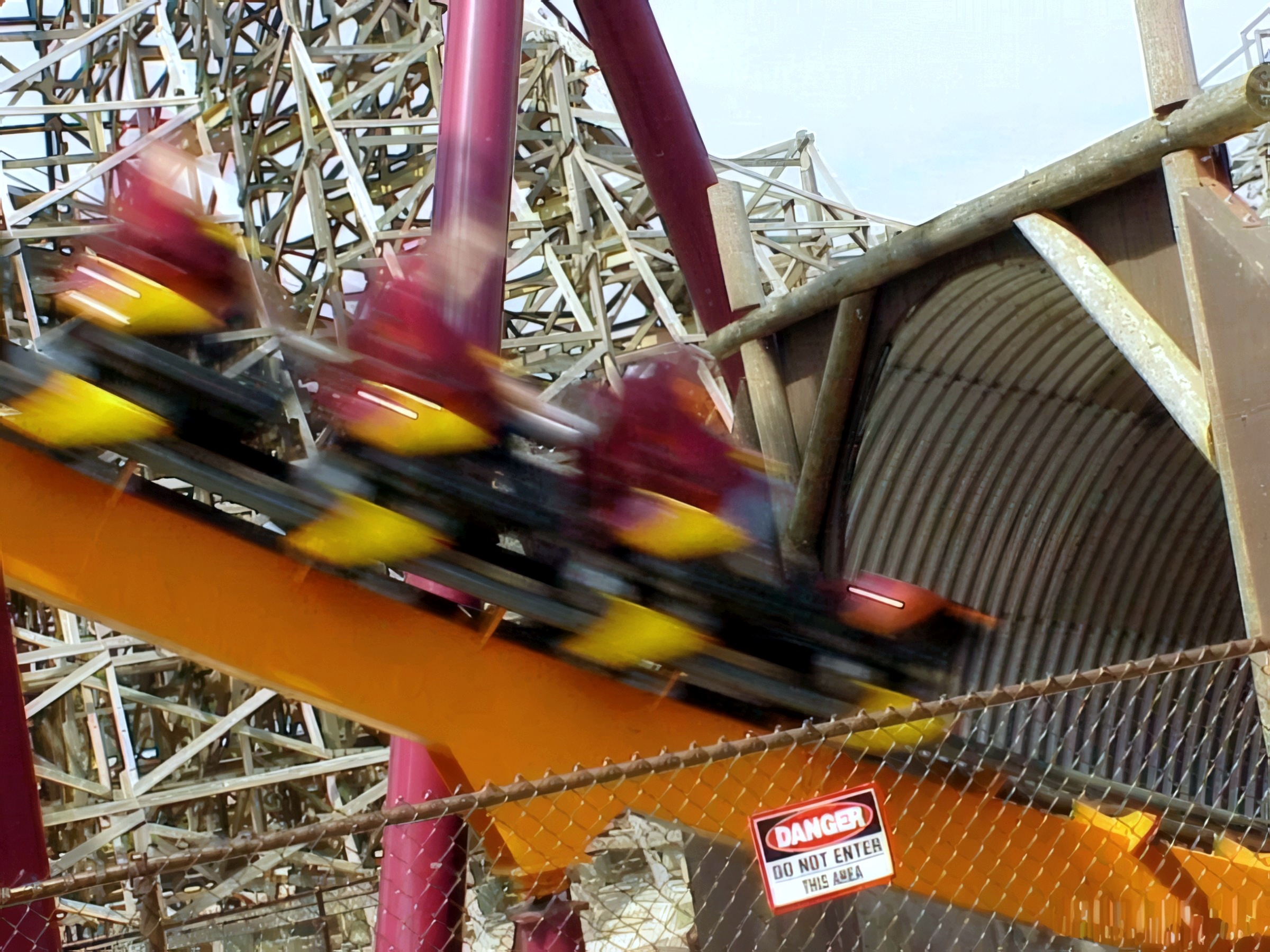
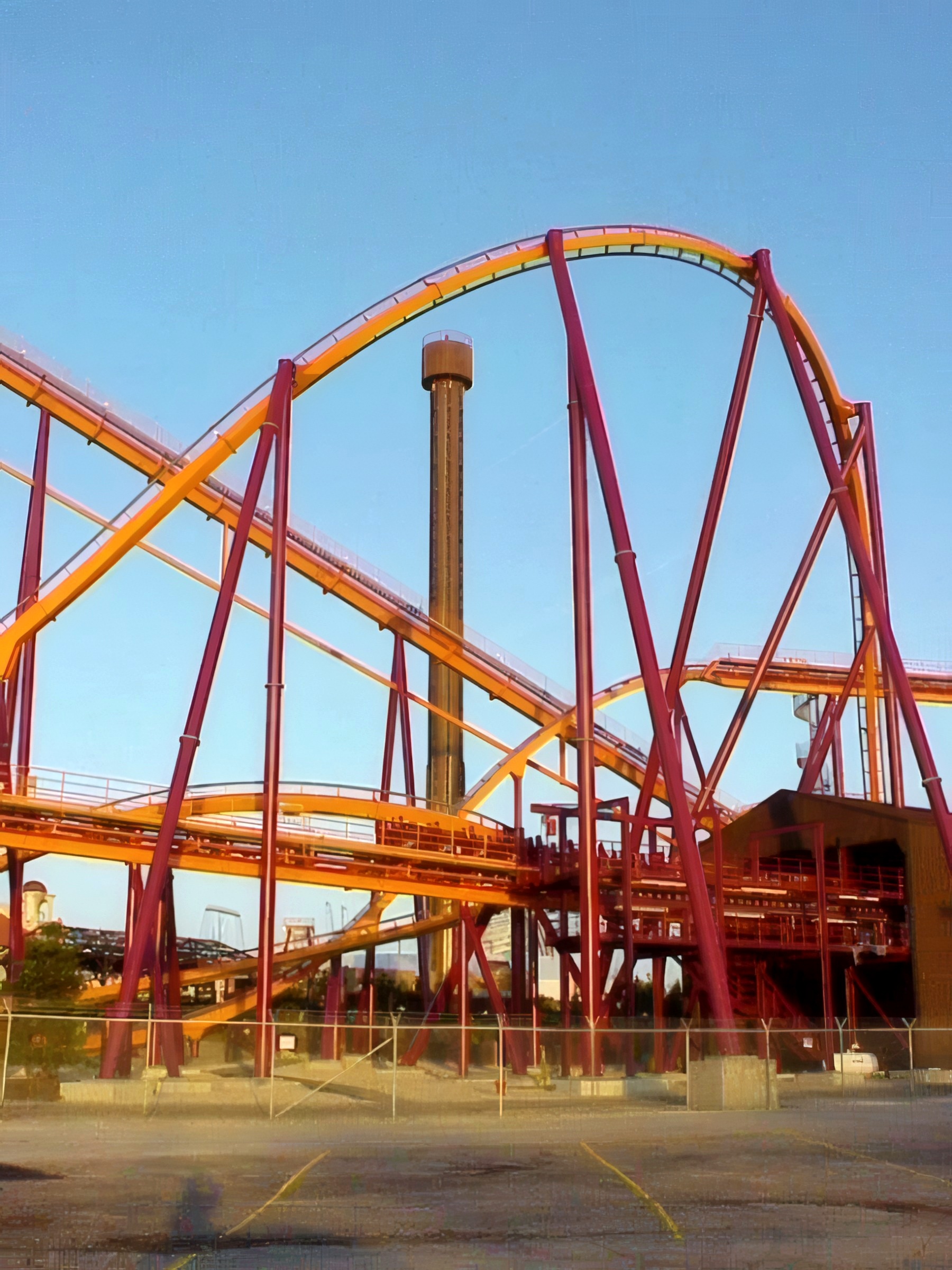
These are original ThrillZing photos of Raging Bull taken on visits in April 2000 (its second season), May 2001 and August 2005, restored and upscaled from the original camera files. They show the ride in its early years, including the Southwest Territory entrance and the original bull-head marquee. All photos are free to reuse under a CC BY 4.0 license with credit to ThrillZing and a link to this page.
2005
2001
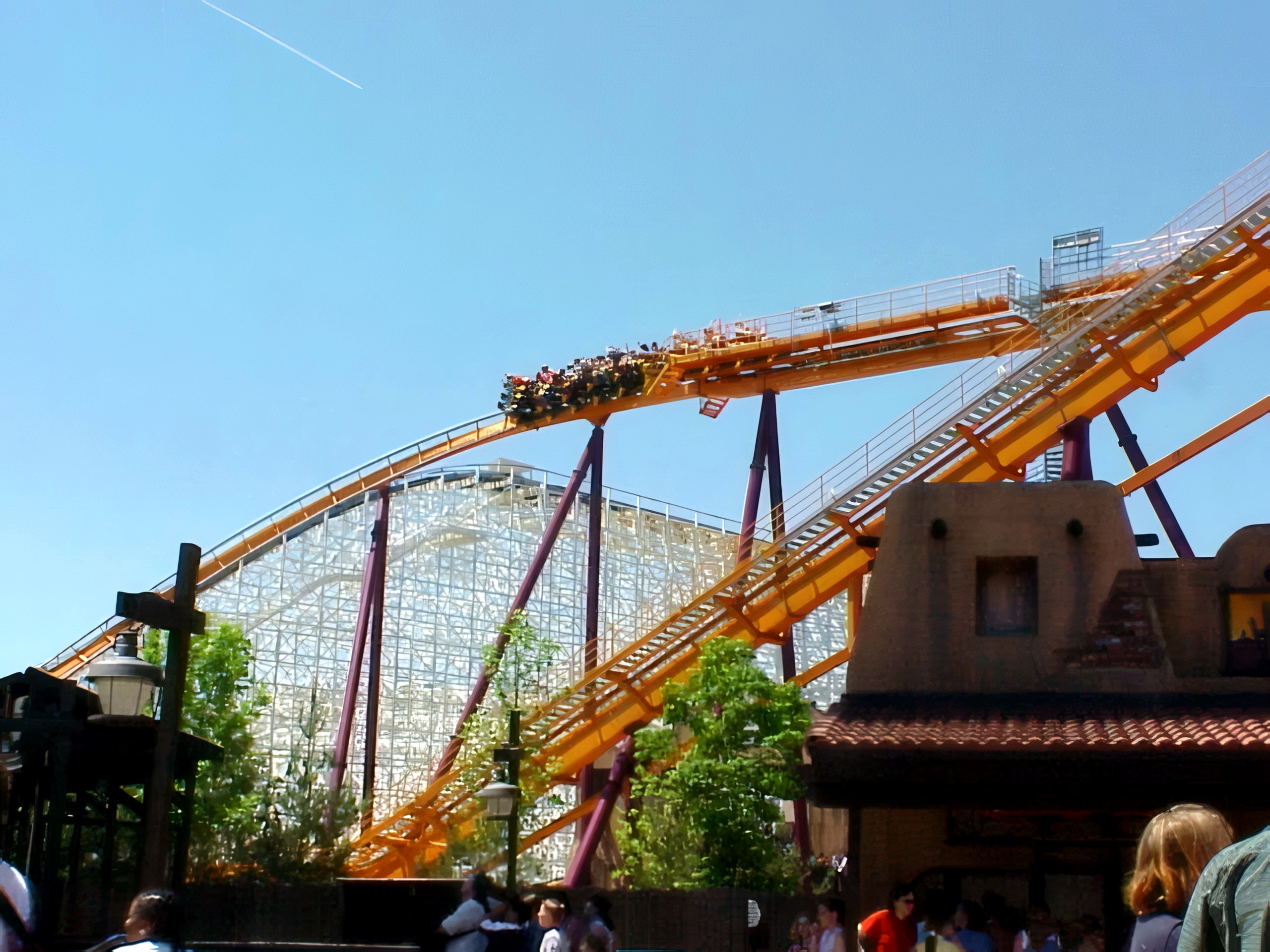
2000
Soak, snap and drape. A cooling towel takes the edge off a 45-minute midday queue in July.
Park apps, mobile ordering and photos kill a battery by 3 p.m. This one snaps on magnetically, so there's no cable to snag on a restraint.
Ride with your glasses on and keep them. Many parks allow glasses on rides if they're strapped, so check the ride rules first.


Raging Bull ride guide FAQs
How tall do you have to be to ride Raging Bull?
Riders must be at least 54 inches (4’6″, 137 cm) tall. There’s no published maximum height, but very tall riders should check the lap-bar fit before getting in line.
How fast does Raging Bull go?
Raging Bull reaches a top speed of 73 mph, hit during the 208-foot first drop into the coaster’s underground tunnel.
Does Raging Bull have any loops or inversions?
No. Raging Bull has zero inversions — it’s built around height, speed, and banked turns rather than loops, which makes it a popular first hyper coaster for riders new to extreme rides.
What’s the best seat on Raging Bull?
The back row delivers the strongest airtime, especially on the first drop and the drop after the mid-course brake run. The front row offers the best view of the drop and tunnel plunge.
Is Raging Bull the tallest coaster at Six Flags Great America?
Yes. At 202 feet, Raging Bull remains the tallest and longest coaster in the park, a title it has held since opening in 1999.
Was Raging Bull closed in 2025?
Yes, it closed August 19, 2025 for a repaint of the track and supports, reopening October 3, 2025 with fresh orange and purple paint. It was routine maintenance, not a safety-related closure.
Is there a single rider line for Raging Bull?
Yes, a single rider line is typically available for guests willing to fill single open seats, which can cut wait time compared to the regular queue.
Get More from Raging Bull ride guide
Log the coasters, stadiums, and venues you’ve experienced, rate Raging Bull ride guide, and see what your friends thought. Get the ThrillZing app.
Want the day’s theme park news in your inbox? Subscribe to ThrillZing Daily — free.