
Teatro Colón is a grand opera house in Buenos Aires, Argentina, widely regarded as one of the finest performing arts venues in the world. The current building opened on May 25, 1908, with a production of Verdi’s Aïda, replacing an earlier Teatro Colón that had stood on Plaza de Mayo from 1857 to 1888. Designed initially by architect Francesco Tamburini and completed by Vittorio Meano and Julio Dormal after a series of delays and setbacks, the theater blends Italian Renaissance, French, and Greek architectural influences into a landmark of Buenos Aires’ cultural district near Plaza Lavalle.
Renowned for its acoustics, Teatro Colón has hosted legendary artists including Maria Callas, Luciano Pavarotti, Plácido Domingo, and Rudolf Nureyev across opera, ballet, and symphonic performances. Acoustics expert Leo Beranek’s influential survey ranked its auditorium among the best in the world for opera. After a major refurbishment that closed the theater from 2006 to 2010, Teatro Colón reopened to the public and remains one of South America’s most important cultural institutions.
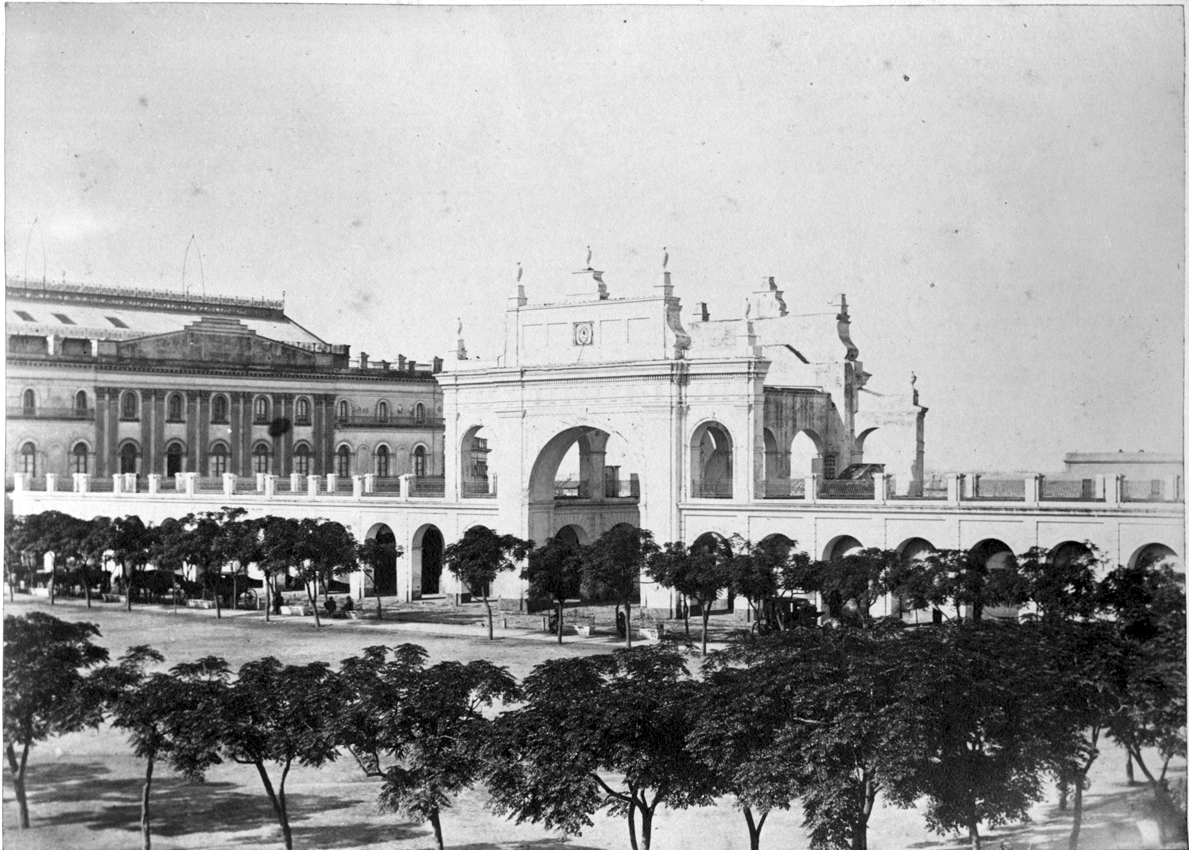
Stats at a Glance
- Location: Buenos Aires, Argentina
- Type: Opera house / performing arts theater
- Opened: May 25, 1908 (current building)
- Capacity: About 2,487 seats, plus standing room for roughly 1,000
- Architects: Francesco Tamburini, Vittorio Meano, Julio Dormal
- Famous for: Acoustics ranked among the world’s best for opera
A Storied Stage
The current Teatro Colón took nearly two decades to complete, a process marked by the deaths of two of its architects and Argentina’s economic upheavals, before finally opening in 1908. Its horseshoe-shaped auditorium, modeled after classic European opera houses, spans a stage roughly 20 meters wide and 20 meters deep, framed by ornate gilded balconies and a domed ceiling.
The venue has weathered dramatic moments in its history, including a 1910 bombing during a performance attended by French statesman Georges Clemenceau. Despite such events, Teatro Colón has remained a continuous symbol of Buenos Aires’ cultural ambitions since the 19th century, when Argentina’s leaders sought to establish the country as a hub of European-style high culture.
World-Class Acoustics
Teatro Colón’s reputation rests heavily on its acoustic design, which acousticians have compared favorably to Milan’s La Scala and Vienna’s State Opera. This reputation has drawn generations of top opera singers, conductors, and dancers to perform on its stage, cementing its status as a bucket-list venue for classical music and ballet.
A comprehensive renovation closed the theater from October 2006 to May 2010, ultimately costing far more and taking much longer than initially planned, but restoring the building’s ornate interiors and updating its infrastructure for another century of performances.
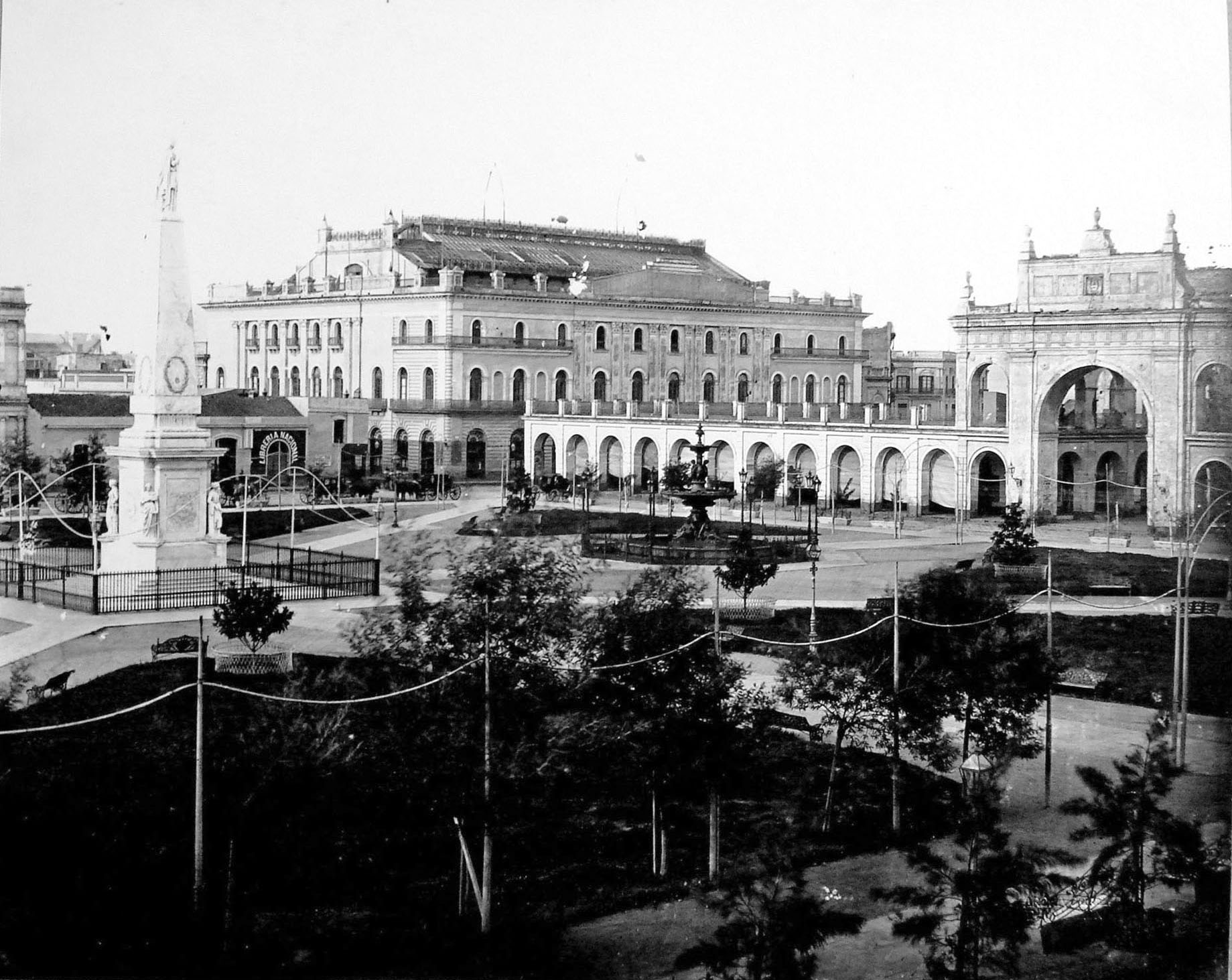
Explore more: Explore more iconic music venues.
Three modes in one plug: quiet, full-volume concert, and a setting in between. Protects your hearing without muffling the mix.
Take the dangerous peak off a loud show and keep the music sounding clear. They fit in a tiny case on your keychain.
Meets most arena and amphitheater clear-bag policies. Hands-free in the pit and quick through the gate.
Teatro Colón FAQs
When did Teatro Colón open?
The current Teatro Colón building opened on May 25, 1908, with a performance of Verdi’s Aïda. An earlier Teatro Colón had operated on Buenos Aires’ Plaza de Mayo from 1857 to 1888.
How many people can Teatro Colón seat?
The theater seats about 2,487 people, with additional standing room for roughly 1,000 more.
Why is Teatro Colón famous?
It’s celebrated for its exceptional acoustics, ornate architecture, and history of hosting world-renowned opera, ballet, and orchestral performers, including Maria Callas and Luciano Pavarotti.
Get More from Teatro Colón
Log the coasters, stadiums, and venues you’ve experienced, rate Teatro Colón, and see what your friends thought. Get the ThrillZing app.
Photo: EEJCC / CC0, via Wikimedia Commons.